Beyond the vibrant souks of Marrakech and the golden dunes of the Sahara lies a deeper story—one that weaves through the mountains, deserts, and cities of North Africa. It is the story of the Amazigh in Morocco, the Indigenous people often referred to as Berbers. With a history spanning thousands of years, the Amazigh are not just part of Morocco’s cultural fabric—they are its foundation.
In this guide, we’ll explore who the Amazigh are, where to experience their traditions, and why every traveler to Morocco should learn their story.
Who Are the Amazigh in Morocco?
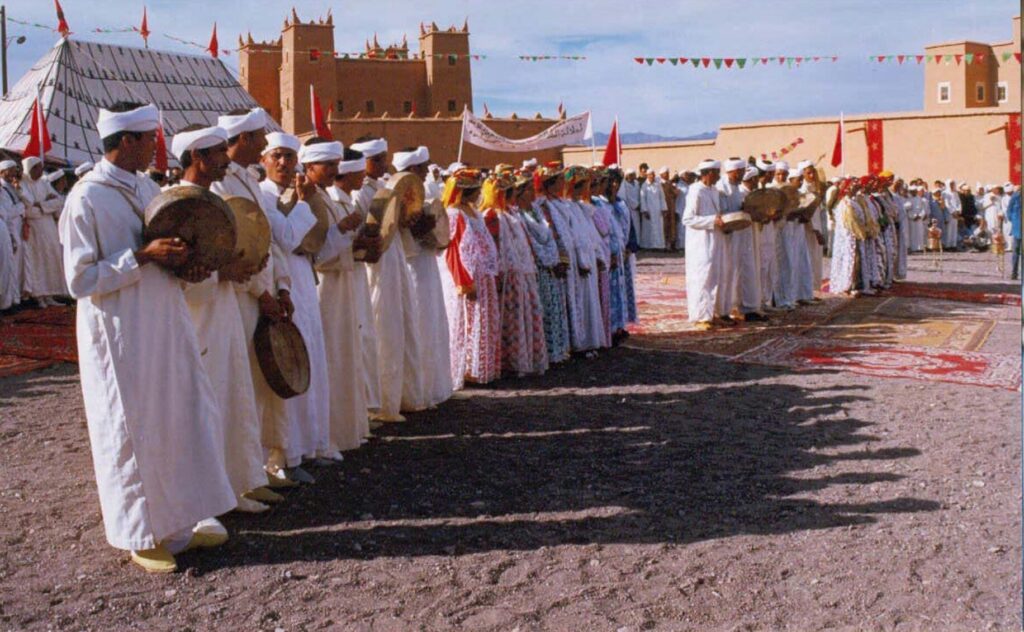
The term “Amazigh” (plural: Imazighen) means “free people” in Tamazight, their native language. The Amazigh have inhabited North Africa since prehistoric times, long before Arab, Roman, or French influences reached the region. Today, they make up a significant portion of Morocco’s population and continue to preserve their language, identity, and customs across the country.
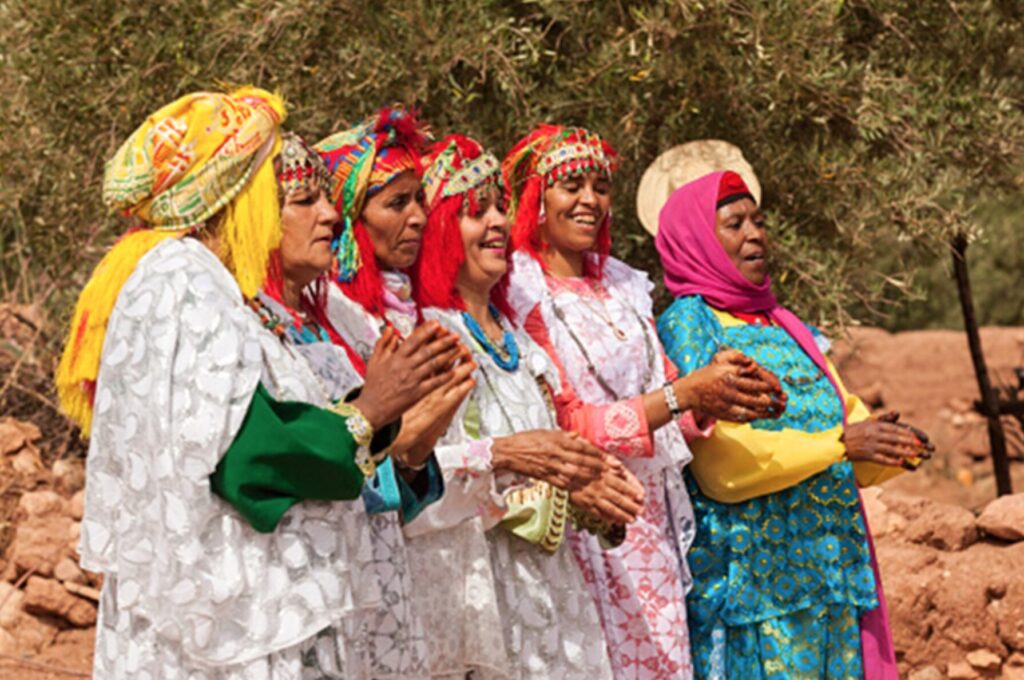
The Amazigh in Morocco are primarily found in the Atlas Mountains, the Rif Mountains, and parts of the Sahara Desert, though many also live in urban areas. Their unique traditions, from music and clothing to architecture and crafts, have shaped Morocco’s identity.
To understand Morocco, you must understand its Amazigh roots.
Must-See Amazigh Cultural Experiences in Morocco
1. Visit an Amazigh Village in the Atlas Mountains
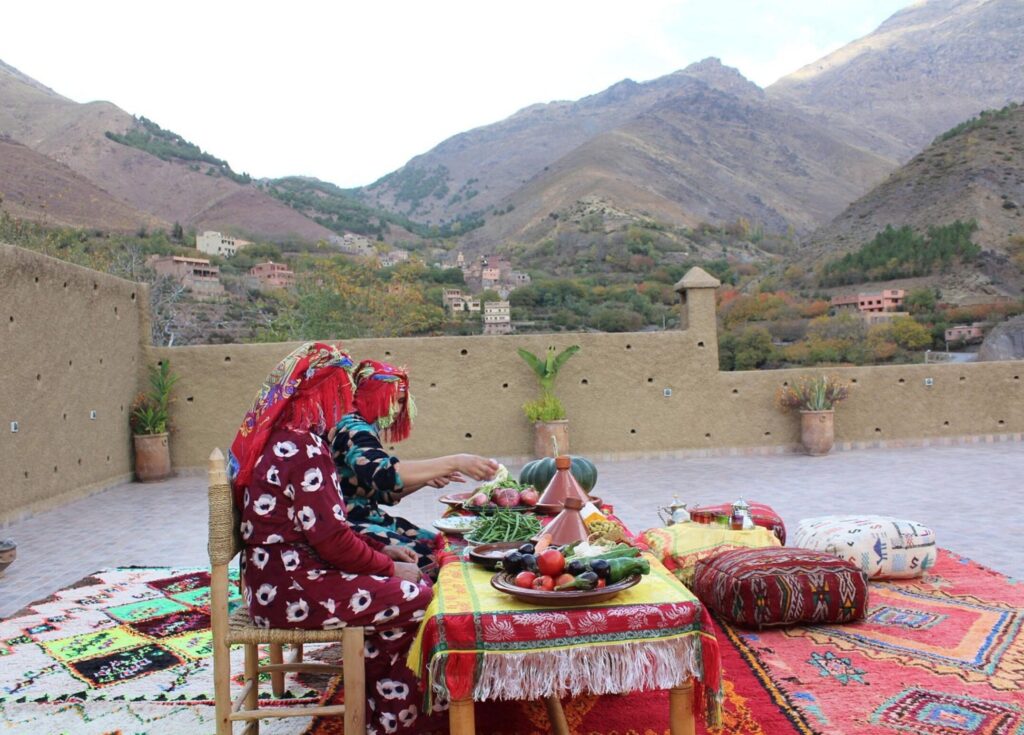
Venture into the High Atlas or Middle Atlas to experience Amazigh hospitality firsthand. Villages like Imlil, Ait Bouguemez, and Tamtetoucht offer beautiful landscapes and a slower pace of life. Stay in a traditional gîte (guesthouse), enjoy a tagine cooked over charcoal, and join locals for tea while learning about daily life.
2. Explore the Ancient Kasbahs
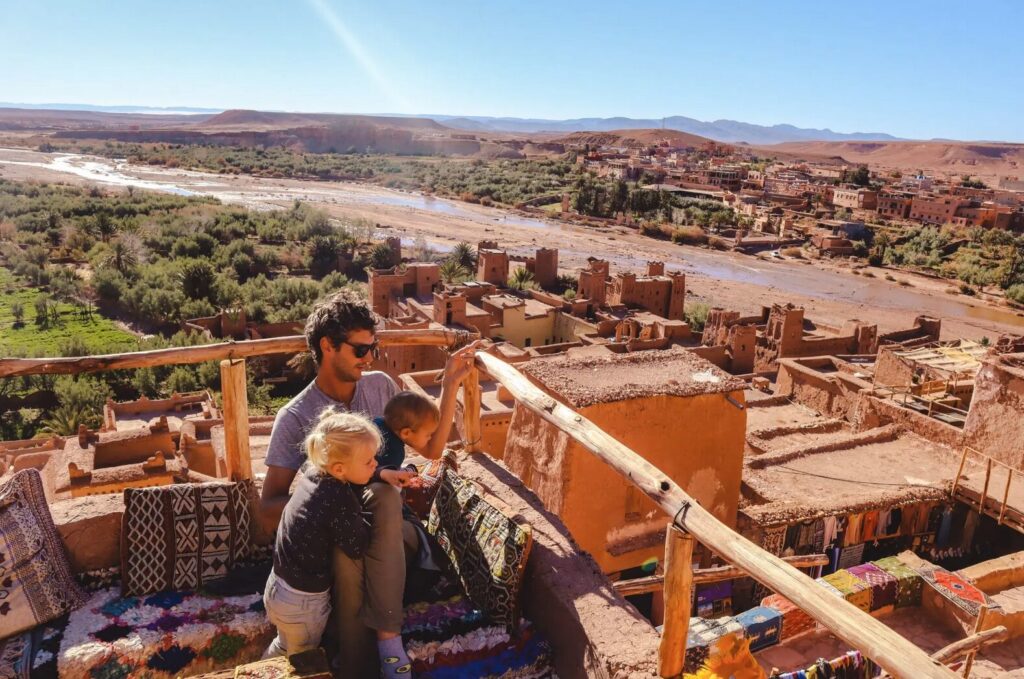
The Amazigh are known for building kasbahs—fortified clay homes and communal granaries. Some of the best-preserved examples are in Ait Ben Haddou, a UNESCO World Heritage site and filming location for Gladiator and Game of Thrones.
-Read about Aït Benhaddou
3. Attend a Traditional Amazigh Festival
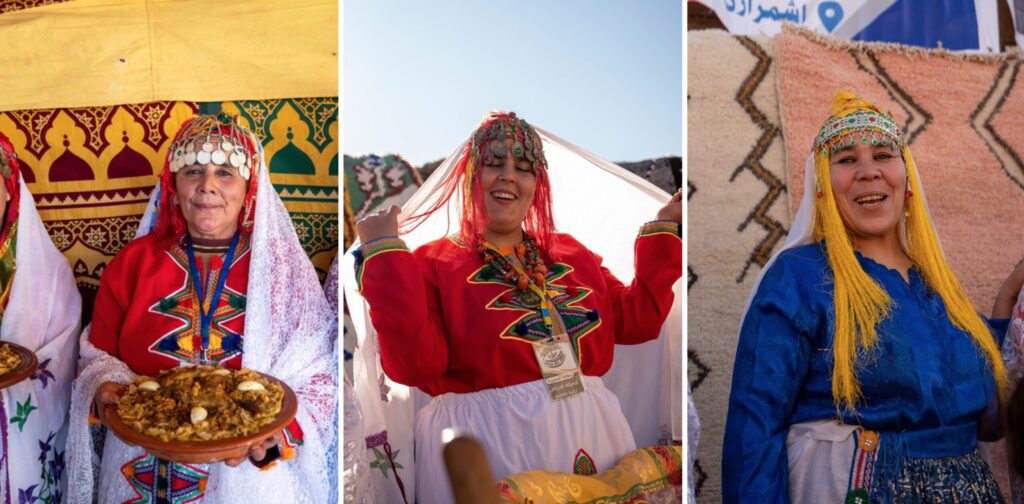
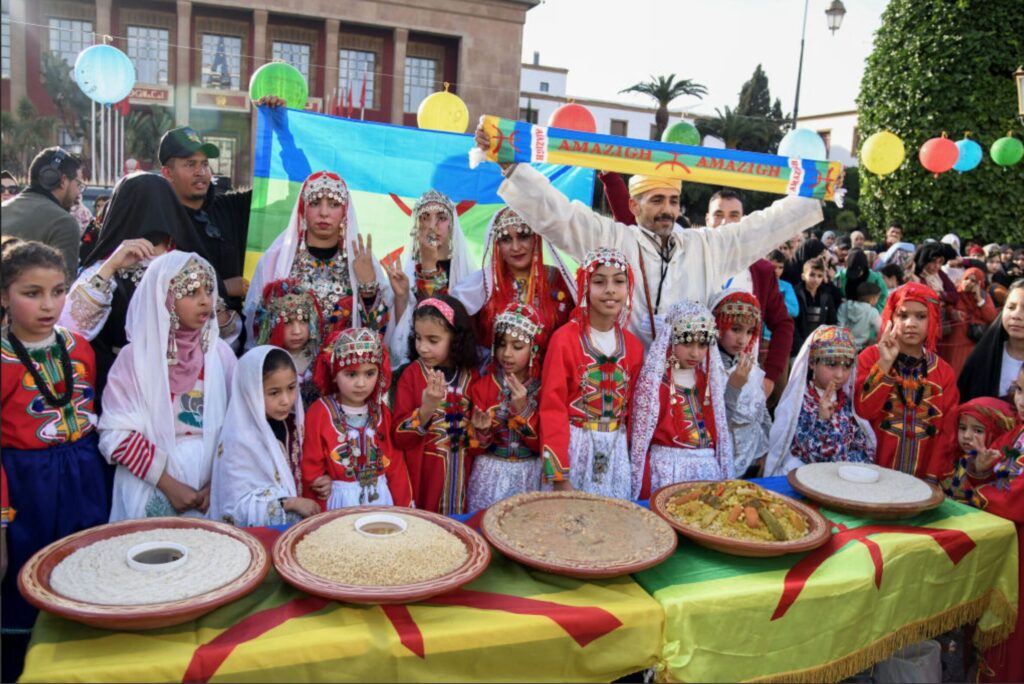
Throughout the year, Amazigh communities celebrate festivals linked to agriculture, music, and seasonal cycles. Don’t miss:
- Imilchil Marriage Festival (September) – A unique gathering where Amazigh tribes celebrate love and unity.
- Yennayer (January) – The Amazigh New Year, celebrated with feasting, music, and dancing.
4. Discover Amazigh Crafts
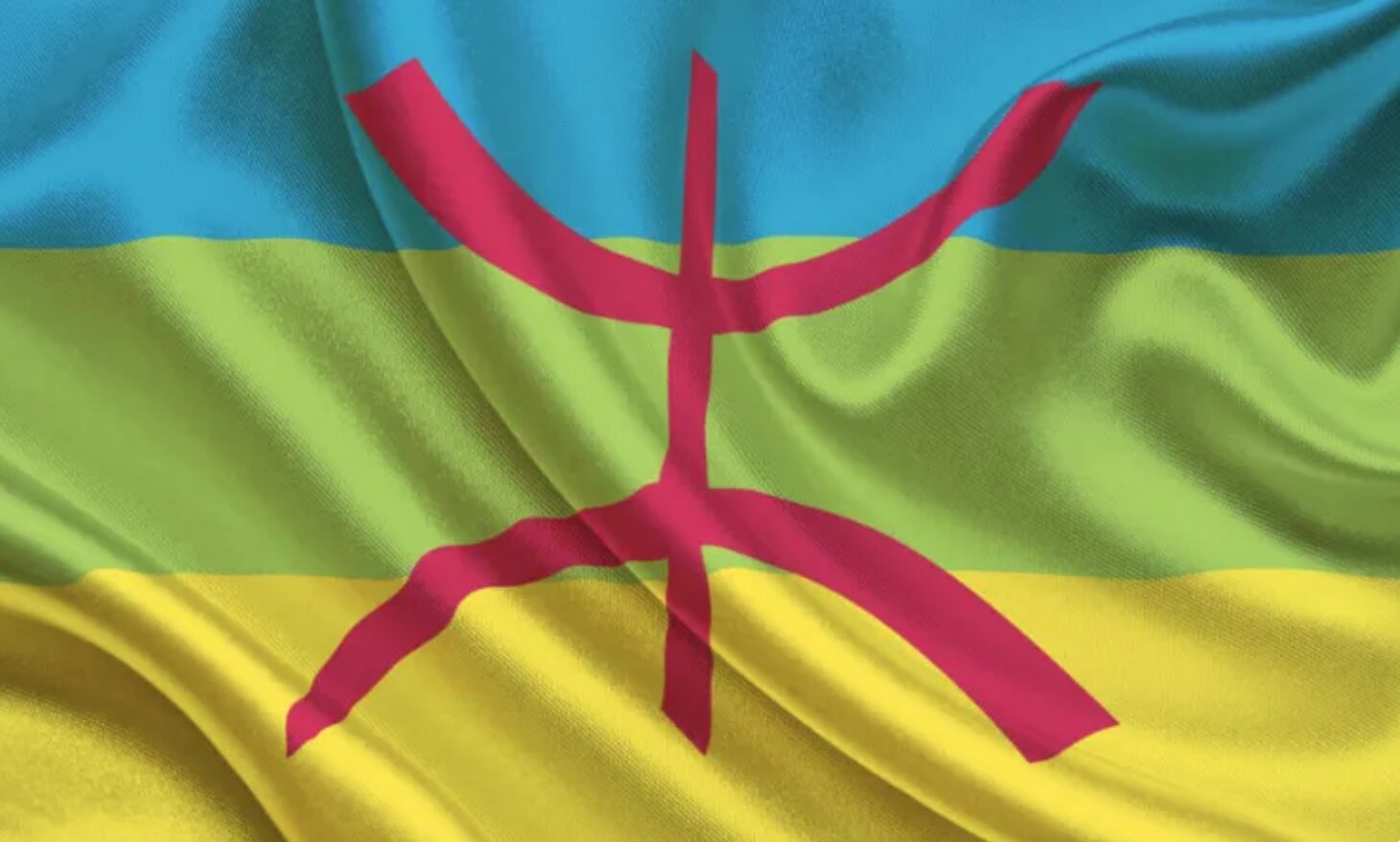
From bold Tifinagh script jewelry to intricately woven rugs, Amazigh artisans create some of Morocco’s finest crafts. Markets in Taznakht, Tinghir, and Taroudant are great places to shop for authentic handmade goods.
Travel Tips and Cultural Insights
Learn a Few Words in Tamazight
While Arabic and French are widely spoken in Morocco, many rural Amazigh communities speak Tamazight or other Berber languages. A simple “azul” (hello) or “tanmirt” (thank you) will be warmly appreciated.
Respect Local Customs
Amazigh communities are often conservative, so modest clothing and respectful behavior are essential. Ask before taking photos, especially of people.
Hire a Local Amazigh Guide
Many tour operators in Morocco now work directly with Amazigh guides, providing deeper insight into the region and supporting local communities. These guides often speak several languages and can offer unique cultural context during hikes or village visits.
Savor the Cuisine
While Moroccan cuisine is famous, Amazigh cooking has its own distinct flair. Don’t miss:
- Amlou – a delicious blend of almonds, honey, and argan oil.
- Asksou – a hearty Amazigh barley couscous.
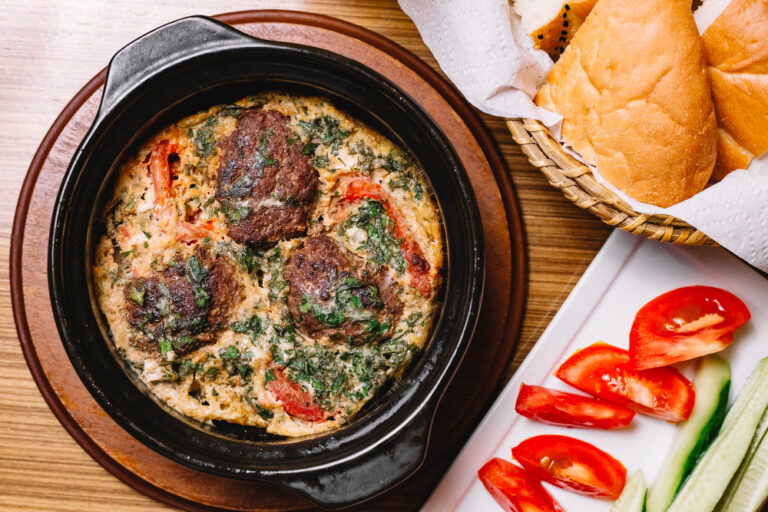
- Berber omelet – eggs, tomatoes, onions, and spices baked in a clay pot.
Real Stories: Travelers Discovering the Amazigh in Morocco
When American couple Ben and Alia planned their Moroccan honeymoon, they knew they wanted more than just desert camps and riads. “We booked a guided trek through the High Atlas, and it ended up being the highlight of our trip,” Alia said.
Their Amazigh guide, Hamid, welcomed them into his village, where they joined a wedding celebration and even learned how to bake bread in a clay oven. “It felt like stepping into a timeless world where everything moved slower—but with more meaning,” Ben shared.
The couple now encourage fellow travelers to go beyond the main cities and connect with Morocco’s Indigenous heart.
When to Explore Amazigh Culture in Morocco
Best Seasons to Visit
- Spring (March–May): Lush valleys, perfect hiking weather, and blooming almond trees in Amazigh regions.
- Fall (September–November): Clear skies and harvest festivals.
- Winter (December–February): Snow-dusted Atlas peaks and fewer tourists, though mountain temps can drop sharply.
Where to Go
- Ait Bouguemez (Happy Valley): Ideal for trekking and village stays.
- Tafraoute (Anti-Atlas): Known for pink granite rocks and Amazigh culture.
- Chefchaouen (Rif Mountains): Though famous for its blue streets, it’s also an Amazigh hub.
FAQ: Amazigh in Morocco
Who are the Amazigh people in Morocco?
The Amazigh are the Indigenous people of North Africa, including Morocco. They’ve lived in the region for thousands of years and maintain their own languages, customs, and traditions.
Is “Berber” the same as “Amazigh”?
“Berber” is a common term used internationally, but many prefer “Amazigh,” which means “free people.” It is seen as a more respectful and accurate term.
Where can I learn about Amazigh culture in Morocco?
Visit Amazigh villages in the Atlas Mountains, attend traditional festivals, or stay with local families in rural areas. Museums in Rabat and Marrakech also feature Amazigh exhibits.
What language do the Amazigh speak?
Many Amazigh speak Tamazight or Tashelhit, along with Arabic or French. The Tifinagh script is used in writing, and Amazigh languages are now recognized in Morocco’s constitution.
Is it safe to visit Amazigh villages?
Yes, Amazigh communities are known for their hospitality. As with any rural area, travel with respect, and consider hiring a local guide for smoother logistics.
Conclusion: Discover Morocco’s Indigenous Soul
The Amazigh in Morocco are more than a cultural footnote—they are the living spirit of the country’s mountains, deserts, and traditions. As Morocco continues to evolve, the Amazigh hold strong to their identity, offering travelers an authentic, immersive experience far from the tourist crowds.
From ancient kasbahs to mountain trails and rose-scented valleys, exploring Amazigh Morocco is like walking through a living museum—one that welcomes you with open arms and mint tea.
– Ready to discover the heart of Morocco? Plan your journey into Amazigh lands with Skies of Morocco and take your adventure beyond the ordinary.