
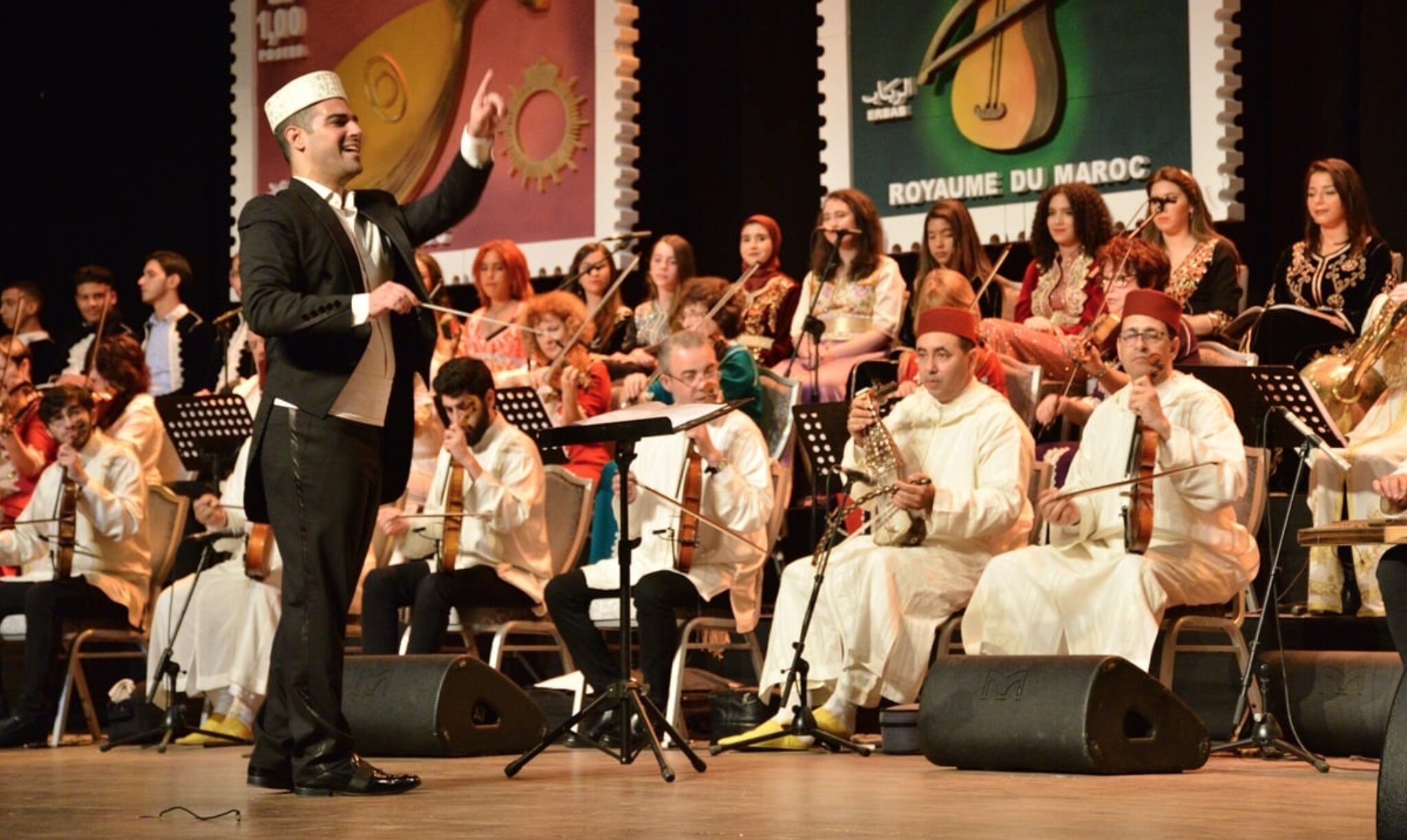
The story of Andalusian Nights: The Poetry of Moroccan Music begins not with an instrument or a rhythm, but with a feeling — a nostalgic echo carried from the golden era of Al-Andalus. In the medinas of Fez, Tetouan, and Chefchaouen, this ancient music lives on, weaving tales of love, loss, and divine beauty. For travelers exploring Morocco, Andalusian music is not just sound — it’s living poetry.
The Roots of Andalusian Nights
Born from the cultural fusion of Muslim Spain and North Africa, Andalusian music arrived in Morocco centuries ago, carried by exiled poets and musicians after the fall of Granada in 1492. These artists found new homes in Moroccan cities like Fez, Meknes, and Rabat, where they preserved their refined musical traditions.
This genre — called “al-ala” in Arabic — blends Arabic poetry, rhythmic complexity, and instrumental elegance. Each performance feels like stepping back into time, where the words of ancient poets come alive through melody and emotion.
-You can learn more about Andalusian classical music and its roots in Al-Andalus on Wikipedia.
The Poetic Instruments of Morocco
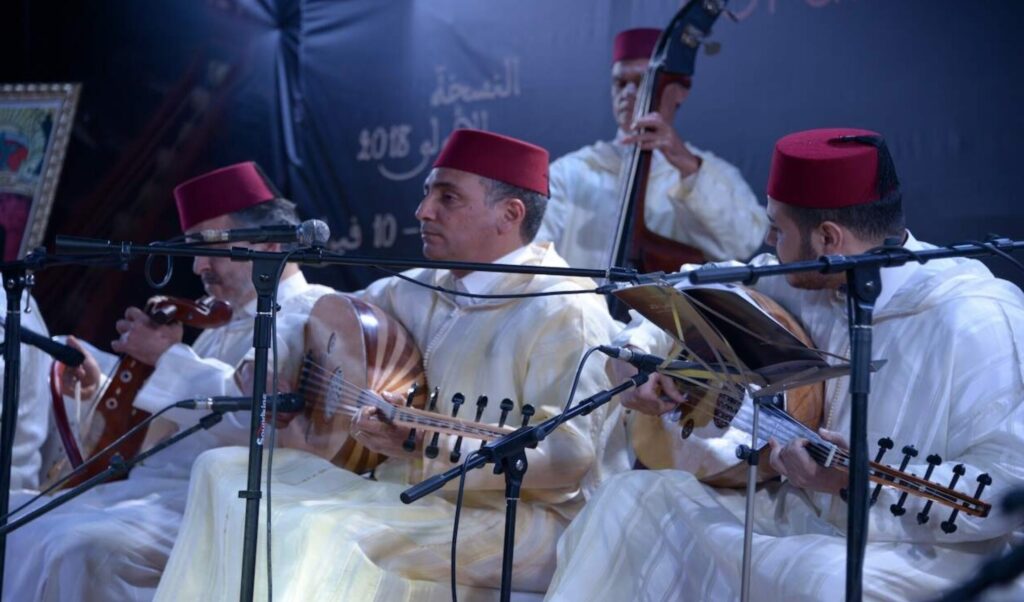
The oud, often called the “grandfather of the guitar,” sets the tone with its deep, mellow resonance. The violin, played upright on the knee, adds tenderness. The qanun, with its shimmering strings, brings in sophistication, while the tar and bendir provide the heartbeat of rhythm.
Every instrument plays a role in this musical tapestry, reflecting Morocco’s multicultural heritage — Arab, Amazigh, and Andalusian influences in harmony.
Where to Experience Andalusian Music in Morocco
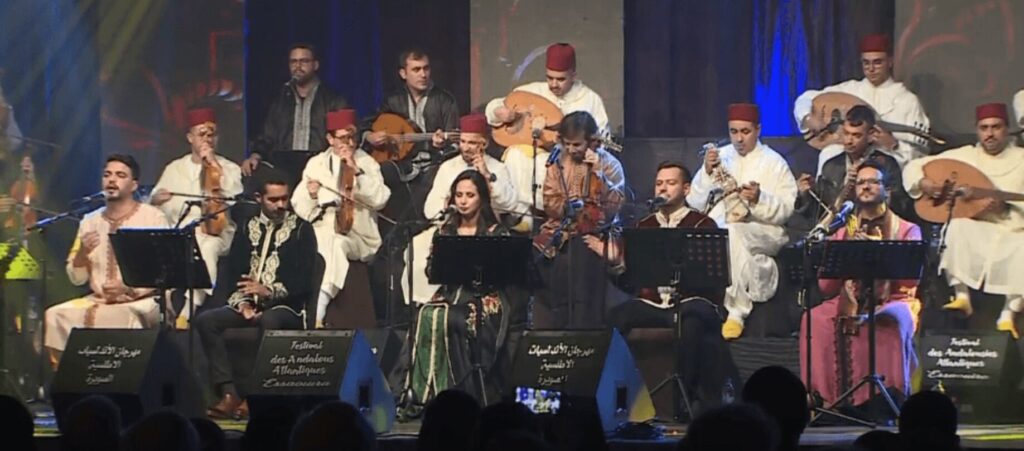
To truly feel the spirit of Andalusian Nights: The Poetry of Moroccan Music, you must experience it live:
Fez Festival of World Sacred Music
Held annually in Fez, this event celebrates spiritual music from around the world. Andalusian orchestras perform beneath the stars in the courtyard of Bab al-Makhina, where music and history merge.
Tetouan and Chefchaouen
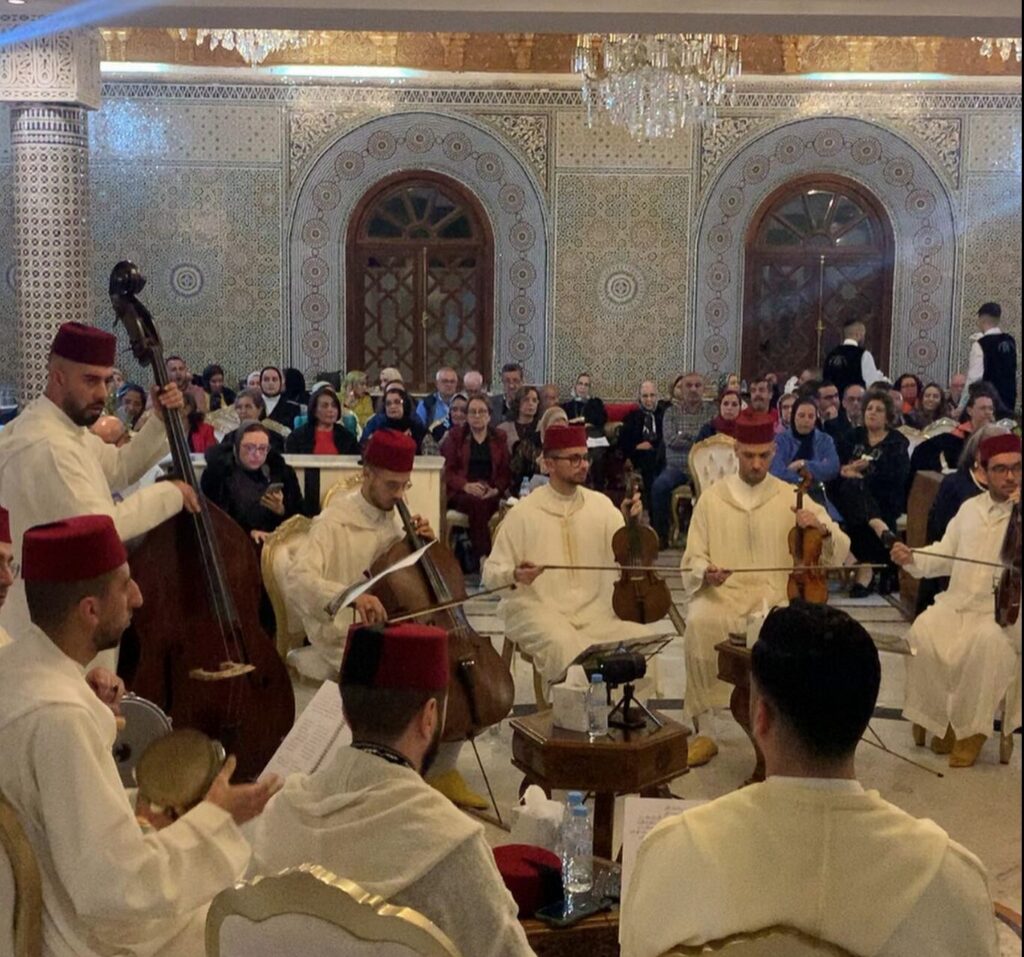
Tetouan, known as “the daughter of Andalusia,” preserves Andalusian culture in its purest form. Here, local nubat ensembles — traditional musical suites — still perform songs that date back centuries. Chefchaouen, with its blue streets and mountain air, offers a more intimate experience, often performed in riads and cultural centers.
Travel Tips & Cultural Insights
- Timing: The best season for music festivals is from May to September.
- Etiquette: When attending performances, remain silent during songs — lyrics are considered sacred poetry.
- Dress: Modest, comfortable attire shows respect in traditional settings.
- Local Insight: Many Moroccans still view Andalusian music as a bridge between earth and spirit — a form of prayer through melody.
A Traveler’s Reflection
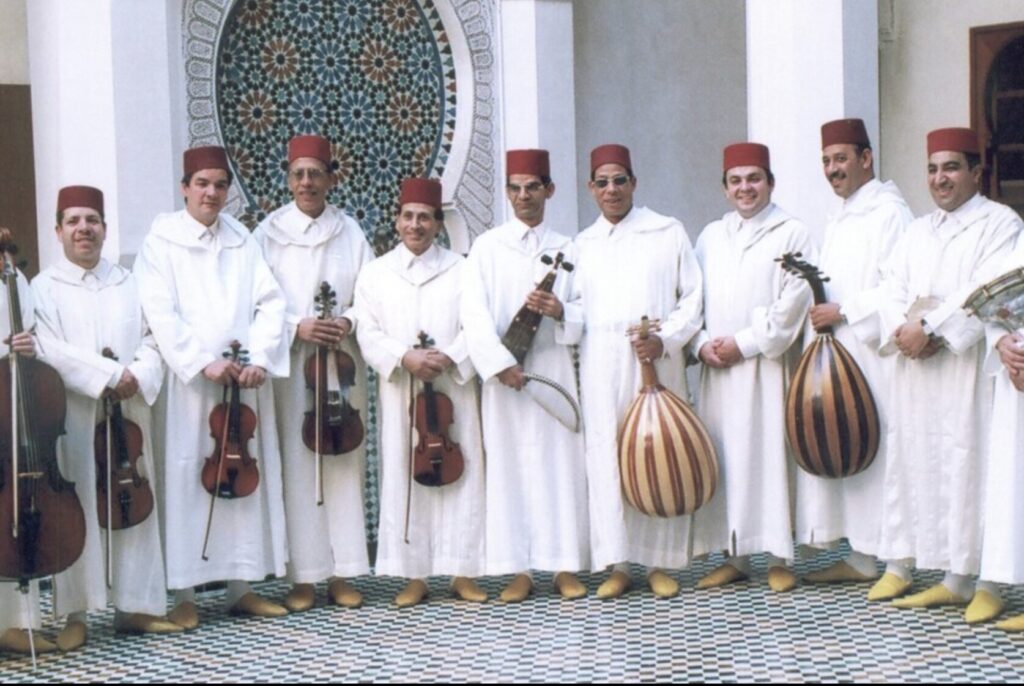
One evening in Fez, I attended an Andalusian concert inside a 14th-century madrasa. The music began softly — a slow heartbeat of the bendir — then the oud joined, followed by voices in unison. I didn’t understand every Arabic word, but I felt the emotion: longing, pride, peace.
A local next to me whispered, “This is not music; it is memory.”
And that’s when I understood — Andalusian Nights: The Poetry of Moroccan Music is more than an art form. It’s Morocco’s soul, sung across centuries.
Seasonal Highlights and Future Recommendations
For future travelers, consider timing your visit with:
- Fez Festival of World Sacred Music (June)
- Tetouan Mediterranean Andalusian Music Festival (July)
- Rabat Mawazine Festival (June) – where Andalusian ensembles sometimes perform alongside modern artists.
Each event offers a glimpse of Morocco’s living heritage — timeless, elegant, emotional.
FAQ: Andalusian Nights
What is Andalusian music?
It’s a classical form of North African music originating from medieval Spain, blending Arabic poetry, rhythm, and melody.
Where can I hear Andalusian music in Morocco?
Fez, Tetouan, Chefchaouen, and Rabat are the main cities where Andalusian orchestras perform regularly.
What instruments are used?
Common instruments include the oud, qanun, violin, rebab, and percussion like the bendir and tar.
Is Andalusian music still popular today?
Yes — it’s taught in conservatories, celebrated in festivals, and cherished by families as part of Morocco’s identity.
Can tourists attend Andalusian music events?
Absolutely! Many concerts are open to the public and held in historic venues.
Conclusion
If Morocco is a poem, Andalusian music is its rhythm — soft yet powerful, ancient yet alive. Whether you’re exploring Fez’s medina or sipping tea in Chefchaouen, let Andalusian Nights: The Poetry of Moroccan Music guide you into the heart of Moroccan soul.