The secret to Morocco’s unforgettable flavor often begins with something simple — the olive. Whether served in bustling souks, elegant riads, or family kitchens, Moroccan marinated olives embody the essence of Moroccan hospitality. Learning how to make authentic Moroccan marinated olives isn’t just about a recipe; it’s a journey through color, culture, and centuries of culinary tradition.
In this guide, we’ll travel through the olive groves of Morocco, explore the art of spice blending, and experience how this humble fruit became a national symbol of taste and togetherness.
A Taste of Morocco: The Story Behind Marinated Olives
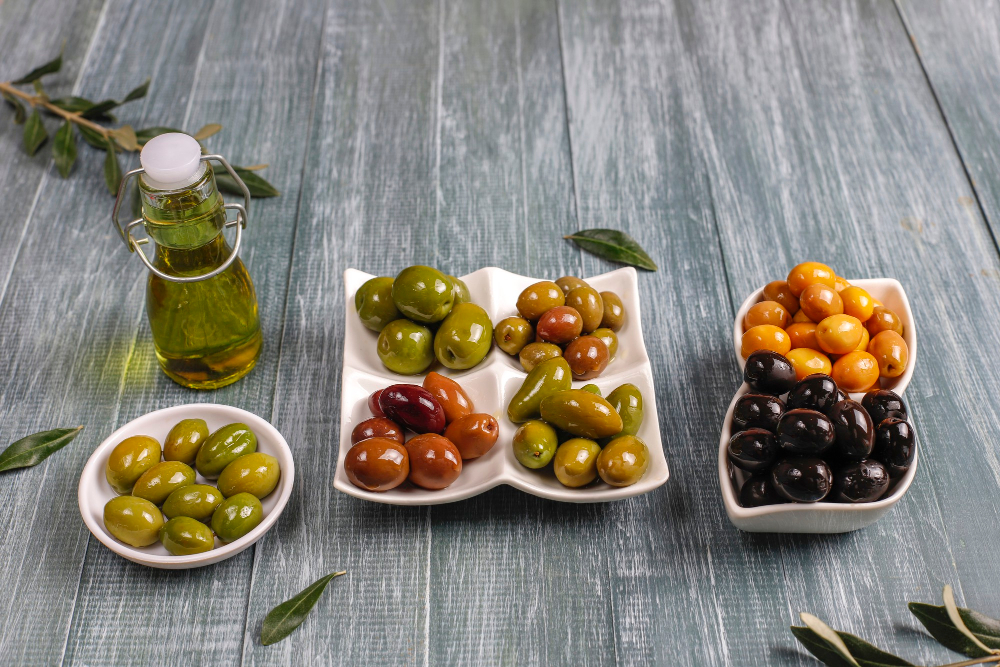
Morocco’s relationship with olives runs deep — centuries deep. The country’s sun-drenched valleys and Mediterranean climate make it one of the world’s top olive producers. You’ll see olive trees lining roadsides, growing near Marrakech, Fès, and throughout the Atlas foothills.
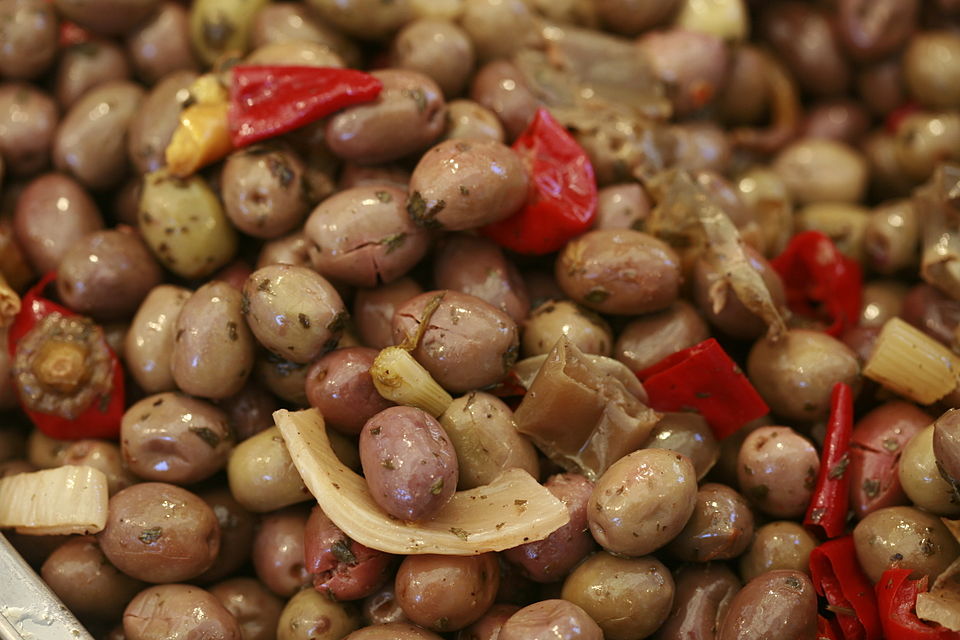
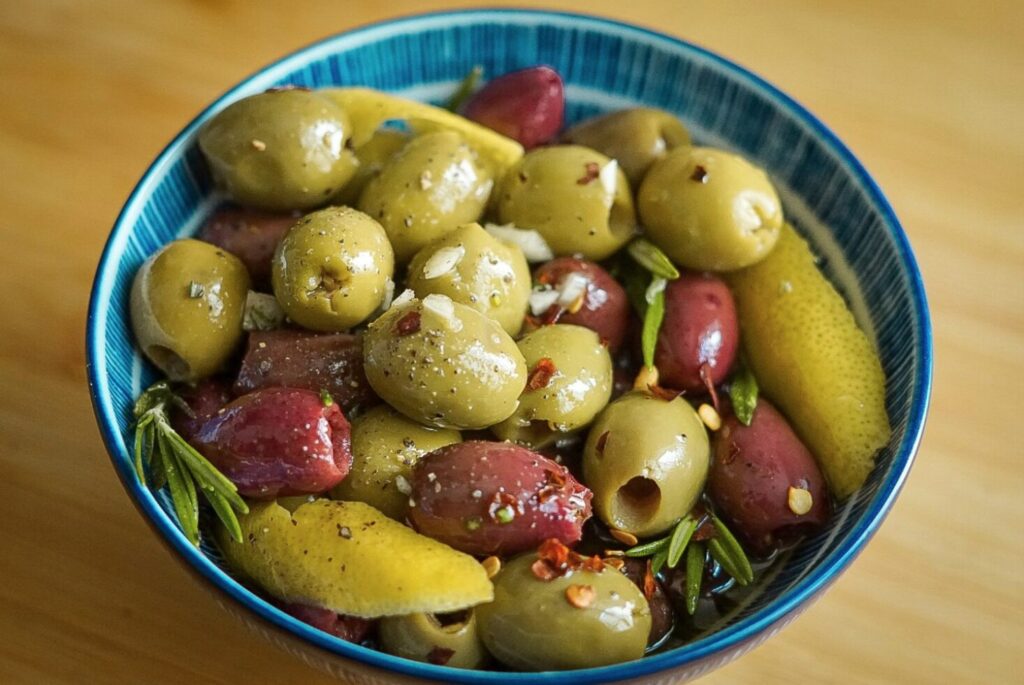
The practice of marinating olives, known locally as Zitoun Mchermel, turns ordinary olives into a burst of flavor — infused with garlic, lemon, chili, preserved lemon, and aromatic herbs. This mix of salty, tangy, and spicy notes mirrors Morocco’s diverse cultural influences — Berber, Arab, Andalusian, and Mediterranean.
To learn how to make authentic Moroccan marinated olives, you need only simple ingredients, patience, and an appreciation for tradition.
How to Make Authentic Moroccan Marinated Olives
Ingredients You’ll Need
- 2 cups of green or mixed olives (with pits preferred)
- 2 cloves of garlic, finely chopped
- 1 preserved lemon, sliced thinly
- 1 tablespoon of paprika
- 1 teaspoon of ground cumin
- 1 teaspoon of crushed chili (optional for heat)
- 2 tablespoons of chopped fresh parsley or coriander
- ½ cup of extra virgin olive oil
- Juice of one fresh lemon
Step-by-Step Preparation
- Rinse and Drain:
Start by rinsing the olives to remove excess brine. Drain them thoroughly. - Mix the Flavors:
In a large bowl, combine garlic, preserved lemon, paprika, cumin, parsley, and chili. - Add the Olives:
Stir the olives into the mixture until evenly coated. - Drizzle and Rest:
Add olive oil and lemon juice. Mix well, then transfer to a jar or airtight container. - Marinate and Wait:
Let the olives marinate for at least 24 hours before serving — a few days if you want richer flavor.
The result? A bold, tangy, spicy appetizer that pairs perfectly with warm bread, grilled meats, or simply enjoyed on its own while admiring a Moroccan sunset.
Where to Taste the Best Marinated Olives in Morocco
If you’re traveling through Morocco, tasting olives where they’re grown and marinated is an experience not to miss. Here are some must-visit destinations where the art of the olive is celebrated.
1. Marrakech – The Spice Capital
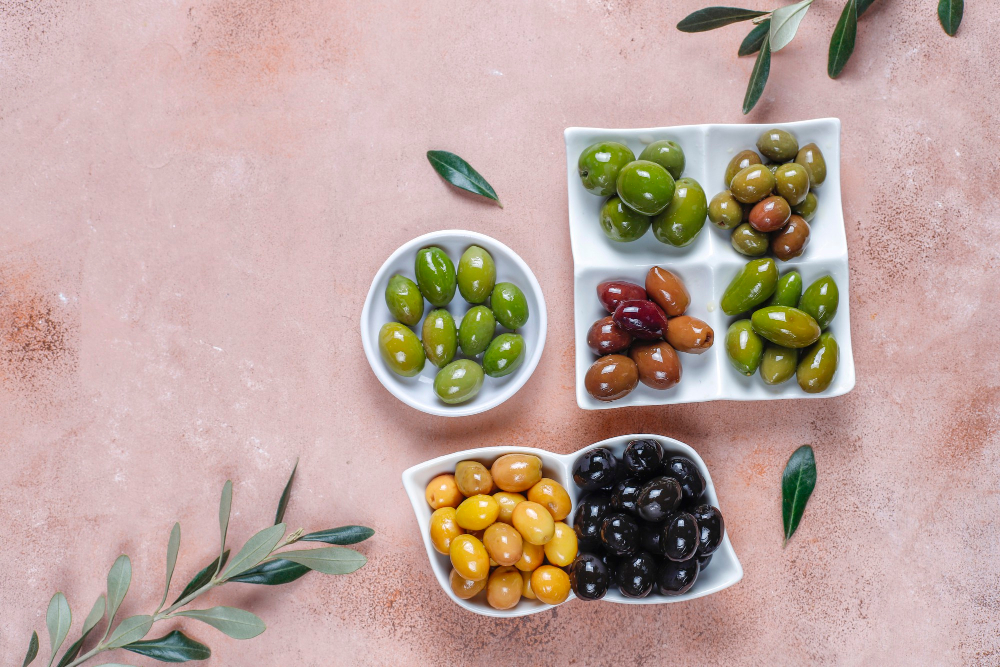
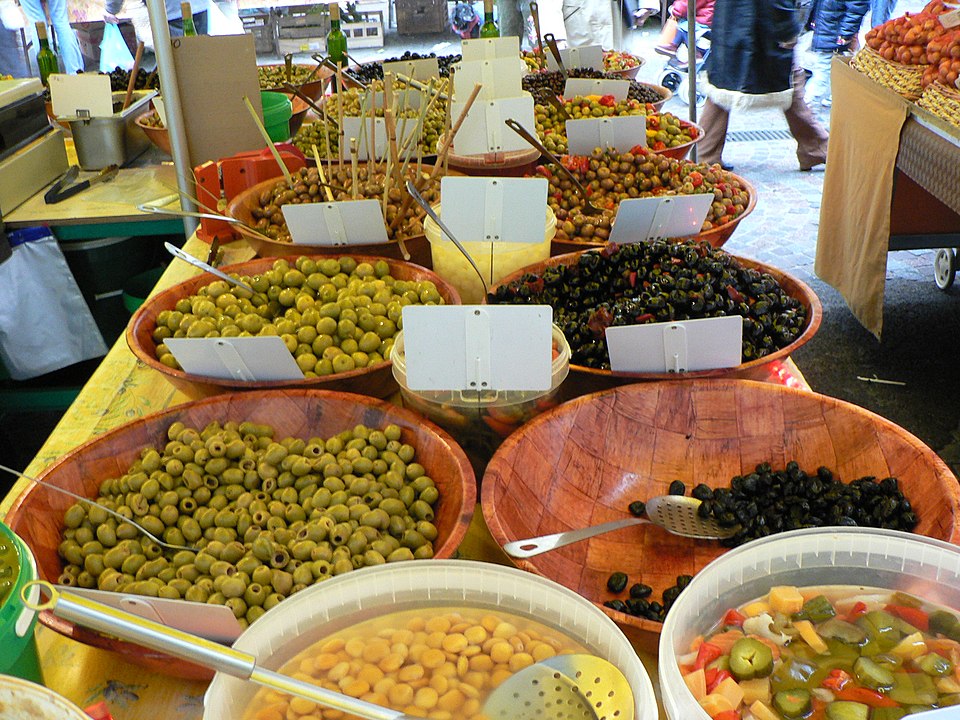
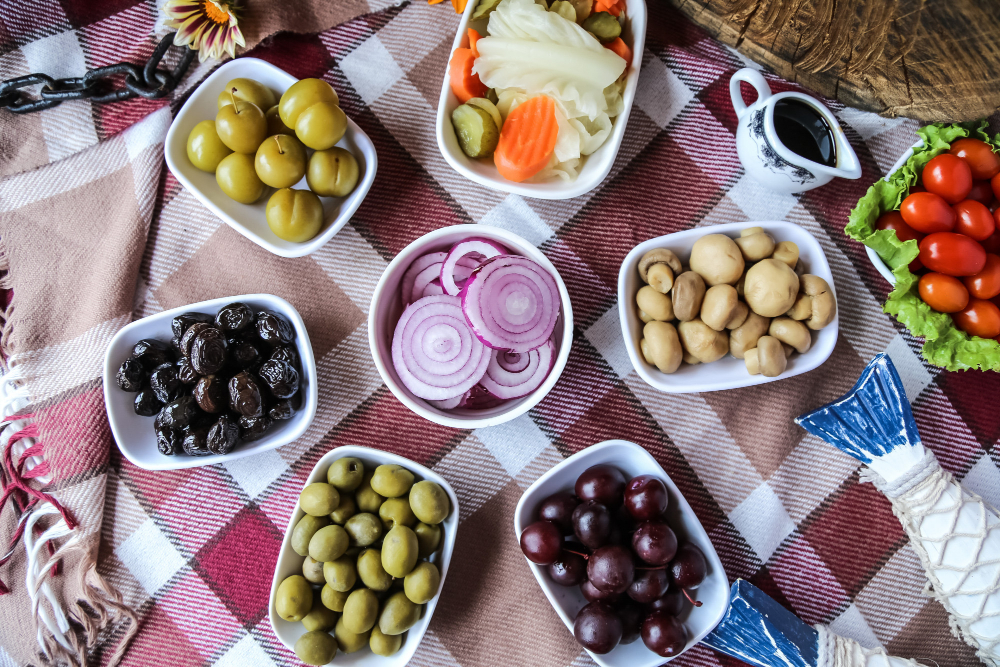
The souks of Marrakech are a sensory explosion — and the olive stalls are among the brightest. Vendors display dozens of varieties: green with lemon, black with harissa, or purple with herbs. Stop by Souk Semmarine and sample marinated olives prepared with family recipes passed down through generations.
2. Meknès – The Olive Capital of Morocco
Often called the “City of Olives,” Meknès is surrounded by lush olive groves. Visiting during the olive harvest (November to January) allows travelers to witness traditional pressing methods and sample freshly marinated varieties. Many cooperatives welcome visitors to taste and learn directly from local producers.
3. Fès – Where Tradition Meets Flavor
In Fès, food tours and cooking workshops often begin with olive tasting. You’ll learn how different regions infuse their own personality into the same basic ingredients — some prefer more lemon, others more chili. Each jar tells a regional story.
Travel Tips and Cultural Insights
1. Respect the Olive Season
If you’re visiting during the olive harvest, you’ll find the freshest marinated olives — especially in November and December. Many markets feature limited seasonal varieties.
2. Try Before You Buy
In Moroccan souks, tasting is encouraged! Vendors will happily let you sample different types before you decide which flavor suits your palate.
3. Learn the Local Words
Knowing a few Arabic words can deepen your connection:
- Zitoun = Olives
- Mchermel = Marinated
- Zitoun Mchermel = Marinated olives
4. Pair with Moroccan Bread
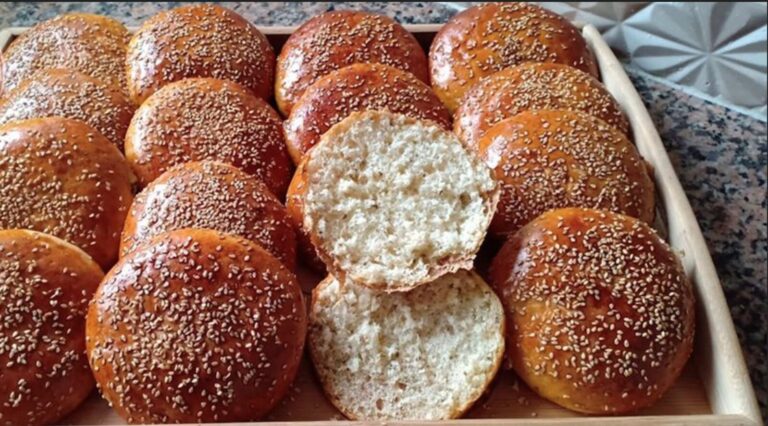
To truly enjoy how to make authentic Moroccan marinated olives, pair them with khobz, the round, crusty bread baked fresh daily. The combination is simple but deeply satisfying.
5. Bring the Flavors Home
Moroccan olives travel well! Packaged in sealed jars, they make excellent gifts — and a delicious reminder of your Moroccan adventure.
Traveler Stories: From Souk to Kitchen
One traveler, Anna from Spain, recalls her experience:
“In Fès, I joined a cooking workshop in a riad. We made Zitoun Mchermel by hand, grinding garlic and spices in a traditional mehraz. The aroma filled the courtyard. When I tasted the olives the next day, I realized I wasn’t just eating food — I was tasting Morocco’s history.”
Another visitor, Karim from Canada, shared:
“In Meknès, I spent a morning with a farmer’s family. We picked olives, pressed them, and later marinated them with lemon and chili. It was one of the most grounding experiences of my life.”
These stories reveal that learning how to make authentic Moroccan marinated olives is also about discovering the Moroccan way of life — patient, warm, and full of flavor.
Seasonal Highlights and When to Visit
The best time to explore Morocco’s olive culture depends on what you want to experience:
- Autumn (October–December): Olive harvest season. You can witness the picking, pressing, and first marination processes.
- Spring (March–May): Perfect for cooking classes and culinary tours, with mild weather and blooming landscapes.
- Winter (December–February): Ideal for tasting rich, aged marinated olives, paired with warm Moroccan soups and breads.
Many tours combine olive farm visits with nearby historical sites — such as Volubilis, an ancient Roman city near Meknès — offering a blend of flavor and history.
FAQ – Moroccan Marinated Olives
How do you make authentic Moroccan marinated olives?
The process involves marinating green or black olives with garlic, preserved lemon, paprika, cumin, parsley, and olive oil. The olives are left to rest for at least 24 hours to absorb the flavors.
Where can I buy Moroccan marinated olives?
You can find them in Moroccan markets, grocery stores, or directly from olive farms. Many shops in Marrakech and Fès sell authentic varieties packed for travel.
What makes Moroccan marinated olives unique?
The use of preserved lemon, bold spices, and fresh herbs sets them apart. Each region adds its own twist, creating endless variations.
Can I make them at home?
Absolutely! You only need a few simple ingredients. The key is patience — let them marinate long enough to develop deep, complex flavors.
Are Moroccan olives spicy?
They can be! Some versions include chili or harissa for heat, but you can adjust the spice level to your taste.
Conclusion: A Flavor Worth Traveling For
Learning how to make authentic Moroccan marinated olives isn’t just about mastering a recipe — it’s an invitation to slow down and savor Morocco’s rhythm of life. Each olive tells a story of sun, soil, and tradition.
When you wander through Moroccan markets or sit at a family table, you’ll notice that olives are always there — before the meal, during conversations, and even as farewells. They symbolize hospitality, friendship, and the Moroccan art of enjoying the moment.
So, whether you’re traveling through the olive groves of Meknès or preparing your own Zitoun Mchermel at home, remember: Morocco’s most beautiful experiences often begin with simple pleasures.