When you stroll through Moroccan streets in the early morning, you’re greeted by the irresistible aroma of freshly baked bread — soft, warm, and slightly smoky. Among Morocco’s many traditional breads, one stands out for its simplicity and versatility: Batbout – Moroccan Pita Bread Recipe.
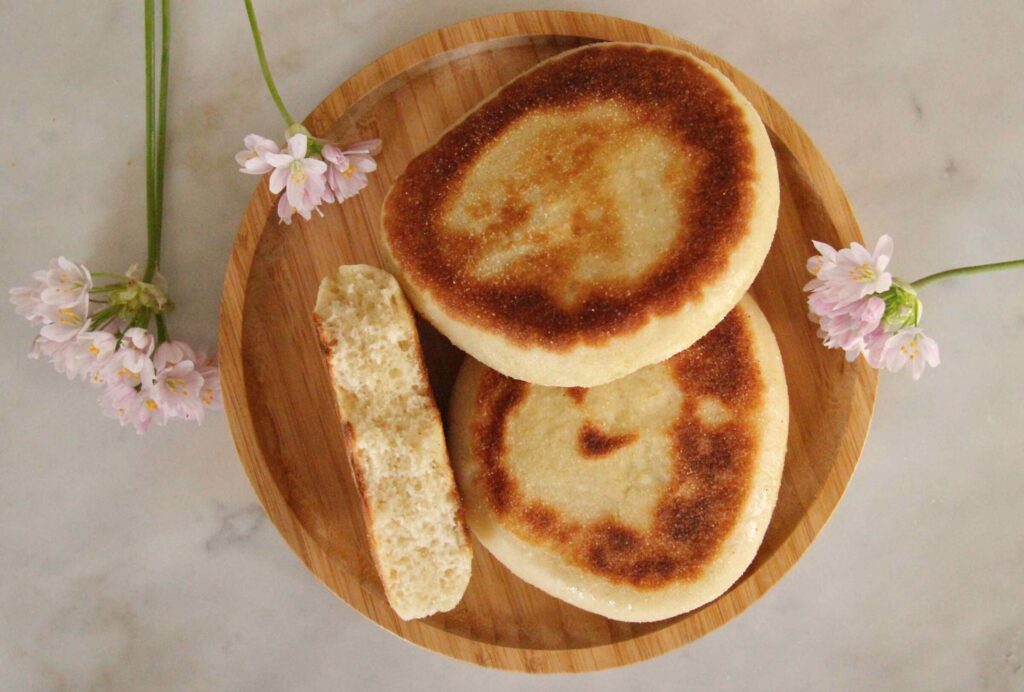
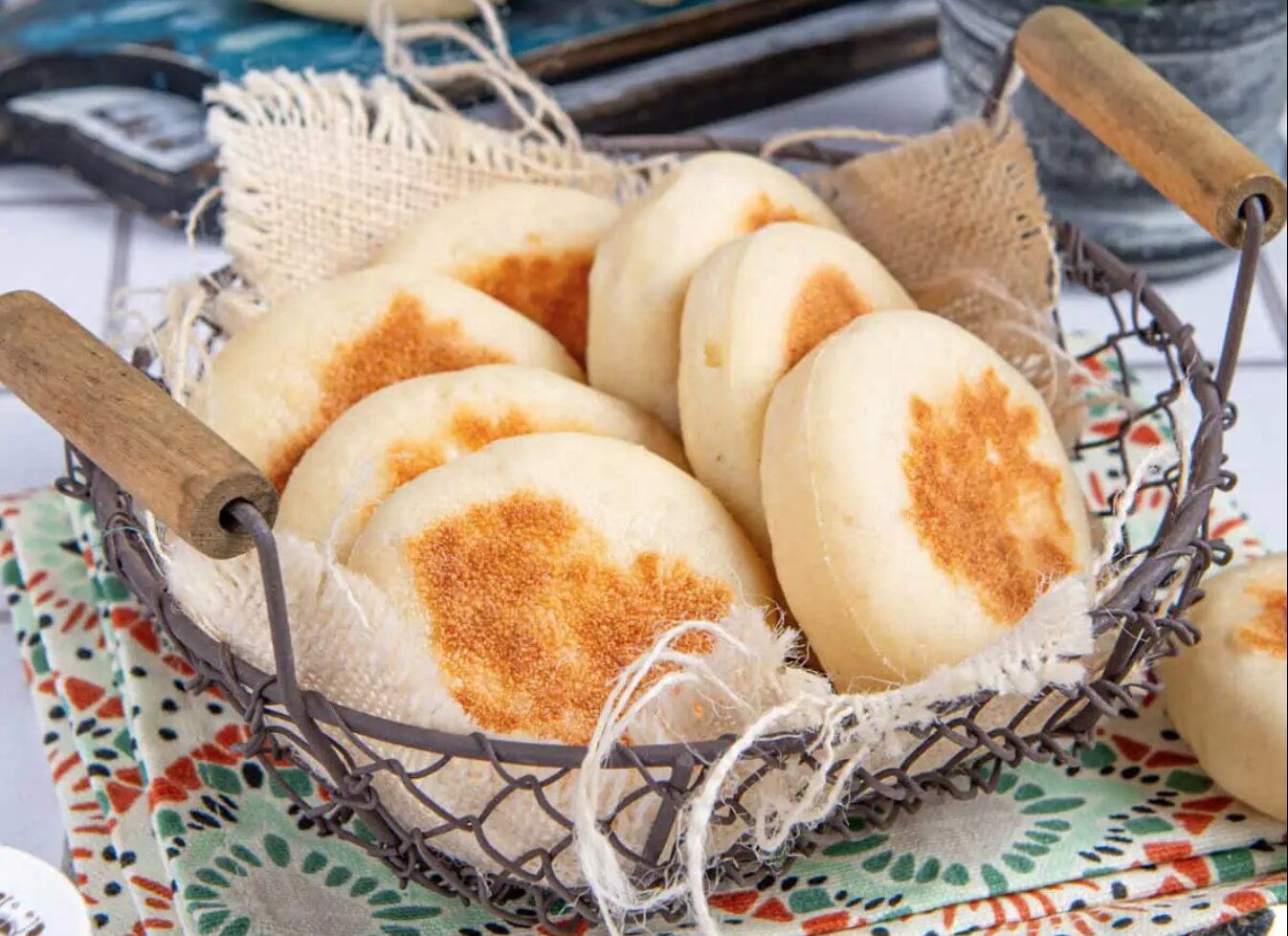
Known as the Moroccan version of pita, Batbout is a small, round, and pillowy flatbread that puffs up beautifully when cooked on a pan. It’s a daily staple in Moroccan homes, enjoyed with honey and butter for breakfast or stuffed with savory fillings like kefta, tuna, or vegetables for lunch. This delicious bread captures Morocco’s unique blend of tradition, hospitality, and creativity.
A Taste of Tradition: The Story Behind Batbout
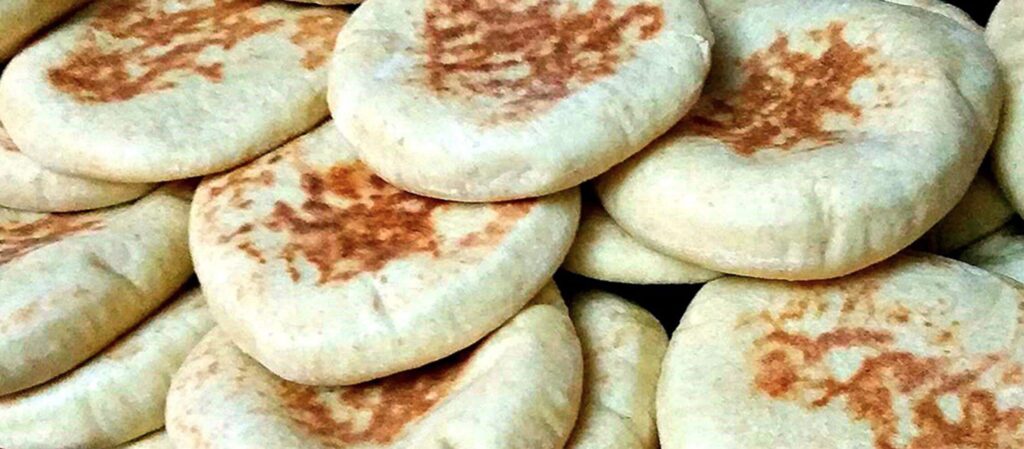
The Humble Origins of Batbout
Batbout has humble roots — it was born out of practicality. Unlike oven-baked bread such as khobz, Batbout is cooked on a pan or tajine, making it ideal for nomadic lifestyles and regions without traditional ovens.
Across Morocco, from the bustling medinas of Marrakech to the coastal breeze of Essaouira , Batbout is beloved for its adaptability. It’s not just a bread — it’s a companion to Moroccan life. Families prepare it for picnics, Ramadan iftars, and casual tea gatherings.
Texture and Taste
What makes Batbout special is its soft yet chewy texture and its mild flavor, which pairs beautifully with both sweet and savory toppings. When cooked on a hot pan, the dough inflates into a pocket — ready to be filled or dipped.
Some versions of Batbout are made with semolina for a slightly crunchy edge, while others use only white flour for a soft and tender bite.
How Batbout Is Made: A Culinary Journey
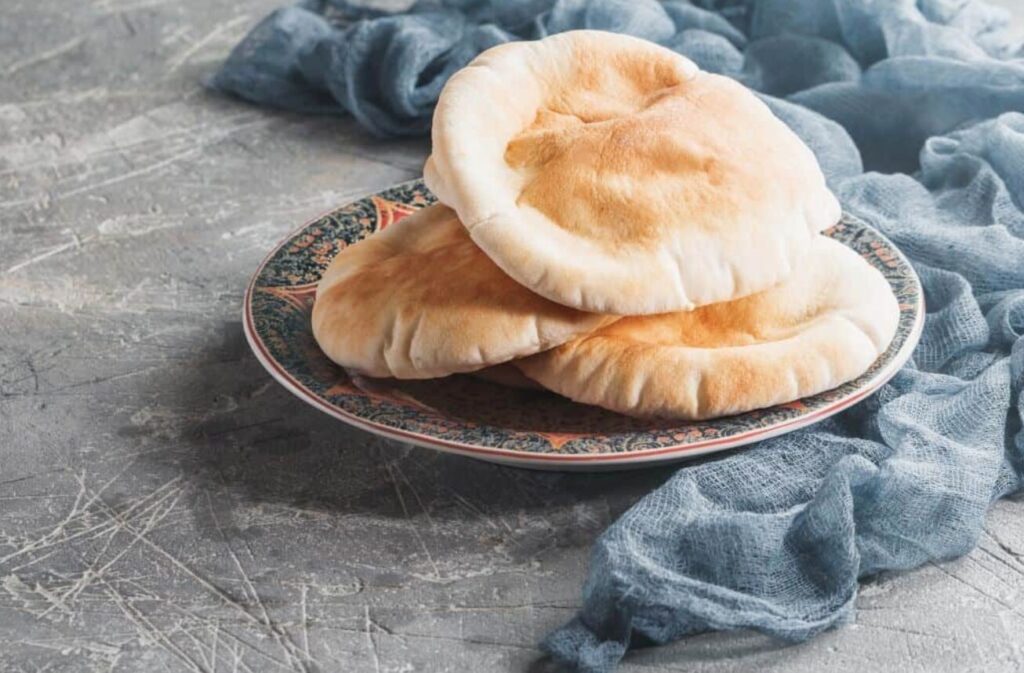
Simple Ingredients, Big Flavor
The beauty of Batbout lies in its simplicity. You only need a few pantry staples:
- 2 cups flour
- 1 cup fine semolina (optional)
- 1 teaspoon salt
- 1 tablespoon sugar (optional)
- 1 teaspoon yeast
- Warm water for kneading
After mixing and kneading, the dough rests until it doubles in size. It’s then rolled out and cut into small rounds before being cooked on a hot, dry pan until golden on both sides. The puffing process is what makes Batbout magical — each piece inflates like a balloon, revealing a pocket inside perfect for stuffing.
Modern Variations
While traditional Batbout is plain, modern Moroccan cooks experiment with flavors. You might find Batbout bel khodra (with vegetables), Batbout b’lfermaj (with cheese), or mini Batbout stuffed with spicy fillings served as appetizers at celebrations.
The Cultural Side of Batbout
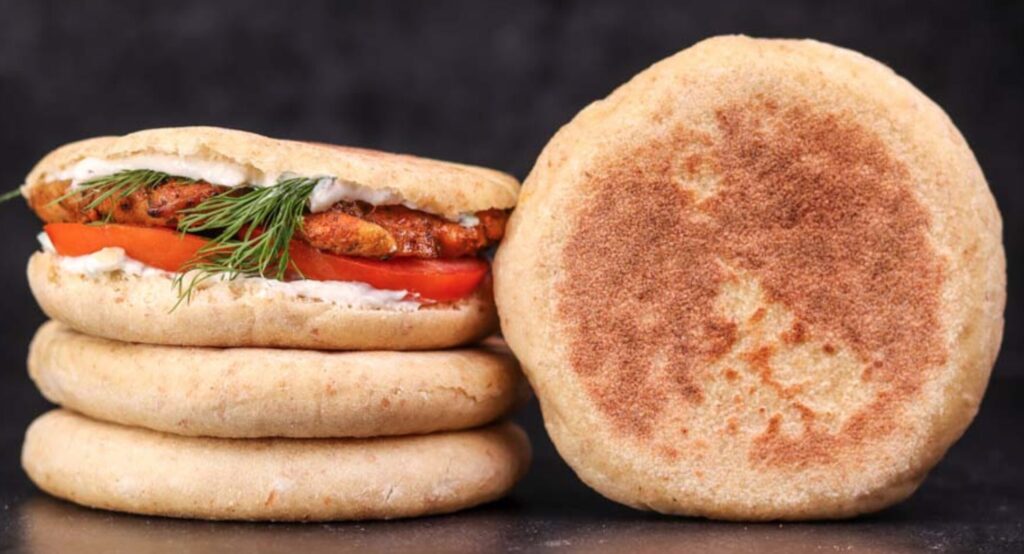
More Than Bread – A Symbol of Sharing
In Morocco, bread is sacred. It’s never thrown away, and it’s treated with deep respect. Batbout, like all Moroccan breads, reflects the culture’s emphasis on sharing and hospitality.
Families gather around the table to share Batbout with olive oil, amlu (a blend of almonds, honey, and argan oil), or Moroccan mint tea. This moment — simple yet heartfelt — captures the warmth of Moroccan daily life.
Regional Differences
While Batbout is enjoyed across the country, each region has its twist. In the north, it’s often smaller and thicker. In the south, cooks might mix in barley or semolina for texture. Urban families prepare mini Batbouts for sandwiches, while rural households make larger ones for family meals.
Travel Experiences: Discovering Batbout Across Morocco

If you’re traveling through Morocco, you’ll encounter Batbout almost everywhere.
- In Marrakech, you’ll find street vendors selling warm Batbout filled with spiced kefta and onions — a perfect on-the-go meal.
- In Fes, bakers serve Batbout alongside local cheese and olives during breakfast.
- In Casablanca, cafés offer gourmet versions stuffed with tuna, eggs, and harissa.
Travelers often describe their first bite of Batbout as a revelation — familiar like pita, yet uniquely Moroccan in taste and aroma.
Cooking Batbout at Home – A Traveler’s Souvenir
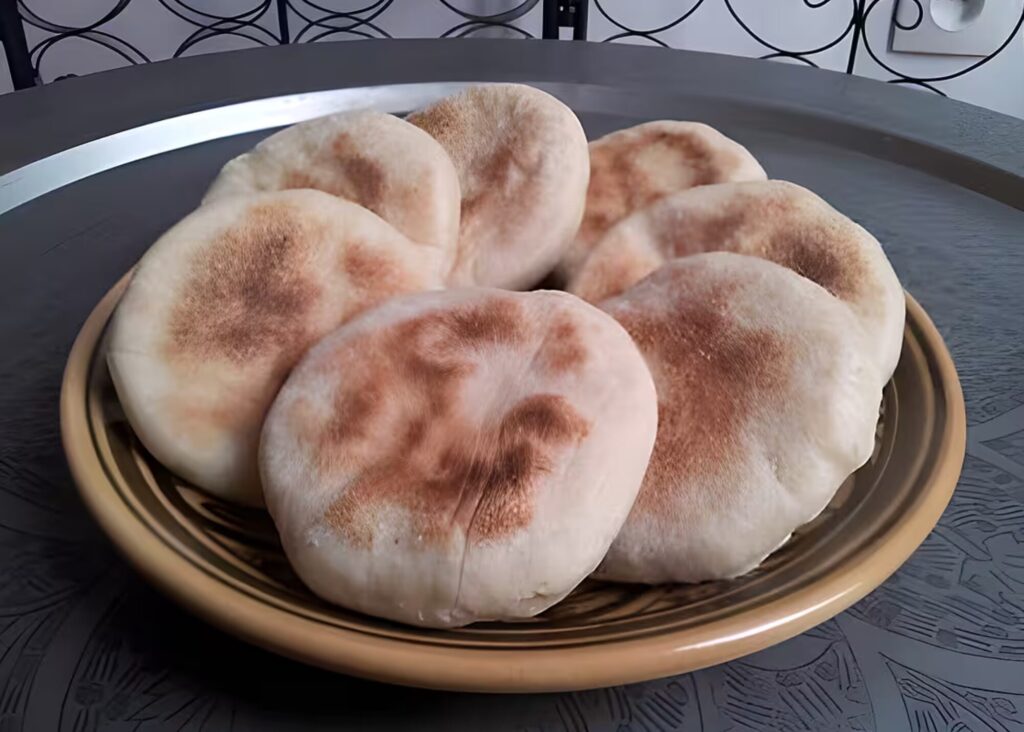
Many visitors fall in love with Batbout and decide to recreate it once they return home. It’s surprisingly easy to make, and the process brings back warm memories of Moroccan hospitality.
When making Batbout at home:
- Use a cast-iron pan or tajine for authentic flavor.
- Brush with a little butter or olive oil after cooking for a soft finish.
- Serve warm with honey and butter for breakfast, or stuff with grilled vegetables and cheese for lunch.
Making Batbout is more than cooking — it’s reliving a cultural experience.
Seasonal and Travel Recommendations
Batbout isn’t tied to a particular season, but you’ll notice it plays a starring role during Ramadan, when it’s served at iftar alongside soups and tagines.
If you visit Morocco during Ramadan, you’ll see bakery windows filled with rows of Batbout and hear the rhythmic sound of pans sizzling just before sunset.
During other times of the year, Batbout makes a delightful addition to picnics, hikes, and road trips — proof that Moroccan food always travels well.
FAQ – All About Batbout – Moroccan Pita Bread Recipe
What is Batbout?
Batbout is a type of Moroccan pita bread, cooked on a pan rather than baked in an oven. It’s soft, fluffy, and can be eaten plain or stuffed with various fillings.
Is Batbout the same as pita bread?
While similar to Middle Eastern pita, Batbout is typically softer and cooked on a stovetop. The texture and flavor are uniquely Moroccan.
What can I eat with Batbout?
You can enjoy Batbout with honey and butter, olive oil, cheese, or stuffed with savory ingredients like kefta, tuna, or eggplant.
Can I freeze Batbout?
Yes! Batbout freezes well. Store them in a sealed bag and reheat in a pan or toaster before serving.
Where can I try authentic Batbout in Morocco?
You’ll find Batbout in traditional bakeries, local markets, and street food stalls in cities like Marrakech, Fes, and Casablanca.
Conclusion
The Batbout – Moroccan Pita Bread Recipe is more than a culinary delight — it’s a reflection of Morocco’s warmth, creativity, and hospitality. Whether you’re enjoying it with mint tea in a riad courtyard or cooking it at home, Batbout connects you to the soul of Moroccan daily life.
So next time you plan a trip to Morocco, don’t just explore the architecture and landscapes — taste the culture, one Batbout at a time.
– Plan your Moroccan culinary journey with Skies of Morocco and discover the flavors that define this beautiful country.