Every November 6th, the streets of Morocco fill with pride, flags, and the sound of unity. Celebrating the Green March: Morocco’s Day of Unity and Pride is more than just a national holiday — it is a living memory of peaceful resistance and a deep connection between the Moroccan people and their land.
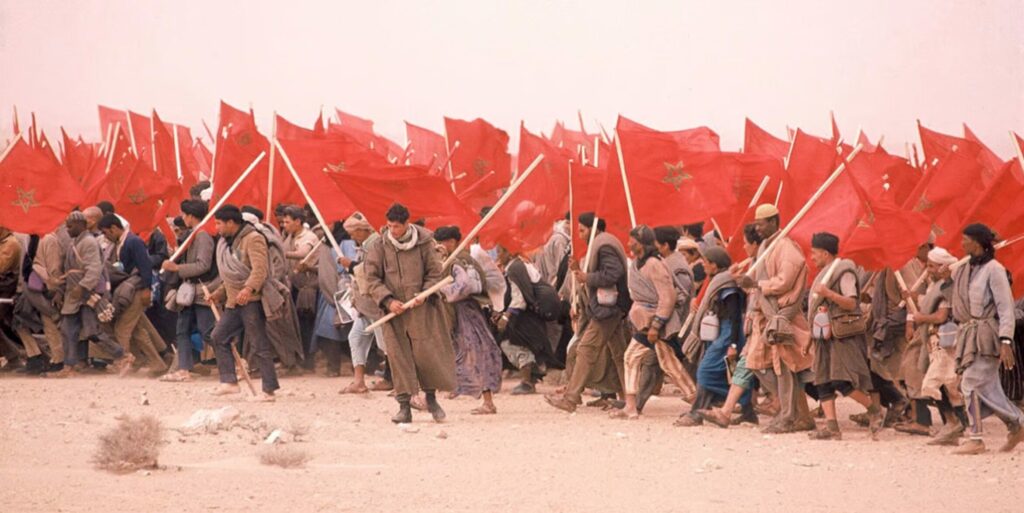
The Green March, which took place in 1975, remains one of the most remarkable peaceful movements in modern history. Over 350,000 Moroccan volunteers marched southward carrying only flags, Qur’ans, and an unbreakable sense of belonging — reclaiming the Moroccan Sahara without violence. Today, the event continues to inspire generations, symbolizing Morocco’s unity, patriotism, and hope.
The Origins of the Green March
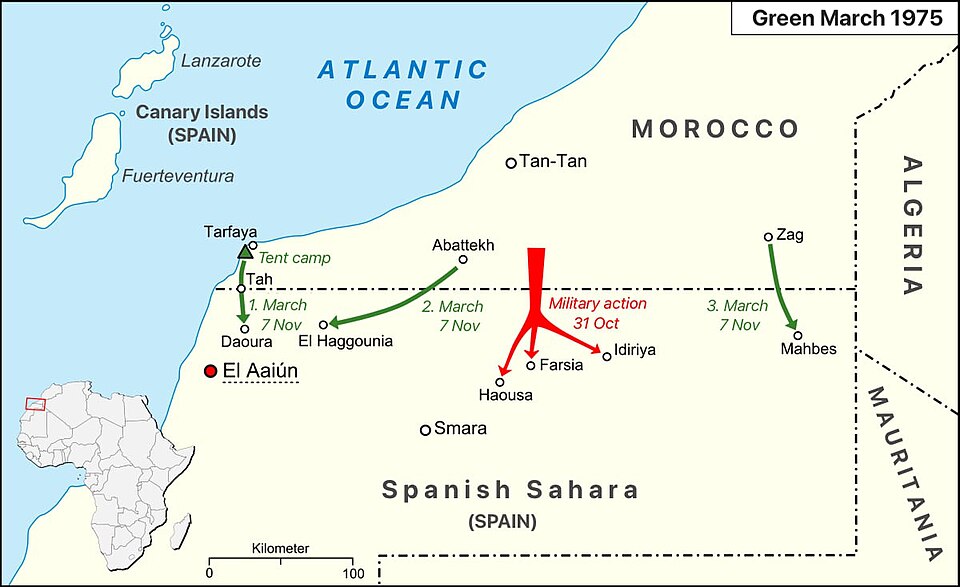
On November 6, 1975, King Hassan II made a historic call to his people. He invited men and women from all corners of Morocco to participate in a peaceful march toward the Sahara region, then under Spanish control. The goal was to affirm Morocco’s rightful sovereignty over its southern territories through a movement of peace and faith rather than conflict.
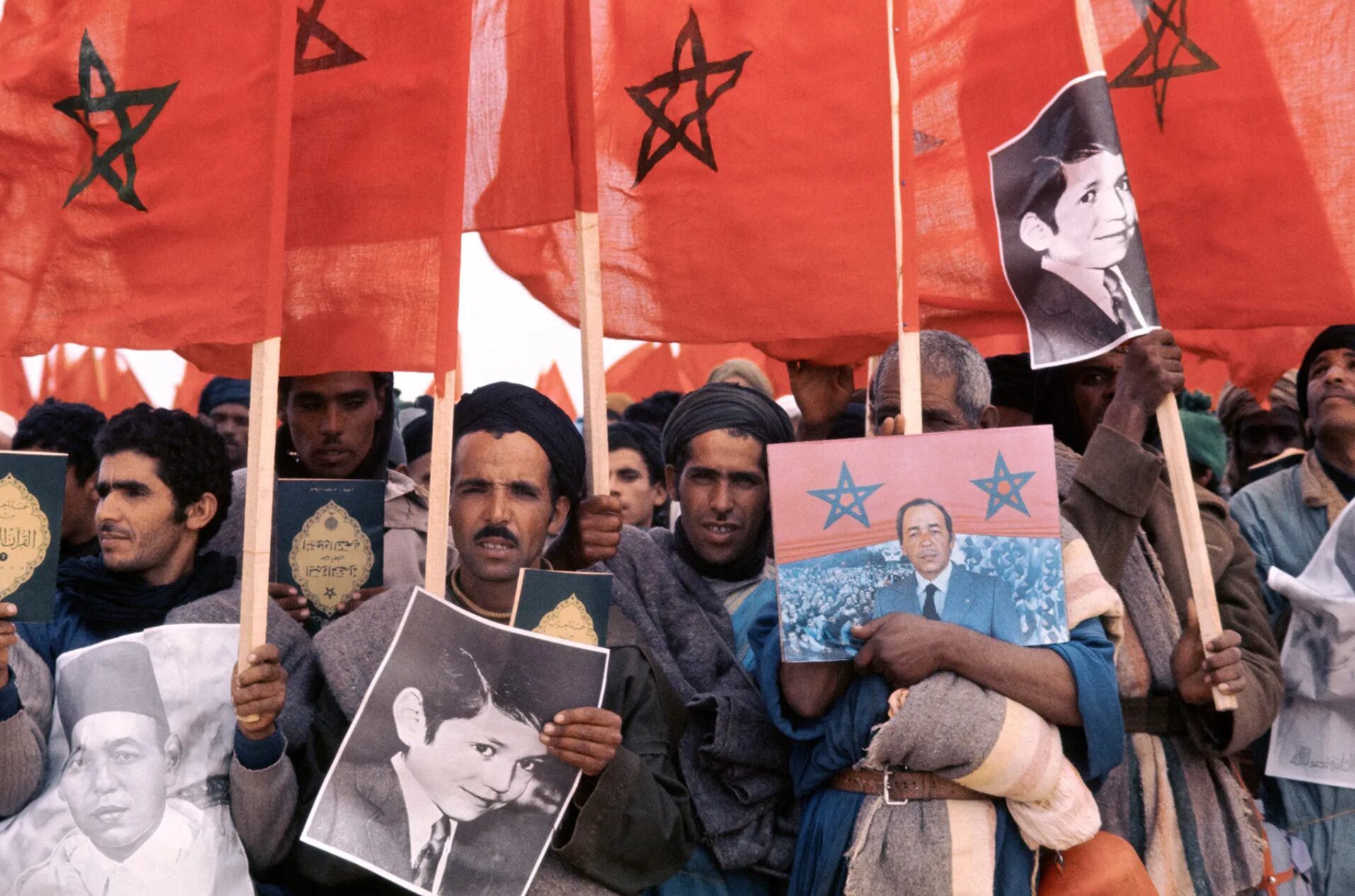
Over 350,000 citizens, including farmers, teachers, elders, and students, responded. They marched waving Moroccan flags, holding portraits of the King, and reciting verses from the Qur’an — embodying unity, courage, and devotion to the nation.
This remarkable event not only reshaped Morocco’s modern history but also became a symbol of how faith and solidarity could achieve monumental change without war. Today, the Green March stands alongside Morocco’s Independence Day as a cornerstone of national pride.
(You can learn more about the event’s historical context on Wikipedia: Green March.)
Section 1 – The Meaning Behind the Green March
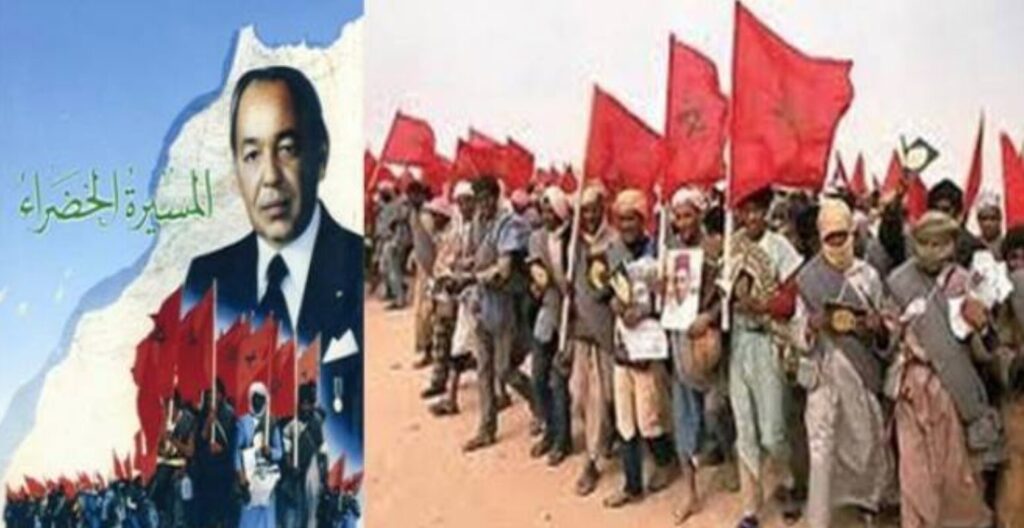
The Green March represents more than a territorial claim — it is a reflection of Moroccan identity. Its colors, symbols, and messages still resonate throughout the nation. “Green” was chosen for its deep spiritual meaning in Islam, symbolizing peace, growth, and life.
The march demonstrated the unbreakable bond between the Moroccan people and their monarch, uniting citizens from all regions and backgrounds under one flag. It was a statement to the world: Morocco’s power lies in its unity, faith, and shared destiny.
Each year, schools, universities, and public institutions across Morocco organize lectures, parades, and art events to remind younger generations of this peaceful victory.
Section 2 – Experiencing the Green March Celebrations
If you happen to be in Morocco around November 6, you’ll witness a unique blend of patriotism and festivity. Across cities like Casablanca, Marrakech, Agadir, and especially in the southern regions such as Laâyoune and Dakhla, celebrations fill the air.
- Flag Parades: Young students and scouts carry the Moroccan flag through main streets while chanting national songs.
- Musical Performances: Traditional Gnawa, Ahouach, and Aita music performances honor the spirit of unity.
- Fireworks and Light Shows: Especially in Laâyoune, the capital of the Moroccan Sahara, where massive gatherings commemorate the day.
- Historical Exhibitions: Museums and cultural centers display photographs, documents, and testimonies from those who participated in the original march.
For travelers, it’s an ideal opportunity to experience the patriotic heartbeat of Morocco — a time when the entire country stands together as one.
Section 3 – Travel Tips and Cultural Insights
If you plan to visit Morocco during the Green March period, here are a few helpful insights to make your trip more memorable:
- Best Places to Visit During the Green March:
- Laâyoune: The center of the original march’s destination, filled with historical landmarks and cultural pride.
- Marrakech and Rabat: Major cities host parades, educational events, and concerts celebrating Moroccan unity.
- Respect Local Traditions:
This is a deeply emotional holiday for Moroccans. Show respect by joining public events with enthusiasm and learning a few Arabic phrases like “Tahya Al-Maghrib!” (Long live Morocco!). - Join the Festivities:
Many local communities welcome visitors to join their celebrations, from street parades to musical nights. - Learn About the Sahara:
Extend your trip to discover the Moroccan Sahara’s stunning beauty — dunes of Merzouga, the peaceful town of Dakhla, and the hospitality of Sahrawi families.
For more background about Morocco’s geography and culture, explore Wikipedia: Geography of Morocco.
Section 4 – Stories of the March: Voices of Courage
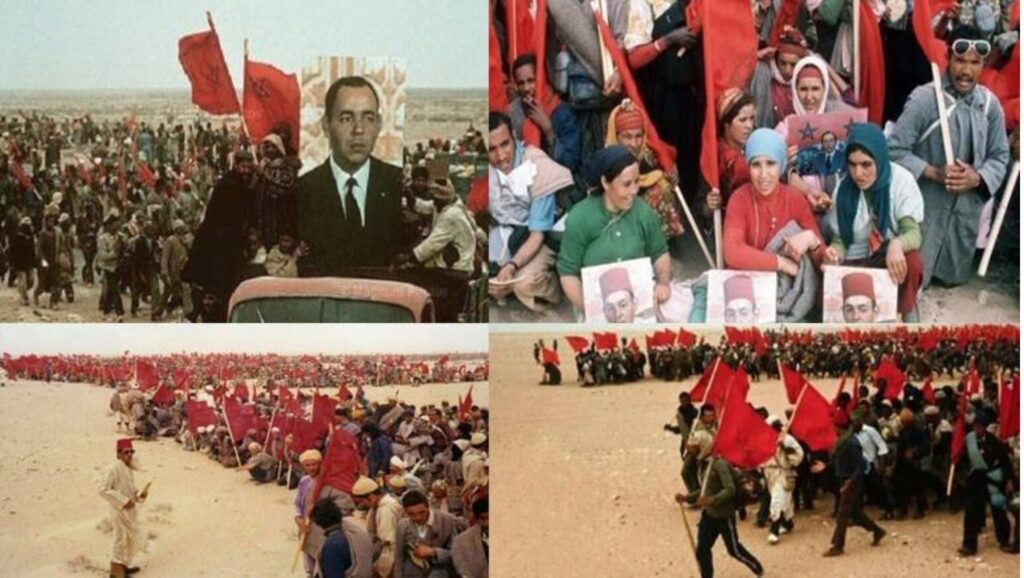
Throughout the decades, thousands of Moroccans have passed down stories of how the Green March united the entire country. Families from Fes, Meknes, and Agadir sent representatives — fathers, sons, and daughters — to walk peacefully toward the Sahara, carrying the Moroccan flag with pride.
Many participants recall sleeping under the desert stars, praying together, and feeling an incredible sense of national solidarity. The march was not just a journey across land — it was a journey of faith, courage, and love for Morocco.
Travelers today often find that locals are eager to share these personal stories. Sitting in a café or riad, you might hear firsthand accounts from families whose parents joined the historic march — moments that make the country’s history come alive in a deeply human way.
Section 5 – Looking Ahead: The Green March Today and Tomorrow
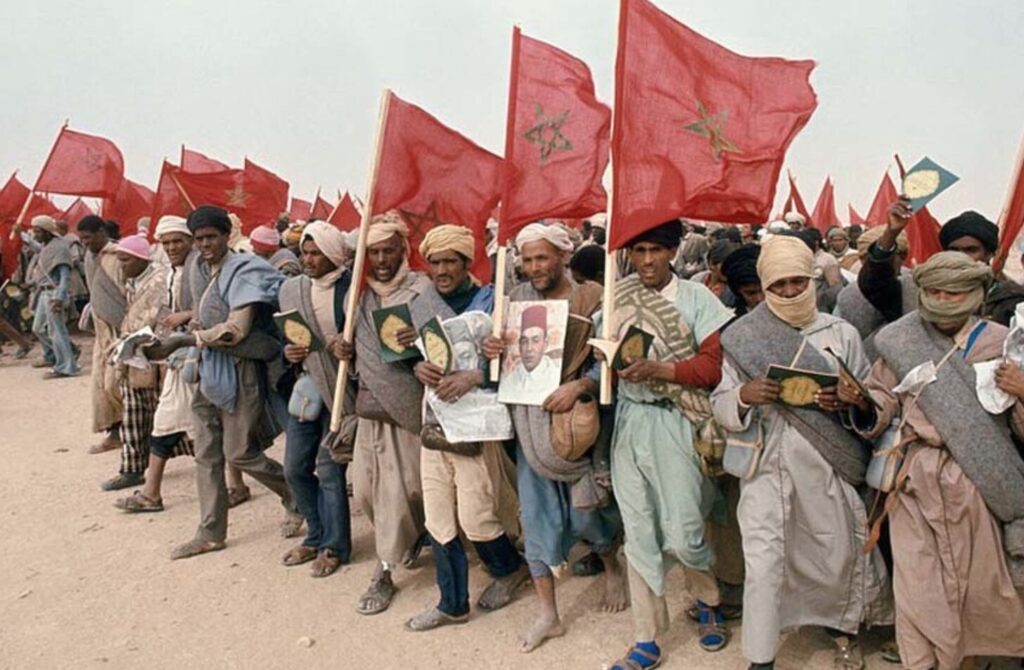
Today, the Green March remains a pillar of Morocco’s national identity. It is celebrated not only as a memory but as a source of inspiration for Morocco’s future — especially in areas of unity, peace, and sustainable development.
Modern Morocco honors the spirit of the march through continuous investment in the southern provinces, building new infrastructure, schools, and cultural centers. These regions have become vibrant travel destinations showcasing the beauty of Moroccan diversity and progress.
For future travelers, planning a trip around November 6 offers the chance to experience Morocco’s pride firsthand — through parades, art, and the genuine hospitality of its people.
FAQ: Celebrating the Green March: Morocco’s Day of Unity and Pride
1. What is the Green March in Morocco?
The Green March was a peaceful demonstration in 1975, when over 350,000 Moroccans marched to reclaim the Sahara from Spanish control under King Hassan II’s leadership.
2. When is the Green March celebrated?
The Green March is celebrated every year on November 6, marking the anniversary of the historic event.
3. Where can I experience the best Green March celebrations?
The most vibrant celebrations take place in Laâyoune, Dakhla, and major cities like Rabat and Casablanca, featuring parades, music, and national events.
4. Is the Green March a good time to visit Morocco?
Yes! The weather is mild, the atmosphere is festive, and travelers get to experience authentic Moroccan patriotism and culture.
5. What does the Green March symbolize for Moroccans today?
It stands as a symbol of peaceful unity, faith, and loyalty — values that continue to guide Morocco’s path forward.
Conclusion
The Green March is more than a historical event — it’s a living story that unites Moroccans in their shared pride and peaceful spirit. For travelers, Celebrating the Green March: Morocco’s Day of Unity and Pride offers a window into the Moroccan soul — where history, hope, and humanity meet.
Whether you stand in the streets of Laâyoune watching parades, or sip mint tea in a Marrakech café listening to stories of the past, you’ll feel the heartbeat of Morocco’s unity echoing around you.
–Plan your visit this November and witness how the Green March continues to inspire a nation — and everyone who experiences it.