The Day of Ashura in Morocco – Religious Meaning and Traditions is a fascinating blend of faith, culture, and celebration. While Ashura is a sacred day observed throughout the Islamic world, Morocco gives it a unique flavor, weaving together spirituality and joyful customs that reflect the country’s vibrant identity. For travelers, Ashura is not only an opportunity to witness the religious side of Moroccan life but also to experience cultural rituals, music, and traditional foods that bring communities together.
The Significance of Ashura in Islam
Ashura, the 10th day of Muharram in the Islamic calendar, holds deep religious meaning. For Muslims worldwide, it is associated with important historical events, such as the deliverance of Prophet Moses from Pharaoh’s tyranny and the martyrdom of Imam Hussein in Karbala. In Morocco, the day is marked with fasting, prayer, charity, and family gatherings.
According to Islamic history, the day reminds believers of sacrifice, resilience, and devotion. Moroccan Muslims observe it with both solemn religious acts and cultural traditions passed down for generations.
Moroccan Traditions During Ashura
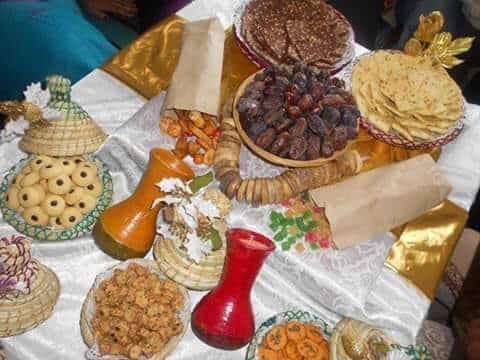
What makes the Day of Ashura in Morocco – Religious Meaning and Traditions so unique is the way spiritual devotion is blended with cultural practices:
Music and Joy
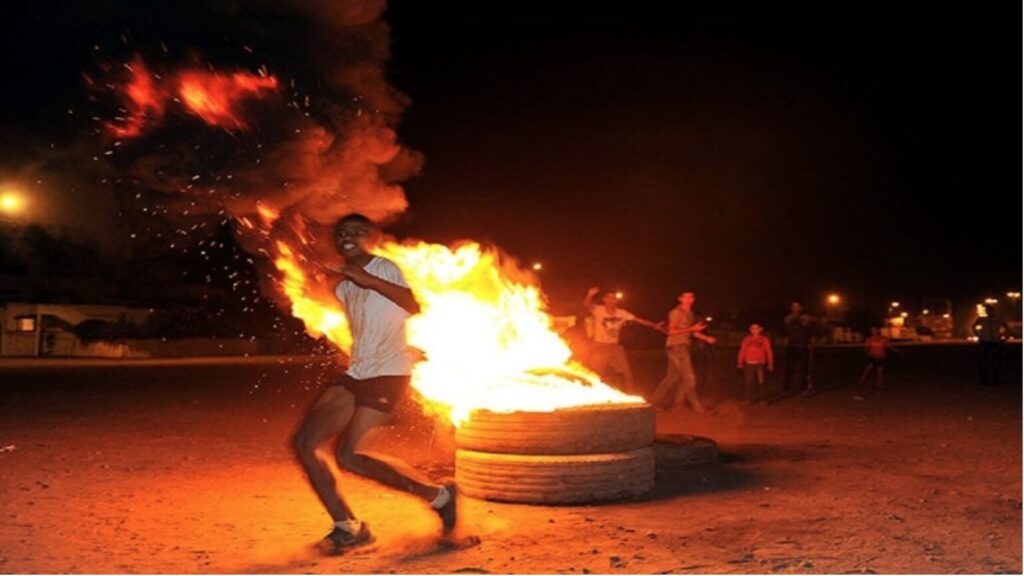
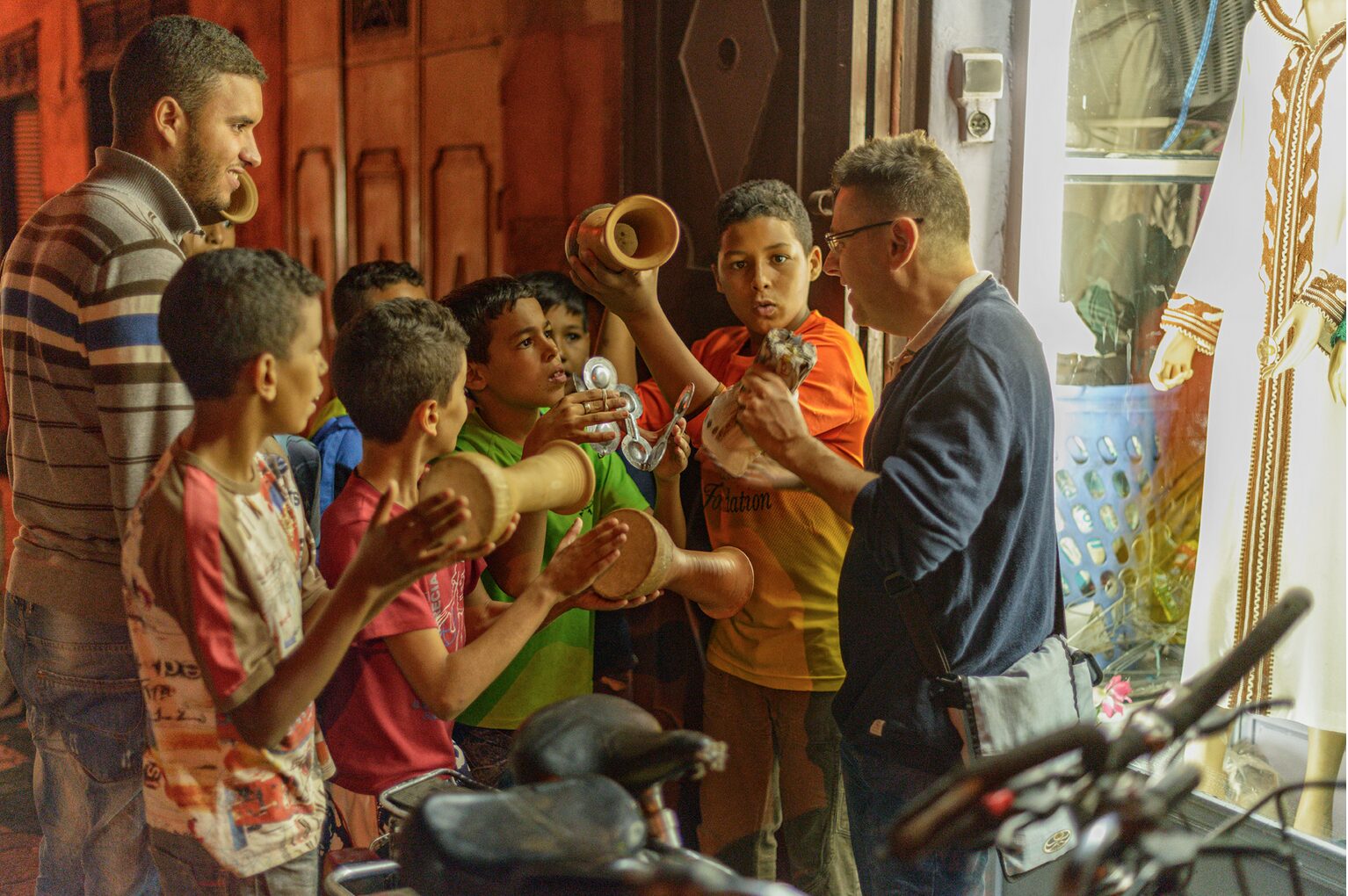
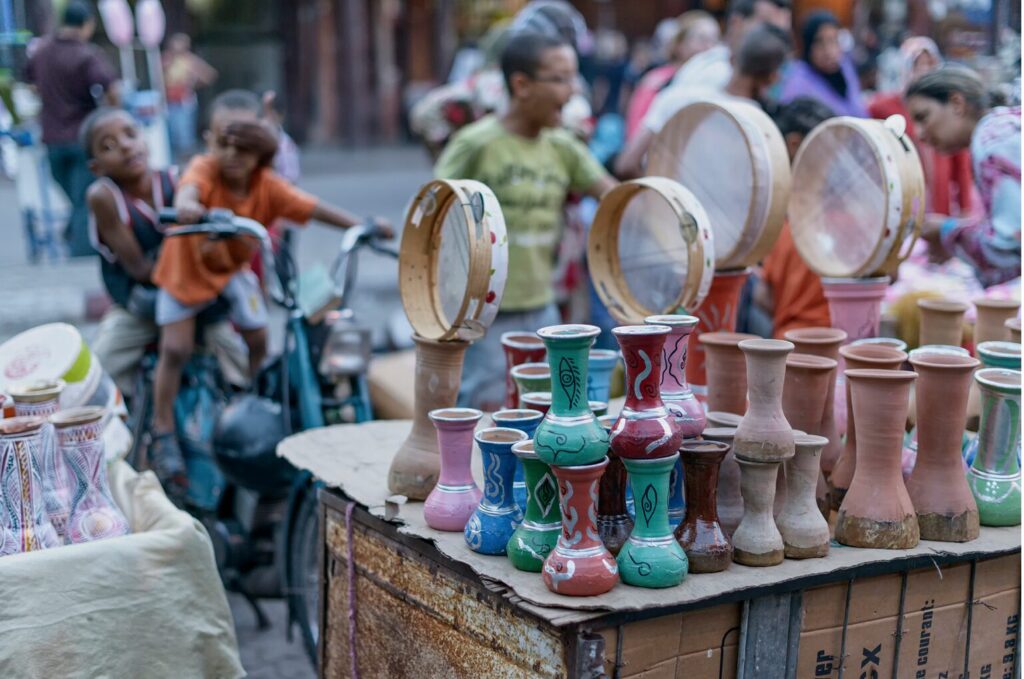
In Moroccan neighborhoods, children light small bonfires, sing traditional songs, and play drums called bendir. The rhythm of celebration fills the air, symbolizing renewal and joy.
Food and Family Gatherings
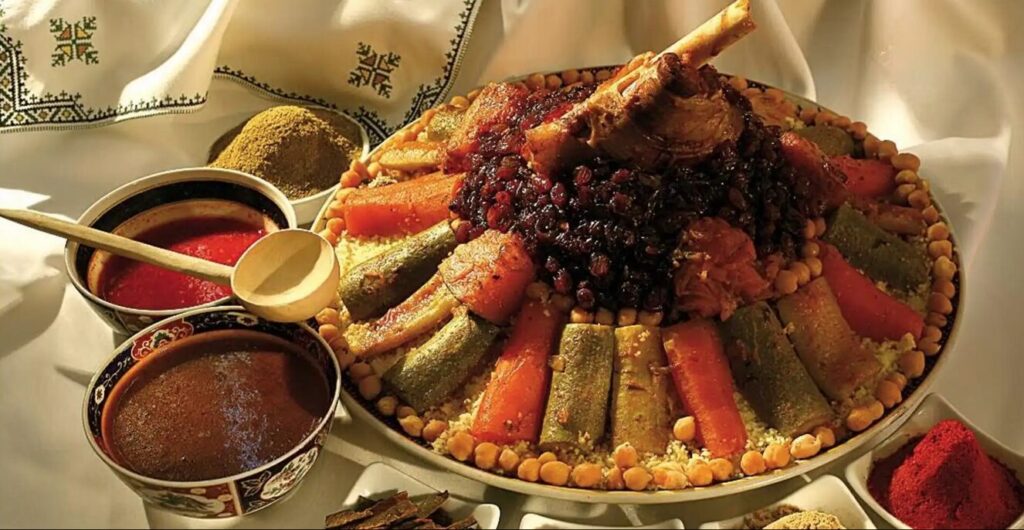
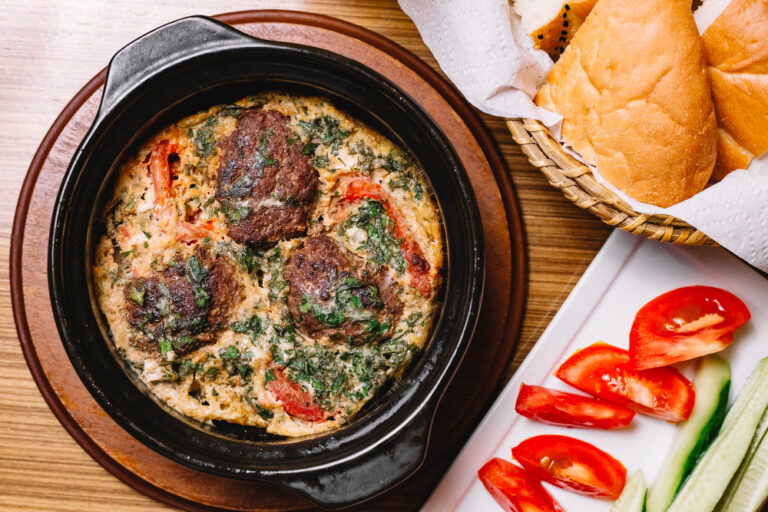
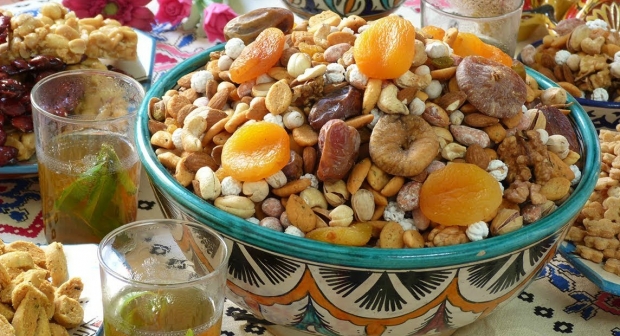
One of the highlights of Ashura in Morocco is food. Families prepare Moroccan bisara, couscous, and dried fruits. Sharing meals reflects the importance of community and generosity.
The Festival of Water (Zem-Zem)

On Ashura, Moroccans splash water on one another, inspired by the sacred Zamzam well in Mecca. This playful tradition is a symbol of purification and blessing.
Gifts and Charity
Children often receive toys or sweets, while families give alms to the poor. This act of generosity mirrors the Islamic values of compassion and solidarity.
Experiencing Ashura as a Traveler in Morocco
If you’re lucky to be in Morocco during Ashura, you’ll witness a side of Moroccan life that goes beyond monuments and landscapes. Here’s what you can expect:
- Markets and Souks: Stalls overflow with dried fruits, nuts, and festive sweets, adding vibrant colors and aromas to the streets.
- Neighborhood Gatherings: Small processions, drumming circles, and family celebrations give travelers a warm sense of Moroccan hospitality.
- Religious Observances: Many Moroccans fast on the 9th and 10th of Muharram, offering a spiritual perspective for visitors curious about Islamic practices.
Ashura becomes both a spiritual journey and a cultural immersion for travelers exploring Morocco.
Travel Tips and Cultural Insights
To make the most of your trip during Ashura, here are some useful tips:
- Respect Religious Customs: While celebrations are joyful, remember that Ashura has deep spiritual significance. Dress modestly and be mindful when photographing people.
- Taste Traditional Dishes: Don’t miss out on Moroccan bisara or roasted chickpeas prepared especially for Ashura.
- Join Community Events: If invited, join a family or neighborhood gathering—it’s one of the best ways to connect with Moroccan culture.
- Plan Around Public Celebrations: Expect busy souks, lively streets, and sometimes small bonfires at night.
Stories from Moroccan Families
For many Moroccans, Ashura is not just a religious observance but a cherished family memory. Travelers often recount being welcomed into local homes, sharing couscous around a communal dish, or watching children laugh as they drum and sing.
One traveler described Ashura in Marrakech as “a festival where the whole city came alive with music, prayer, and kindness.” Another remembered the generosity of a Fez family who invited them to share dates and tea, explaining the story of Imam Hussein and the meaning of sacrifice.
Seasonal Insights – When to Visit
Ashura shifts every year according to the Islamic lunar calendar, so it does not fall on the same date in the Gregorian year. Travelers interested in experiencing the festival should check the Islamic calendar in advance.
Visiting Morocco during Ashura offers:
- A spiritual atmosphere in mosques and communities.
- A festive spirit in markets and streets.
- A chance to see how ancient religious traditions are celebrated in a modern cultural context.
For those planning to explore Morocco more broadly, combining Ashura with trips to Marrakech, Fez, or desert regions can provide a richer travel experience.
FAQ
What is the Day of Ashura in Morocco?
The Day of Ashura in Morocco is both a religious and cultural event. It commemorates Islamic historical events while also featuring Moroccan customs like drumming, food sharing, and water splashing.
How do Moroccans celebrate Ashura?
Moroccans mark Ashura with fasting, charity, family meals, bonfires, music, and playful traditions like the Zem-Zem water festival.
Can tourists take part in Ashura celebrations?
Yes! Visitors are often welcomed to join family meals or neighborhood festivities. Just remember to show respect for religious practices.
What foods are associated with Ashura in Morocco?
Popular dishes include bisara (fava bean soup), couscous, dried fruits, nuts, and roasted chickpeas.
When is Ashura celebrated in Morocco?
It takes place on the 10th of Muharram in the Islamic calendar, which shifts each year in the Gregorian calendar.
Conclusion
The Day of Ashura in Morocco – Religious Meaning and Traditions is a unique opportunity to witness how Moroccans blend faith with festivity. From fasting and prayer to music, bonfires, and family meals, Ashura reflects the richness of Moroccan culture and the values of community and compassion.
For travelers, it’s a chance not just to see Morocco but to experience its soul. If you’re planning a trip, consider timing it with Ashura to discover a celebration where history, faith, and culture meet in unforgettable harmony.