
Deep in the Sahara, far from Morocco’s bustling cities, lies Smara—a place where the desert whispers stories of faith, resilience, and heritage. Known as “the spiritual heart of the Sahara,” Smara is a city unlike any other. With its blend of historic Islamic architecture, Sahrawi culture, and desert landscapes, it invites travelers who seek authenticity and cultural depth.

In this guide, we will Discover Smara: Morocco’s Desert City of Heritage, exploring its rich past, must-see attractions, cultural insights, and traveler stories that reveal why Smara is more than just a destination—it’s an experience rooted in history and tradition.
Discover Smara: An Overview

Smara is located in the southern part of Morocco within the Western Sahara region. Founded in the late 19th century, it quickly became a hub for Islamic scholarship and desert trade routes. The city was originally established as a religious and cultural center by Sheikh Ma al-Aynayn, a prominent spiritual leader.
What makes Smara fascinating is its heritage as a desert stronghold. While cities like Marrakech and Fez are known for their imperial history, Smara stands out for its resilience in the desert and its connection to nomadic traditions. Today, the city remains a symbol of Sahrawi culture and Islamic learning, with an atmosphere that feels both timeless and inspiring.
Must-See Attractions in Smara
1. The Great Mosque of Smara

The Great Mosque, built by Sheikh Ma al-Aynayn, is the city’s most important historical and spiritual landmark. Though partially destroyed in conflicts during the colonial era, it still stands as a testament to Smara’s cultural and religious importance.
2. The Ruins of the Old Smara Fortress
Walking through the remains of Smara’s fortress walls gives travelers a sense of stepping back in time. The site offers insight into the city’s strategic role as a Saharan stronghold.
3. Sahrawi Cultural Heritage
Smara is a living museum of Sahrawi culture. From traditional tent weaving to poetry and oral storytelling, visitors can immerse themselves in traditions that have been passed down for generations.
4. Desert Landscapes and Nomadic Life
Just beyond the city lies the vast Sahara, where nomadic communities still live with their herds of camels and goats. Experiencing nomadic hospitality—tea ceremonies, traditional meals, and music—offers an unforgettable glimpse into desert life.
5. Local Markets and Handicrafts
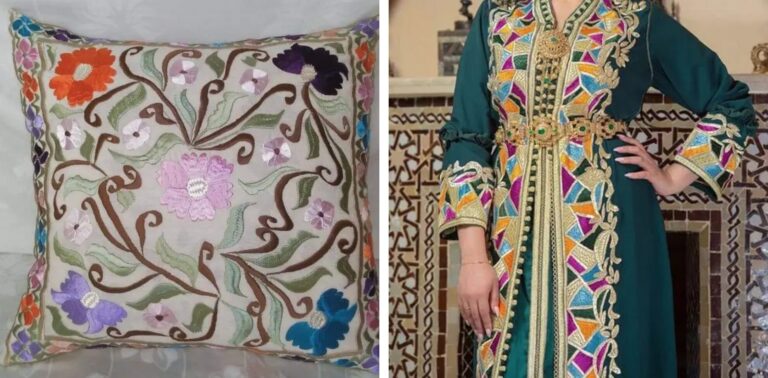
The markets of Smara are smaller than those in big Moroccan cities, but they are authentic and vibrant. Hand-woven rugs, leatherwork, and Sahrawi jewelry make meaningful souvenirs.
Travel Tips and Cultural Insights

- Best Time to Visit: October to April, when desert temperatures are cooler and cultural festivals are more frequent.
- Getting There: Smara is reachable by road from Laâyoune or other southern Moroccan cities. Buses and taxis connect the town to regional hubs.
- Cultural Etiquette: Modest dress is recommended. Respect for local customs, particularly around religious sites, is essential. Always accept tea when offered—it is a sign of hospitality.
- Local Cuisine: Taste camel tajine, desert couscous, and of course the famous mint tea served Sahrawi-style in three rounds.
- Languages: Arabic and Hassaniya are dominant. French is understood, while English is less common but slowly growing in use among younger generations.
Traveler Stories: Real Experiences in Smara
Travelers often speak of Smara as a place that feels “frozen in time.” One visitor recalled entering the Great Mosque at dawn, hearing the call to prayer echo through the desert air, and feeling deeply connected to the spiritual essence of the city.
Another traveler described staying with a Sahrawi family outside of Smara. They shared poetry under the stars while sipping sweet mint tea, a tradition that embodies the heart of desert hospitality. These personal encounters highlight how Smara offers not just sights to see, but connections to experience.
Seasonal Insights and Future Travel Recommendations
Smara is slowly opening to cultural and heritage tourism, but it still remains untouched compared to Morocco’s northern cities. Its future lies in sustainable tourism, focused on preserving both the environment and Sahrawi culture.
- Winter: Perfect for desert exploration and cultural immersion.
- Spring: Markets are lively, and weather is ideal for both sightseeing and outdoor excursions.
- Summer: Hot and dry, best suited for short cultural visits and indoor experiences.
- Autumn: A balanced season with cooler weather and occasional local festivals.
For the future, Smara may become a highlight for travelers seeking spiritual retreats, cultural learning, and eco-desert adventures. Visiting now means experiencing the city’s authenticity before tourism grows further.
FAQ:
What is Smara famous for?
Smara is famous for its Great Mosque, Sahrawi cultural traditions, and its role as a spiritual and cultural hub in the Sahara Desert.
How do I get to Smara?
The easiest way is by road from Laâyoune, with buses and taxis providing regular connections. The journey offers scenic desert landscapes along the way.
Is Smara safe for travelers?
Yes, Smara is generally safe. As in any destination, it’s wise to use basic travel precautions. Locals are known for their warmth and hospitality.
What cultural experiences can I have in Smara?
You can explore Sahrawi traditions such as poetry, music, weaving, and tea ceremonies, as well as visit historical sites like the Great Mosque and fortress ruins.
When is the best time to visit Smara?
The best months are October to April when the climate is cooler, making it comfortable to explore both the city and the surrounding desert.
Conclusion
Discover Smara: Morocco’s Desert City of Heritage is more than a travel theme—it’s an invitation to experience a city shaped by faith, resilience, and tradition. From the Great Mosque and fortress ruins to Sahrawi poetry, crafts, and hospitality, Smara offers an authentic and inspiring journey into Morocco’s desert heart.
If you’re planning your Moroccan adventure, take the road less traveled. Visit Smara and walk in the footsteps of history, while embracing the living culture of the Sahara.