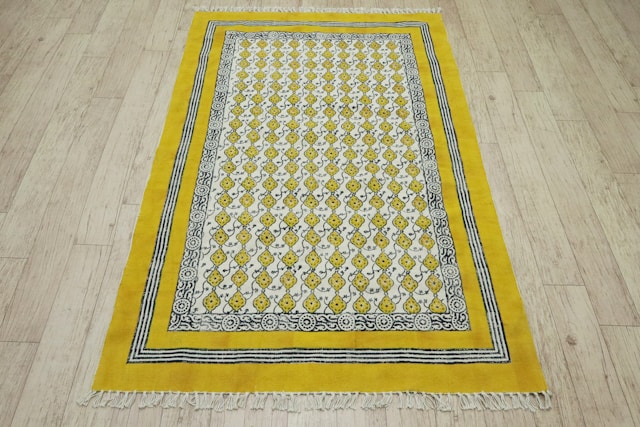
Traveling through Morocco is a feast for the senses — the colors, the smells, and the sounds all tell a story of rich culture and deep-rooted tradition. Among these traditions lies a quiet, often overlooked symbol of faith and serenity: the Moroccan prayer mat, locally known as Slaïa. Learning about the Moroccan prayer mat is not only a journey into Moroccan craftsmanship but also an exploration of spiritual harmony.

In this guide, A Path to Peace: Discover the Moroccan Prayer Mat, we will explore the history, artistry, and cultural significance of the prayer mat, as well as the unique experiences travelers can have when engaging with this centuries-old Moroccan tradition
Origins and Craftsmanship
The Moroccan prayer mat, or Slaïa, is much more than a simple mat for daily prayers. Handwoven from cotton, wool, or a mix of natural fibers, each mat carries centuries of cultural heritage. The designs vary from geometric patterns to intricate floral motifs, often reflecting regional influences and local symbolism.
In cities like Fès and Marrakech, artisans continue to produce handwoven prayer mats using traditional methods passed down through generations. Some mats are even adorned with delicate embroidery, turning a functional object into a work of art.
The Moroccan prayer mat serves as a spiritual anchor for Muslims, creating a dedicated space for reflection, devotion, and meditation. Its rhythmic patterns and textures evoke calmness, encouraging a path to inner peace.
Must-See Experiences with Moroccan Prayer Mats

1. Artisan Workshops in Fès
The medina of Fès is a UNESCO World Heritage site, rich in crafts and artisanal shops. Here, travelers can witness artisans weaving Slaïa mats, thread by thread, using techniques that have remained unchanged for centuries. Visitors often have the opportunity to participate, learning to weave small mats themselves — a hands-on introduction to Moroccan artistry.
2. Souks and Traditional Markets in Marrakech

In Marrakech, the colorful souks are filled with handwoven textiles, including prayer mats. You can explore stalls where mats in every size and pattern are displayed, each telling its own story. Vendors are happy to explain the meanings behind the motifs and the spiritual significance of the designs.
3. Cultural and Religious Sites
Many mosques in Morocco, such as the Koutoubia Mosque in Marrakech or the Al Quaraouiyine Mosque in Fès, showcase the integration of Slaïa mats in daily prayer. Observing how locals respectfully lay out their prayer mats and maintain these sacred spaces offers travelers insight into Moroccan devotion and ritual.
Travel Tips and Cultural Insights

Respect the Tradition
While exploring markets or workshops, remember that the Slaïa is a sacred item. Always ask permission before touching or photographing prayer mats inside mosques.
Choose a Meaningful Souvenir
Handwoven Moroccan prayer mats make excellent souvenirs. Each piece carries its own story and embodies both Moroccan craftsmanship and spirituality. When purchasing, ask the artisan about the motifs and their symbolism.
Participate in Workshops
Some riads and cultural centers offer weaving workshops where travelers can create their own small mats. This experience provides hands-on understanding of the effort, patience, and artistry involved in making a Slaïa.
Learn the Local Terms
Knowing a few Arabic terms can enrich your experience:
- Slaïa = Prayer mat
- Sujud = Prostration during prayer
- Salat = Islamic prayer
Observe the Ritual
Visiting Morocco during prayer times offers a unique chance to observe how the mats are used. The ritualistic laying out of the mat, alignment towards Mecca, and careful folding afterward all reflect respect and spiritual mindfulness.
Real-World Examples and Traveler Stories
One traveler, Emily from the UK, shared her experience in Fès:
“I joined a workshop where we learned to weave a small prayer mat. Holding the threads and watching the pattern emerge, I felt a profound sense of calm and connection to Moroccan culture.”
Another traveler, Ahmed from Canada, wrote:
“Visiting a mosque in Marrakech, I noticed the care locals take with their Slaïa. It made me appreciate how an object can be both functional and deeply spiritual. It truly is a path to peace.”
These personal stories show that interacting with Moroccan prayer mats offers more than a cultural lesson — it’s a moment of reflection, learning, and spiritual connection.
Future Travel Recommendations and Seasonal Insights

- Best Time to Visit: Spring (March–May) or Autumn (September–November) for mild weather and active artisan markets.
- Cultural Festivals: The Fez Festival of World Sacred Music often includes workshops and demonstrations featuring Moroccan textiles, including prayer mats.
- Hands-On Experiences: Seek out workshops in cities like Marrakech, Fès, and Rabat to weave your own Slaïa or learn the history of regional designs.
Whether you’re exploring bustling souks or quiet medinas, the Moroccan prayer mat offers a tangible connection to faith, tradition, and artisanal mastery.
FAQ – Discover the Moroccan Prayer Mat
What is a Moroccan prayer mat (Slaïa)?
A Slaïa is a handwoven mat used during Islamic prayers. It serves as a dedicated space for devotion and meditation, combining artistry and spirituality.
Where can I buy a Moroccan prayer mat?
They are available in souks, artisan workshops, and cultural centers, particularly in Fès, Marrakech, and Rabat.
What makes Moroccan prayer mats unique?
Moroccan mats often feature handwoven designs, embroidery, and symbols specific to regions. Each mat reflects both craftsmanship and spiritual meaning.
Can tourists participate in making them?
Yes! Many workshops allow travelers to weave small mats and learn about the techniques and motifs.
Are Moroccan prayer mats considered sacred?
While they are primarily functional for prayer, they are treated with respect as a symbol of devotion and spiritual practice.
Conclusion
Learning about the Moroccan prayer mat is not just about appreciating a handcrafted item; it’s about understanding a culture where faith, artistry, and daily life intertwine. The Moroccan Slaïa represents devotion, mindfulness, and patience — offering travelers a tangible connection to the spiritual heartbeat of Morocco.
From bustling souks to serene workshops, exploring the world of Moroccan prayer mats invites you to pause, reflect, and embrace a path to peace.