
The djellaba femme is more than just traditional clothing—it’s a symbol of Moroccan identity, culture, and elegance. When walking through the narrow streets of Marrakech’s Medina or the seaside breeze of Essaouira, you’ll see women draped in djellabas of every color, texture, and pattern. This iconic garment captures Morocco’s blend of modesty and artistry, reflecting centuries of craftsmanship.
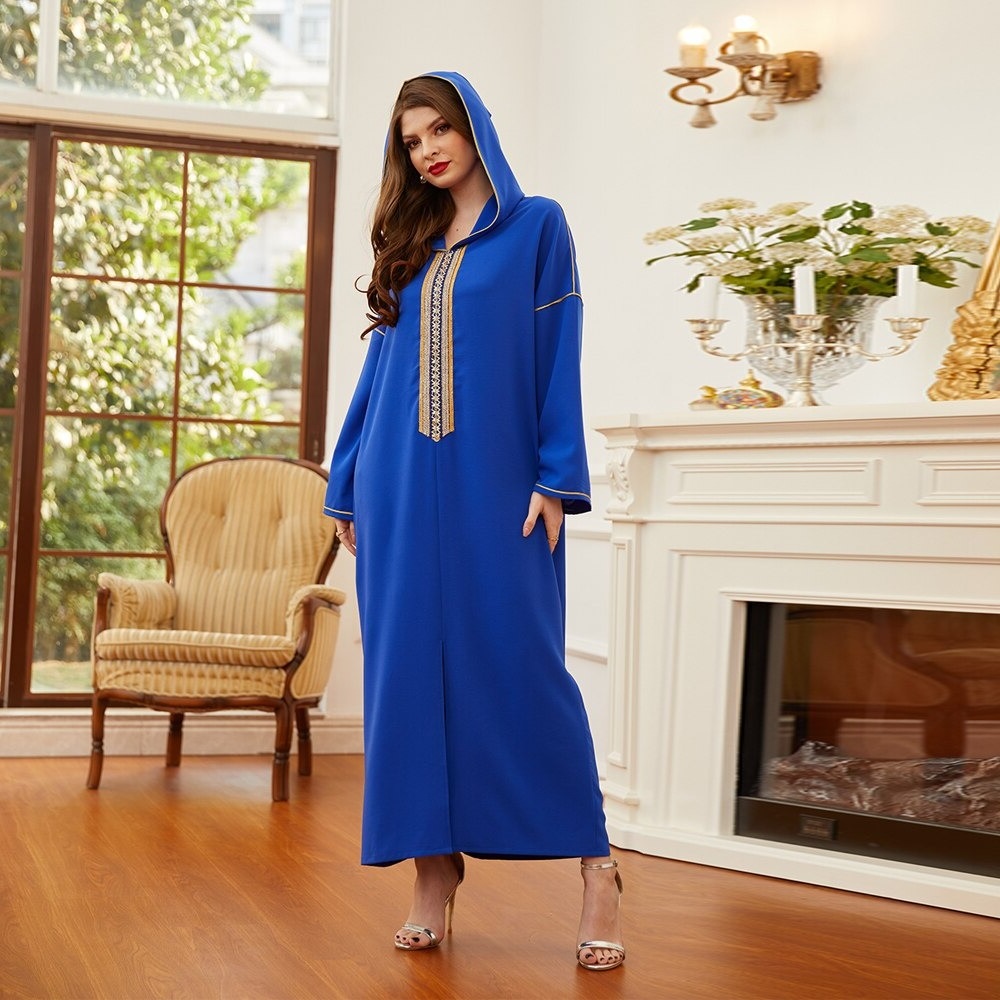
In this article, we’ll explore the beauty, heritage, and evolution of the djellaba femme, a timeless piece that continues to inspire both local designers and international fashion enthusiasts.
The Story of the Djellaba Femme
Origins and Cultural Significance
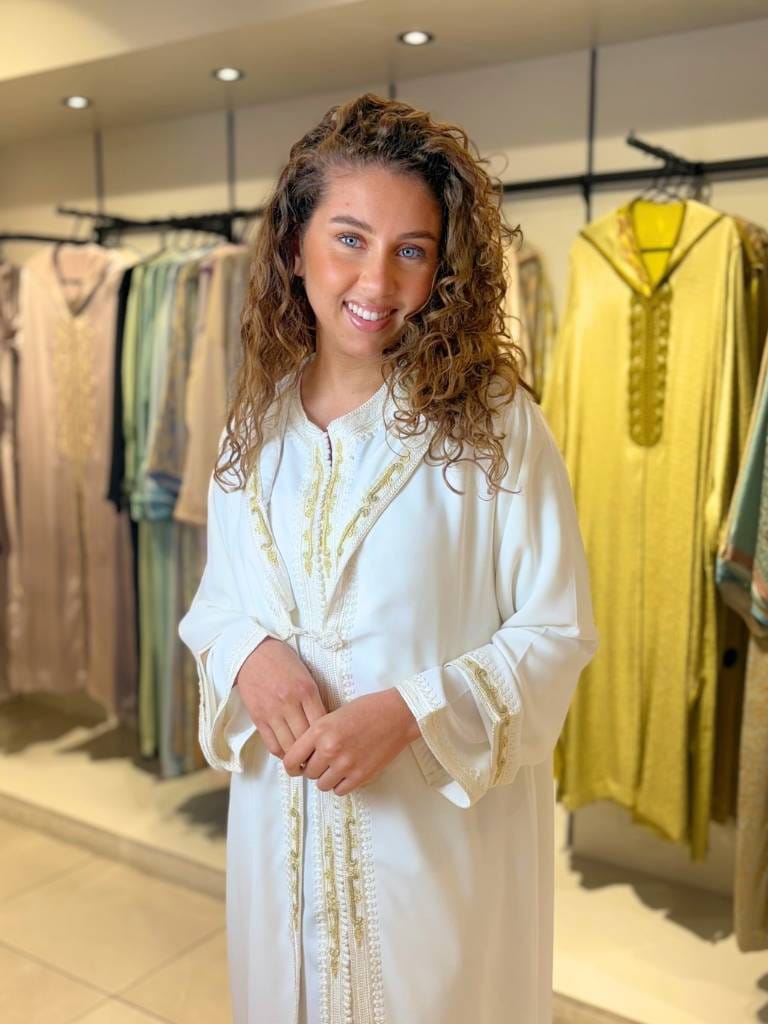
The djellaba traces its roots to North Africa’s Berber and Arab heritage. Originally designed for protection from the desert sun and mountain chill, it evolved into a versatile and elegant attire. The djellaba femme—the women’s version—was shaped over time to express femininity through intricate embroidery, fine fabrics, and vibrant colors.
According to Wikipedia’s page on Moroccan clothing, the djellaba remains one of the most distinctive garments in North Africa, often worn during celebrations, family gatherings, and even casual outings.
Design and Artistry
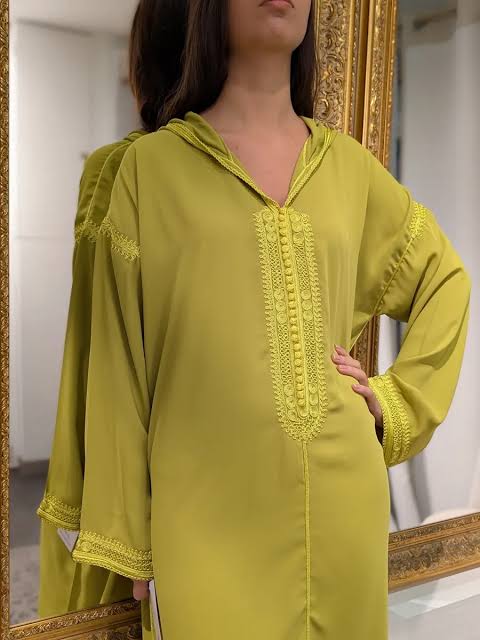
Each djellaba femme tells a story through its craftsmanship. The pointed hood (known as the qob) provides both style and protection, while the delicate sfifa (braided embroidery) and aakd (button loops) add refined detail. Today, modern versions incorporate luxurious fabrics like silk and velvet, often blending traditional motifs with contemporary cuts.
Whether in Fez, Casablanca, or Chefchaouen, local artisans continue to handcraft djellabas using age-old techniques passed down through generations.
Where Tradition Meets Modern Style

The Djellaba in Everyday Life
In Moroccan culture, the djellaba femme is worn in every season. Lightweight cotton djellabas are ideal for the warm months, while wool versions offer comfort in the cooler Atlas Mountain regions. Many women wear them for errands, family visits, and special religious holidays like Eid al-Fitr or Eid al-Adha.
A Global Fashion Influence
From Paris to Dubai, the djellaba femme has transcended its local origins. Designers such as Yves Saint Laurent, who famously found inspiration in Morocco, helped bring Moroccan aesthetics to the international runway. Even global celebrities have been spotted wearing Moroccan-inspired designs, celebrating the garment’s unique blend of simplicity and sophistication.
Travel Tips and Cultural Insights
Where to Buy an Authentic Djellaba Femme
If you’re visiting Morocco, the best places to find authentic djellabas include:
- Marrakech Souks: Explore the maze of alleys in Souk Semmarine for hand-embroidered designs.
- Fez Tanneries: Discover high-quality wool djellabas made with natural dyes.
- Essaouira Artisanal Markets: Ideal for modern, coastal-inspired versions.
Don’t hesitate to bargain—it’s part of the Moroccan shopping experience!
Respecting Local Customs
When wearing a djellaba femme, you’re not just adopting a look—you’re embracing a cultural symbol. Moroccan women wear it with pride and modesty. If you choose to wear one as a visitor, pair it respectfully with neutral accessories and a warm smile—it’s a gesture of appreciation toward Moroccan tradition.
Traveler Stories: A Garment of Connection
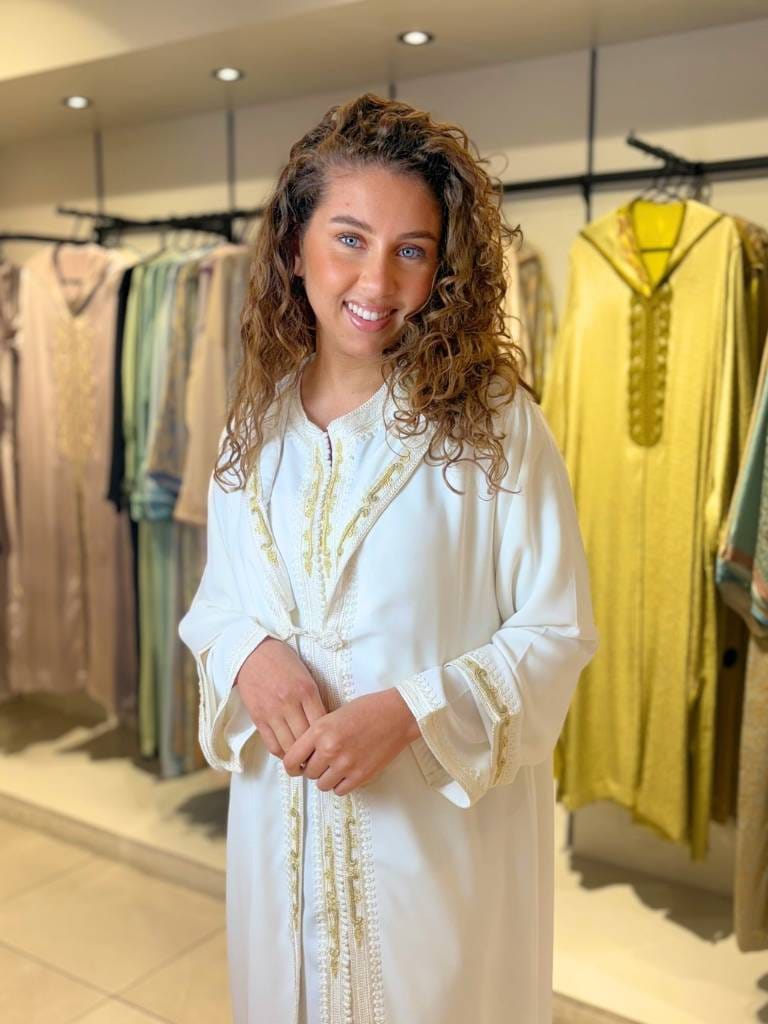
Many travelers describe buying their first djellaba femme as one of the most memorable experiences in Morocco. Take Sophia, a traveler from Italy, who recalls:
“I bought a sky-blue djellaba in Fez. When I wore it walking through the old medina, local women smiled and said, ‘Zwinat!’ (beautiful). It made me feel part of something larger—a culture that honors beauty, comfort, and respect.”
Another traveler, Layla from Spain, shared that her djellaba became her “Moroccan memory,” reminding her of the warmth and hospitality she found in Marrakech’s spice-scented streets.
Seasonal Insights and Future Trends
The djellaba femme continues to evolve, blending modern tastes with timeless tradition. Each season brings new interpretations—lighter fabrics in summer, richer tones and embroidery for festive winter occasions.
In Morocco’s fashion scene, young designers are reimagining the djellaba femme with bold colors, sustainable materials, and innovative silhouettes. Whether for weddings, holidays, or daily life, this garment remains a proud emblem of Moroccan creativity.
As global fashion trends shift toward authenticity and cultural appreciation, the djellaba femme stands out as both sustainable and symbolic—a garment that never goes out of style.
FAQ: Djellaba Femme

What is a djellaba femme?
A djellaba femme is a traditional Moroccan robe for women, featuring a hood, long sleeves, and flowing fabric. It combines elegance with comfort and is worn for both casual and special occasions.
Where can I buy an authentic djellaba femme?
You can find authentic djellabas in Moroccan souks, artisanal cooperatives, and modern boutiques. Popular cities include Marrakech, Fez, and Tangier.
Is it appropriate for tourists to wear a djellaba femme?
Absolutely! Wearing a djellaba shows respect and admiration for Moroccan culture—just be sure to wear it modestly and with cultural awareness.
What materials are used to make djellabas?
Common fabrics include cotton, wool, silk, and velvet. Artisans often hand-stitch the embroidery, making each piece unique.
How do you style a djellaba femme?
For a modern twist, pair your djellaba with elegant sandals, statement earrings, or a small leather handbag. It’s both traditional and chic!
Conclusion
The djellaba femme is far more than a garment—it’s a living story of Morocco’s artistry, heritage, and timeless grace. Whether you’re exploring the vibrant markets of Marrakech or admiring the serenity of the Sahara, the djellaba connects you to the soul of Moroccan culture.
So next time you visit, take home not just a souvenir—but a piece of Morocco’s identity, woven in threads of history and elegance.
–Discover more Moroccan treasures on skiesofmorocco and let the beauty of tradition inspire your next adventure.