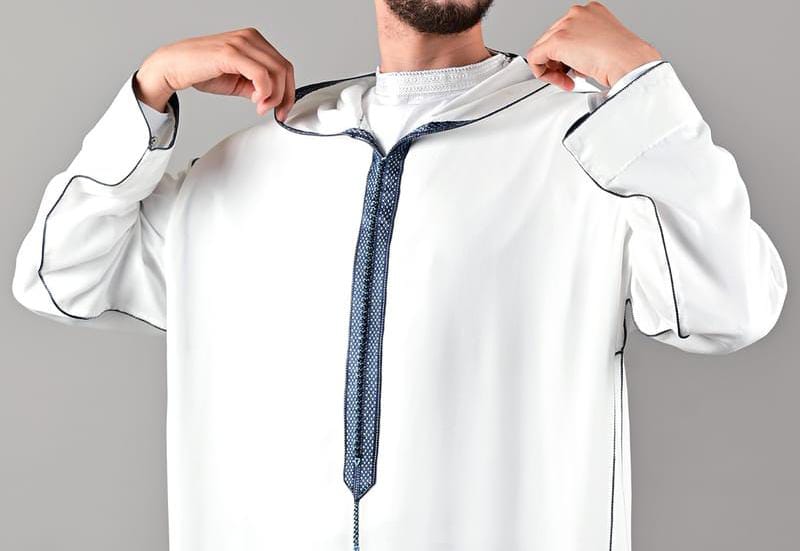
When you stroll through the streets of Fez, Marrakech, or Chefchaouen, you’ll notice something timeless gliding gracefully through the alleys — the djellaba homme. This traditional Moroccan garment, worn by men for centuries, tells a story of cultural pride, craftsmanship, and comfort. Whether you see it in a bustling souk or during a peaceful Friday prayer, the djellaba embodies the essence of Moroccan identity — elegant, spiritual, and deeply connected to heritage.
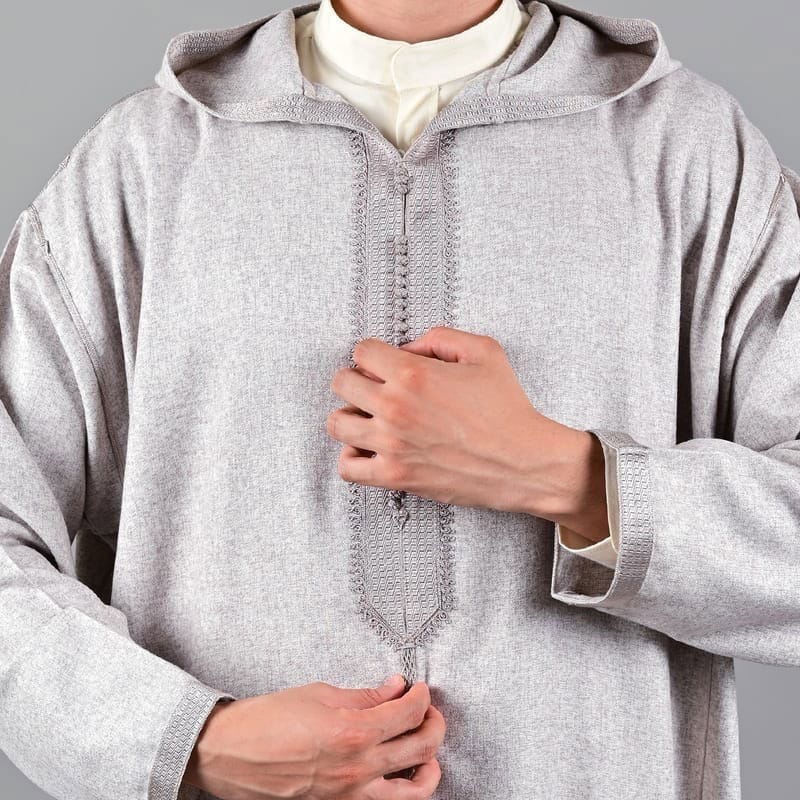
In this post, we’ll explore the role, history, and meaning of the djellaba homme, and how it continues to inspire travelers, artists, and designers around the world.
The Djellaba Homme: More Than Just Clothing
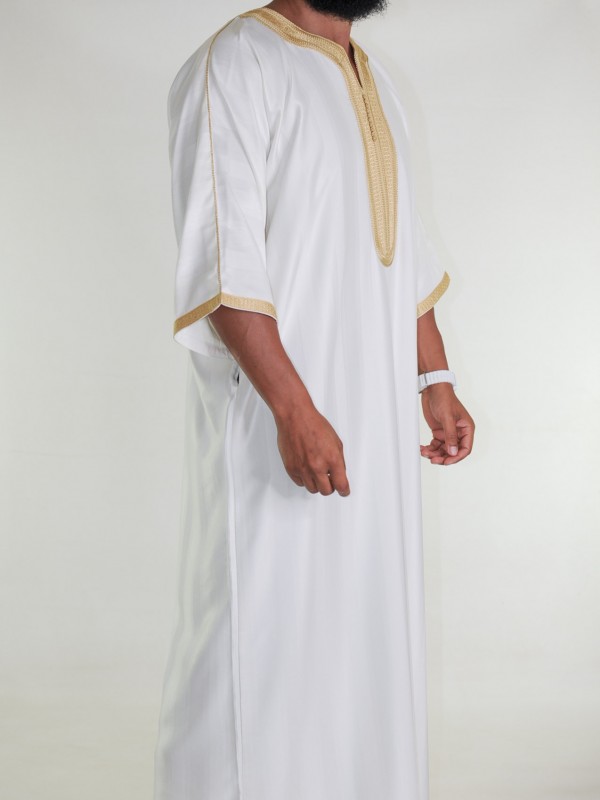
The djellaba homme is a long, loose-fitting robe with a pointed hood (called a kob), often made from wool or cotton depending on the season. Traditionally, it was designed to protect men from Morocco’s diverse climate — from the cold winds of the Atlas Mountains to the warm sun of the Sahara.
Its versatility is part of its charm: a man can wear a djellaba to the market, to a wedding, or to the mosque. Over time, it evolved into a powerful symbol of dignity and modesty, reflecting Morocco’s Islamic and Amazigh roots.
The word djellaba itself comes from the Arabic jallāba, meaning “garment.” But in Morocco, it’s much more than that — it’s an emblem of tradition and style.
(See more about Morocco’s traditional clothing on Moroccan culture – Wikipedia.)
A Walk Through History: The Evolution of the Djellaba
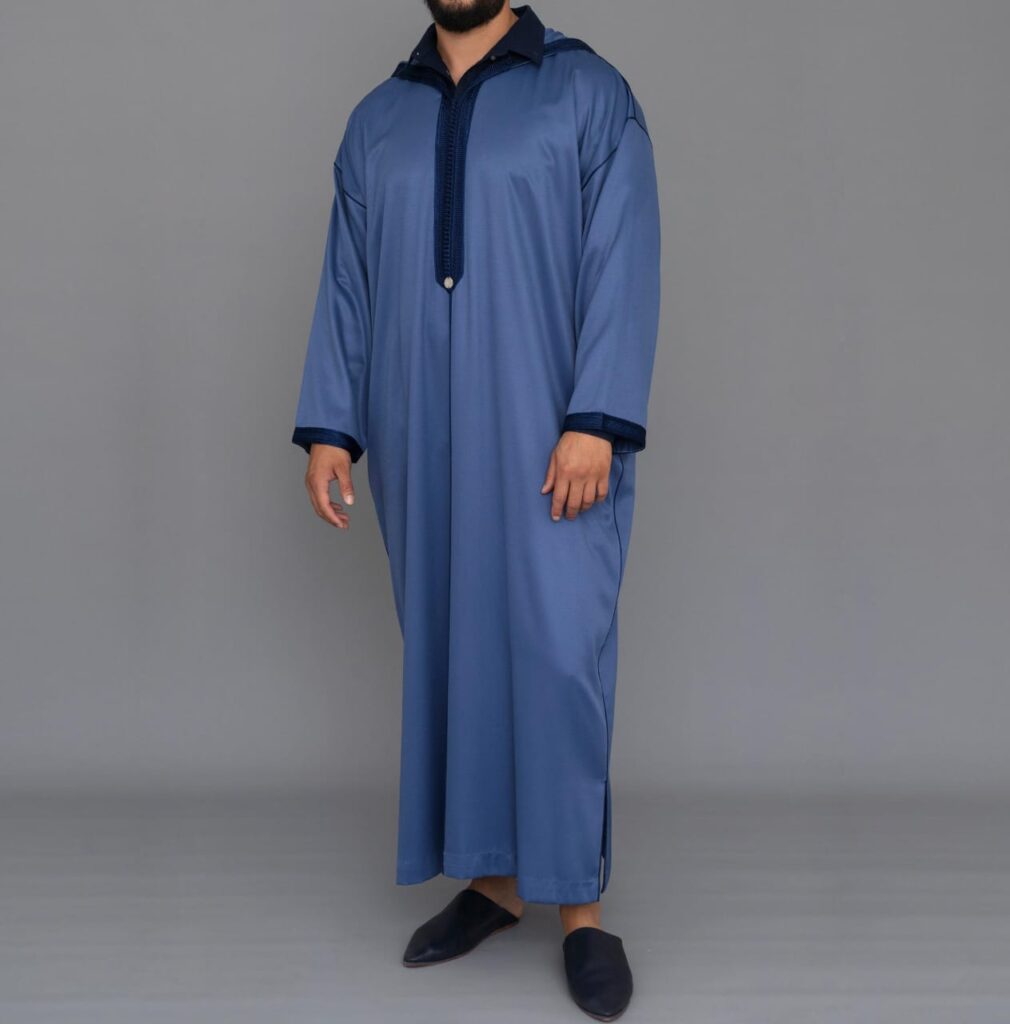
Centuries ago, the djellaba homme was worn mainly in rural and mountainous regions, where men needed protection from cold weather and sand. The heavier wool djellabas, often in earthy tones, were perfect for shepherds and travelers crossing rough terrain.
As Morocco’s cities grew, the djellaba took on new forms — lighter fabrics, finer embroidery, and brighter colors appeared. Urban tailors began creating silk-trimmed versions for festivals, religious holidays, and weddings.
Today, the djellaba still holds a place of honor in Moroccan wardrobes. Even modern designers blend traditional handwoven techniques with contemporary cuts, ensuring this cultural treasure remains fashionable.
Where to Experience the Djellaba Tradition
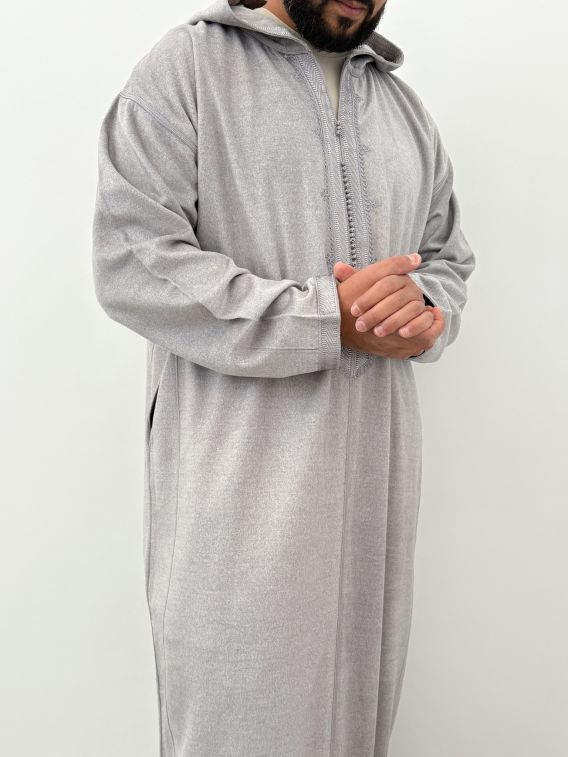
If you’re traveling in Morocco, there are countless places where you can experience or even buy a djellaba homme firsthand.
1. The Souks of Marrakech
The souks of Marrakech are a sensory feast — colors, textures, and sounds fill every corner. Wander through the Medina, and you’ll find tailors sewing djellabas by hand, using fabrics that range from soft cotton to luxurious wool. You can even get one custom-made!
2. Fez – The City of Craftsmanship
Fez, Morocco’s spiritual capital, is home to some of the country’s finest artisans. Here, traditional looms still clatter in small workshops, producing fabrics for djellabas that are then dyed using natural pigments.
3. Chefchaouen – The Blue Jewel
In the blue city of Chefchaouen, men often wear pale blue or white djellabas that blend harmoniously with the city’s walls. It’s a photographer’s dream — the djellaba homme becomes a living part of the city’s beauty.
Cultural Insights: The Djellaba as a Reflection of Moroccan Identity
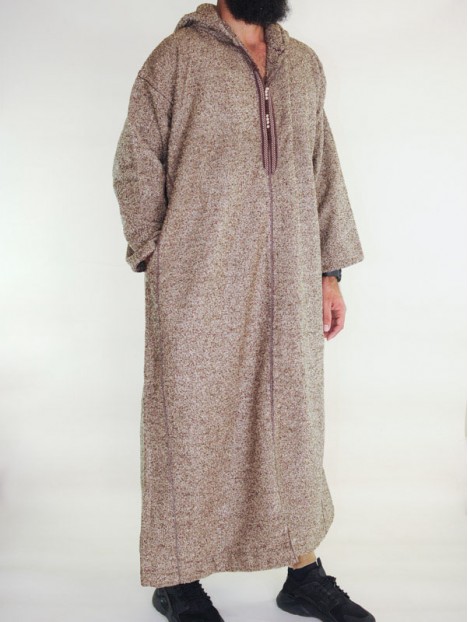
Wearing a djellaba homme is more than a fashion choice — it’s a cultural statement. It reflects respect for tradition, connection to religion, and appreciation for craftsmanship.
During Ramadan, Eid, or Friday prayers, you’ll see men wearing elegant white or cream djellabas, a symbol of purity and spirituality. In winter, darker wool djellabas dominate, sometimes layered with a hooded cloak called a burnous.
Interestingly, even young Moroccans who love modern fashion still wear djellabas on special occasions — proof that this garment is not fading but adapting beautifully to modern life.
A Traveler’s Encounter with the Djellaba Homme
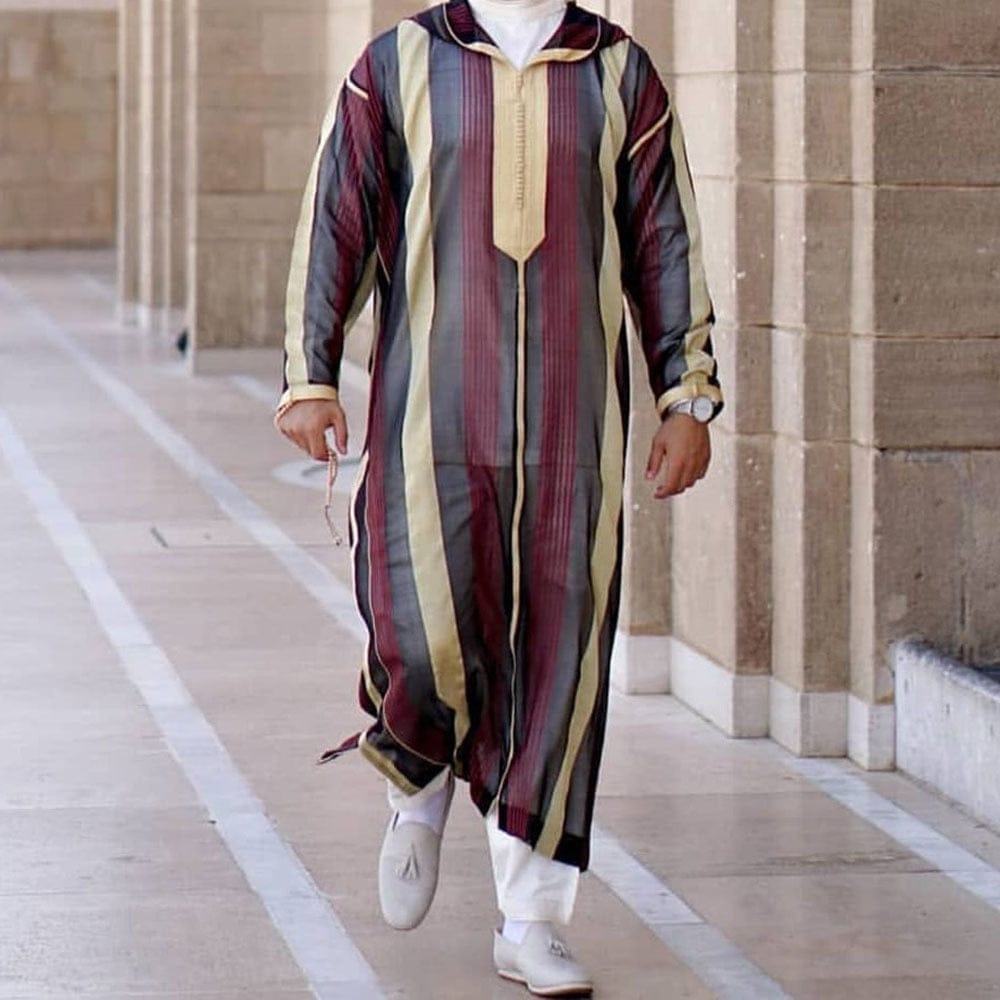
Imagine walking through a quiet morning market in Essaouira. The smell of mint tea and grilled bread fills the air. You notice an elderly man in a striped wool djellaba pouring tea into small glasses with precision. The sunlight glints off his silver teapot, and you realize — this moment captures everything Moroccan life stands for: simplicity, grace, and timeless rhythm.
Many travelers describe similar experiences — buying a djellaba as a souvenir, or wearing one during their stay and feeling instantly immersed in Moroccan culture. It’s more than a garment; it’s a way to connect with people and history.
When to Buy or Wear a Djellaba
The best time to buy a djellaba homme is during Morocco’s cooler months (October to March), when artisans showcase their finest wool creations. However, lightweight cotton djellabas are perfect for summer evenings.
If you’re visiting Morocco for a special event — like Eid al-Fitr, Eid al-Adha, or a traditional wedding — don’t miss the opportunity to wear one. Locals will appreciate the gesture, and you’ll feel part of something genuine and warm.
Pro tip: Always buy from local artisans rather than tourist shops. You’ll get higher quality, fair prices, and a meaningful story behind your purchase.
FAQ – Djellaba Homme
What is a djellaba homme?
A djellaba homme is a traditional Moroccan robe worn by men. It’s long, loose-fitting, and has a hood. Made from wool or cotton, it’s ideal for both everyday wear and special occasions.
When do men wear djellabas in Morocco?
Men wear djellabas year-round. Lighter fabrics are used in summer, while heavier wool versions are for winter. They’re especially common during prayers, religious holidays, and Fridays.
Can tourists wear a djellaba?
Absolutely! Tourists are welcome to wear djellabas as a sign of respect for Moroccan culture. It’s a great way to immerse yourself and experience the local lifestyle.
Where can I buy a djellaba homme?
You can find djellabas in most Moroccan cities, especially in the souks of Marrakech, Fez, and Casablanca. Custom tailoring is also available.
How much does a djellaba cost?
Prices vary depending on material and craftsmanship. Simple cotton djellabas may cost around $30–$50 USD, while high-quality wool or hand-embroidered versions can exceed $150 USD.
Conclusion
The djellaba homme is more than just a robe — it’s a story woven through Morocco’s history, spirit, and artistry. From mountain villages to city medinas, it remains a symbol of grace, modesty, and timeless style.
If you’re planning a trip to Morocco, make sure to experience this living tradition for yourself. Visit the artisans, sip mint tea while watching tailors at work, and maybe even take home a djellaba — a beautiful reminder of Moroccan hospitality and identity.
Ready to explore more Moroccan traditions? Visit skiesofmorocco and start planning your cultural journey through the Kingdom of colors, flavors, and timeless craftsmanship.