
Walking through Morocco’s vibrant cities and villages, it’s impossible not to notice the stunningly intricate entrances that adorn streets and medinas. The doors of Morocco are not just functional—they are works of art that reveal centuries of history, cultural diversity, and craftsmanship. Each door tells a story, blending Moorish, Berber, Arab, and Andalusian influences. This article explores the beauty, symbolism, and cultural significance of Moroccan doors, while also guiding travelers on where to find the most unforgettable examples.
Overview of the Doors of Morocco
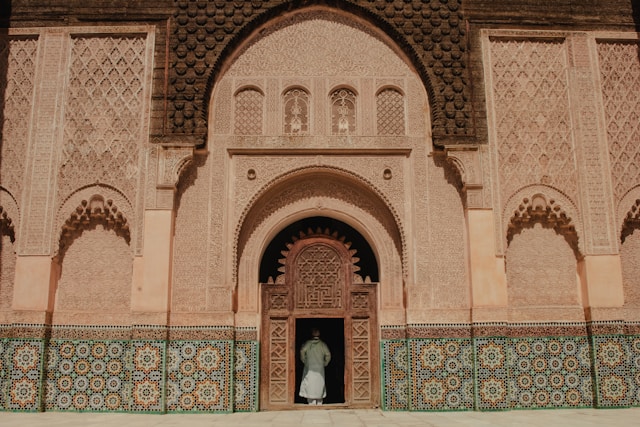
Moroccan doors are known for their vibrant colors, elaborate carvings, and symbolic motifs. Often set within arched frames and decorated with iron studs, they reflect a combination of Islamic architecture and local traditions.
Common Features of Moroccan Doors:
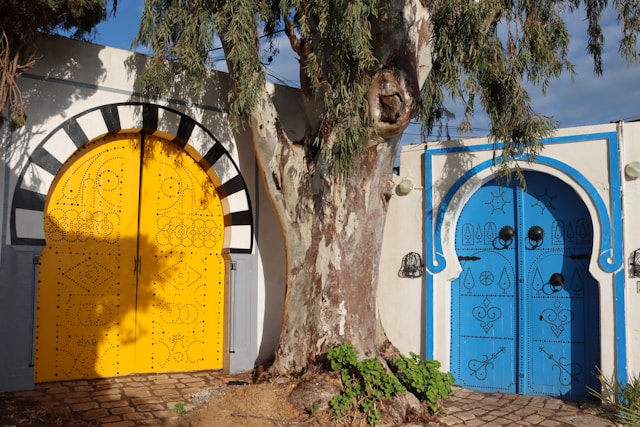
- Colors: Blue (symbolizing peace and spirituality, especially in Chefchaouen), green (associated with Islam and prosperity), and red (found in Marrakech, symbolizing strength).
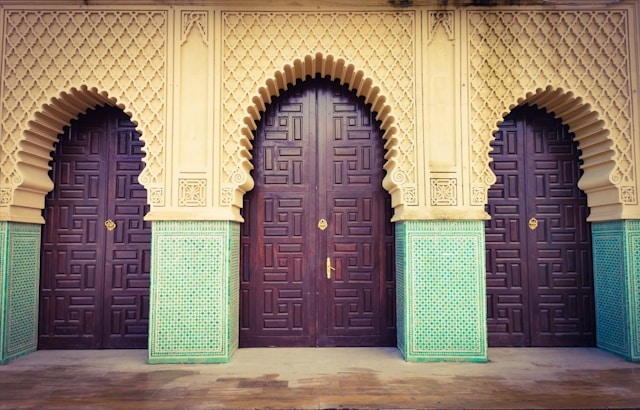
- Shapes: Horseshoe arches, keyhole shapes, and pointed arches inspired by Islamic art.
- Materials: Heavy cedar wood, often intricately carved or painted.
- Decoration: Ironwork, geometric patterns, and calligraphy that symbolize protection and blessings.
Far more than just entrances, these doors represent privacy, hospitality, and the blending of cultures that define Morocco.
Must-See Doors and Attractions in Morocco
Fes – The Spiritual Heart of Morocco
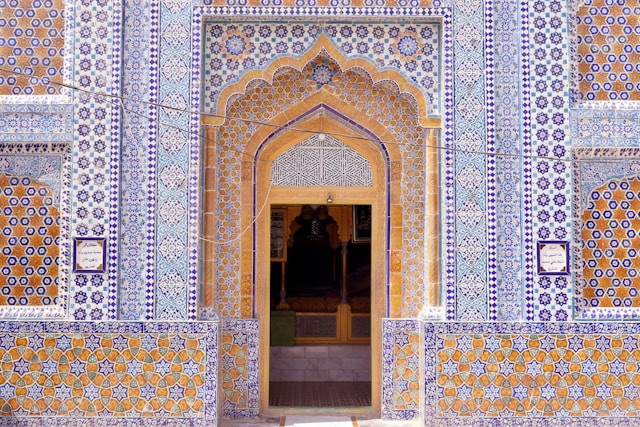
Fes, one of Morocco’s oldest imperial cities, boasts some of the most beautiful doors in the country. Wander the medina, and you’ll encounter colorful gates, wooden carvings, and doors leading to mosques, palaces, and riads.
Marrakech – Red City of Grandeur
Marrakech is a treasure trove of impressive doors, from the iconic gates of the medina to the hidden entrances of riads. The Bab Agnaou Gate, built in the 12th century, remains one of the city’s most iconic examples of Moorish architecture.
Chefchaouen – The Blue Pearl
In this mountain town, the doors of Morocco reach their peak charm. Almost every doorway is painted in shades of blue, symbolizing peace, spirituality, and protection. Travelers often describe strolling through Chefchaouen as walking through a dreamlike open-air gallery.
Meknes – Imperial Majesty
Known as Morocco’s “Versailles,” Meknes features grand doors and monumental gates. The Bab Mansour Gate is one of the most photographed, with its massive archways and exquisite tilework.
(Learn more about Fes and Marrakech on Wikipedia to dive deeper into the cultural history of these cities.)
Travel Tips and Cultural Insights
- Photography: Always ask permission if you want to photograph doors attached to private homes. While many are in public areas, showing respect is key.
- Best Time of Day: Early mornings or late afternoons offer the best natural light for capturing the vibrant hues.
- Symbolism: Doors are more than decoration—they protect homes from evil spirits and reflect the social status of families.
- Stay in a Riad: Many riads (traditional Moroccan guesthouses) feature magnificent old doors, allowing travelers to experience this cultural detail up close.
- Markets for Miniature Doors: Souks often sell handcrafted miniature doors as souvenirs, perfect for taking a piece of Moroccan artistry home.
Real-World Traveler Stories
Travelers often describe the doors of Morocco as one of the most photogenic elements of their journey.
One visitor in Chefchaouen wrote:
“Every door felt like stepping into another story. I must have taken over 200 photos of just the doors—blue, turquoise, and white, each one unique.”
Another traveler in Marrakech shared:
“The doors weren’t just entrances, they were symbols of history. Seeing Bab Agnaou up close felt like touching the past.”
Such experiences remind us that Moroccan doors are not only beautiful—they are storytellers of a country’s heritage.
Future Travel Recommendations and Seasonal Insights
- Spring & Autumn: The mild weather makes wandering medinas and photographing doors more enjoyable.
- Ramadan Season: Some doors are decorated more elaborately during festive times.
- Art Tours: Increasingly, Morocco is offering photography and cultural tours centered on architectural gems, including doors.
- Future Trends: As Morocco modernizes, many historic doors are being restored, blending tradition with contemporary design.
If you’re planning a trip, make time to simply stroll through medinas—sometimes, the best discoveries are not in guidebooks but behind Morocco’s most beautiful doors.
FAQ about the Doors of Morocco
Why are Moroccan doors so colorful?
Colors carry symbolic meaning—blue for spirituality, green for prosperity, and red for protection and strength.
Where can I find the most beautiful doors of Morocco?
Cities like Fes, Marrakech, Meknes, and Chefchaouen are famous for their stunning doors and gates.
Are Moroccan doors influenced by different cultures?
Yes, they reflect Arab, Berber, Andalusian, and Islamic architectural traditions.
Can I buy Moroccan doors as souvenirs?
Yes, antique markets sometimes sell reclaimed doors, but most travelers prefer miniature replicas available in local souks.
What do the iron studs on Moroccan doors represent?
They serve both decorative and protective purposes, believed to ward off evil spirits.
Conclusion
The doors of Morocco are more than wood, paint, and iron—they are timeless expressions of history, culture, and artistry. From the red city of Marrakech to the blue streets of Chefchaouen, these doors invite travelers to pause, admire, and reflect on Morocco’s rich heritage.
– Whether you’re a photographer, historian, or curious traveler, exploring Morocco’s doors will add depth and wonder to your journey. Book your adventure with Skies of Morocco and step through the country’s most enchanting entrances.