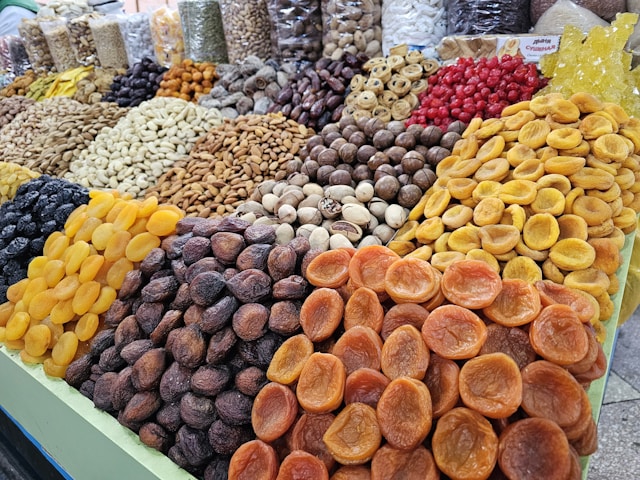
Welcome to Morocco, dear traveller! In this post you’ll dive into A Colorful World of Dried Fruits and Nuts in Moroccan Markets, a sensory, cultural, and flavorful journey through bustling souks, hidden gems and local stories. Whether you’re strolling through the medina of Marrakesh, wandering the alleys of Fes, or exploring lesser‑known market towns, you’ll discover how dried fruits and nuts add colour, texture and meaning to Moroccan life and travel. Let’s embar
Section 1 – Overview of the destination/topic
Moroccan markets in a nutshell
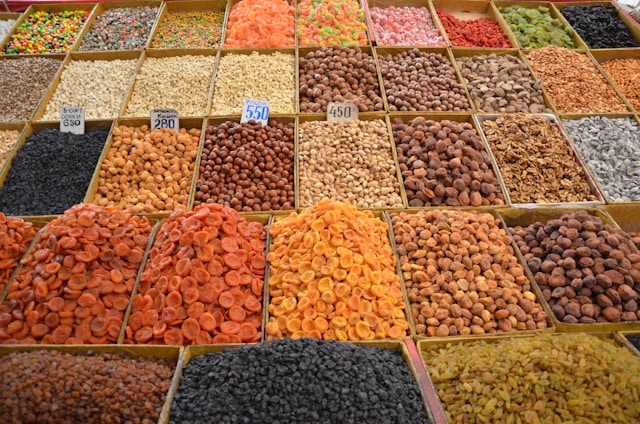
Morocco’s traditional markets (souks) are alive with colour, aroma and heritage. In cities such as Marrakesh and Fes you’ll find labyrinthine alleyways lined with stalls offering spices, textiles, leather… and yes, abundant displays of dried fruits and nuts. According to one guide: “The souks are magical … you’ll find everything from fruits, vegetables, and spices to … dried fruits and nuts.”
Why dried fruits & nuts?
In Morocco these items are more than snack food — they’re part of hospitality, everyday cooking and festive culture. For example, almonds, walnuts, dates, figs and apricots often appear in tagines, desserts, tea‑time treats and shared moments. And as recent data shows, the market for nuts and dried fruits in Morocco is growing: Morocco is expected to hit a record for import volumes in 2023.
Where to go
In cities like Marrakesh you’ll find dedicated sections of the souk for dried fruits and nuts: for example, the area called “Souk Kchacha” is known for these. (Wikipedia) And in Fes, the historic markets include stalls of wonderful dried‑fruit displays.
Thus, exploring A Colorful World of Dried Fruits and Nuts in Moroccan Markets means both strolling through vibrant spaces and understanding cultural layers.
Section 2 – Must‑see attractions or experiences
Visit the medina of Marrakesh
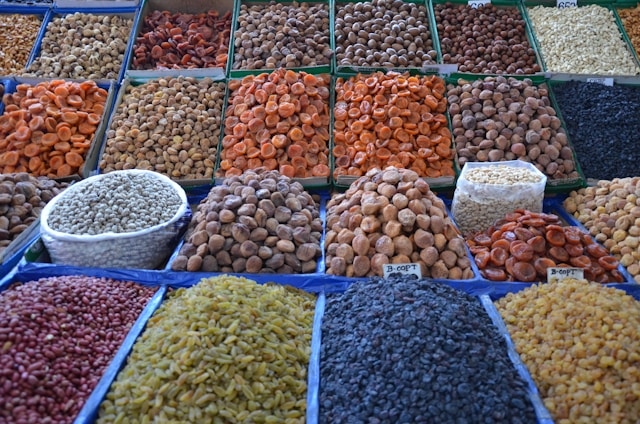
The medina of Marrakesh offers an unforgettable introduction. Start at Jemaa el‑Fnaa square, and then head into the souks that branch off. (Wikipedia) Seek the part of the souk where dried fruits and nuts are stacked in pyramids, offered in small bags, and sold by vendors who invite you to taste, chat and bargain.
Explore Fes’s ancient souks
In Fes you’ll find alleys near the Blue Gate (Bab Boujloud) where one section is “Souk Al‑Attarine,” known for spices, dried fruits, nuts and plants. This is an immersive experience—less hurried than tourist zones, more local in feel—with vibrant colours and the scent of almonds and figs in the air.
Taste and shop like a local
Don’t just look: sample. Try roasted almonds, walnuts, crunchy pistachios, sweet dried apricots, rich dates stuffed with almonds—all part of A Colorful World of Dried Fruits and Nuts in Moroccan Markets. Ask vendors for the freshest batch, look for packaging (or ask them to weigh it for you). Watch local people buying for weddings or special occasions; the same items you see are part of Moroccan life.
Photography moments
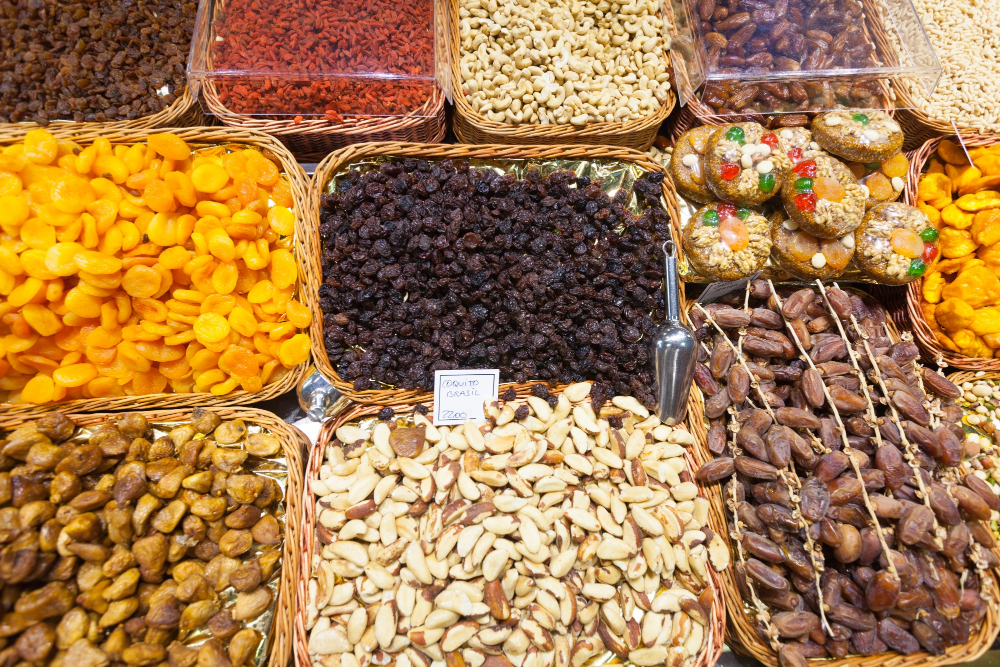
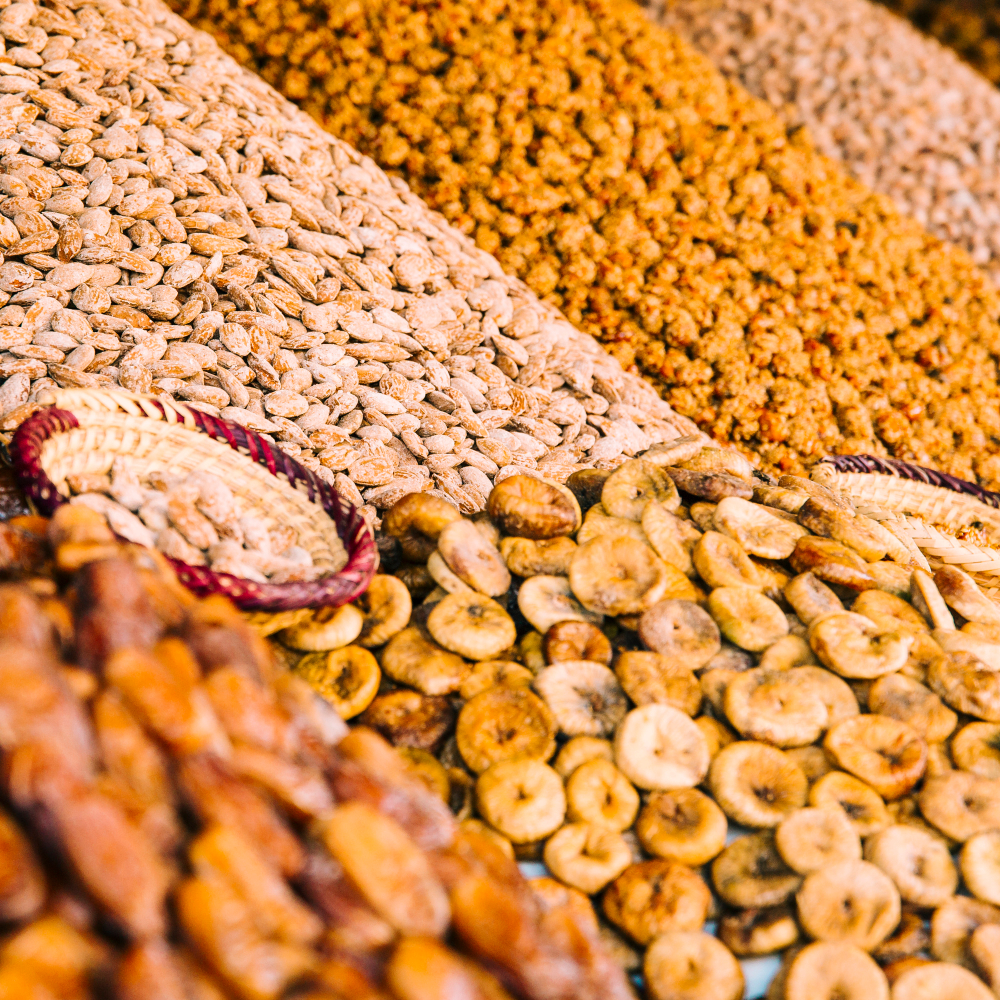
These markets are a feast for the eyes: stacks of bright orange dried apricots, deep golden raisins, pale almonds, green pistachios, ruby‑hued walnuts. Capture macro shots of textures, wide‑angle scenes of market life, vendor faces, and the interplay of light through narrow alleys.
Section 3 – Travel tips and cultural insights
Bargaining and buying
When exploring A Colorful World of Dried Fruits and Nuts in Moroccan Markets, remember: bargaining is expected. In Marrakech souks you might start at double the “real” price and gently negotiate down. Keep small denomination bills. Also, ask for a taste—many vendors will offer a sample before you buy.
Quality and freshness
Look for bright, intact nuts and dried fruits (no mould, no damp). Smell them: you should detect natural aroma, not artificial scent. Note that some stalls may mix premium items with less good ones—if you’re unsure, ask about origin (e.g., local almonds vs imported). Recent import statistics show that Morocco is buying more almonds, walnuts and dried grapes.
Cultural customs & hospitality
In Moroccan culture, offering nuts and dried fruits to guests is a sign of hospitality. Local dishes incorporate them richly—see for example the dessert Sellou, made with roasted flour, almonds, sesame and honey. (Wikipedia) Understand that when you browse the market you’re stepping into a tradition: the market is a meeting place, and interaction (smile, greet, sample) is part of the experience.
Practical tips
- Bring cash (Moroccan Dirham). Many small stalls don’t take cards.
- Carry a reusable bag to avoid plastic.
- Wear comfortable shoes: souk alleys can be uneven and crowded.
- Visit in the morning when stalls are fresh and less crowded.
- Be mindful of your belongings in busy areas.
- Ask permission for photos of people; many vendors are friendly but some prefer not to be photographed.
Section 4 – Real‑world examples or traveller stories
Let’s bring A Colorful World of Dried Fruits and Nuts in Moroccan Markets to life with two mini‑stories.
Story 1: Early morning in Marrakech
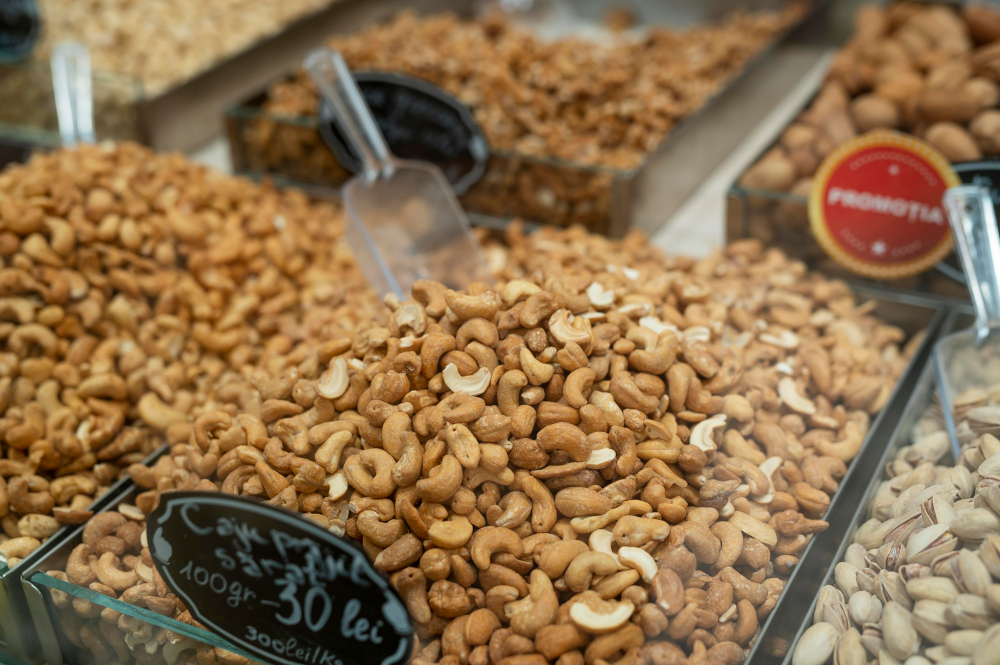
Anna, a solo traveller from Poland, arrived in Marrakech at dawn. She wandered into the medina before the midday heat. At a stall piled high with cashews, almonds and bright orange dried apricots, she was offered a sample of figs, then invited for mint tea by the vendor. She learned that the vendor’s family has been selling in the souk for three generations. Anna bought a small bag of mixed nuts, chatted for a while, and left feeling both nourished and connected. The rest of her trip she often returned to small snack bags from that market.
Story 2: Family shopping in Fes
The Smith family (two parents, two kids) visited Fes’s medina. They let their children pick their “souvenir snack” from the dried fruit & nut section of Souk Al‑Attarine. The children chose dates stuffed with almonds and colourful pistachios. The parents picked walnuts and dried apricots to take back home. The vendor wrapped the items in paper and tied it with string, and even added a little sample for free. The family later used the nuts in a picnic while trekking the hills outside Fes—connecting their market experience with a broader adventure.
Section 5 – Future travel recommendations or seasonal insights
Best time to visit
Markets operate year‑round, but some dried fruits and nuts appear especially fresh in certain seasons. For example, after harvest seasons you’ll find very fresh almonds or apricots. Visiting Morocco in spring (April‑May) or autumn (September‑October) gives milder weather and better market exploration comfort.
Seasonal specialties to look out for
- Late summer/early autumn: freshly dried apricots and figs.
- Winter: walnuts and almonds in peak condition.
- During holidays (Ramadan, Eid) markets may display special trays of nuts and dates designed for gifting. Walk through A Colorful World of Dried Fruits and Nuts in Moroccan Markets with an eye out for festive arrangements.
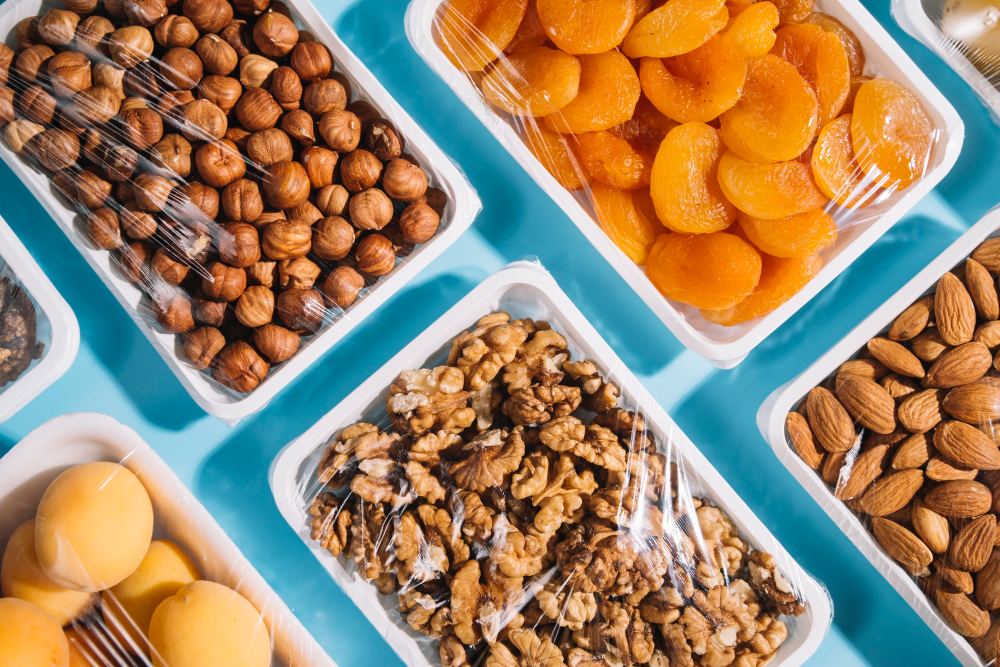
- For return gifts or souvenirs: vacuum‑sealed bags of mixed nuts or dried fruits travel well (just check import rules for destination countries).
Where next?
If you’ve enjoyed Marrakech and Fes, consider exploring smaller towns or rural markets—less touristy, more local—for even richer experiences. Each region may have its own specialty nuts, like argan‑oil roasted almonds in the south, or Berber walnut varieties in mountain villages. Your next adventure could further deepen your journey into A Colorful World of Dried Fruits and Nuts in Moroccan Markets.
FAQ: A Colorful World of Dried Fruits and Nuts in Moroccan Markets
What is the best way to carry nuts and dried fruit home from Morocco?
You can buy them in resealable bags, vacuum‑sealed packs, or ask the vendor to package them securely. Use your carry‑on or checked baggage depending on quantity and check customs rules for your home country.
Are dried fruits and nuts expensive in Moroccan markets?
Prices vary depending on quality, type (e.g., raw vs roasted, local vs imported), and season. Bargaining helps. Compare several stalls, ask for samples, and you’ll find good value. As one market guide says: check price at multiple stalls and then negotiate. (
Can I trust the quality of dried fruits and nuts from market stalls?
Generally yes, especially if the stall appears busy and sells in quantity (fresh turnover). Look for good colour, no dampness, no off‑smell. Ask about origin (some may be imported, some local). As Morocco imports large volumes of these products, you’ll find both local and imported varieties.
What’s the etiquette when visiting a souk market in Morocco?
Be friendly, say “salaam aleikum” (peace be with you) when entering an alley. Ask permission before photographs of vendors. Bargaining is normal—use polite humour. If you’re not interested, a simple “la shukran” (no thank you) with a smile suffices. Also dress modestly, especially in more traditional quarters.
Are there any restrictions on buying nuts/dried fruits to take out of the country?
Check your country’s customs/import rules. Some nuts require inspection or have duty‑limits. Also, if you buy very large quantities you may need a receipt or documentation—vendors can sometimes provide. Make sure items are packaged cleanly and stored in your luggage safely.
Conclusion
Exploring A Colorful World of Dried Fruits and Nuts in Moroccan Markets is more than shopping—it’s stepping into the heartbeat of Moroccan culture: vibrant colours, rich flavours, warm hospitality, bargaining smiles, and the rhythms of daily life. From Marrakesh to Fes (and beyond), each market visit offers a unique story. So pack your curiosity, bring a reusable bag, wear comfy shoes, and go wander through the alleys. Taste, chat, capture memories—and maybe bring home a bag of almonds or dried apricots as a souvenir of your journey.
Ready to plan your trip? Head over to skiesofmorocco for more inspiration, local guides, and tailored travel tips. Let the souks call you.