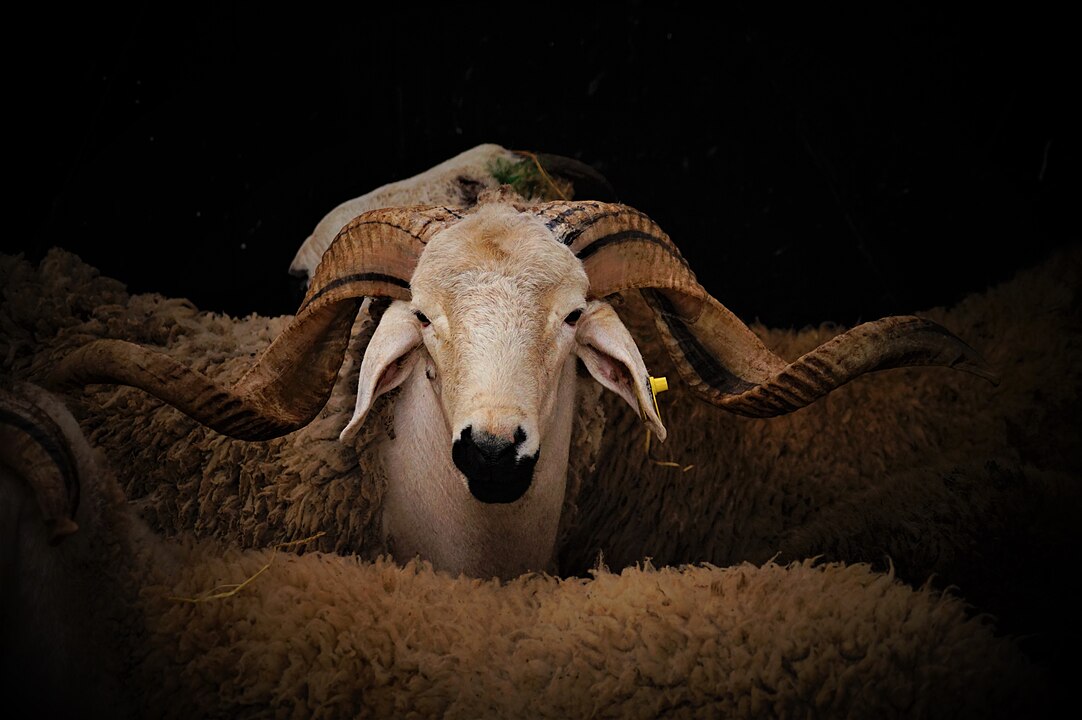
Every year, Morocco comes alive with vibrant traditions, heartfelt prayers, and family gatherings during one of the most significant Islamic holidays: Eid Al Adha (Eid Al Kabir) in Morocco – The Festival of the Sacrifice. Known locally as Eid Al Kabir (“the big feast”), this holiday is both a deeply spiritual occasion and a cultural celebration that showcases Moroccan hospitality, generosity, and unity.
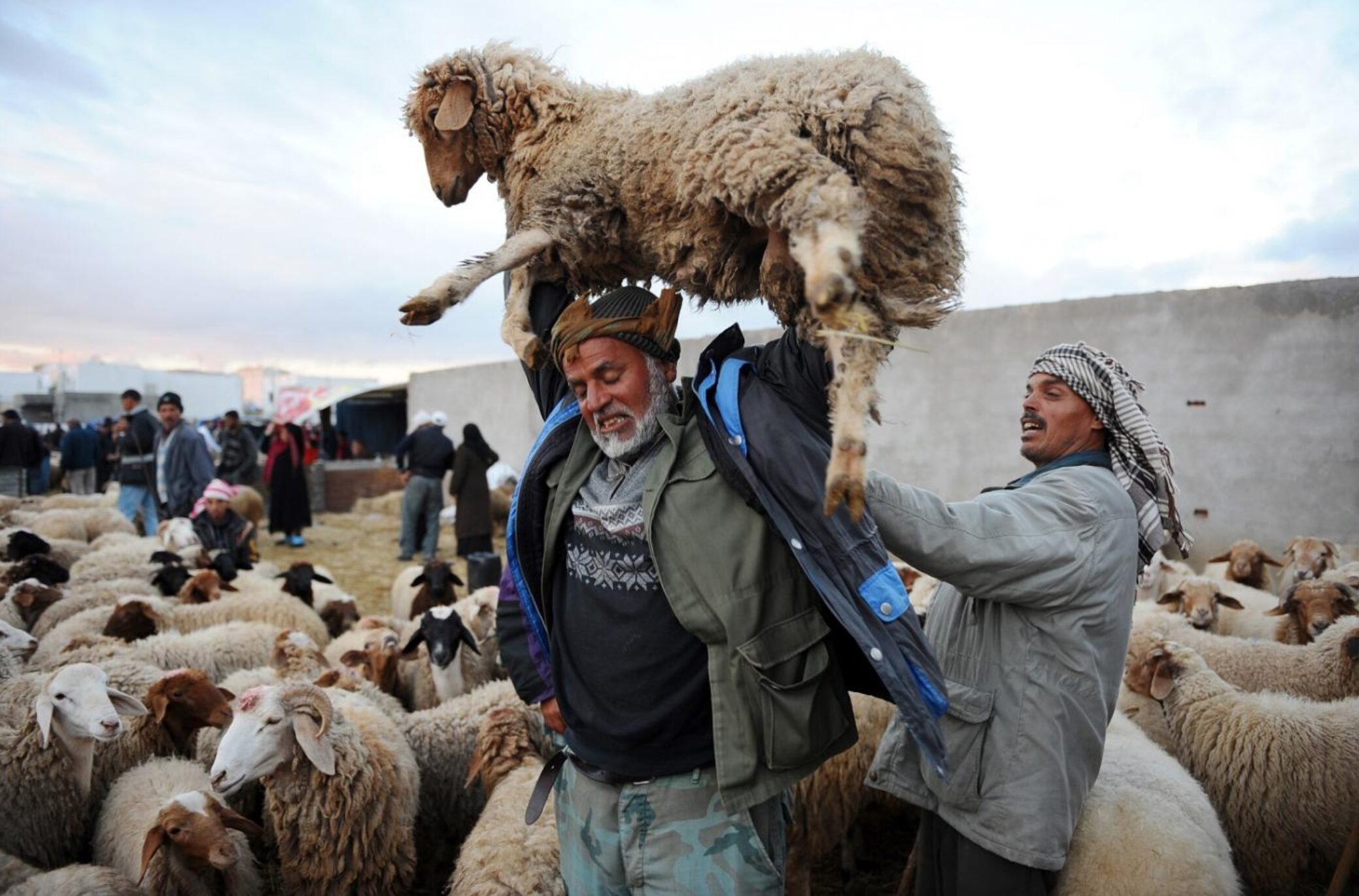
For travelers curious about Moroccan traditions, experiencing Eid Al Adha offers a rare opportunity to see how faith and culture intertwine, from sacred rituals to community feasts.
The Religious Significance of Eid Al Adha
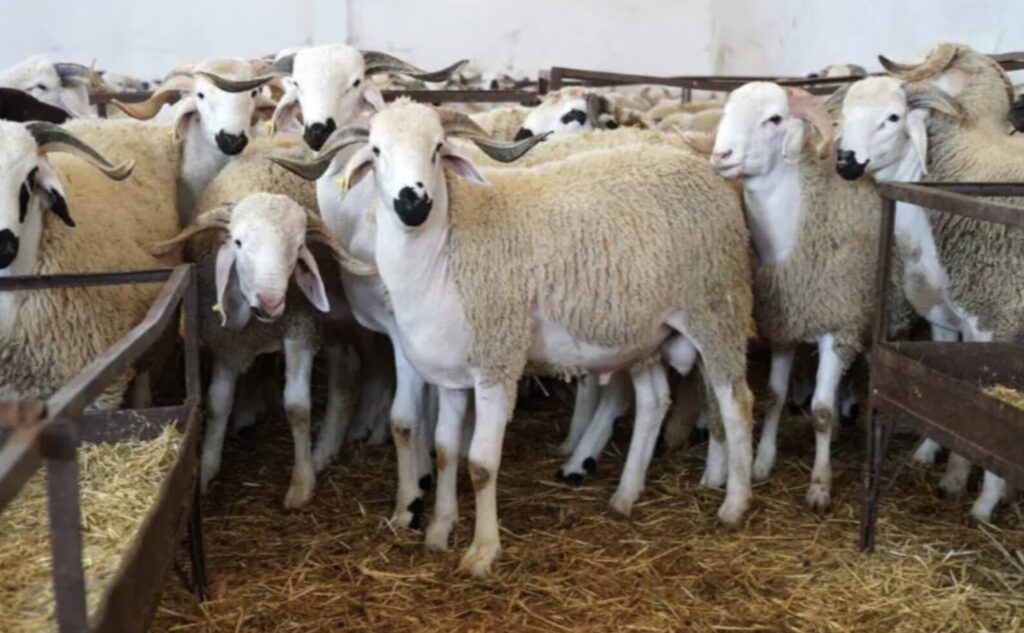
Eid Al Adha, celebrated on the 10th day of Dhul-Hijjah in the Islamic calendar, honors the story of Prophet Ibrahim (Abraham) and his devotion to God’s command. As told in Islamic tradition, Ibrahim was willing to sacrifice his son before God provided a ram as a substitute. To commemorate this act of faith, Muslims worldwide perform the ritual sacrifice of a sheep, goat, or cow.
In Morocco, the holiday carries special importance. Families come together for prayers, the sacrifice, and festive meals, while acts of charity ensure that the less fortunate also share in the celebration.
Eid Al Adha in Morocco – Traditions and Experiences
Morning Prayers
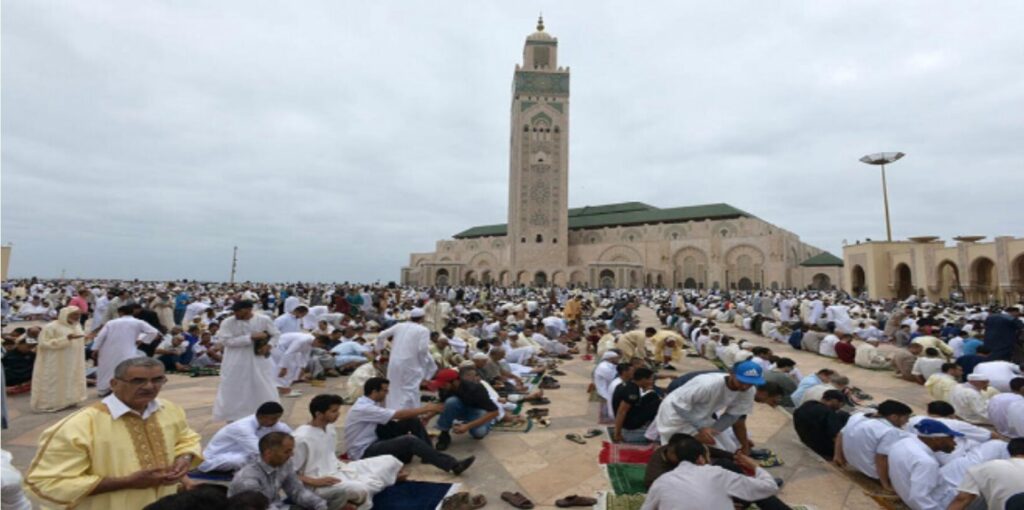
The day begins with a special prayer held at mosques and open prayer grounds. Dressed in their finest clothes, Moroccans join in large congregations to offer thanks and reflect on the meaning of sacrifice.
The Sacrifice
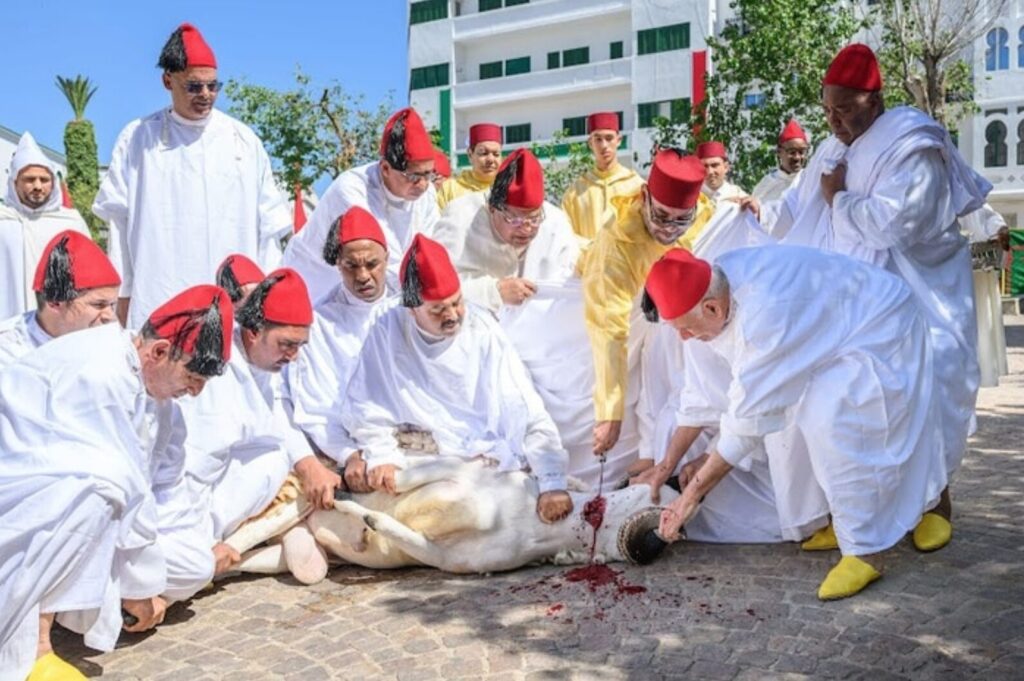
The ritual sacrifice, usually of a sheep, is central to Eid Al Adha in Morocco. Families perform the act after prayers, following Islamic guidelines. The meat is divided into three parts: one-third for the family, one-third for relatives and friends, and one-third for those in need.
Festive Meals
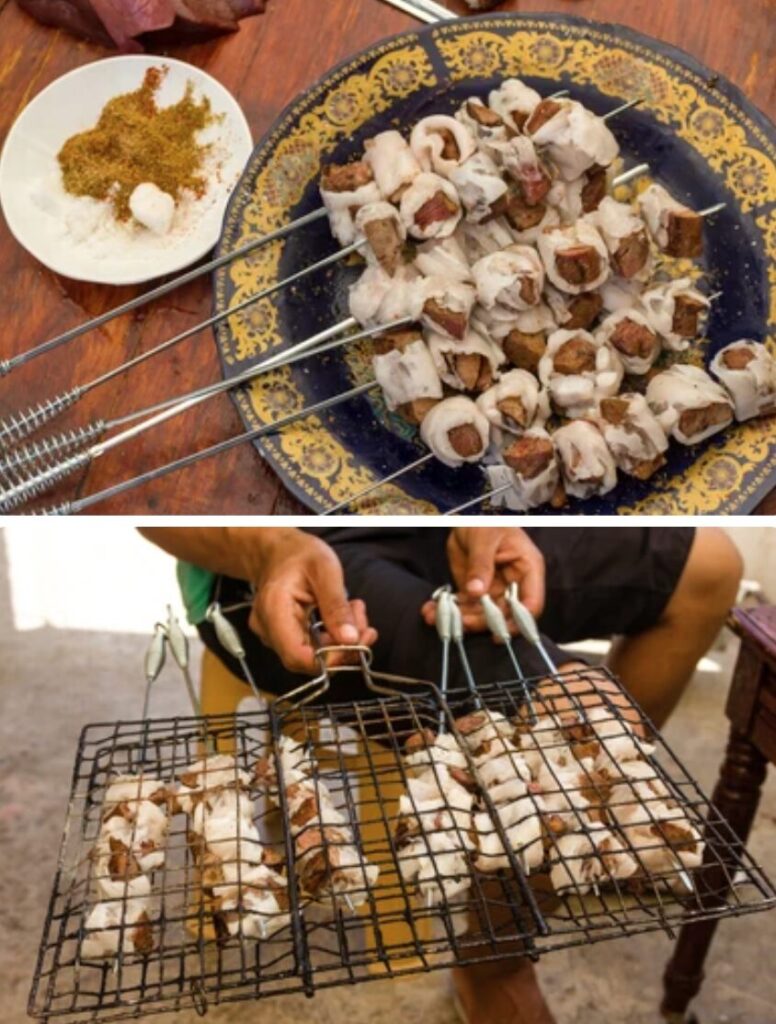
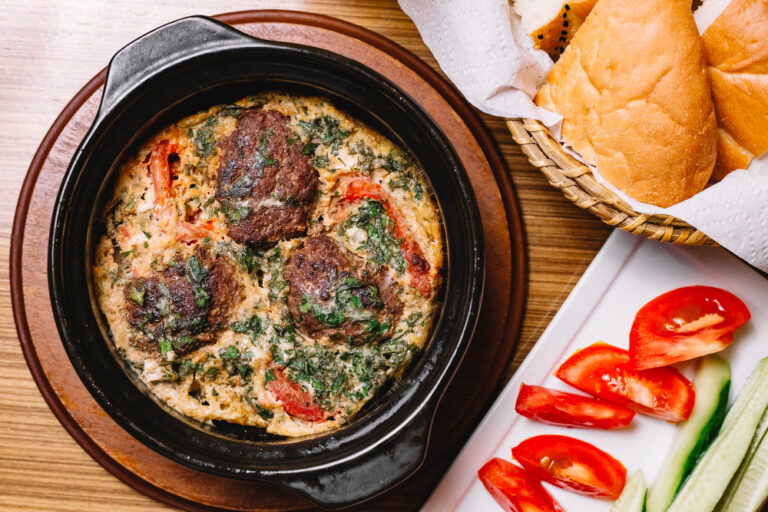
Moroccan cuisine shines during Eid. Families prepare dishes like mechoui (roast lamb), brochettes, and traditional stews. The aroma of spices fills the air as families gather around the table to share their blessings.
Family and Community
Beyond the rituals, Eid is about togetherness. It’s common for Moroccans to visit relatives, exchange gifts, and strengthen social bonds. For travelers, the generosity of Moroccan hospitality is especially evident during this time.
Travel Tips for Experiencing Eid Al Adha in Morocco
Plan Ahead
Eid Al Adha is a public holiday, and many businesses close for several days. Travelers should plan accommodations, transportation, and sightseeing with this in mind.
Respect Local Customs
As a visitor, it’s important to respect the religious significance of the holiday. Dress modestly, avoid unnecessary travel during prayer times, and be mindful when taking photos.
Join the Celebration
If invited, don’t hesitate to join a Moroccan family for an Eid meal. It’s one of the most authentic cultural experiences you can have.
Explore Beyond the Feast
While Eid centers around family, Moroccan cities like Casablanca and Marrakech remain vibrant. Visiting souks, enjoying local desserts, or exploring quieter streets can give travelers a deeper sense of Morocco during this special period.
Stories from Moroccan Families and Travelers
For many Moroccans, Eid Al Adha is filled with childhood memories of waking up early, dressing in new clothes, and waiting excitedly for the sheep to arrive. Children often help prepare decorations or deliver meat portions to neighbors, learning the values of generosity and community.
Travelers, too, are deeply touched by the experience. One visitor to Fez recalled being welcomed by a local family for an Eid meal: “We sat together around a huge platter of couscous with lamb, and even though we spoke different languages, the warmth and kindness made me feel at home.”
Another traveler in Marrakech described Eid as “a festival where the entire city seemed to pause for reflection, then burst into joy, laughter, and feasting.”
Seasonal Insights – When to Visit Morocco for Eid Al Adha
Because Eid Al Adha follows the Islamic lunar calendar, the date shifts each year by about 10–11 days in the Gregorian calendar. Travelers interested in experiencing the holiday should check the calendar in advance.
Visiting Morocco during Eid offers:
- A glimpse into Moroccan spirituality and tradition.
- A chance to witness community spirit and generosity.
- An opportunity to taste authentic festive dishes rarely prepared outside this holiday.
For travelers looking for cultural immersion, Eid Al Adha is one of the most memorable times to visit Morocco.
FAQ – Eid Al Adha (Eid Al Kabir) in Morocco
What is Eid Al Adha in Morocco?
Eid Al Adha, also called Eid Al Kabir, is one of the most important Islamic holidays. It commemorates Prophet Ibrahim’s devotion and is marked by prayer, sacrifice, and feasting.
How do Moroccans celebrate Eid Al Kabir?
They begin with morning prayers, perform the ritual sacrifice, share meat with relatives and the poor, and enjoy festive meals with family and friends.
Can tourists participate in Eid Al Adha traditions?
Yes, tourists are often welcomed by locals. Joining a family for an Eid meal or observing the customs respectfully offers a deep cultural experience.
What foods are prepared during Eid Al Adha in Morocco?
Dishes include mechoui (slow-roasted lamb), kebabs, stews, and couscous with fresh lamb. Desserts and mint tea are also staples.
When is Eid Al Adha celebrated in Morocco?
It is celebrated on the 10th day of Dhul-Hijjah in the Islamic calendar, which shifts each year in the Gregorian calendar.
Conclusion
Experiencing Eid Al Adha (Eid Al Kabir) in Morocco – The Festival of the Sacrifice offers travelers a profound look into Moroccan faith, family life, and cultural traditions. From early morning prayers to the sharing of meals and charity, Eid is a living example of Morocco’s values of devotion, generosity, and hospitality.
For those seeking a travel experience beyond monuments and landscapes, visiting Morocco during Eid Al Adha opens the door to heartfelt human connections and unforgettable cultural immersion.
-Ready to explore Morocco’s festivals and traditions? Discover more cultural journeys at skiesofmorocco,and plan your next adventure today.