Among Morocco’s many culinary treasures, few dishes represent warmth, comfort, and tradition quite like Kebab Maghdour – Moroccan Tagine of Cubed Meat. This slow-cooked, richly seasoned specialty is beloved across the country for its tender meat, aromatic spices, and hearty sauce. For travelers seeking an authentic taste of Moroccan hospitality, Kebab Maghdour offers the perfect entry point into local cuisine.
In this travel guide, we explore the roots of this iconic dish, where to find the best versions, cultural insights, traveler stories, and how to enjoy it like a true local during your journey through Morocc
What Is Kebab Maghdour? An Overview of the Dish
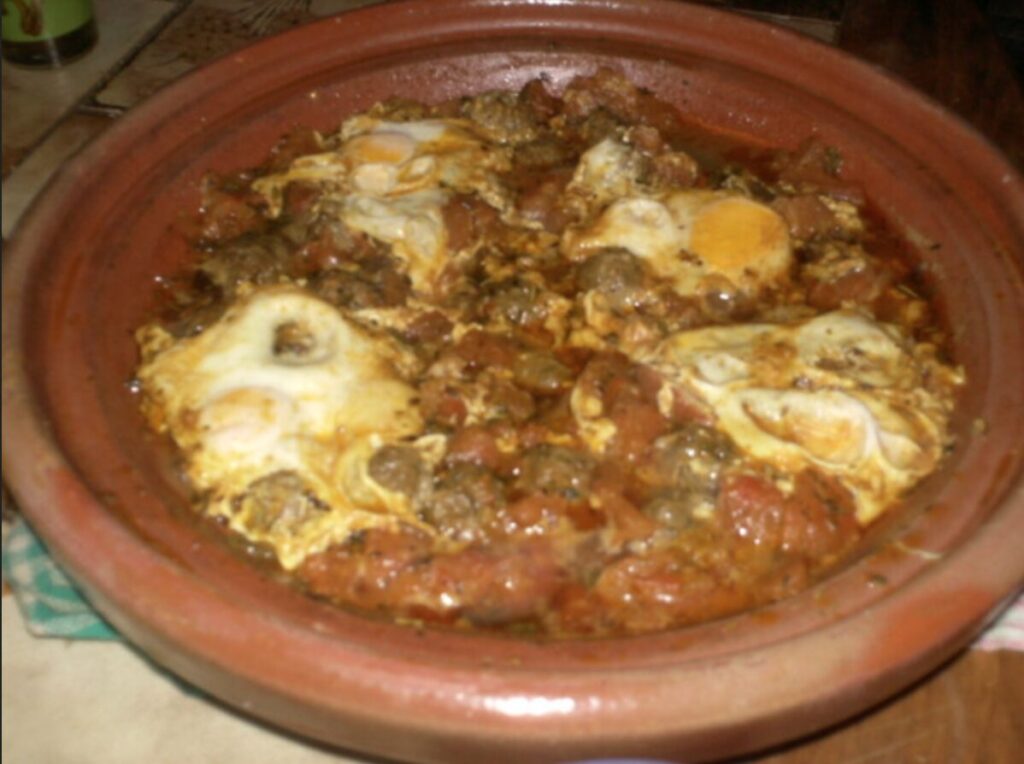
A Classic Moroccan Tagine With Deep Cultural Roots
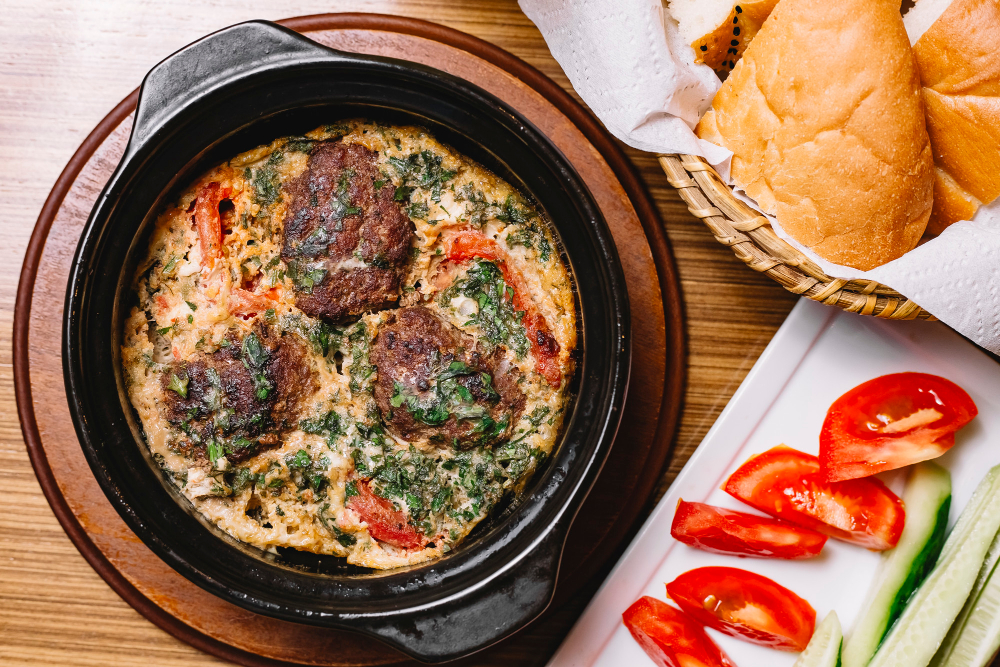
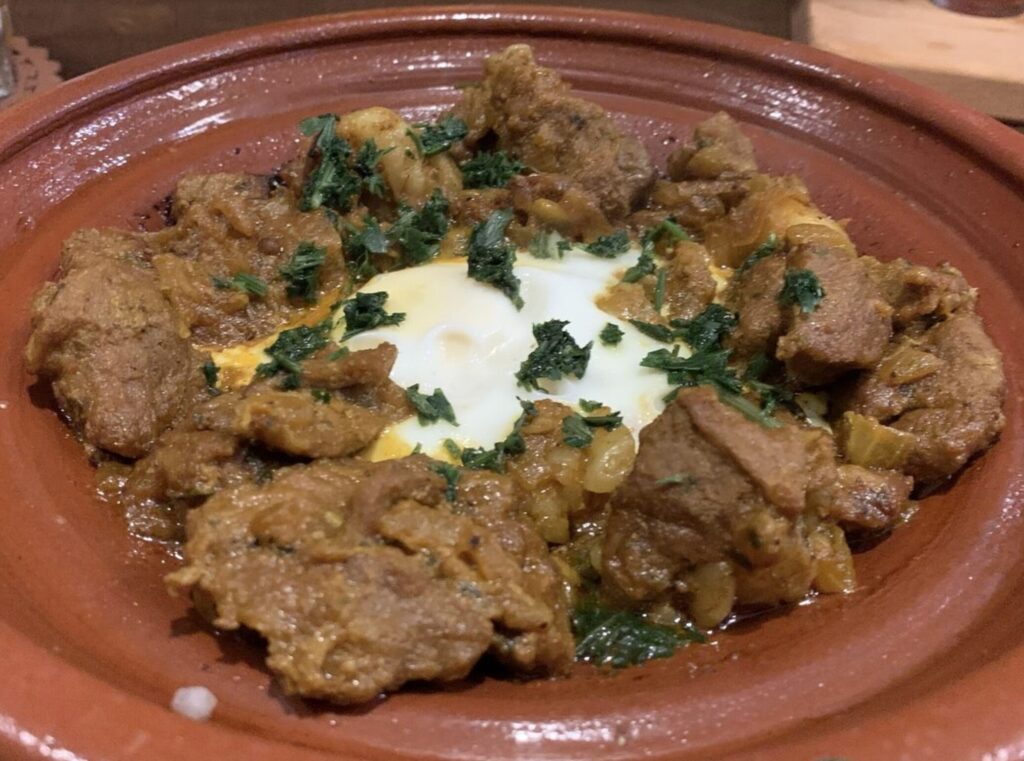
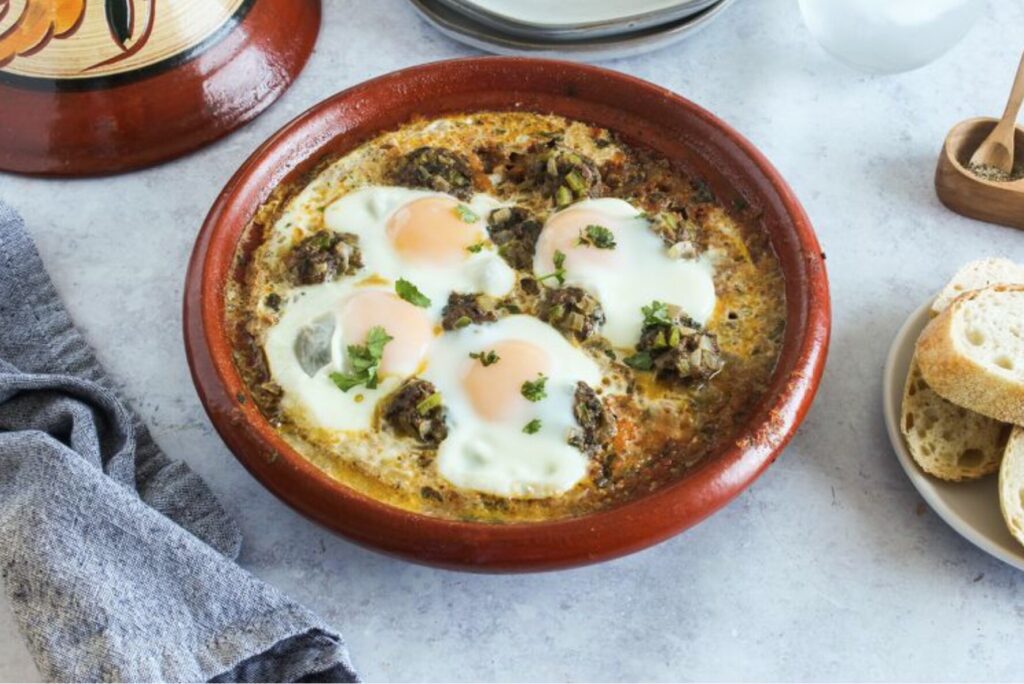
Despite the name “kebab,” Kebab Maghdour – Moroccan Tagine of Cubed Meat is not grilled on skewers. Instead, it’s a warming tagine-style stew made with cubes of beef or lamb simmered in a spiced tomato-based sauce. The dish features classic Moroccan flavors such as paprika, cumin, garlic, olive oil, and preserved lemon. Slow cooking allows the meat to become melt-in-your-mouth tender while absorbing every layer of flavor.
Kebab Maghdour is enjoyed in homes, traditional restaurants, and medina eateries from Fes to Marrakech. The dish also reflects the country’s deep culinary heritage, shaped by Amazigh traditions, Andalusian influences, and Arab spice culture (learn more about Morocco’s history on Wikipedia ).
Whether served bubbling in a clay tagine or plated alongside fresh khobz (bread), it offers one of the most flavorful experiences travelers can enjoy during their stay.
Where to Try the Best Kebab Maghdour – Moroccan Tagine of Cubed Meat
Top Moroccan Cities Offering Authentic Culinary Experiences
1. Marrakech – The Red City’s Flavorful Heart
Marrakech is a paradise for food lovers. In the bustling Jemaa el-Fnaa square, you’ll find stalls serving steaming plates of Kebab Maghdour – Moroccan Tagine of Cubed Meat. Many local eateries also offer their own twist, adding chickpeas or roasted peppers for extra depth.
Step into the narrow alleys of the medina, and you’ll discover hidden restaurants where chefs prepare the dish in traditional clay tagines over charcoal fires. The result is a smoky, slow-cooked masterpiece.
Learn more about the city of Marrakech on Wikipedia for cultural background and travel context .
2. Fes – The Living Museum of Morocco
Fes is known for its ancient culinary traditions, and Kebab Maghdour is no exception. Here, the dish is often served with a rich tomato-based sauce and aromatic spices unique to the region. Many visitors find that Fassi cuisine has a delicate balance of flavors that makes the tagine especially memorable.
3. Meknes – A Hidden Gem for Food Lovers
Often overshadowed by nearby Fes, Meknes offers a quieter but equally delicious food scene. Local restaurants use tender, high-quality beef and slow-cook it with onions, garlic, cumin, and paprika. The result? A deeply comforting version of the dish that keeps travelers coming back for more.
4. Chefchaouen – The Blue City With Blue-Tinted Flavors
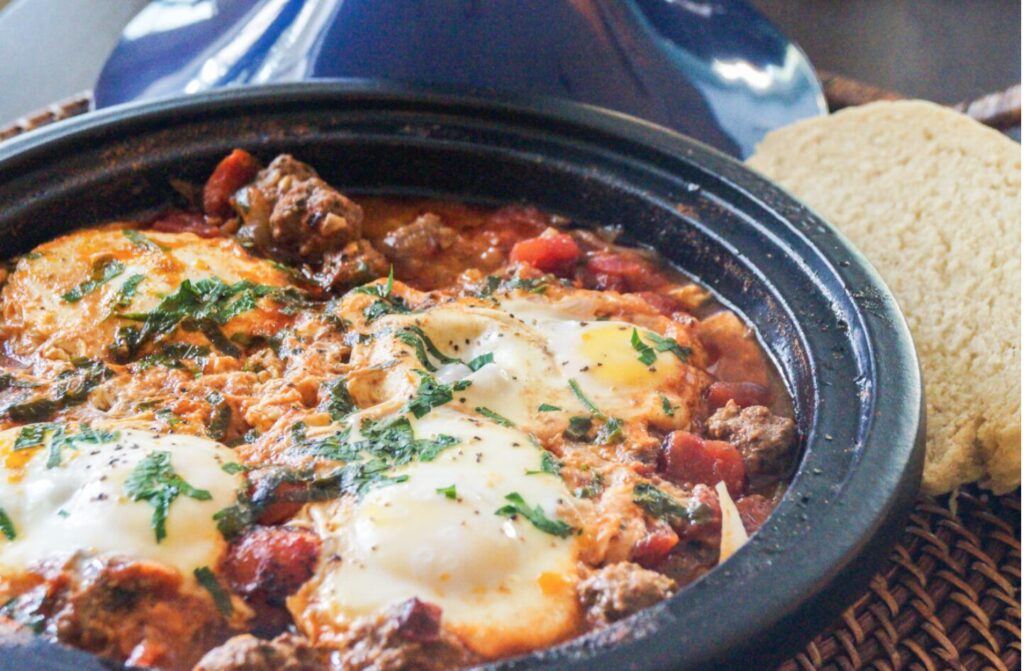
In the charming blue-painted streets of Chefchaouen, travelers can enjoy a rustic, homestyle interpretation of Kebab Maghdour – Moroccan Tagine of Cubed Meat. Restaurants often serve it with olives and potatoes, adding a northern Moroccan twist to the dish.
Travel Tips and Cultural Insights
How to Enjoy Kebab Maghdour Like a Local
1. Always Eat With Bread, Not a Fork
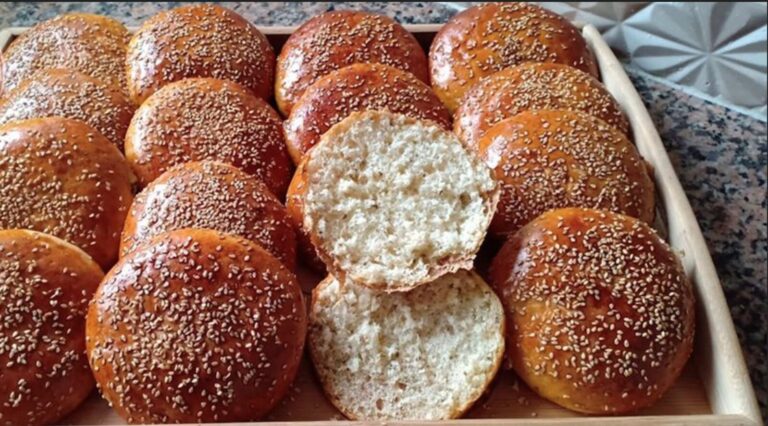
Kebab Maghdour is traditionally scooped up with Moroccan khobz, a round, crusty bread baked fresh each morning. Travelers can often watch bakers pull steaming loaves straight out of communal ovens.
2. Expect Regional Variations
Depending on where you travel:
- Marrakech often adds a smoky depth.
- Fes uses delicate spices and richer sauces.
- Northern Morocco may include potatoes, olives, or green peppers.
This makes tasting the dish in different cities an adventure of its own.
3. Tagine Cooking Is an Art
Moroccans slow-cook Kebab Maghdour to allow flavors to gently develop. The tagine’s conical lid traps steam, creating a natural slow cooker. Watching a chef lift the lid and release the fragrant aroma is an experience you won’t forget.
4. Portions Are Generous
Moroccan hospitality is legendary. Don’t be surprised if you’re served a large plate meant to be shared. Food, after all, is a symbol of connection.
Traveler Stories and Real-Life Experiences
What Visitors Say About Kebab Maghdour
Emma from Australia recalls wandering through Marrakech’s medina on her first night. She followed the smell of spices to a tiny eatery where a grandmother was preparing Kebab Maghdour – Moroccan Tagine of Cubed Meat in a clay pot. “It tasted like comfort and tradition,” she said. “I felt like I was eating a family recipe.”
Lucas from Germany tried the dish in Fes after a long day exploring the ancient tanneries. “It was rich, hearty, and full of flavor. The bread was perfect for soaking up the sauce. I still think about it.”
Yumi from Japan joined a cooking class in Chefchaouen where she learned to prepare the dish with preserved lemon and olives. “It made me appreciate the importance of patience in Moroccan cooking,” she shared.
These stories show how food becomes part of the travel experience—something that stays with you long after the trip ends.
Seasonal Insights and Future Travel Recommendations
When to Enjoy Kebab Maghdour in Morocco
1. Winter – The Best Time for Hearty Tagines
Kebab Maghdour is especially comforting during cooler months. Winter in Morocco makes warm, slow-cooked dishes even more satisfying.
2. Fall and Spring – Mild Weather, Perfect for Food Tours
These seasons are ideal for exploring medinas, markets, and traditional restaurants. You’ll find plenty of places serving the dish in its classic form.
3. Summer – Lighter Versions Available
Although summers can be hot, many restaurants adjust by offering slightly lighter versions with less sauce or added vegetables.
4. Food Festivals and Culinary Tours
During certain months, cities like Marrakech and Fes host food festivals where travelers can sample various regional dishes, including Kebab Maghdour – Moroccan Tagine of Cubed Meat.
FAQ – Kebab Maghdour – Moroccan Tagine of Cubed Meat
What is the main difference between Kebab Maghdour and regular kebab?
Kebab Maghdour is a slow-cooked tagine dish made with cubed meat, not grilled skewers.
What type of meat is used?
Beef and lamb are most common, though some regions use veal for a softer texture.
Is the dish spicy?
It’s usually mild but rich in spices. Some versions include chili or harissa for added heat.
Can vegetarians enjoy a similar dish?
Yes—many restaurants offer vegetable tagines with similar sauces and seasoning.
Where can travelers learn to cook it?
Cooking classes in Marrakech, Fes, and Chefchaouen often include Kebab Maghdour in their menus.
Conclusion
Exploring Morocco through its cuisine is one of the most immersive ways to understand its culture—and Kebab Maghdour – Moroccan Tagine of Cubed Meat is at the heart of that experience. Whether you’re wandering Marrakech’s vibrant streets, discovering Fes’s ancient alleys, or relaxing in the peaceful mountains of Chefchaouen, this hearty dish will add warmth and authenticity to your journey.
Ready to dive deeper into Morocco’s culinary treasures?
Plan your next adventure at skiesofmorocco and uncover the flavors that make this country unforgettable.