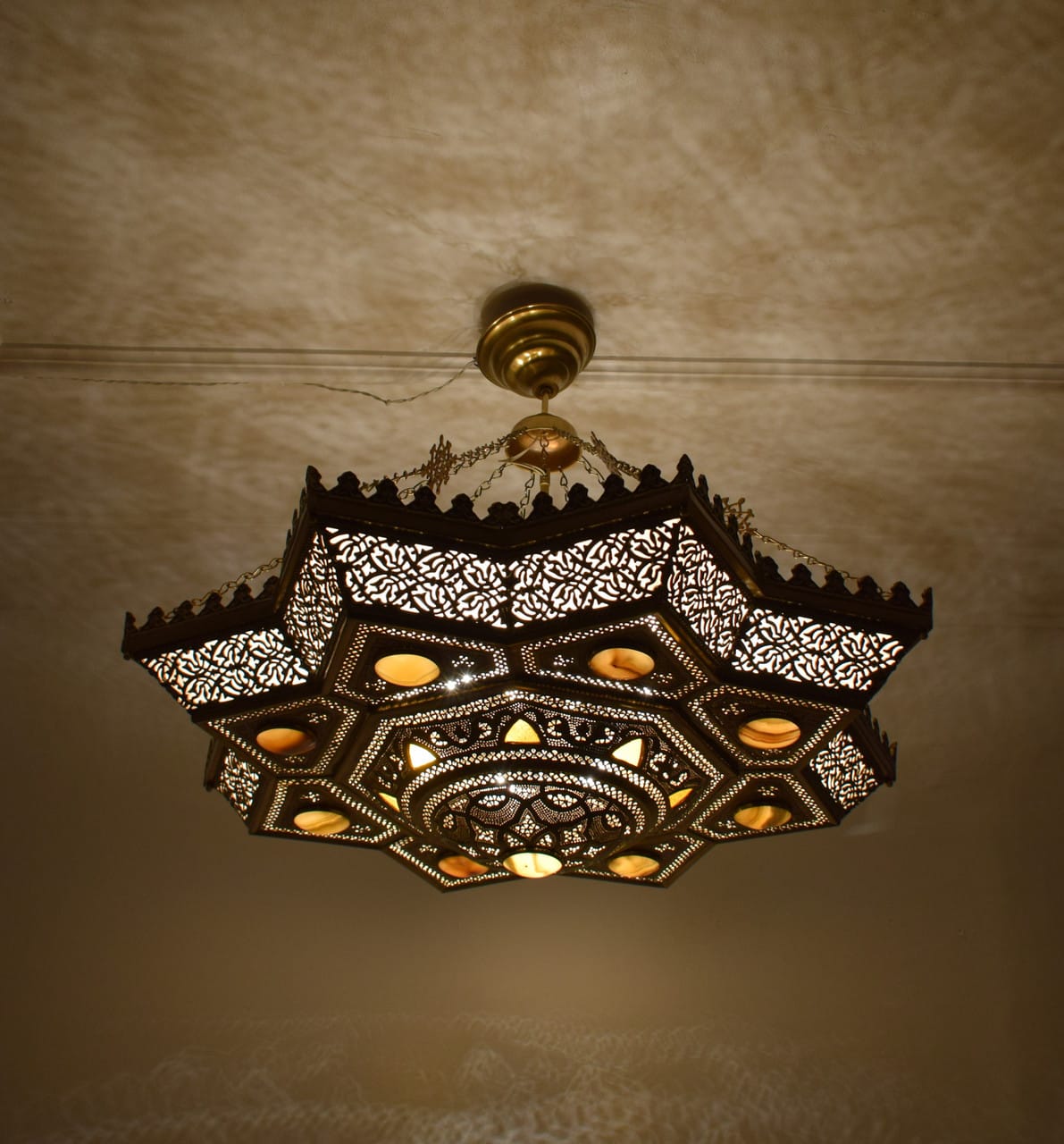
When night falls in Morocco, cities like Marrakech, Fez, and Essaouira begin to shimmer in a golden glow. The source of that warm, intricate light? The lampe marocaine, a handcrafted lantern that captures both art and soul. These lamps are more than mere decorations — they’re pieces of history, symbols of hospitality, and reflections of Morocco’s timeless craftsmanship.
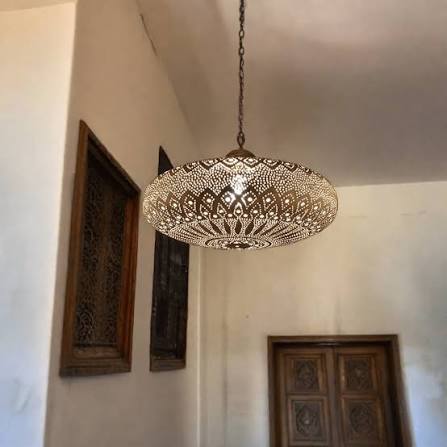
From the winding medinas to luxurious riads, the lampe marocaine has illuminated Moroccan life for centuries, transforming simple spaces into realms of warmth and beauty. In this article, we’ll uncover the story behind these magical lamps, where to find them, and how they embody the spirit of Moroccan artistry.
The Story Behind the Lampe Marocaine
The lampe marocaine — often made from brass, copper, or colored glass — traces its roots back to the days when Moroccan artisans (or maalmin) shaped light into art. Combining Arab, Berber, and Andalusian influences, these lamps are an expression of Morocco’s rich cultural fusion.
Each lamp is carefully cut, engraved, and assembled by hand. The result? A kaleidoscope of light that dances across walls, ceilings, and courtyards, turning even the simplest evening into something magical.
Historically, Moroccan lamps were used not only for lighting but also for spiritual and decorative purposes — symbolizing enlightenment and purity. In mosques and palaces, these lamps once hung as guiding lights, both literal and symbolic.
Today, the lampe marocaine has become a global design icon — adorning homes, restaurants, and hotels from Paris to Dubai — while still holding a deep connection to Moroccan tradition.
Learn more about Morocco’s artistic legacy on Moroccan culture – Wikipedia.
Exploring the Magic: Where to Find Authentic Lampe Marocaine
1. Marrakech – The Medina of Lights
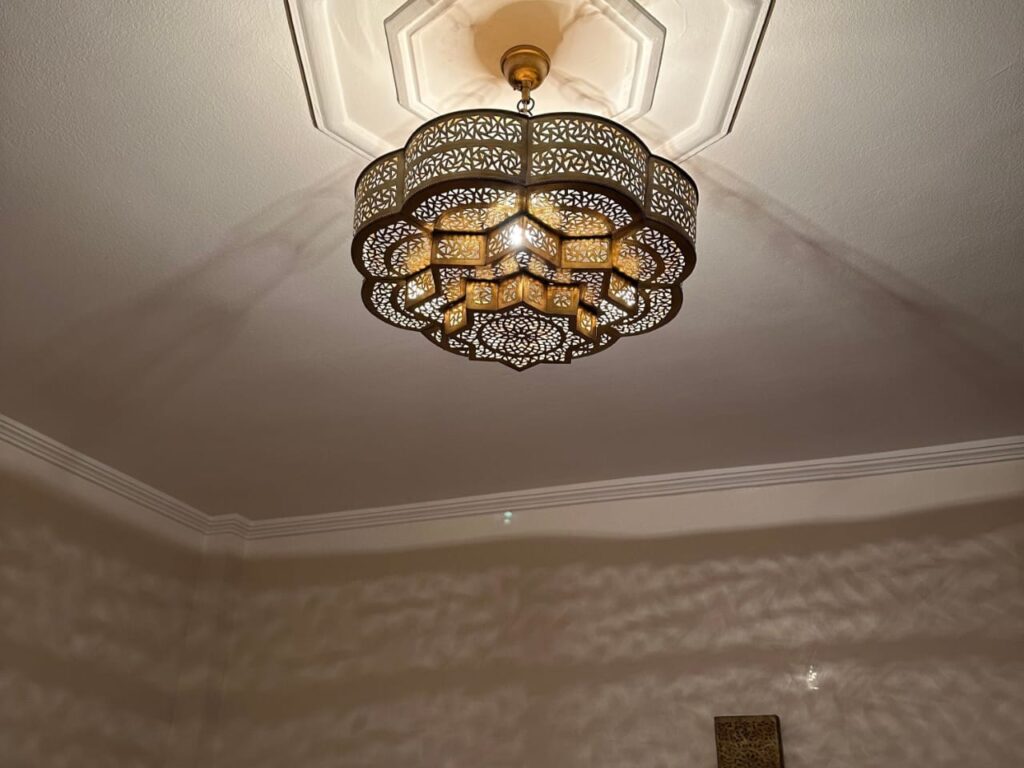
The heart of Marrakech is an open-air gallery of glowing art. In the souks, particularly near the Rahba Kedima Square, artisans display hundreds of lamps — from delicate hanging lanterns to large brass floor lamps. As the sun sets, the market transforms into a sea of shimmering metal and glass.
Every lampe marocaine here tells its own story — some shaped like stars, others like teardrops, each revealing a unique design passed down through generations.
2. Fez – Where Tradition Meets Perfection
Fez, Morocco’s oldest imperial city, is renowned for its craftsmanship. In the labyrinthine Medina of Fez, you’ll find workshops that have been creating lamps the same way for centuries. Watching a craftsman carve patterns into brass by hand is like witnessing poetry in motion.
3. Essaouira – Light by the Sea
In this breezy coastal town, the lampe marocaine takes on a lighter, more bohemian style. Local artists mix metalwork with seashells, glass, and recycled materials, blending Moroccan tradition with coastal creativity. The result is a lamp that captures both light and life.
(You can also explore more about Marrakesh on Wikipedia to plan your next visit.)
The Artistry of the Lampe Marocaine
Materials and Techniques
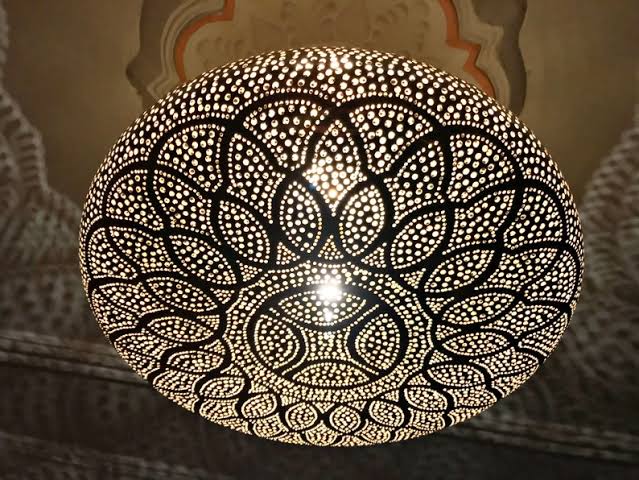
The beauty of a lampe marocaine lies in its detail. Artisans typically use:
- Brass or copper for the structure
- Stained or clear glass for soft color diffusion
- Intricate engravings inspired by Islamic geometry and nature
Creating one lamp can take several days. Holes are hand-drilled to form delicate lace-like patterns. When lit, the lamp casts mesmerizing shadows — transforming an ordinary room into a work of art.
Styles and Shapes
You’ll find various forms:
- Suspension lamps (lanterns) – Hanging in riads or courtyards
- Table lamps – Perfect for intimate corners
- Wall sconces – Often used in hammams or palaces
- Floor lamps – Tall, majestic, and intricately carved
Each lamp reflects Morocco’s regional diversity — the bold brass of Marrakech, the silver tones of Fez, or the minimalist white of Essaouira.
Travel Tips: How to Buy and Bring Home a Lampe Marocaine

Shop Locally and Ethically
To truly appreciate the lampe marocaine, buy directly from local artisans. Not only does this support traditional craftsmanship, but it ensures you’re getting a unique, authentic piece rather than a factory-made imitation.
Negotiate Respectfully
Bargaining is part of the Moroccan shopping experience. Start with a smile, ask about the work, and appreciate the time it takes to make each lamp. Remember — negotiation here is an art form of its own.
Packing and Shipping
If you buy a larger lamp, most shops will pack it carefully for travel or ship it abroad. Be sure to ask for proper wrapping — Moroccan lamps are delicate treasures!
Bring the Atmosphere Home
Once back home, hang your lampe marocaine in a cozy spot — above a tea table, in a reading nook, or in your garden. Each time it glows, it will remind you of Morocco’s warm evenings and gentle hospitality.
A Traveler’s Story: The Light That Followed Me Home
One traveler from Spain described her experience:
“I was wandering through the Marrakech Medina when I saw a craftsman hammering small dots into brass. I stood there for minutes, mesmerized. Later that night, I returned and bought the lamp he’d just finished. It now hangs in my living room, and every night when I light it, I feel like I’m back in Morocco — sipping mint tea and hearing the call to prayer in the distance.”
Stories like this capture the true magic of the lampe marocaine — how a simple object can carry the soul of a place across borders.
When to Visit Morocco for the Best Lighting Experience
The best time to explore Morocco’s magical lamps is during spring (March to May) or autumn (September to November). The mild weather makes it easy to wander through medinas in the evening when lamps are lit and the atmosphere is enchanting.
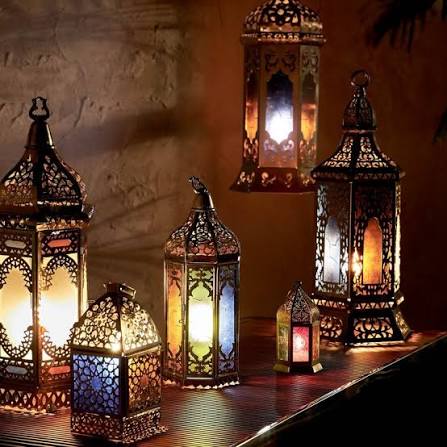
During Ramadan, the cities glow even brighter. Lanterns hang in streets, mosques, and cafes, creating a spiritual and romantic atmosphere that defines Moroccan nights.
If you visit during winter, seek out cozy riads — their warm lighting and decor offer the perfect showcase of Moroccan design.
FAQ – Lampe Marocaine
What is a lampe marocaine?
A lampe marocaine is a traditional Moroccan lamp handcrafted from metal and glass. It’s known for its intricate designs and the beautiful light patterns it casts.
Where are Moroccan lamps made?
They’re mainly crafted in cities like Marrakech, Fez, and Essaouira, where artisans specialize in traditional metalwork.
Can tourists buy and take lamps home?
Yes! Many shops offer packing and shipping services, making it easy for tourists to safely bring their lamps home as souvenirs.
What styles of Moroccan lamps exist?
From hanging lanterns to table lamps and wall sconces, Moroccan lamps come in many styles. Each reflects a mix of Arab, Berber, and Andalusian artistry.
What makes Moroccan lamps special?
Their beauty lies in the hand-carved metalwork and colored glass that create stunning patterns of light — turning every space into a Moroccan dream.
Conclusion
The lampe marocaine is more than an object — it’s a glowing symbol of Morocco’s art, spirit, and warmth. Each lamp tells a story, handcrafted with care and imagination by artisans who’ve inherited centuries of tradition.
When you walk through Morocco’s medinas and see these lamps flickering softly in the night, you realize that light here is not just functional — it’s poetic.
So, next time you visit Morocco, don’t just admire the lamps from afar — take one home. Let its golden glow remind you of the evenings spent beneath Moroccan skies, where every shadow whispers a story.
– Plan your next journey at skiesofmorocco and discover how light and culture come together in one of the world’s most enchanting destinations.