
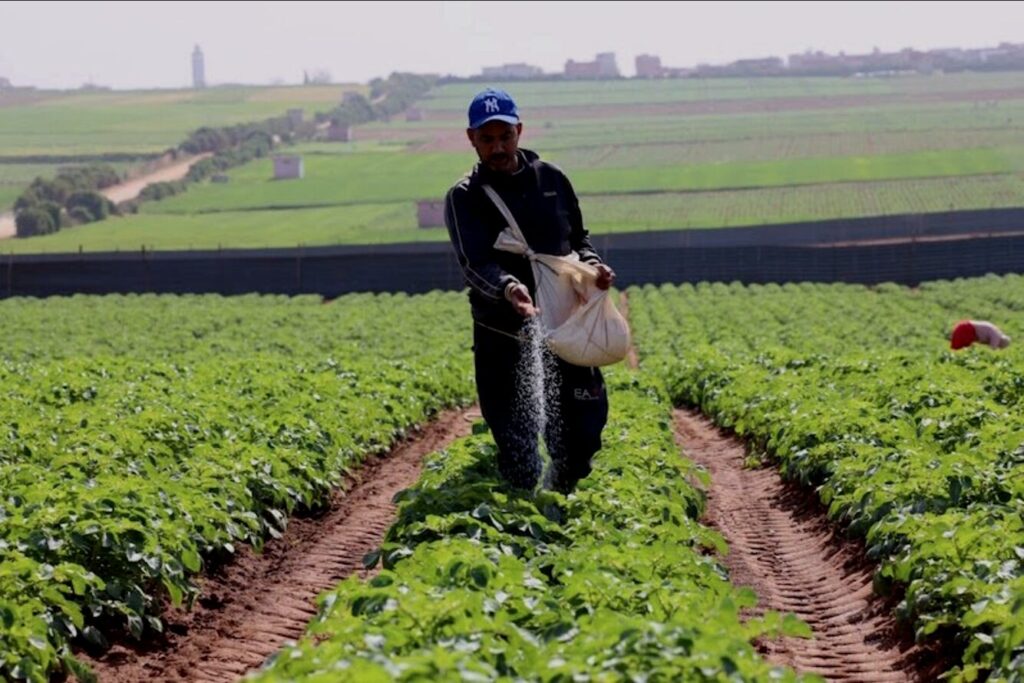
Across the mountains, plains, oases, and coastlines of Morocco, rural landscapes paint a vivid portrait of tradition, resilience, and deep connection to the land. Moroccan Agriculture and Rural Life is more than a sector of the economy—it is a cultural foundation rooted in ancestral practices, community ties, and sustainable methods passed down through generations.
For travelers seeking authenticity, the rural world of Morocco offers peaceful escapes, immersive farm stays, and insights into local customs that remain beautifully preserved. From watching farmers harvest saffron in Taliouine to wandering through the olive groves of the Rif and palm oases of the Sahara, this guide explores the heart of Morocco’s countryside and its agricultural identity.
Section 1 – Overview of the Topic
A Living Heritage Shaped by Land and Tradition
To understand Moroccan Agriculture and Rural Life, we must look at the country’s diverse terrains. Morocco’s geography—ranging from the Atlas Mountains to the Sahara Desert, from fertile coastal plains to oasis valleys—creates micro-climates that support a remarkable variety of crops.
Main pillars of Moroccan agriculture include:
- Olive cultivation (Morocco is one of the world’s largest producers)
- Argan oil production, especially in the Souss-Massa region
- Cereal farming, such as wheat and barley
- Saffron cultivation in Taliouine
- Date palm oases, vital to Saharan communities
- Sheep and goat herding, an ancient Amazigh tradition
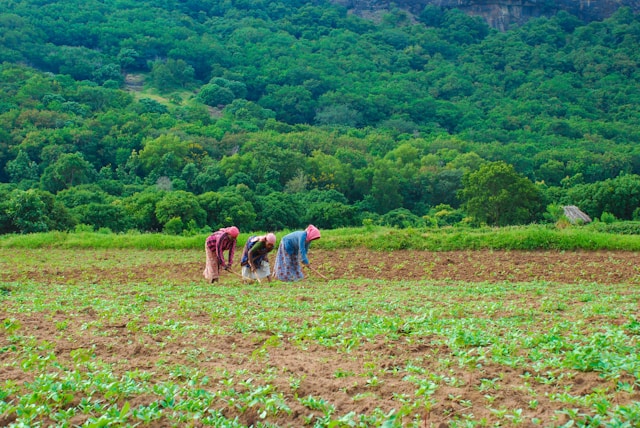
Agriculture also influences rural architecture, festivals, cooking, and family life. Villages in regions like the High Atlas, Zagora, and Chefchaouen maintain a rhythm of life shaped by planting cycles, water management, and community cooperation.
To explore Morocco’s landscapes further, see the general reference on Morocco on Wikipedia.
External link: https://en.wikipedia.org/wiki/Morocco
Section 2 – Must-See Agritourism Experiences
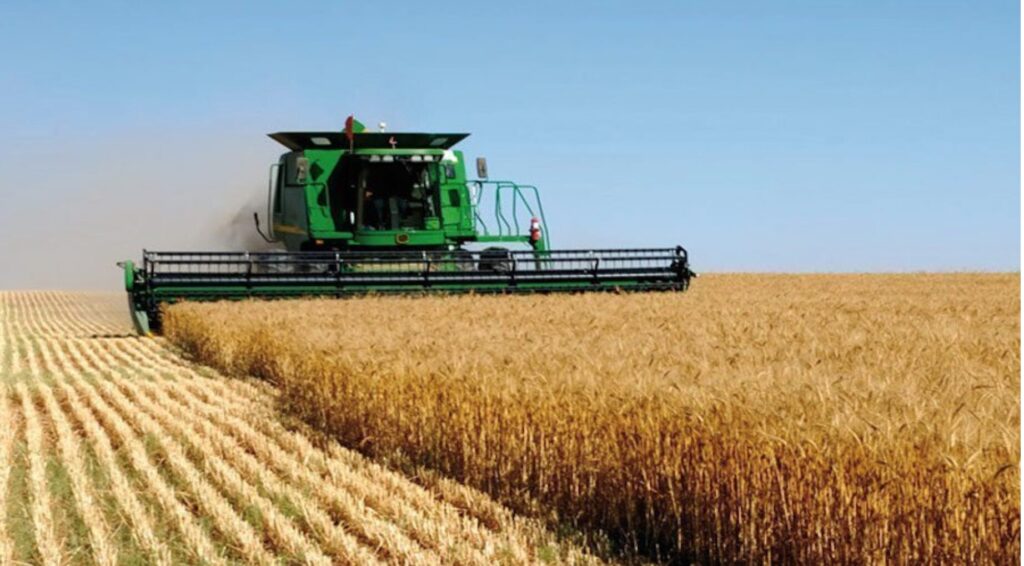
1. The High Atlas Terraced Farms
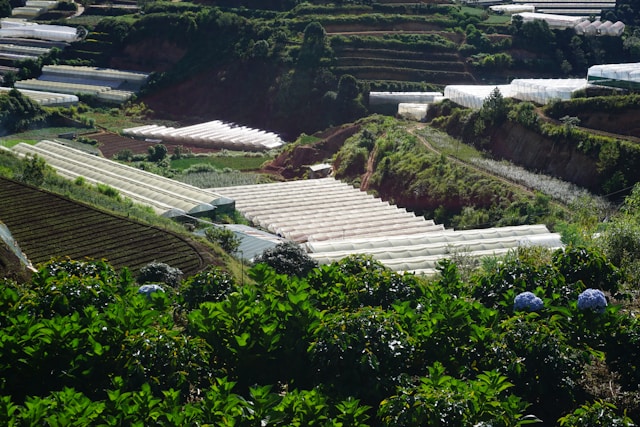
In valleys like Aït Bouguemez and Ourika, terraced green fields paint remarkable patterns against the mountains. Visitors can:
- Hike between villages
- See irrigation channels called seguias
- Visit family-run farms
- Enjoy homemade bread, honey, and mint tea
These terraces highlight how Moroccan Agriculture and Rural Life adapts ingeniously to steep terrain.
2. The Argan Forests of Essaouira & Agadir
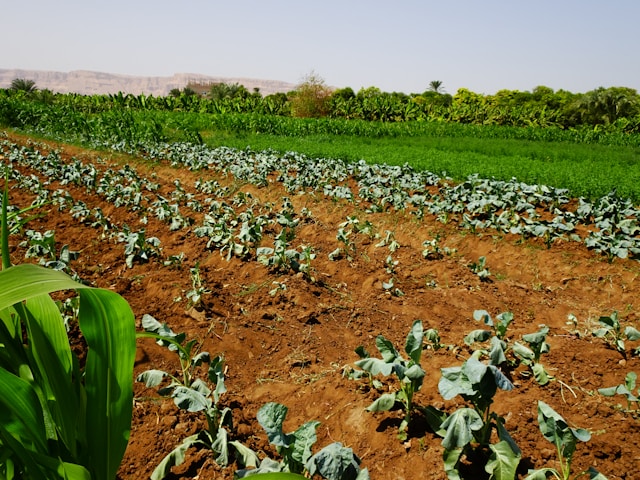
Unique to Morocco, the argan tree produces nuts used to make world-famous argan oil. Women’s cooperatives invite visitors to:
- Watch traditional oil extraction
- Learn the cultural significance of argan trees
- Support fair-trade initiatives
3. Taliouine – The World of Saffron
Known as Morocco’s “saffron capital,” Taliouine offers:
- Visits to saffron farms
- Participation in the autumn harvest
- Tastings of saffron tea and sweets
4. The Oasis Valleys of the Sahara
Valleys like Draa, Ziz, and Figuig present lush strips of palm trees surrounded by desert. These oases allow:
- Date harvesting
- Cultural immersion with Sahrawi and Amazigh families
- Exploration of ancient irrigation methods (khettaras)
5. The Olive Groves of the Rif and Meknes
Meknes is famous for its expansive olive farms. Travelers can tour:
- Olive mills
- Family-owned pressing houses
- Local markets selling freshly cured olives
More on the city’s historical background can be found on Wikipedia’s page about Meknes, one of Morocco’s imperial cities.
External link: https://en.wikipedia.org/wiki/Meknes
Section 3 – Travel Tips and Cultural Insights
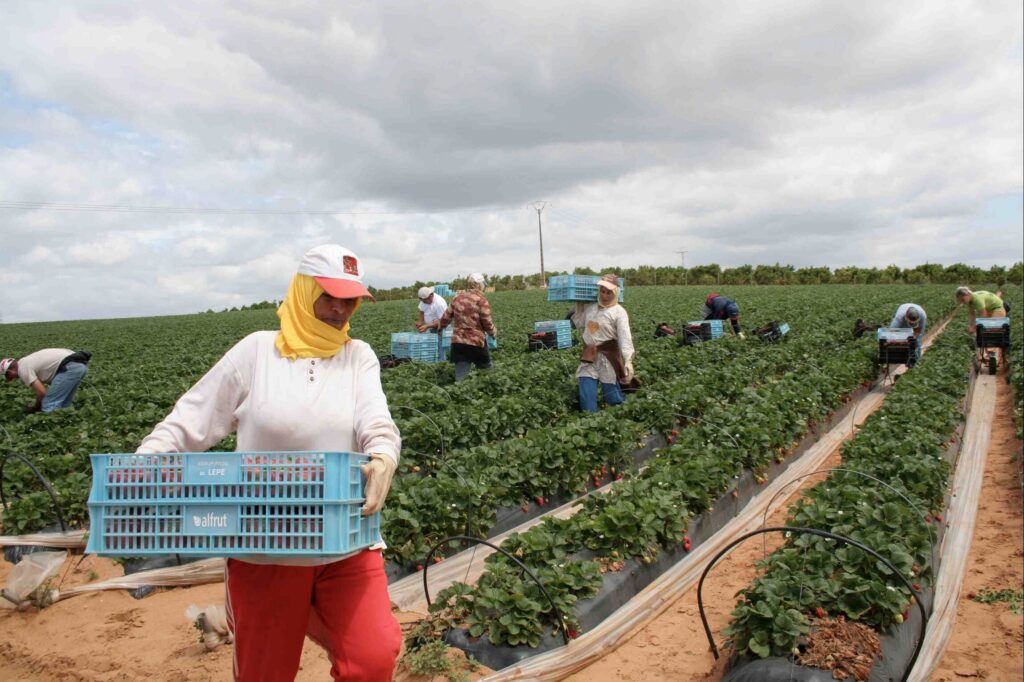
Understand Rural Hospitality
Hospitality is an essential element of Moroccan Agriculture and Rural Life. When visiting farms or villages, travelers may be offered:
- Fresh bread baked in clay ovens
- Olive oil dips
- Mint tea
- Seasonal fruits
Accepting these gestures is a meaningful sign of respect.
Dress and Behavior
- Wear modest, comfortable clothing.
- Always greet family elders.
- Ask permission before taking photos.
Support Local Communities
The best way to support rural Morocco is by:
- Buying local produce
- Booking stays at eco-lodges
- Visiting women’s cooperatives
- Learning about traditional crafts
Weather and Seasons
- Spring is ideal for blooming orchards and green landscapes.
- Autumn is perfect for olive and saffron harvests.
- Summer can be very hot in the inland regions.
Transportation
Rural areas often require:
- A rental car, or
- Guided tours for remote villages
Section 4 – Real-World Examples and Traveler Stories
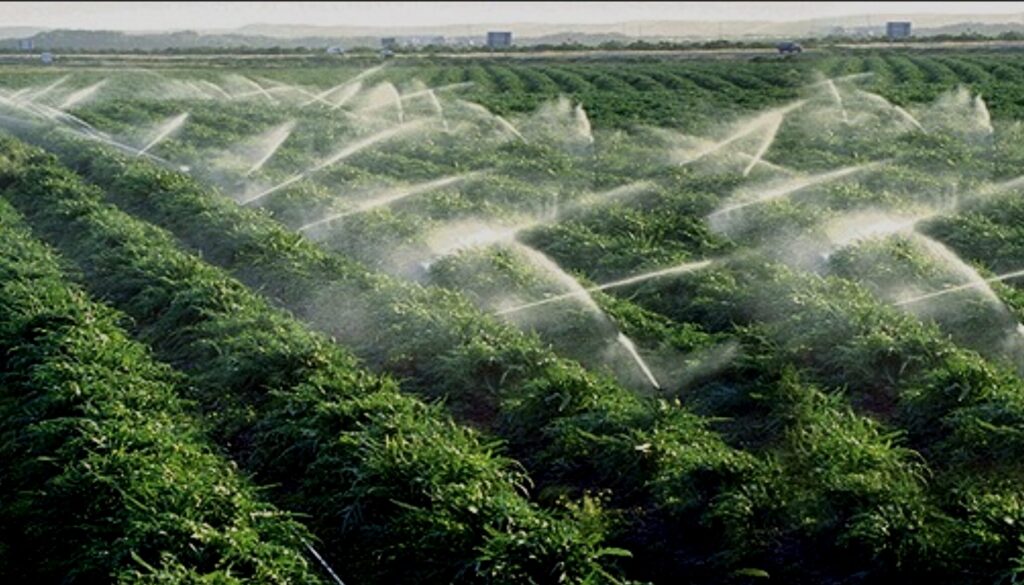
Leila’s Saffron Harvest Experience
Leila, a solo traveler from Spain, visited Taliouine during the saffron harvest. She describes waking before sunrise to join a group of Amazigh women who plucked delicate purple crocuses by hand. She recalls feeling humbled by the patience and artistry involved in producing one of the world’s most valuable spices.
A French Family in the Draa Valley
A family visiting Morocco for two weeks chose to stay in a small eco-lodge near Zagora. Their children learned how dates are sorted and dried, and the parents enjoyed slow-paced mornings with desert-grown figs and honey. They described the experience as “the most peaceful part of the journey.”
Tom’s Journey Through the High Atlas
Tom, an adventure traveler from the UK, spent five days trekking between High Atlas villages. He shared stories of eating fresh meals prepared with ingredients directly from the farms—wild herbs, barley couscous, and freshly churned butter. For him, Moroccan Agriculture and Rural Life became a window into a simpler and more connected way of living.
Section 5 – Seasonal Recommendations and Future Insights
Best Seasons for Agritourism
- March–May: Blossom season, ideal for fruit valleys and mountain farms
- September–November: Perfect for witnessing olive, date, and saffron harvests
- Winter: Attractive for mild weather in the south and cultural festivals
Festivals Connected to Agriculture
- Saffron Festival (Taliouine)
- Date Festival (Erfoud)
- Rose Festival (Kalaat M’Gouna)
Each event reflects Moroccan Agriculture and Rural Life through music, markets, and traditional celebrations.
Future Trends in Rural Tourism
Travelers are increasingly seeking:
- Eco-friendly farm stays
- Responsible tourism experiences
- Authentic cultural immersion
- Volunteering and learning exchanges
Morocco’s rural regions are responding with new guesthouses, organic farms, and community-led tourism programs that preserve both nature and tradition.
FAQ – Moroccan Agriculture and Rural Life
What is the main agricultural activity in Morocco?
Olive cultivation, cereals, argan oil production, livestock farming, and date palm groves are among the country’s main agricultural pillars.
Can travelers visit farms in Morocco?
Yes! Many farms, cooperatives, and rural guesthouses welcome tourists for tours, workshops, tastings, and cultural exchanges.
Is rural Morocco safe for tourists?
Absolutely. Rural communities are known for hospitality, respect, and generosity. Travelers should simply follow local cultural norms.
When is the best time to visit rural Morocco?
Spring and autumn offer the best temperatures and agricultural activities. Harvest seasons are especially rich for cultural immersion.
How can I support local communities?
Buy local goods, hire local guides, choose rural accommodations, and visit cooperatives dedicated to women’s empowerment and traditional crafts.
Conclusion
Exploring Moroccan Agriculture and Rural Life opens the door to a world of serenity, tradition, and meaningful encounters. Whether you walk through mountain terraces, visit desert oases, or taste saffron fresh from the fields, rural Morocco offers travel experiences that nourish the soul.
Ready to discover more?
Explore additional guides on skiesofmorocco, plan your next adventure, and immerse yourself in the richness of Morocco’s countryside.