

Few things capture the spirit of Morocco quite like its rich architectural tapestry. Moroccan Architecture: From Kasbahs to Modern Cities is not just about structures – it’s about stories carved in clay, wood, and concrete; the crossroads of tradition and innovation. Whether you’re wandering through ancient citadels, navigating the medinas, or marveling at sleek modernist buildings, Moroccan architecture offers a journey through time, culture, and identity. In this post, we’ll explore how Morocco’s architecture evolved, where to see its most iconic examples, and how travelers can appreciate and engage with this living heritage.
Section 1 – An Overview of Moroccan Architecture
A Layered Architectural Heritage
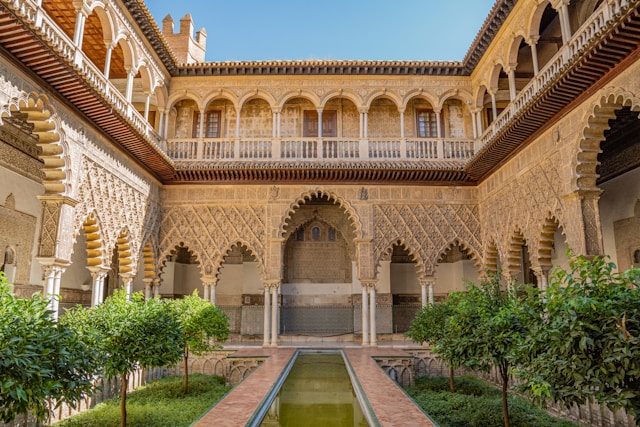
Moroccan architecture is a kaleidoscope of influences, drawing from Amazigh (Berber), Arab-Islamic, Andalusian, French colonial, and modernist traditions. (Wikipedia) The result is a vibrant mix: mud-brick kasbahs, riads with lush inner courtyards, and avant-garde cityscapes all coexist.
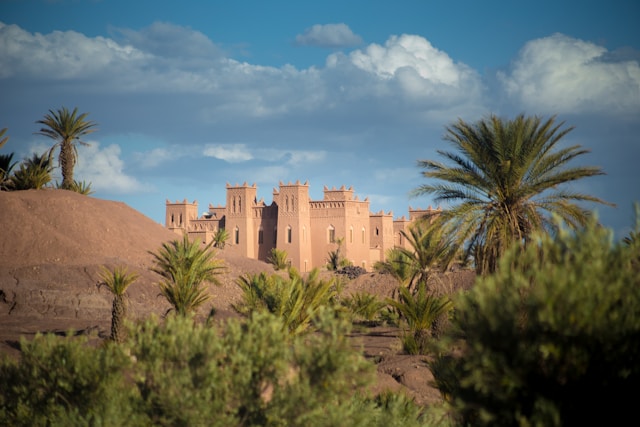
Kasbahs — fortified citadels built of rammed earth or clay — are central to traditional Moroccan architecture, particularly in rural and mountainous regions. (Wikipedia) These defensive and residential structures reflect not only the landscape but also the social history of tribal and local communities.
Meanwhile, the rise of modern cities like Casablanca and Rabat introduced new architectural language: Art Deco, Neo-Moorish, and International Style buildings now shape Morocco’s urban skyline. Moroccan architects and international designers alike have woven traditional motifs into modern structures, creating a dialogue between past and present.
Distinctive Elements
Some of the hallmarks of Moroccan architecture include:
- Horseshoe arches, ornate stucco carvings, and geometric tilework (zellij) (Wikipedia)
- Riads, houses built around interior courtyards, often with fountains and gardens
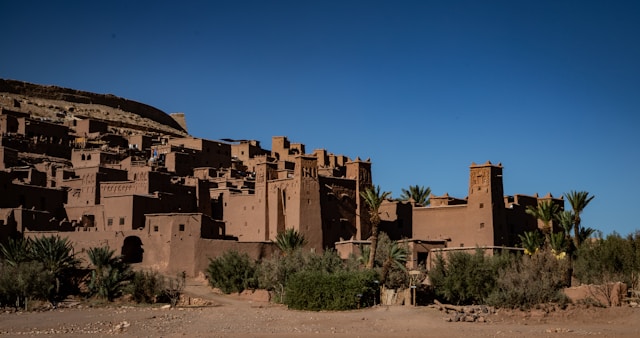
- Kasbahs and ksour (fortified villages) made of earthen materials (Wikipedia)
- Wood carving, carved cedar ceilings, and mashrabiya lattice
- Modernist buildings that incorporate local ornamentation and climate-adapted design (Wikipedia)
Section 2 – Must-See Architectural Attractions
Historic Kasbahs and Citadels
- Kasbah of the Udayas in Rabat is a stunning example of medieval Moroccan architecture. This fortress overlooks the Bou Regreg river and blends whitewashed walls with Andalusian gardens. (Wikipedia)
- In the desert and oasis regions, Kasbah Amridil in Skoura offers a dramatic look at rammed-earth construction, corner towers, and traditional Berber design. (Wikipedia)
- Across the country, you’ll also find other kasbahs and ksour, many perched on hilltops or nestled among palm groves, offering sweeping views and timeless architecture.
Iconic Religious and Royal Sites
- The Hassan II Mosque in Casablanca is one of the largest mosques in the world. It fuses traditional Moroccan craftsmanship—zellij tilework, carved plaster, wood—with modern engineering, built on a promontory overlooking the Atlantic.
- In old medinas, you’ll discover ornate madrasas (Islamic schools), minarets, and grand city gates, all rich with carved detail and symmetry.
Traditional Homes (Riads) and Palaces
Riads are architectural gems hidden behind plain exteriors. Step inside, and you’re greeted by central courtyards with fountains, lush vegetation, and shaded retreats. Cities like Marrakech and Fez are known for their beautiful riads, many transformed into guesthouses, allowing travelers to live in architectural history.
Modern and Colonial Architecture
Modern Moroccan cities showcase a different architectural side:
- Casablanca features Art Deco and Neo-Moorish buildings built during the French Protectorate era.
- French-era neoclassical facades are often adorned with traditional Moroccan tilework or decorative wood.
- Contemporary architects are embracing sustainable materials while infusing new buildings with traditional Moroccan motifs—bridging heritage and innovation.
Section 3 – Travel Tips & Cultural Insights
How to Explore Moroccan Architecture Respectfully
- Hire a local guide: A guide can explain the symbolism behind motifs, the significance of courtyards, and the history of kasbahs.
- Visit older neighborhoods early in the morning or late afternoon when light illuminates carved walls and tiled courtyards.
- When entering riads or palaces, dress modestly and ask for permission. Many historic sites are still private homes or guesthouses.
Photography Tips
- Use a wide-angle lens to capture the scale of kasbah walls or mosque minarets.
- Focus on details: tilework, stucco, wood carving, shadows in inner courtyards.
- Sunrise and sunset are magical for light on earthen structures and zellij surfaces.
Best Times to Visit
- Spring and autumn are ideal: milder weather, especially for exploring kasbahs in the desert or mountain regions.
- If you want to see modern architecture alongside traditional sites, stay in cities like Rabat or Casablanca for a few days.
Section 4 – Traveler Stories & Real Experiences
Wandering Through Fez’s Medina
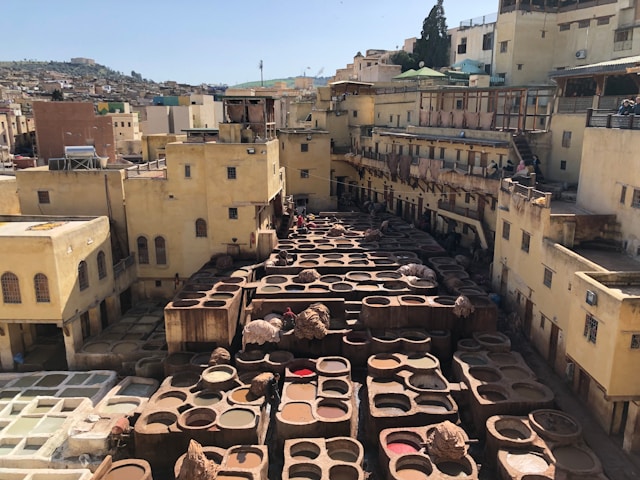
One traveler recounted losing herself in the winding alleys of Fez, guided only by the sounds of water from a riad courtyard. She discovered a centuries-old riad restored into a guesthouse, its plaster work and zellij ceiling so delicate she felt she was stepping into a living painting. The modern boutique hotel nestled inside maintained its traditional layout, blending comfort with architectural authenticity.
Desert Kasbah Retreat
A couple on a road trip through the Atlas Mountains stayed in Kasbah Amridil. They watched the sunset from the rooftop terrace, surrounded by clay towers and geometric decorations. At night, lanterns cast warm glows on the mud-brick walls. Over dinner, they learned from the owner about ancient building techniques: how wood from nearby palm trees supports adobe walls, and how thermal mass keeps the kasbah cool.
Casablanca by Design
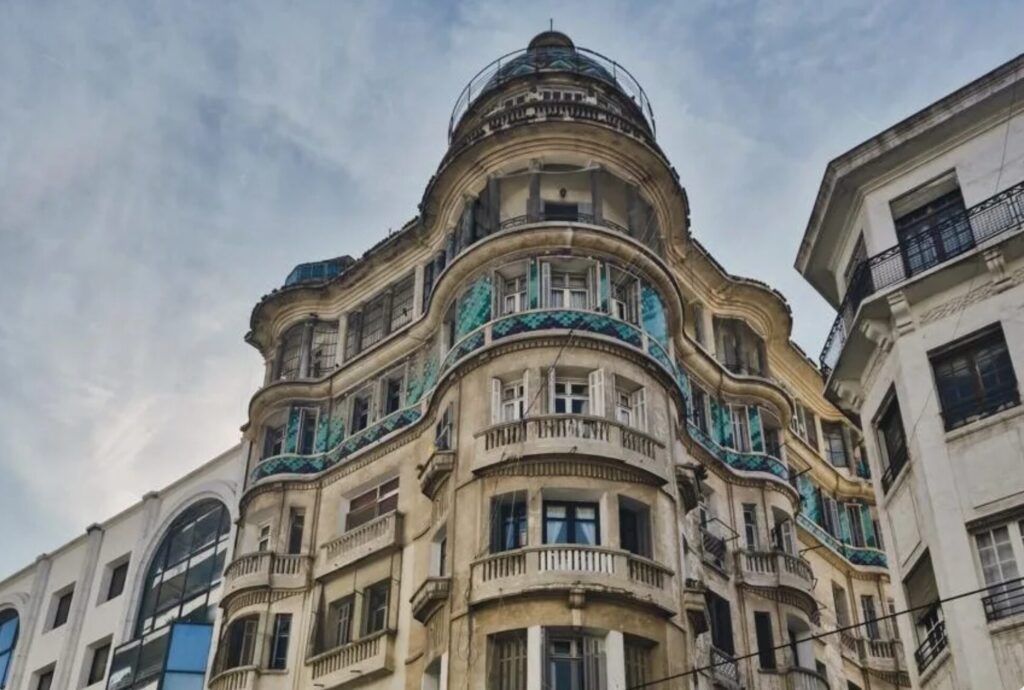
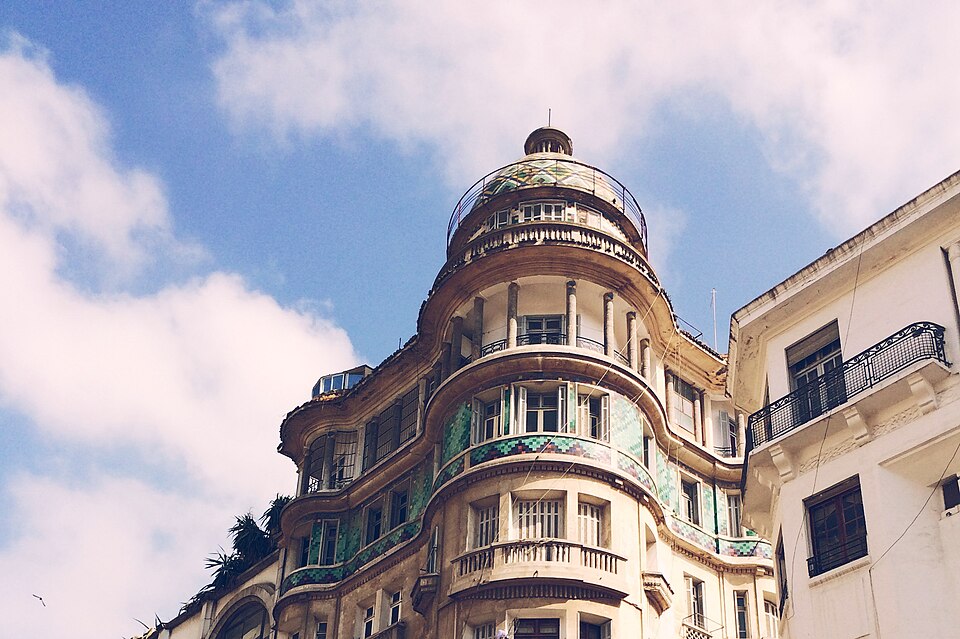
A design enthusiast visited Casablanca and was immediately drawn to early-20th-century Art Deco buildings. She later discovered the Maret Building, a notable example of Neo-Moorish style combined with Art Deco—complete with zellij dome and curved facades. Walking through downtown, she realized how seamlessly tradition and modernity coexist in Moroccan architecture.
Section 5 – Future Travel Recommendations & Seasonal Insights
Architectural Tourism On the Rise
Interest in architectural heritage is growing, and more tours are now themed around design and historic preservation. Visitors can join:
- Kasbah-focused trekking routes in the Atlas and Sahara
- Riad-restoration workshops in Marrakech and Fez
- Contemporary architecture tours in Casablanca exploring modernist and sustainable buildings
Preservation & Sustainability
Morocco is actively restoring its historic buildings, from riads to kasbahs, using traditional materials like rammed-earth and lime plaster. Eco-architects are also reimagining new buildings in Moroccan cities with green roofs, solar design, and local craft techniques.
Best Time for Architecture Travel
- Spring (March–May): Ideal for lush riad gardens, comfortable city walks, and exploring kasbahs.
- Fall (September–November): Cooler days make visiting ancient sites more enjoyable.
- Winter: Great for architectural photography—especially the stark contrast of mud-brick kasbahs against blue skies.
FAQ – Moroccan Architecture
What is a kasbah?
A kasbah is a traditional fortress or citadel, often built of earthen materials like rammed earth or clay. These structures served defensive, residential, and social purposes and are key to Moroccan vernacular architecture.
Can visitors stay in traditional riads?
Yes! Many riads in cities like Marrakech, Fez, and Chefchaouen have been converted into guesthouses. Staying in a riad offers intimate access to Moroccan architecture and inner courtyards.
Is Moroccan architecture only traditional?
Not at all. While kasbahs and riads are iconic, Moroccan architecture also includes Art Deco, Neo-Moorish, and modernist buildings—especially in urban centers like Casablanca, Rabat, and Tangier.
How do I learn more about Moroccan architectural heritage?
You can join guided architecture tours, attend restoration workshops, or engage with local craftspeople in woodcarving, tile-making, and plaster work.
Are there UNESCO-protected architectural sites in Morocco?
Yes. For example, the Kasbah of the Udayas in Rabat is part of the Rabat historic city UNESCO site. There are also ksour, medinas, and palaces under heritage protection.
Conclusion
Exploring Moroccan Architecture: From Kasbahs to Modern Cities is a journey into the soul of Morocco—a place where clay walls, tiled courtyards, and soaring minarets whisper the stories of centuries. Whether you walk the ancient ramparts of a kasbah, sip mint tea in a riad courtyard, or marvel at a modernist skyline in Casablanca, you’ll find architecture here that is both timeless and alive.
Ready to plan your architectural adventure? Dive into our travel guides, book a design-focused tour, and bring your camera—Morocco’s buildings are ready to tell their stories. Visit skiesofmorocco, for more inspirations, itineraries, and insider tips.