In Morocco, food is far more than nourishment — it’s a story, a memory, and a shared tradition. Among the many comforting dishes that define Moroccan home cooking, one stands out for its simplicity and depth of flavor: the Moroccan Bakoula Recipe – The Beloved Spinach-Like Mallow Dish.
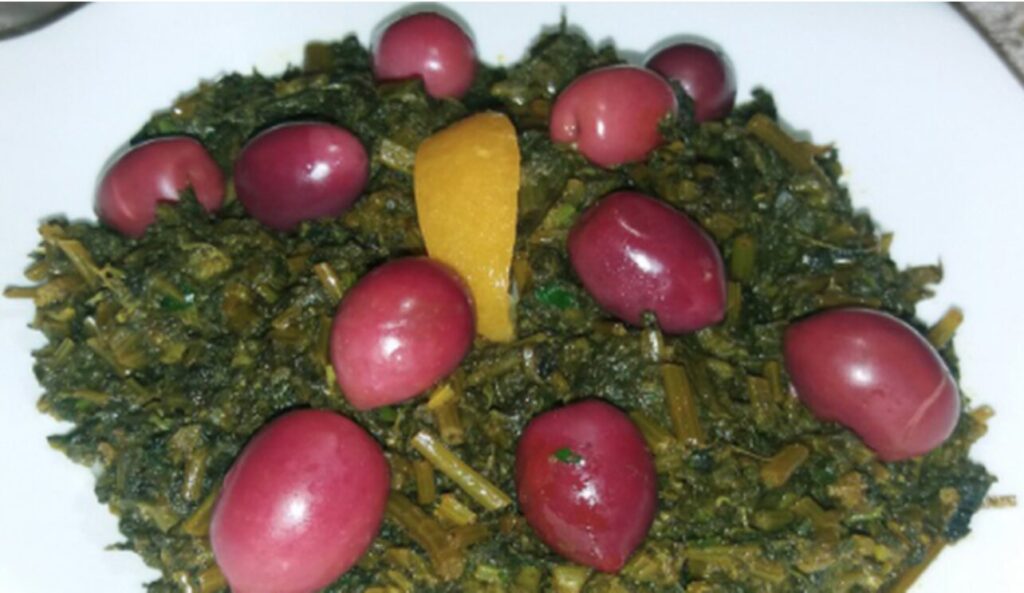
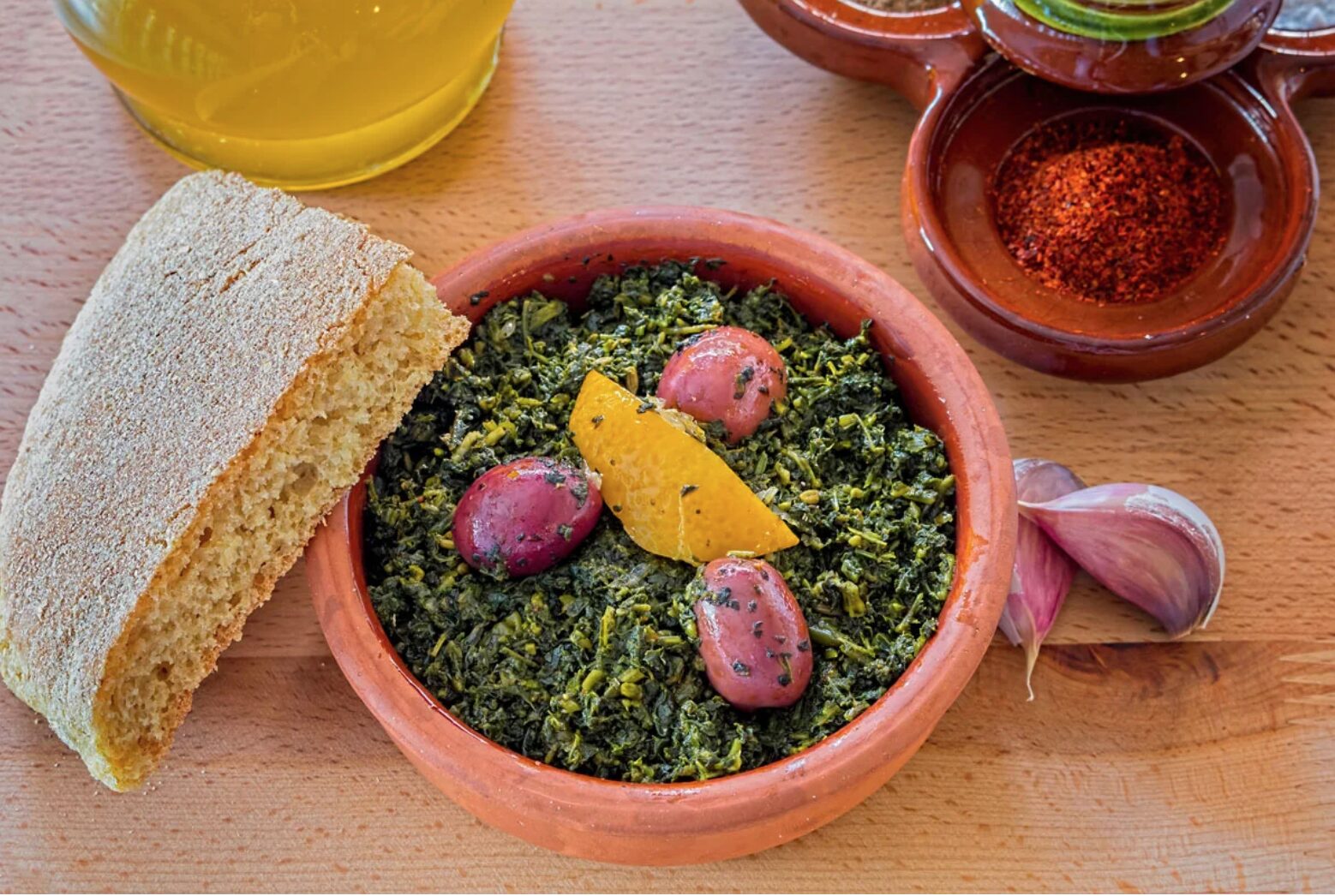
Bakoula, sometimes called khoubiza, is a warm, seasoned salad made from mallow leaves — a wild green plant that grows abundantly across Morocco. It’s prepared with olive oil, garlic, preserved lemons, and spices, creating a dish that’s earthy, tangy, and deeply satisfying. Whether enjoyed hot or cold, Bakoula reflects Morocco’s love for vegetables and the art of transforming humble ingredients into culinary treasures.
The Story Behind Bakoula
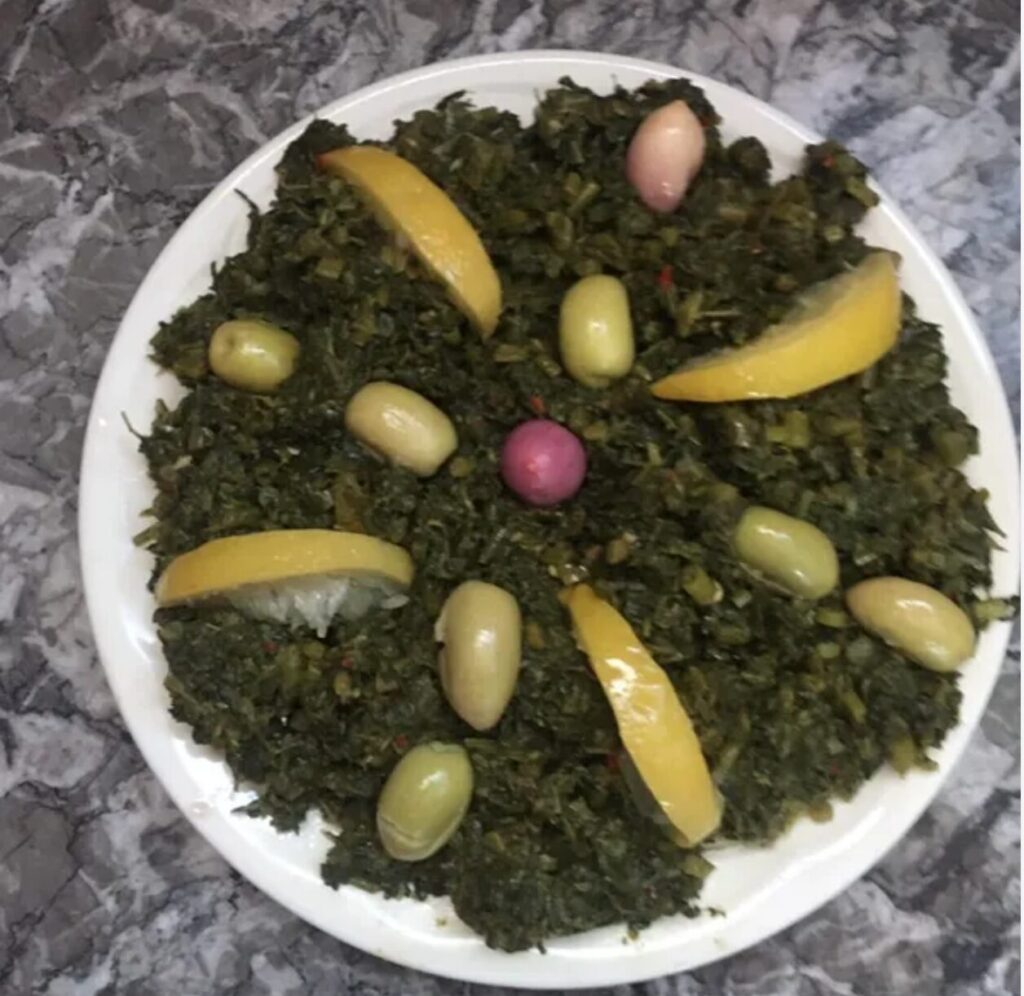
From Wild Fields to Family Tables
Bakoula has been a staple in Moroccan kitchens for generations. The mallow plant — known locally as khoubiza — grows freely in fields, gardens, and even city edges during the rainy season. Moroccan women traditionally handpick the tender leaves early in the morning, bringing them home in baskets to prepare for family meals.
This dish’s roots lie in Moroccan rural life, where nothing goes to waste and nature provides the ingredients for health and flavor. In cities like Fes and Marrakech, Bakoula remains a symbol of simplicity and heritage — a link between modern kitchens and ancestral wisdom.
A Vegan Delight Before Its Time
Before “plant-based” became a global trend, Moroccans were already mastering it. Bakoula is entirely vegan, gluten-free, and nutrient-dense — a perfect example of Morocco’s naturally balanced cuisine. Rich in iron and vitamins, this spinach-like mallow dish is both comforting and healthy.
How to Make the Moroccan Bakoula Recipe
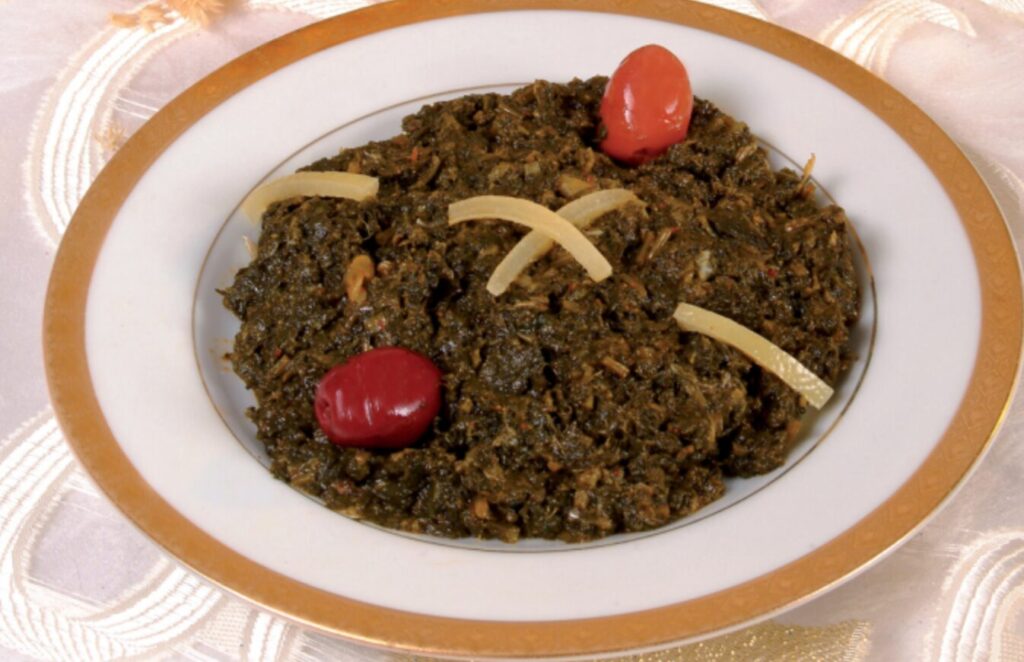
Ingredients You’ll Need
The Moroccan Bakoula Recipe calls for only a handful of ingredients, yet the result is a dish bursting with aroma and flavor.
Traditional ingredients include:
- Fresh mallow leaves (khoubiza), cleaned and finely chopped
- 3 cloves of garlic, crushed
- 1 preserved lemon, chopped (rind only)
- 1 teaspoon ground cumin
- 1 teaspoon paprika
- ½ teaspoon chili powder (optional)
- Olive oil (generously used)
- Lemon juice
- Salt and pepper to taste
- Chopped olives (optional garnish)
Preparation Method
- Boil the greens: Start by steaming or boiling the mallow leaves until tender, then drain them thoroughly.
- Cook with flavor: In a skillet, heat olive oil and sauté garlic. Add the mallow, spices, preserved lemon, and a splash of lemon juice. Stir and cook slowly until the greens absorb all the rich flavors.
- Serve and enjoy: Bakoula can be served warm or cold, garnished with olives and a drizzle of olive oil.
The combination of olive oil, garlic, and preserved lemon creates an unforgettable tangy aroma that fills the kitchen — a true mark of Moroccan comfort food.
Bakoula Across Morocco: Regional Flavors and Stories
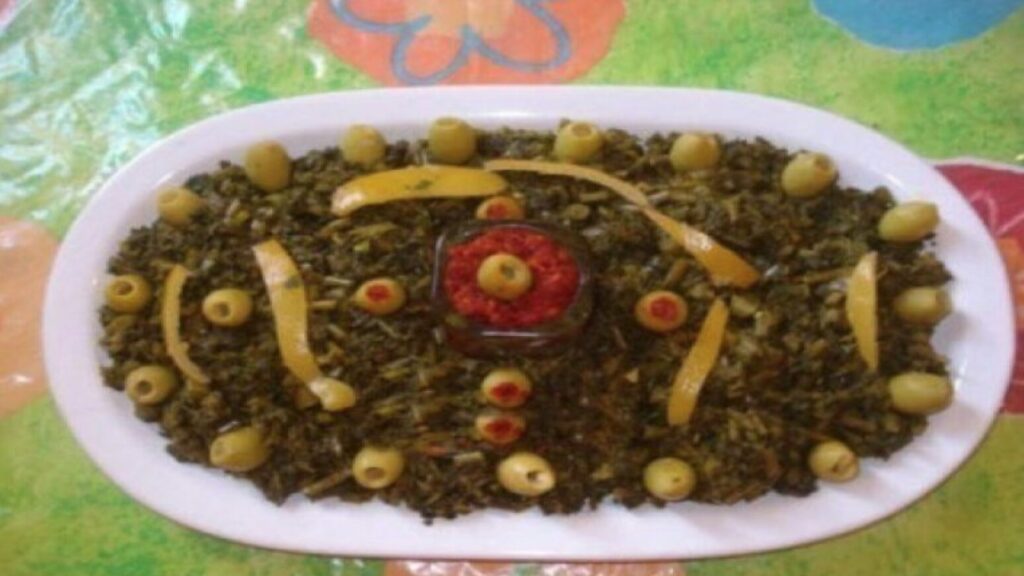
Fes – The Culinary Capital
In Fes, Bakoula often appears as part of the salades marocaines — a colorful array of small salads served before the main course. Locals sometimes add bits of preserved olives or even chopped tomatoes for a richer texture.
Marrakech – The Spiced Touch
In the red city of Marrakech, Bakoula gets a slight twist. Cooks might use extra chili or harissa for heat, balancing the dish’s earthy flavor with a fiery kick. You’ll often find it served alongside tagines or bread fresh from the oven.
Northern Morocco – The Fresh and Light Version
In coastal regions like Tangier or Tetouan, the recipe can be lighter, with extra lemon juice and less oil, emphasizing freshness over intensity. Each version, however, carries the same soul — simplicity, balance, and love.
Bakoula in Daily Moroccan Life
A Dish for Every Occasion
Bakoula is a dish that transcends status and setting. You’ll find it on the tables of both humble homes and elegant riads. It’s served during Ramadan iftar dinners, family gatherings, and even at Moroccan restaurants that celebrate authentic cuisine.
Paired with warm Moroccan bread (khobz), Bakoula becomes a complete and satisfying meal. The bread acts as both utensil and companion, used to scoop up the flavorful greens and olive oil — a ritual that speaks to the heart of Moroccan hospitality.
Nutritional and Cultural Significance
Moroccan cuisine is built on the concept of balance — between flavor and wellness, tradition and innovation. Bakoula perfectly embodies this. It’s high in iron, calcium, and antioxidants, offering nourishment with every bite.
Eating Bakoula isn’t just about taste; it’s a cultural act — one that connects you to the land, the seasons, and the generations who perfected the recipe before you.
A Traveler’s Experience: Finding Bakoula in Morocco
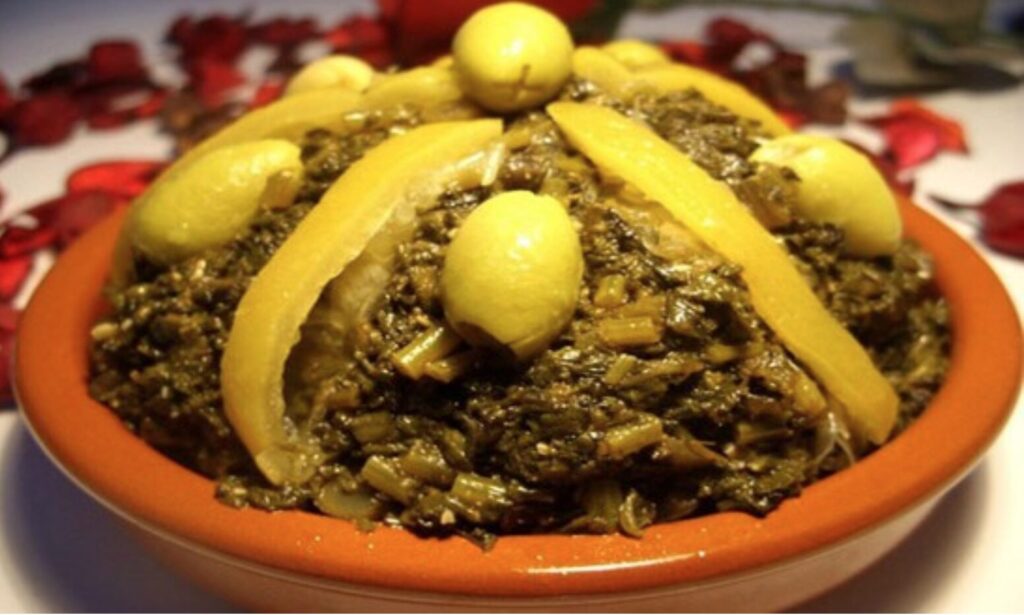
Imagine sitting in a riad courtyard in Fes, surrounded by zellige tiles and the soft sound of a fountain. As your meal begins, the host brings a plate of shimmering green Bakoula drizzled with olive oil. The first bite surprises you — it’s tangy, garlicky, and earthy all at once.
Travelers often describe Bakoula as “Moroccan comfort on a plate.” It’s simple yet deeply flavorful, and it reflects the spirit of Moroccan cuisine — humble ingredients elevated through time and care.
Cooking classes in Marrakech and Casablanca often include Bakoula on their menus, allowing visitors to experience the joy of preparing it themselves. Many travelers end up taking the recipe home as one of their favorite souvenirs from Morocco.
When and Where to Enjoy Bakoula
Bakoula is most commonly prepared in spring and early summer, when mallow plants grow naturally after the rains. During this season, local markets are filled with bunches of fresh green leaves ready to be transformed into delicious salads.
If you’re visiting Morocco during this time, stop by a local market and look for khoubiza — you’ll likely see women buying it by the bundle. Ask your host or cooking instructor to show you how to prepare it, and you’ll discover how something so simple can be so special.
FAQ – Moroccan Bakoula Recipe
What is Bakoula made from?
Bakoula is made from mallow leaves (similar to spinach), cooked with olive oil, garlic, preserved lemon, and spices like cumin and paprika.
Is Bakoula healthy?
Yes! It’s rich in iron, vitamins, and fiber. The olive oil and preserved lemon add antioxidants and healthy fats, making it a nutritious side dish.
What can I eat Bakoula with?
It’s traditionally eaten with Moroccan bread (khobz), but it also pairs beautifully with tagines or grilled fish.
Can I make Bakoula with spinach instead of mallow?
Absolutely. Spinach or kale are great substitutes if you can’t find mallow, though the texture will be slightly softer.
Where can I try authentic Bakoula in Morocco?
You can find it in traditional restaurants, cooking classes, or family-run riads in cities like Fes, Marrakech, and Chefchaouen.
Conclusion
The Moroccan Bakoula Recipe – The Beloved Spinach-Like Mallow Dish isn’t just a recipe — it’s a story of Moroccan heritage, simplicity, and flavor. From the green fields to family tables, Bakoula represents Morocco’s ability to turn nature’s gifts into unforgettable cuisine.
Whether you’re enjoying it in a local home, a riad courtyard, or cooking it yourself after returning from your Moroccan journey, Bakoula connects you to the essence of the country — humble, generous, and full of heart.
–Plan your culinary adventure with Skies of Morocco — and taste the tradition that makes Morocco one of the world’s most soulful food destinations.