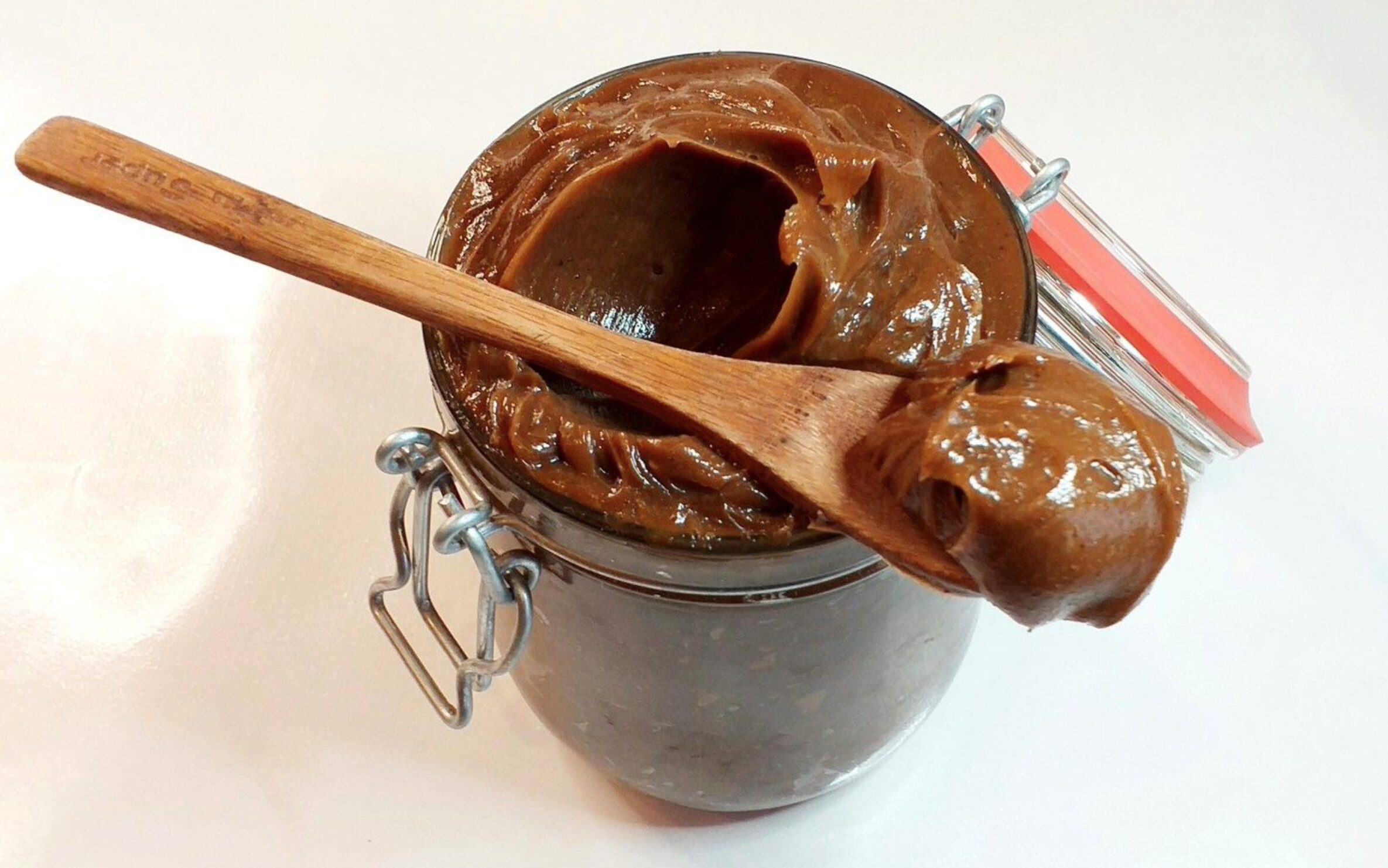
There are few beauty traditions in the world as ancient, pure, and culturally rich as the Moroccan hammam. At the heart of this ritual lies a legendary product: Moroccan Black Soap (Beldi) – A Journey from Olive Oil to Hammam Ritual. More than just a cleansing paste, Beldi soap tells the story of Moroccan craftsmanship, the Mediterranean olive harvest, and centuries of wellness practices that continue to attract travelers today. In this article, we explore the origins of this iconic soap, how it became a symbol of Moroccan self-care, and why every traveler should experience it in an authentic hammam.
The Origins of Moroccan Black Soap (Beldi)
A Treasure Born from Olives
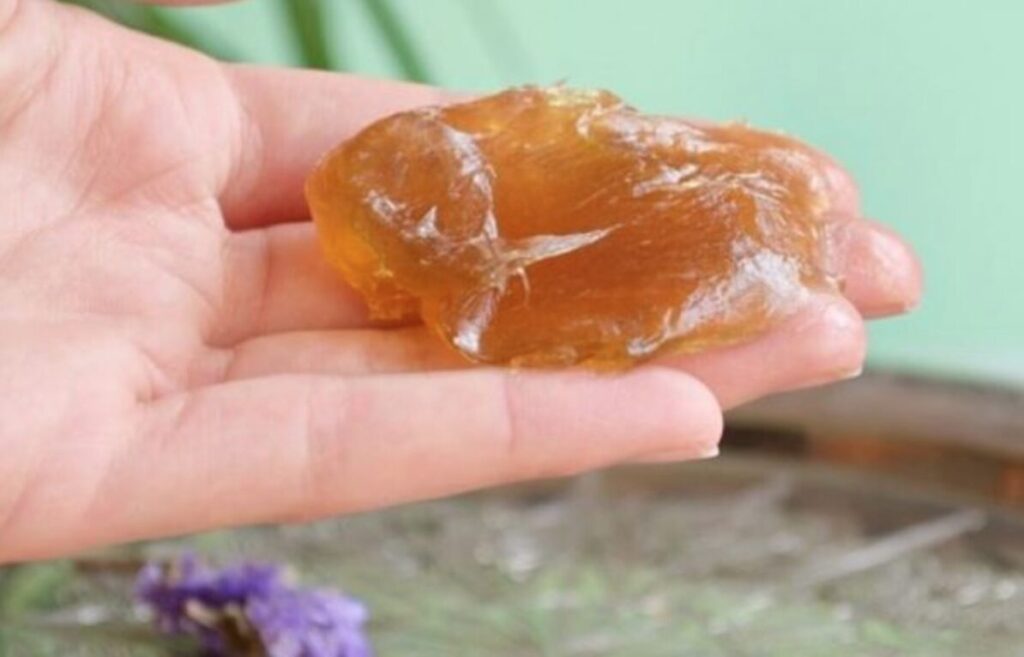
Moroccan Black Soap, known locally as savon beldi, is traditionally made from crushed olives and olive oil—two pillars of Morocco’s agricultural heritage. The regions around Fez and Marrakech, both steeped in artisanal history, have long been at the center of its production. These cities are already well-known to travelers for their ancient medinas and historic charm, such as the world-famous Medina of Fez (learn more on Wikipedia: Fez).
A Staple in the Moroccan Hammam Tradition
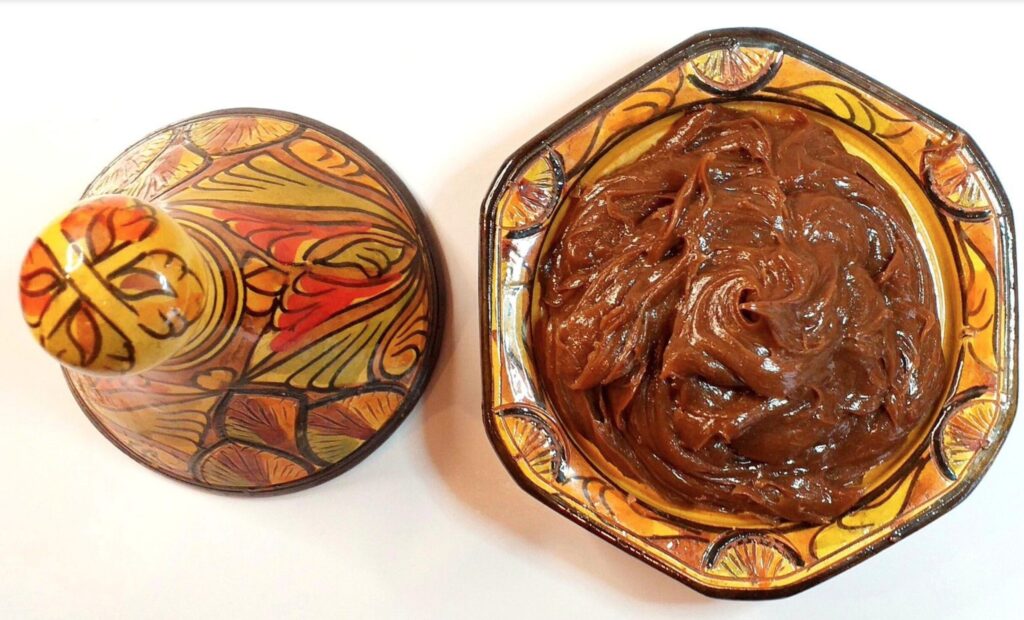
For centuries, Moroccans have considered black soap a must-have when visiting the hammam. Thick, silky, and nearly black in color, the soap softens the skin and prepares it for exfoliation with the kessa glove. This practice is as much a social ritual as it is a beauty treatment, reflecting Morocco’s deep-rooted traditions of community and well-being.
Experiencing Moroccan Black Soap: Hammam Highlights
The Classic Hammam Routine
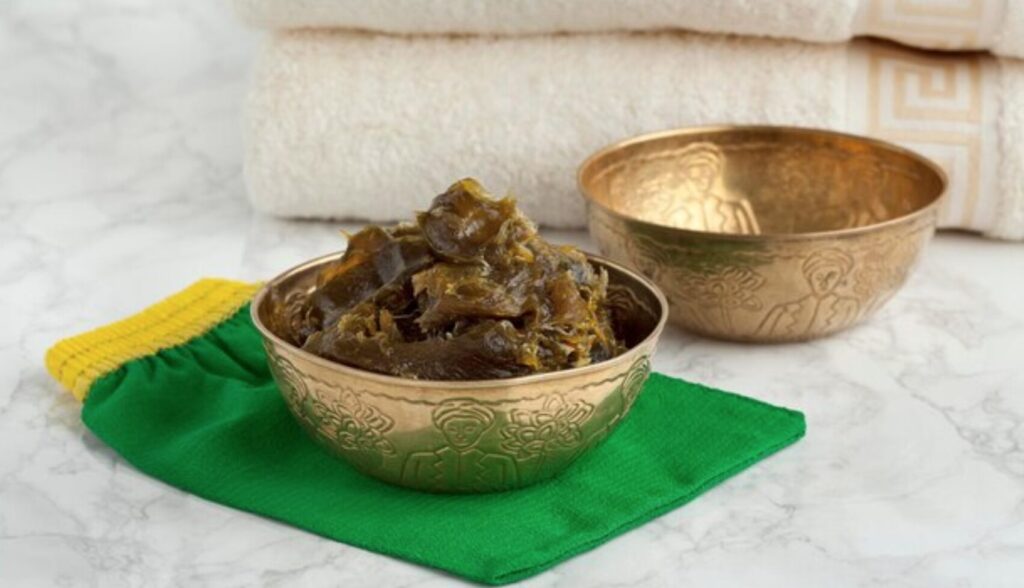
Travelers experiencing Moroccan Black Soap (Beldi) for the first time should know that it’s more than a product—it’s a full-body experience. A traditional hammam begins with steam, allowing pores to open naturally. Once the skin is warm, the therapist applies a generous layer of Beldi soap, letting it rest for several minutes. This is followed by the invigorating scrub using a kessa, removing dead skin cells and leaving the body incredibly smooth.
Where to Enjoy It
While hammams exist throughout Morocco, some of the best experiences can be found in:
- Marrakech’s historic medina, where luxury spas blend tradition with modern comfort.
- Fez’s old hammams, which preserve the centuries-old architecture of the Medina of Fez.
- Casablanca, offering more contemporary versions of the hammam for those who prefer modern facilities.
Travelers interested in Moroccan culture can also explore the country’s architectural wonders, like the majestic Hassan II Mosque in Casablanca (Wikipedia link: Hassan II Mosque).
Why Travelers Love It
The experience is not only relaxing but deeply rejuvenating. Many visitors say they leave the hammam feeling both physically lighter and spiritually refreshed—a testament to the power of this Moroccan wellness ritual.
Cultural Insights and Travel Tips
Understanding Moroccan Hammam Etiquette
Knowing a few cultural tips can make your hammam visit smoother:
- Modesty is key. Moroccan hammams are gender-separated, and travelers are encouraged to follow local etiquette.
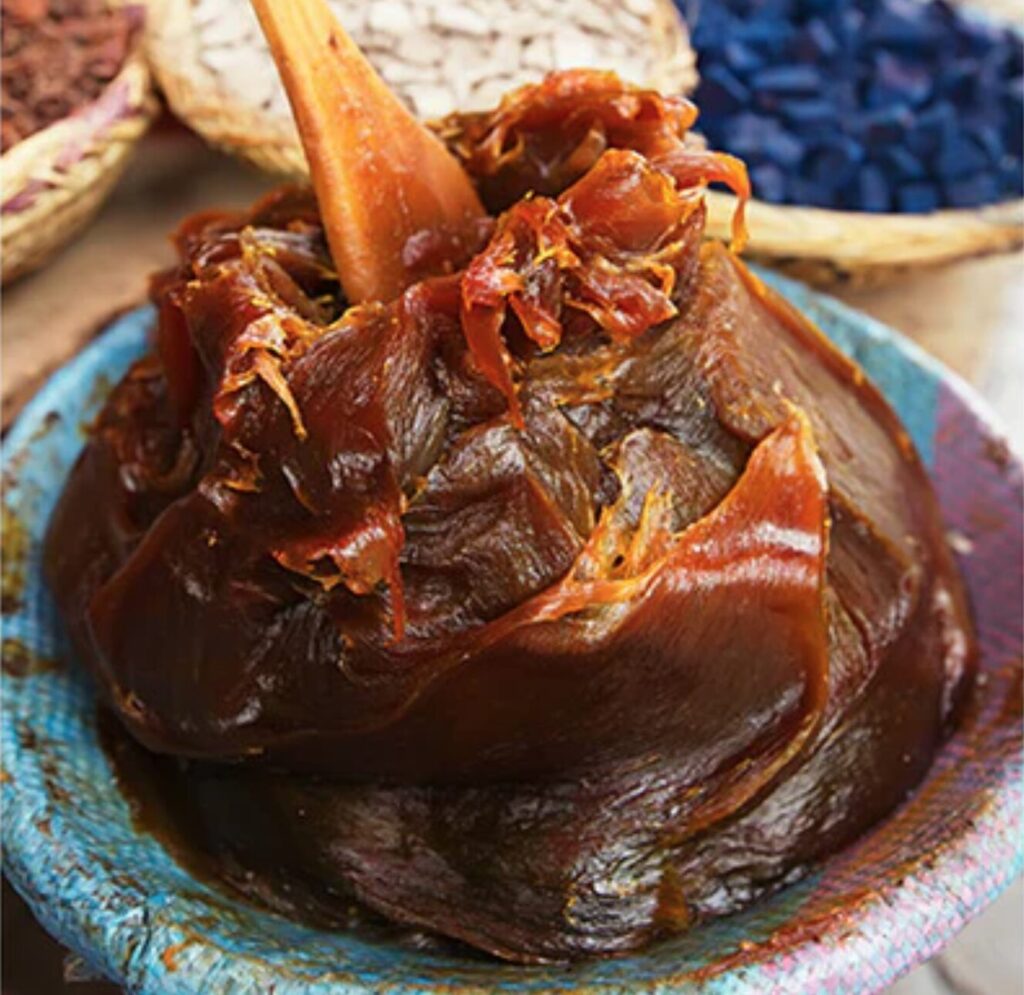
- Bring or request a kessa glove. The exfoliation step is essential for the full Beldi soap effect.
- Hydrate well. The heat and steam can be intense for first-timers.
- Allow time to relax afterward. The hammam is not rushed; it’s meant to be savored.
Choosing Authentic Moroccan Black Soap (Beldi)
When shopping for Beldi soap, look for:
- A rich, dark green-to-black color
- A smooth paste-like texture
- Ingredients featuring olive oil, olive paste, and natural essences like eucalyptus or rose
Avoid products with added harsh chemicals or artificial coloring.
Supporting Local Artisans
Moroccan Black Soap (Beldi) production is often a small-scale artisanal craft. Visiting local cooperatives—especially women’s cooperatives in rural areas—helps preserve traditional Moroccan workmanship and supports local communities.
Traveler Stories: Moments with Moroccan Black Soap
A Solo Traveler’s Hammam Discovery
Sarah, a traveler from Canada, shared how Moroccan Black Soap transformed her perception of wellness. After exploring Marrakech’s bustling markets, she visited a hammam in the Kasbah district. “I expected a simple spa treatment,” she recalls, “but what I experienced was a cultural ceremony. The women guided me step by step, and the Beldi soap left my skin softer than ever.”
A Couple’s Hammam Retreat
Two German visitors, Lukas and Marie, described their hammam session as a highlight of their trip. They chose a hammam near the Djemaa el-Fna square and enjoyed a complete ritual with black soap, rhassoul clay, and aromatic oils. “It was grounding,” they said. “We felt completely immersed in Moroccan tradition.”
A Beauty Enthusiast’s Artisanal Encounter
Travel blogger Isabella wrote about her visit to an olive cooperative near Settat, where she learned firsthand how Moroccan Black Soap (Beldi) is made. Watching the transformation from raw olives to silky black paste gave her a new appreciation for the craftsmanship behind it.
Seasonal Insights and When to Experience It
Best Time to Enjoy a Hammam
While hammams operate year-round, certain seasons offer especially memorable experiences:
- Winter (December–February): The warmth of the hammam is comforting during cooler weather.
- Spring (March–April): Ideal for combining hammam visits with sightseeing in Fez or Marrakech.
- Autumn (September–October): The perfect balance of good weather and fewer crowds.
Pairing Your Hammam Ritual with Local Festivals
A hammam session feels even more rewarding after exploring Morocco’s rich calendar of cultural events:
- The Festival of World Sacred Music in Fez
- Marrakech International Film Festival
- The Almond Blossom Festival in Tafraoute
These festivals provide the perfect cultural backdrop to your wellness journey.
FAQ – Moroccan Black Soap (Beldi)
What is Moroccan Black Soap (Beldi) made from?
It’s traditionally crafted from crushed black olives and olive oil, giving it its creamy texture and deep color.
Is Moroccan Black Soap suitable for all skin types?
Yes! Beldi soap is gentle, natural, and works well even for sensitive skin. It moisturizes while cleansing.
How often should I use Moroccan Black Soap in the hammam?
Most Moroccans use it weekly, though travelers can enjoy it as often as they like during their trip.
Can I buy authentic Moroccan Black Soap outside Morocco?
Some international stores carry it, but the most authentic versions are found in Moroccan souks and cooperatives.
What’s the difference between regular soap and Beldi soap?
Regular soap cleanses only; Moroccan Black Soap softens, prepares the skin for exfoliation, and nourishes deeply.
Conclusion
From olive groves to steamy hammams, Moroccan Black Soap (Beldi) – A Journey from Olive Oil to Hammam Ritual offers travelers a rare opportunity to connect with Morocco’s heritage of beauty, wellness, and cultural tradition. Whether you’re exploring ancient medinas, relaxing in a luxury spa, or discovering rural cooperatives, Beldi soap is a timeless companion to your Moroccan adventure.
Ready to experience it yourself? Explore more of Morocco’s hidden gems on skiesofmorocco, plan your next trip, and immerse yourself in the country’s rich hammam traditions.