In Morocco, art isn’t just seen — it’s felt, stitched, and worn. Moroccan Embroidery Heritage weaves together centuries of cultural pride, feminine artistry, and exquisite craftsmanship. From the elegant patterns of Rabat embroidery to the refined needlework of Fez and Tetouan, Moroccan embroidery reflects a living tradition that continues to inspire designers, artisans, and travelers alike.
Every thread tells a story — of families, faith, and the beauty of everyday life. As travelers explore Morocco’s vibrant markets and historic medinas, they quickly realize that embroidery here is more than decoration — it’s a form of identity, passed from generation to generation.
The History and Artistry of Moroccan Embroidery
The origins of Moroccan embroidery heritage date back centuries, deeply influenced by Andalusian, Ottoman, and Berber styles. As skilled artisans fled Al-Andalus in the 15th century, they brought with them intricate techniques and motifs that blended with local Moroccan traditions.
Over time, regional styles emerged, each with its own motifs, stitches, and color palettes.
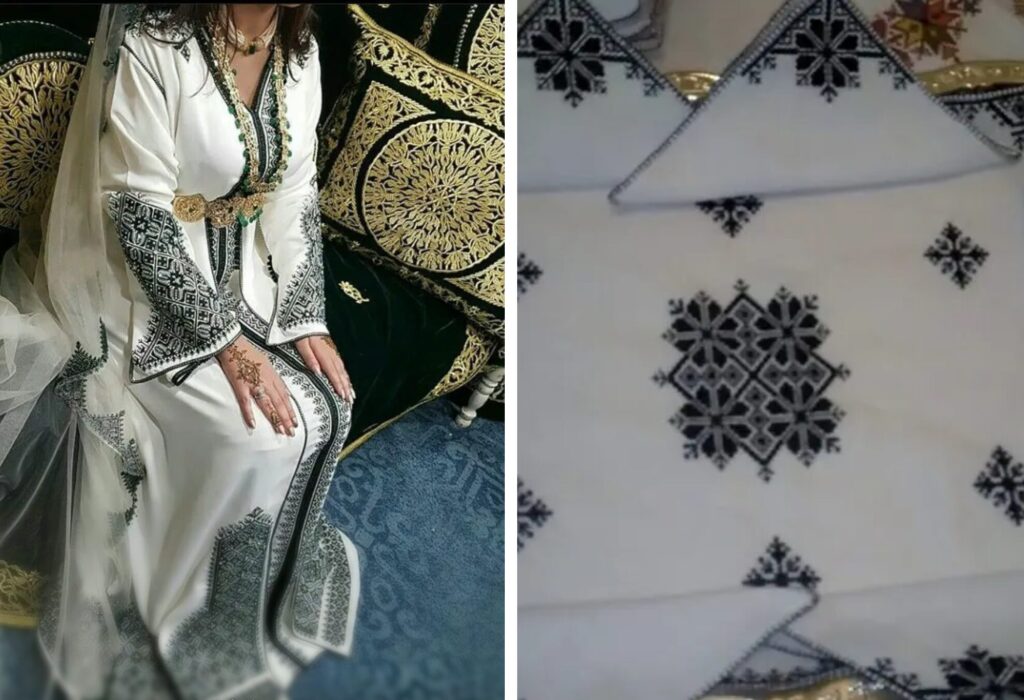
- Fez Embroidery (Tarz Fassi): Known for its geometric precision, delicate silk threads, and monochrome style — usually white or gold on fine linen.
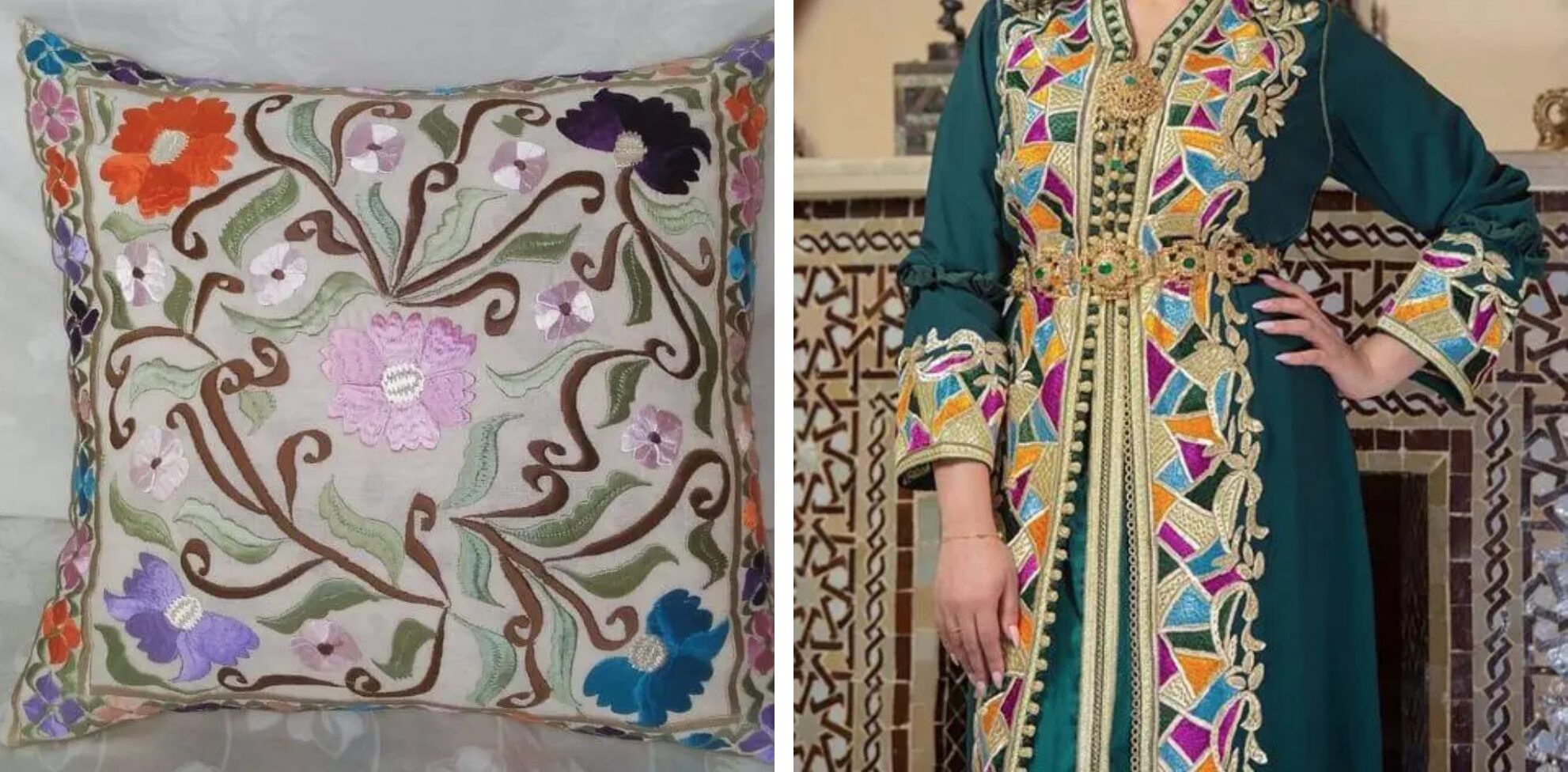
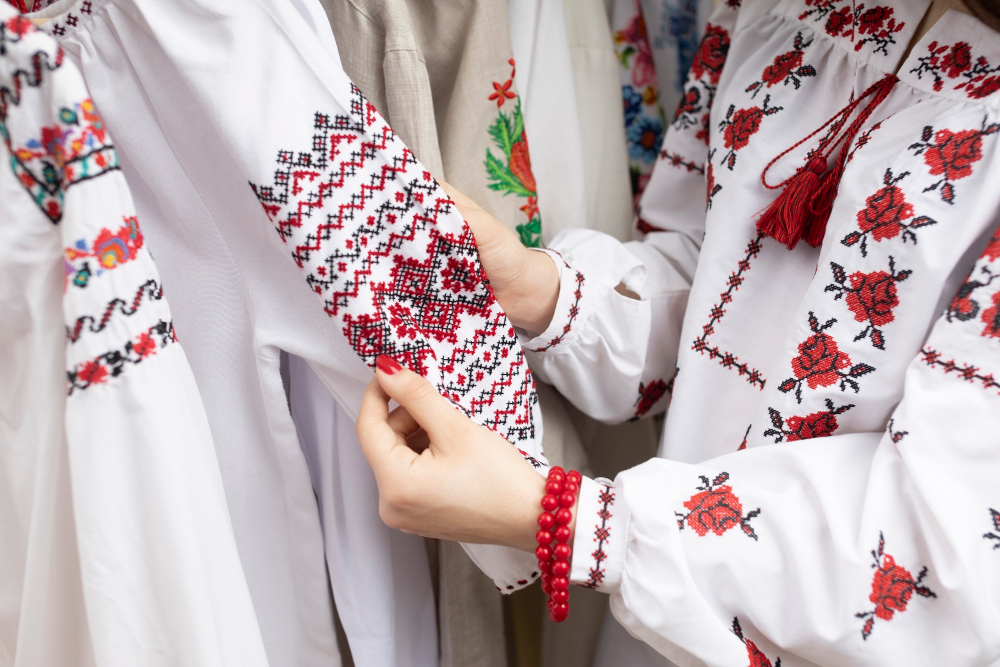
- Rabat Embroidery: Characterized by bold floral designs and vibrant colors, reflecting the city’s royal and cosmopolitan history.
- Tetouan and Chefchaouen Embroidery: Influenced by Andalusian aesthetics, often using metallic threads and intricate lacework.
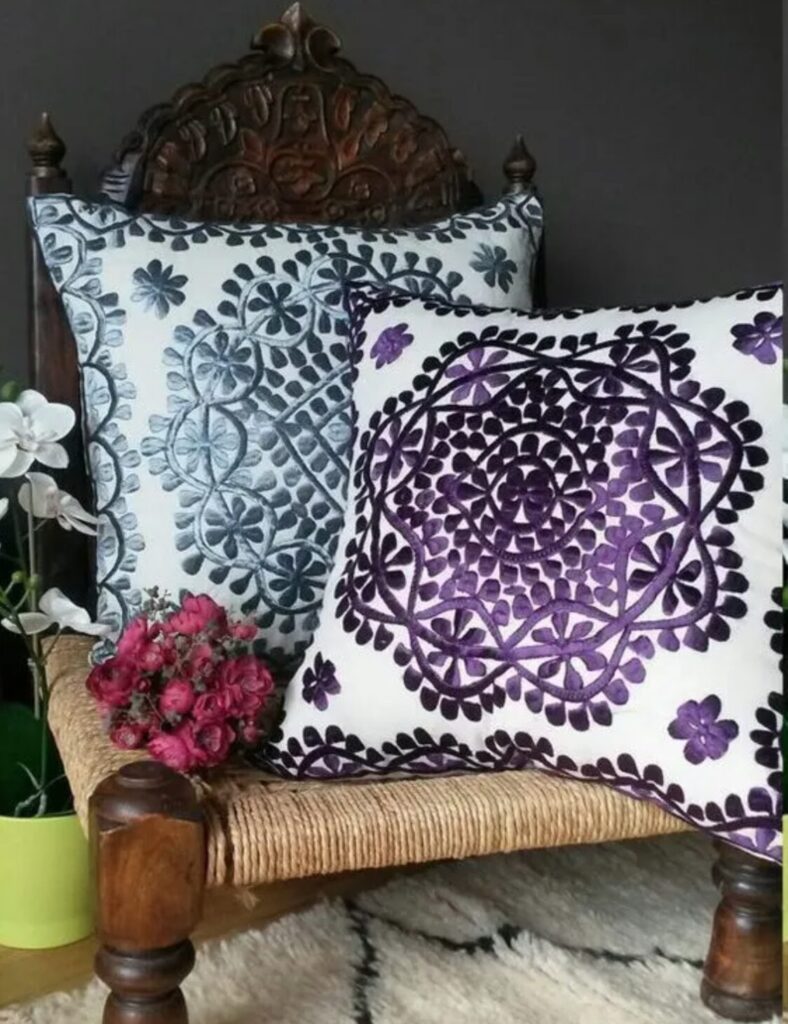
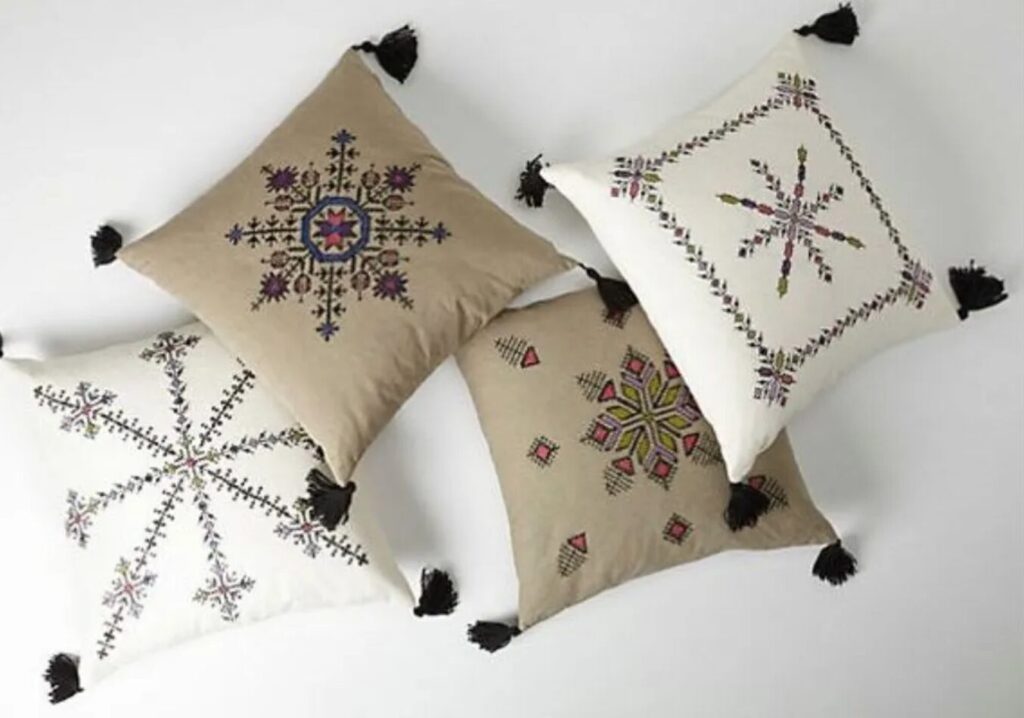
These masterpieces weren’t just made for show. They adorned caftans, cushions, and ceremonial linens — essential in weddings and family celebrations. The art symbolized refinement, patience, and pride in Moroccan womanhood.
Where to Experience Moroccan Embroidery
Fez – The City of Silk and Needle
Fez is often called the cradle of Moroccan craftsmanship. Within its ancient Medina, embroidery workshops have thrived for centuries. Visitors can walk through narrow alleys filled with artisans meticulously working on traditional garments, linens, and wall hangings.
Don’t miss the Dar Batha Museum, where beautifully preserved examples of Fez embroidery showcase the city’s historical expertise. Watching a Maâlma (female master embroiderer) at work — guiding silk threads through fine cotton — is an experience of true artistry.
Rabat – The Capital of Elegant Stitching
In Rabat, embroidery carries a royal touch. The Rbati style is known for its colorful floral designs, inspired by gardens, nature, and urban beauty. You can find these motifs decorating traditional caftans and home textiles sold in the Oulja Handicraft Complex.
Here, visitors can even participate in short embroidery workshops — learning to stitch their own Moroccan souvenir under the guidance of skilled artisans.
Tetouan – The Andalusian Touch
Tetouan’s embroidery stands out for its complexity and refinement. The Tarz Tetouani technique often includes metallic silver and gold threads, creating a shimmering effect on silk and satin.
At the Ethnographic Museum of Tetouan, you’ll find displays of embroidered wedding garments, headscarves, and decorative fabrics that showcase how this craft became an essential part of Moroccan social life.
Travel Tips and Cultural Insights
Embroidery in Morocco is more than a craft — it’s an experience that connects travelers to the heart of Moroccan heritage. Here’s how to enjoy it respectfully and meaningfully:
- Buy from artisan cooperatives: Supporting local workshops ensures that your purchase helps sustain traditional craftsmanship. Look for certified cooperatives marked “Artisanat Authentique.”
- Ask before photographing artisans: Always show respect to artisans, especially women, who may prefer privacy while working.
- Learn basic embroidery terms: Simple Arabic phrases like “Tarz” (embroidery) and “Maâlma” (female master) can enrich your interactions.
- Check material authenticity: Real Moroccan embroidery uses silk or fine cotton threads — not synthetic.
These small gestures deepen your understanding and appreciation for Morocco’s living art forms.
Stories Woven in Thread
Travelers often describe Moroccan embroidery as poetry written with thread. One visitor from France shared how, during her trip to Fez, she spent an afternoon with a cooperative of women embroiderers. “Each stitch had meaning,” she said. “They told stories of weddings, seasons, and childhood dreams through their hands.”
Another traveler in Rabat discovered the beauty of embroidered caftans. Watching artisans stitch silk flowers and geometric motifs reminded her of the patience and precision that Moroccan art is known for.
These encounters reveal how Moroccan embroidery heritage bridges the past and present — linking local women’s creativity to global admiration.
The Modern Revival of Moroccan Embroidery
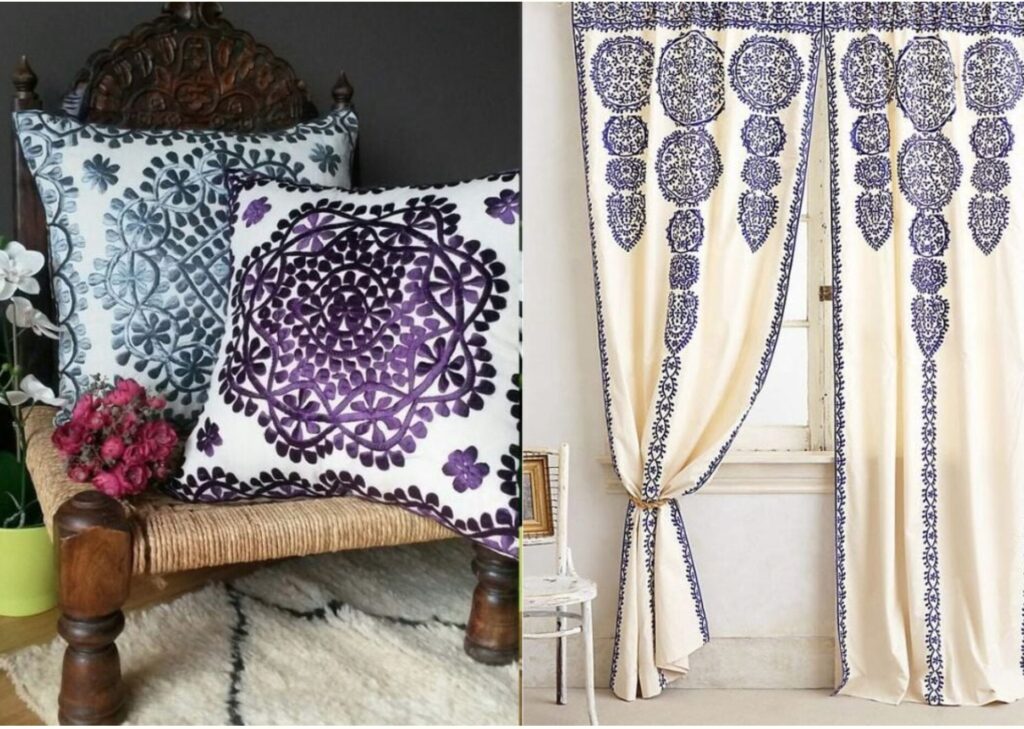
In recent years, Moroccan designers have breathed new life into traditional embroidery. Modern caftans, jackets, and accessories combine old techniques with contemporary designs.
Fashion houses in Casablanca and Marrakesh, such as Maison ArtCouture and Zhor Ben Romdane, showcase how embroidery can blend with minimalist styles while preserving cultural identity.
Meanwhile, the Moroccan government and UNESCO continue to recognize and protect intangible cultural heritage — ensuring crafts like embroidery, pottery, and wood carving thrive for future generations.
In 2022, local cooperatives in Fez and Rabat received new support programs to train young artisans and promote traditional embroidery internationally. This fusion of heritage and innovation keeps the art alive — transforming it from domestic craft to global inspiration.
When and Where to Find Embroidery Events
If you want to plan your trip around embroidery-related experiences, consider these:
- Fez Festival of Traditional Arts (June): Features exhibitions of embroidery, weaving, and calligraphy, often with live demonstrations.
- Marrakesh Handicraft Fair (Spring): A showcase for artisans across Morocco, where embroidery cooperatives present their finest works.
- Rabat Craftsmanship Week (Summer): A perfect event to explore the city’s embroidery scene, meet artisans, and buy authentic handmade textiles.
Visiting during these festivals allows travelers to experience Morocco’s embroidery heritage in full color — from live performances to hands-on workshops.
FAQ: Moroccan Embroidery Heritage
What makes Moroccan embroidery unique?
Moroccan embroidery combines geometric and floral motifs inspired by Islamic art, with distinctive regional styles like Tarz Fassi (Fez) and Rbati (Rabat), all stitched by hand with silk threads.
Can visitors buy authentic Moroccan embroidery?
Yes. Authentic pieces can be found in artisan cooperatives, medinas, and craft centers across Fez, Rabat, Tetouan, and Marrakesh. Always verify handmade authenticity before purchasing.
Is Moroccan embroidery made only by women?
Traditionally, embroidery was taught and practiced by women, passed from mother to daughter. Today, both men and women are involved in preserving this heritage.
How long does it take to complete one embroidered piece?
Depending on the complexity, a single embroidered garment can take from several days to several months to complete — especially intricate caftans or decorative wall panels.
Are there embroidery workshops for tourists?
Yes. Many cooperatives in Fez, Rabat, and Tetouan offer short workshops where visitors can learn basic stitching techniques and create their own small souvenir.
Conclusion: Stitching Morocco’s Living Legacy
Moroccan Embroidery Heritage is more than an art form — it’s a bridge between past and present, craft and culture, women and community. Each stitch carries stories of devotion, patience, and pride that continue to inspire artisans and travelers alike.
As you wander through Morocco’s medinas — from the royal charm of Rabat to the spiritual energy of Fez — take a moment to admire the embroidered details that bring fabrics to life. Behind every design is a heartbeat, a tradition, and a legacy of beauty that defines Morocco itself.
So when you plan your next Moroccan journey, don’t just visit — immerse yourself in the art, meet the artisans, and discover the heritage woven in every thread.