When traveling to Morocco, your senses are instantly captivated by colorful souks, aromatic spices, and vibrant culture. Yet, beyond the medinas and landscapes, there lies a centuries-old ritual that every visitor should experience: the Moroccan hammam treatment. Rooted in tradition and wellness, the hammam offers both physical cleansing and spiritual renewal. In this guide, we’ll explore the history, process, and cultural importance of hammams, while giving you tips to enjoy this iconic Moroccan experience to the fullest.
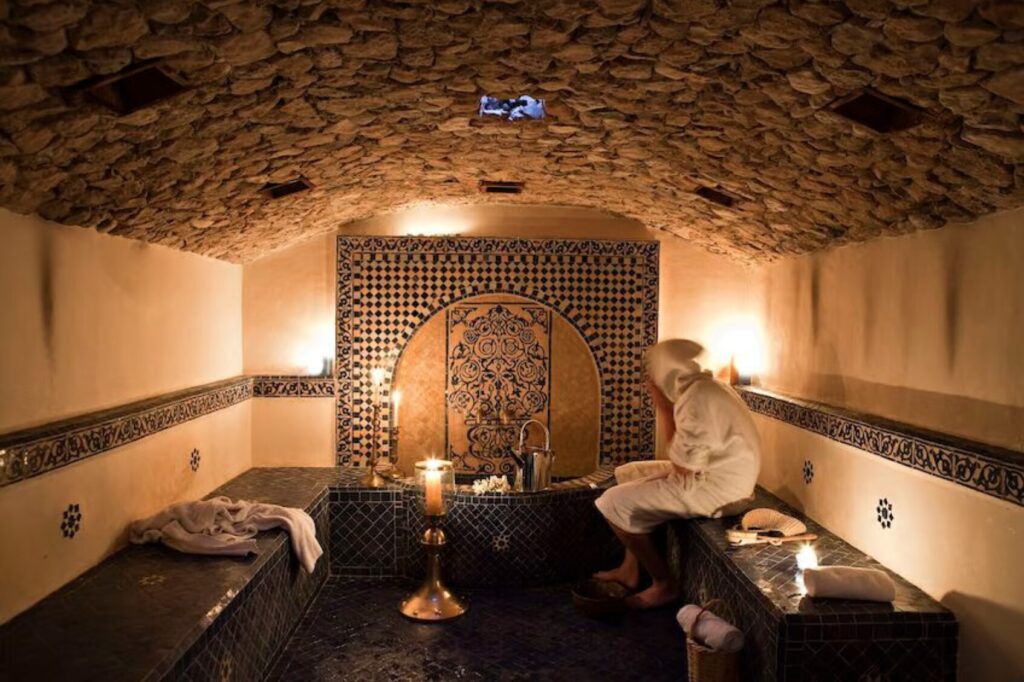
Overview of Moroccan Hammam Treatment
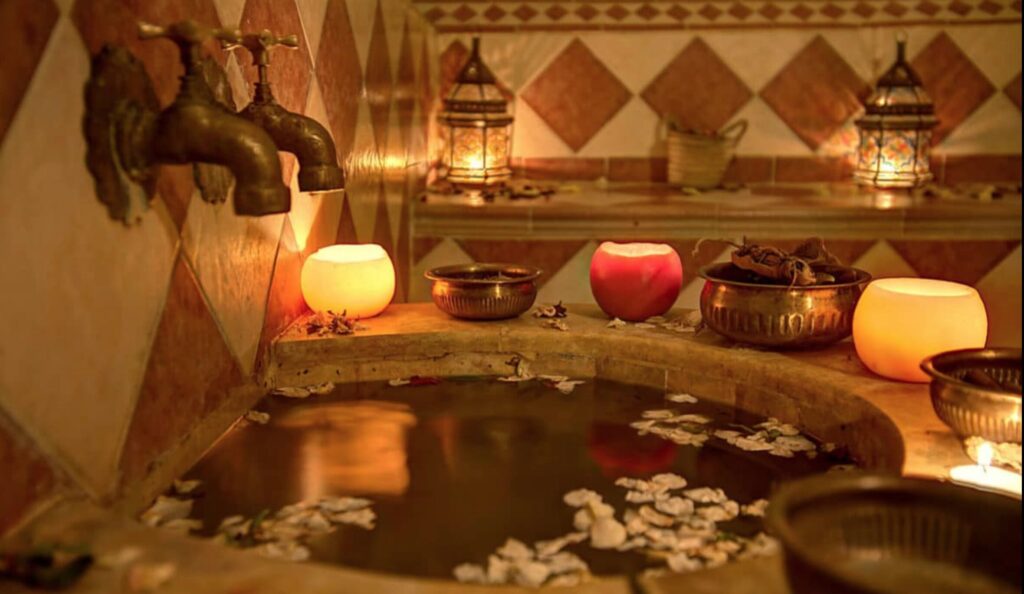
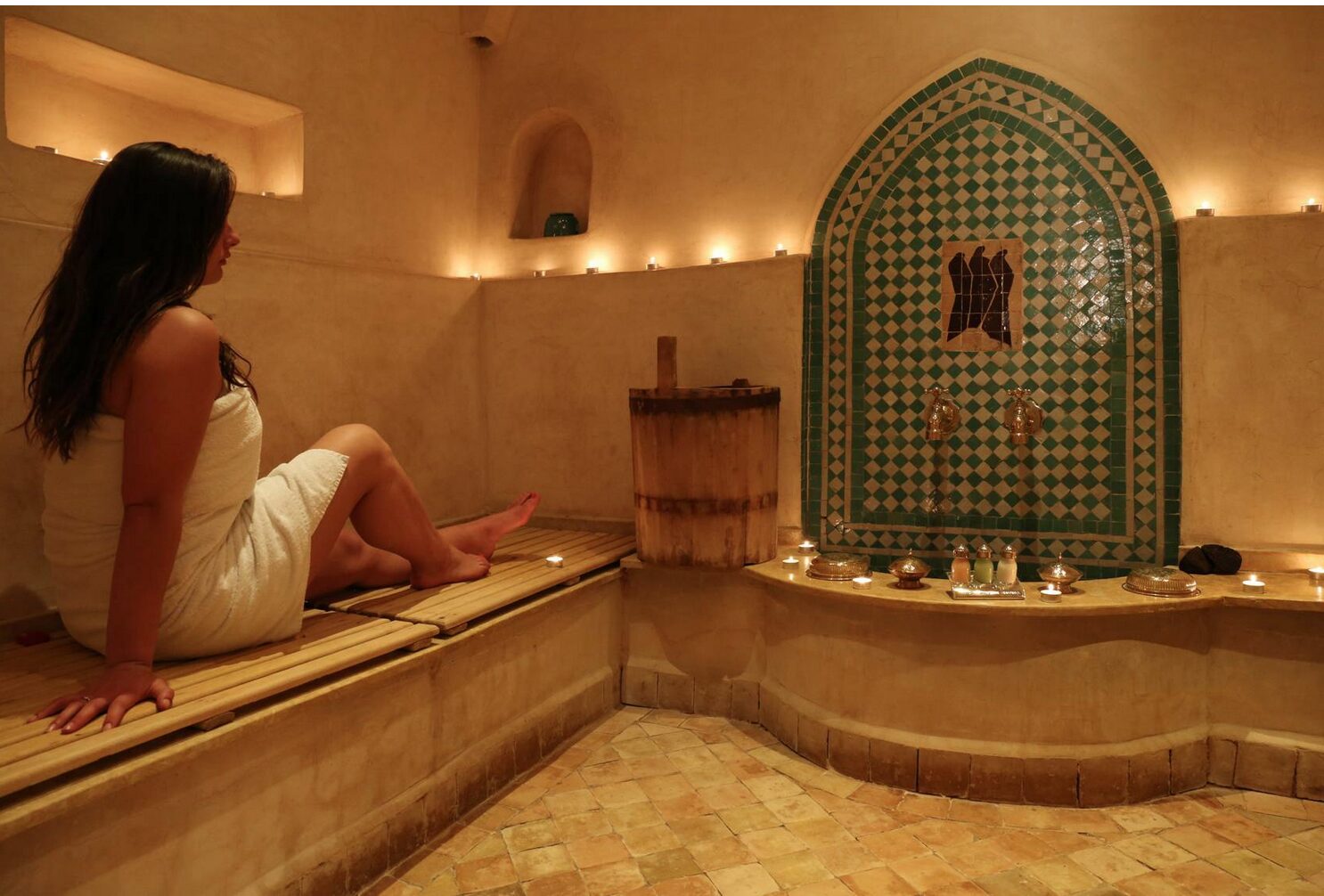
A hammam is a traditional public steam bath, similar to the Roman baths that inspired them centuries ago. Today, it is a cornerstone of Moroccan culture, blending health, hygiene, and social interaction.
The Moroccan hammam treatment follows a specific process:
- Step 1: Warming the Body – Guests spend time in a heated steam room to open pores and release toxins.
- Step 2: Black Soap Application – A natural olive-based soap, known as savon noir, is applied to soften the skin.
- Step 3: Exfoliation with Kessa Glove – Dead skin is scrubbed away using a rough glove, leaving skin fresh and renewed.
- Step 4: Rinsing and Clay Mask – Rhassoul clay, rich in minerals, is applied to nourish and purify.
- Step 5: Final Rinse and Relaxation – The session ends with a refreshing rinse and often mint tea to restore balance.
The ritual is as much about cleansing the body as it is about rejuvenating the mind.
Must-See Hammam Experiences in Morocco
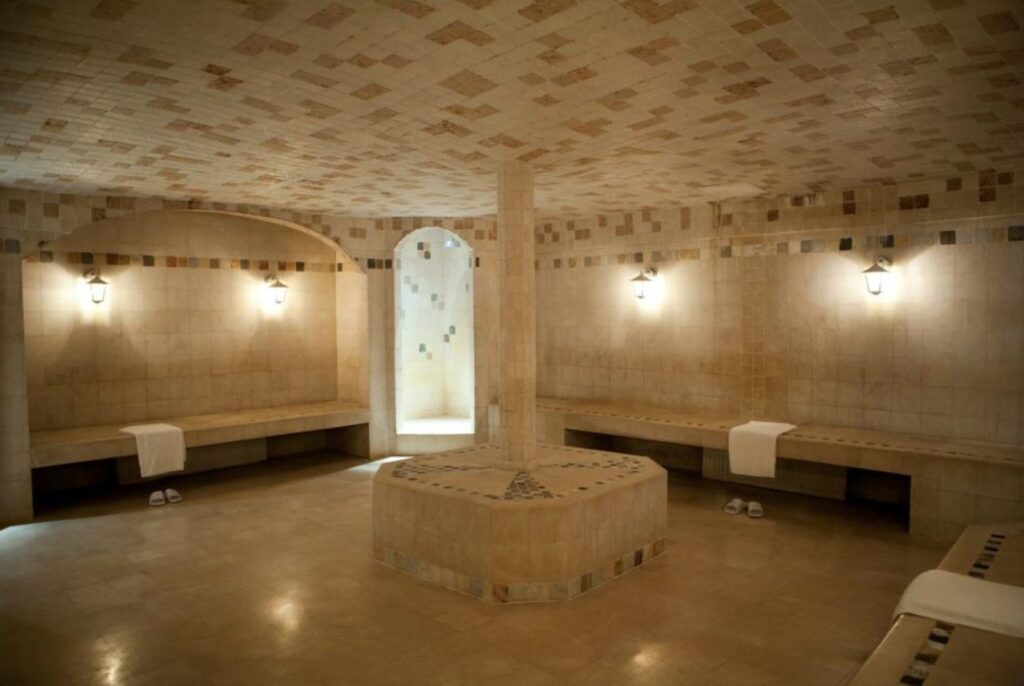
Marrakech – Luxury and Tradition Combined
In Marrakech, travelers can enjoy hammams that range from simple neighborhood bathhouses to luxurious spas in riads. Some high-end hammams blend modern wellness practices with traditional rituals, offering oils, massages, and aromatherapy.
Fes – Historic Hammams in the Medina
Fes, Morocco’s spiritual heart, is known for its authentic hammams that date back centuries. Stepping into one of these hammams feels like entering history, with tiled interiors and domed steam rooms.
Casablanca – Modern Spa Hammams
As Morocco’s cosmopolitan hub, Casablanca offers modern interpretations of the Moroccan hammam treatment. These spa-style hammams combine sleek design with traditional techniques, perfect for travelers seeking a more private experience.
Rural Villages – Hammams of Daily Life
In smaller towns and villages, hammams remain essential to community life. Here, you’ll find the most authentic atmosphere, where locals gather weekly to cleanse, socialize, and share stories.
(See more about Moroccan history and culture on Morocco’s Wikipedia page and discover the city of Marrakech where many hammam traditions thrive.)
Travel Tips and Cultural Insights

- What to Bring – Essentials include flip-flops, a towel, swimsuit or undergarments (depending on the hammam’s rules), and toiletries. Many hammams also provide supplies.
- Gender Separation – Traditional hammams are usually gender-specific, with separate times or entrances for men and women.
- Cost – Local hammams are very affordable (a few dirhams), while luxury spas may cost more but include massages and oils.
- Cultural Etiquette – Be respectful of the local customs. Nudity rules vary, but modesty is generally observed.
- Timing – Hammams are often busiest before Fridays, the holy day, when many Moroccans prepare for prayer and family gatherings.
Real-World Traveler Stories
Travelers often describe their hammam experience as transformative. One visitor in Marrakech shared:
“At first, the intense scrubbing surprised me, but afterward my skin felt lighter than ever. It was like shedding layers of dust and fatigue. The mint tea at the end sealed the experience with calm.”
Another traveler in Fes noted:
“The hammam wasn’t just about cleansing—it was about connection. Locals chatted, laughed, and shared stories. I felt part of the community.”
These stories highlight that the Moroccan hammam treatment is more than a spa—it’s a cultural immersion.
Future Travel Recommendations and Seasonal Insights
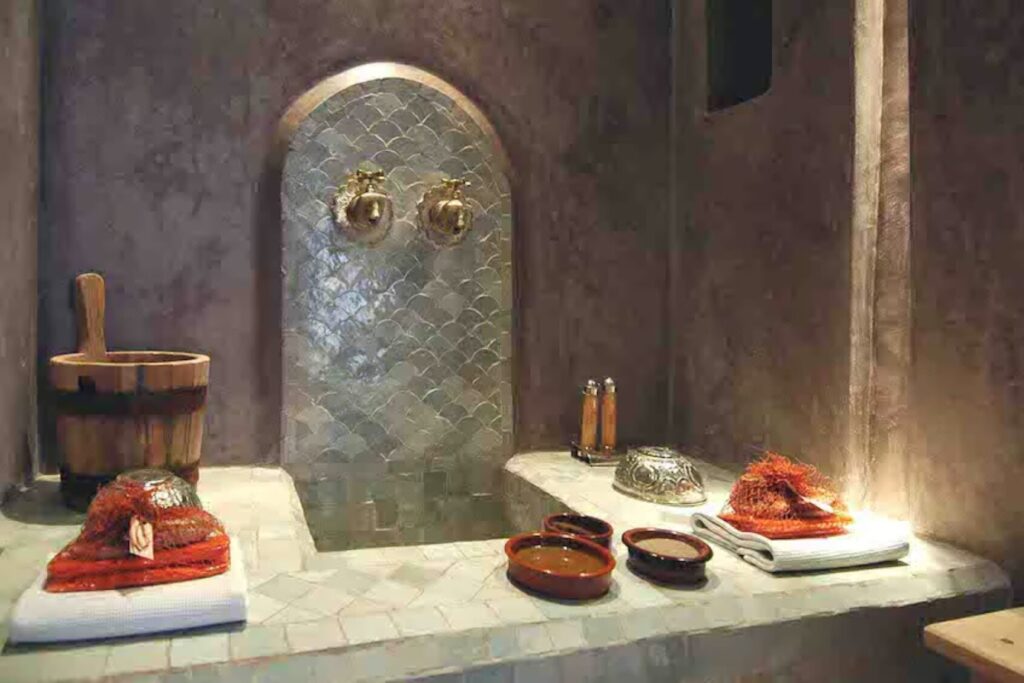
- Winter – The warm steam rooms provide a comforting escape from the chilly Moroccan air.
- Summer – Hammams help refresh and purify after long, hot days exploring.
- Festive Seasons – Before Ramadan and major celebrations, hammams are especially lively as families prepare for festivities.
- Luxury Trends – Many riads and resorts are now offering tailored hammam treatments with essential oils, making it a must for wellness travelers.
If hammams aren’t already on your Morocco bucket list, they should be—no matter the season, they promise rejuvenation and cultural discovery.
FAQ about Moroccan Hammam Treatment
What is a Moroccan hammam treatment?
It’s a traditional steam bath and cleansing ritual involving black soap, exfoliation, and clay masks to cleanse and refresh the body.
How long does a hammam session last?
Typically 60 to 90 minutes, depending on whether you choose only the basics or additional treatments like massages.
Do I need to book in advance?
For public hammams, usually not. For luxury hammams in hotels or spas, it’s recommended to book ahead.
Is the hammam suitable for everyone?
Yes, though people with certain health conditions (like respiratory issues) should consult a doctor before visiting.
What’s the difference between a public and luxury hammam?
Public hammams are affordable and communal, while luxury hammams offer private, spa-like experiences with added services.
Conclusion
The Moroccan hammam treatment is more than just a spa ritual—it’s a timeless tradition that reflects Morocco’s culture of hospitality, cleanliness, and community. Whether you choose a rustic neighborhood hammam in Fes or a luxurious riad spa in Marrakech, you’ll leave with glowing skin and a renewed spirit.
– Ready to immerse yourself in Moroccan traditions? Plan your trip and experience the magic of the hammam with Skies of Morocco—where every journey is a blend of relaxation, discovery, and culture.