For centuries, the people of Morocco have turned to nature as their first source of healing and wellbeing. Moroccan Herbal Medicine and Traditional Healing Practices remain deeply rooted in everyday life—fueled by ancient Amazigh knowledge, Arab influences, Islamic herbal traditions, and the healing power of Morocco’s diverse landscapes. Today, travelers from around the world come to Morocco not only for its mountains, deserts, and cities, but also to explore its spiritual and botanical heritage.
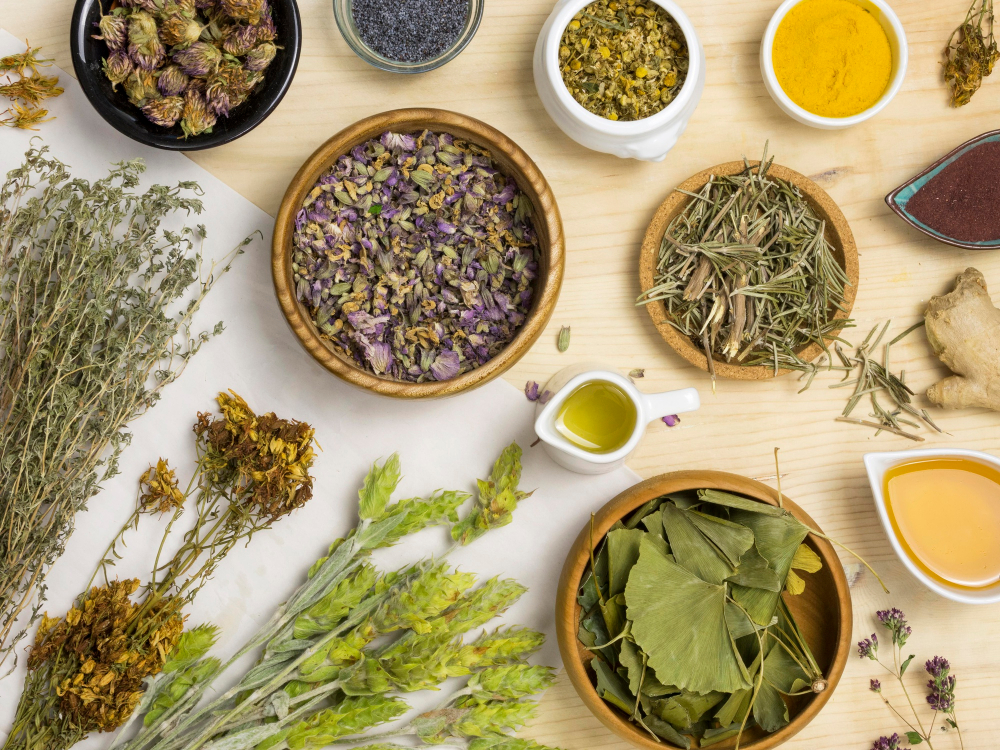
In this guide, we explore the hidden world of Moroccan herbs, healing rituals, souks of medicinal plants, and real-life stories from locals who preserve these ancestral practices.
1. Understanding Moroccan Herbal Medicine and Traditional Healing Practices
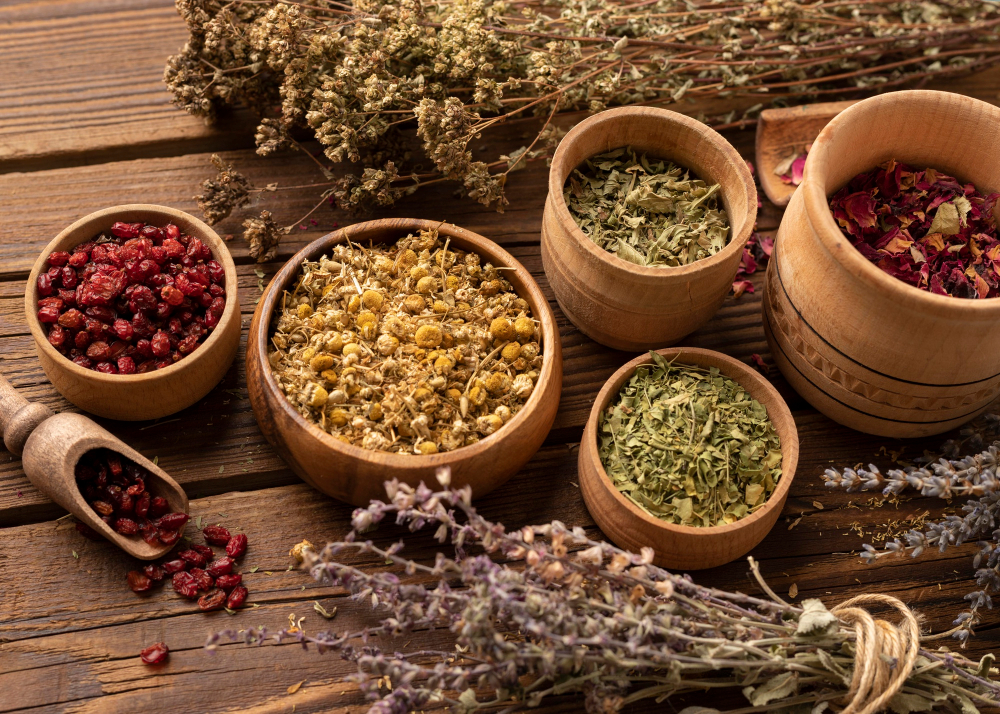
A Heritage of Natural Healing
Moroccan herbal medicine draws from multiple civilizations that shaped the country: Amazigh tribes, Andalusian scholars, and Arab herbalists. Together, they formed a comprehensive healing philosophy based on balance, prevention, and connection with nature.
Key Elements
- Herbal remedies made from locally grown plants
- Traditional healers known as “achaba” or “fqih”
- Spiritual cleansing practices
- Therapeutic rituals linked to hammams, oils, and infusions
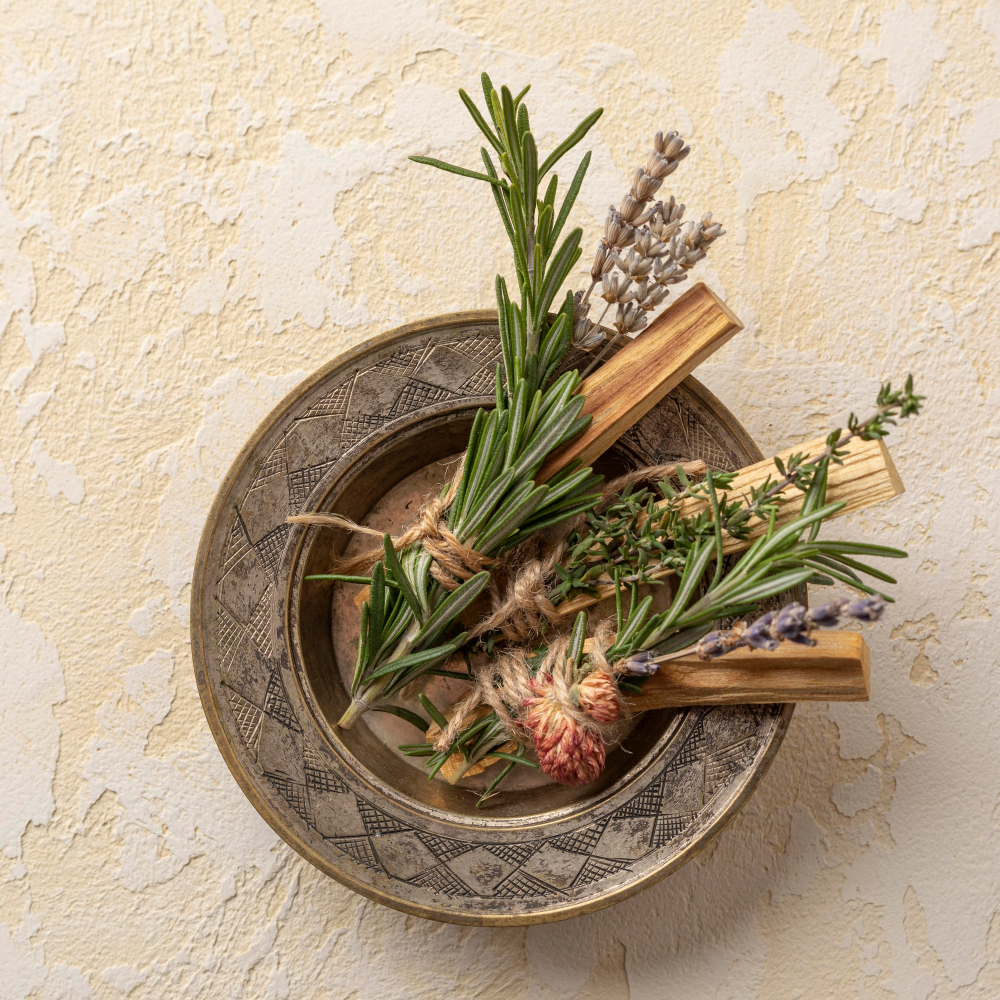
From the Atlas Mountains to the Atlantic coastline, each region contributes unique plants with medicinal properties—thyme, rosemary, verbena, Nigella sativa, and the famous argan tree.
To learn more about Morocco’s regions, travelers may explore the history of Fez or the cultural background of Amazigh tribes.
2. Must-See Herbal and Healing Experiences in Morocco
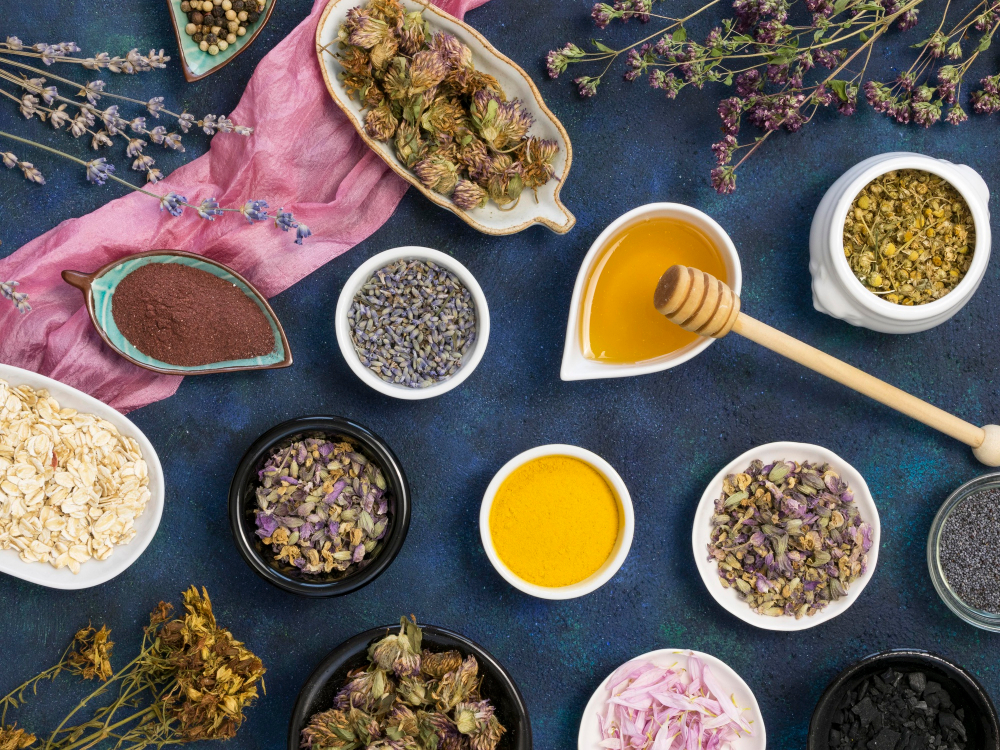
Visit Herbal Souks (Traditional Markets)
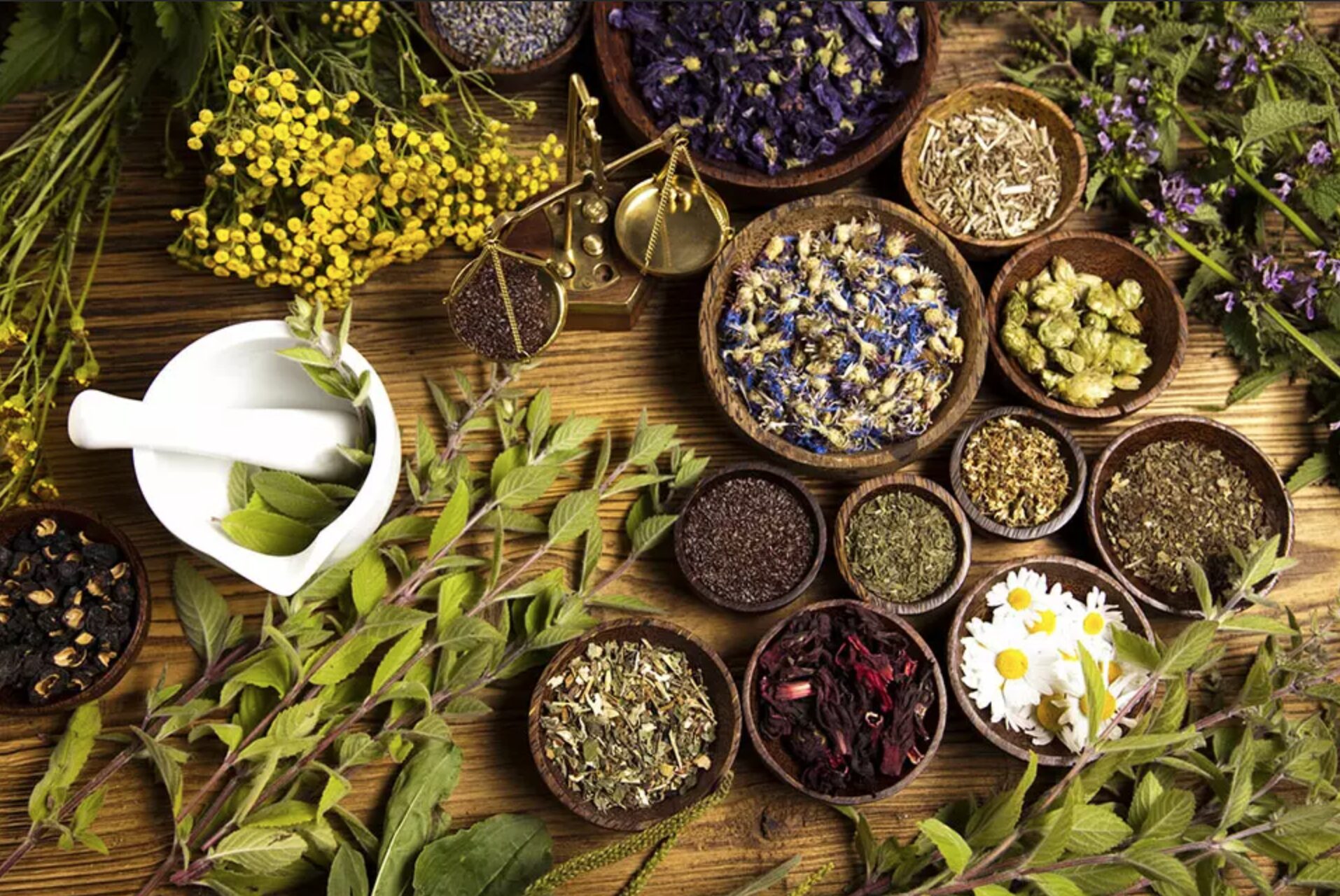
The best place to experience Moroccan Herbal Medicine and Traditional Healing Practices is in the bustling souks. Here, herbalists display jars of dried plants, roots, spices, and oils.
Top souks for herbal exploration
- Marrakech – Souk el Attarin: Famous for its perfume and spice shops.
- Fez – El Henna Souk: Known for healing clays, kohl, henna, and herbal mixtures.
- Taroudant: A small city renowned for herbs harvested from the Souss Valley.
Explore Rural Villages Where Herbs Are Grown
Travelers can explore villages in the High Atlas, where women cultivate medicinal plants and prepare remedies passed down through generations.
Notable regions
- Ourika Valley – wild thyme, verbena, rosemary
- Midelt and Khenifra – alpine herbs and rare mountain plants
- Souss-Massa – argan forests and herbal cooperatives
Experience Traditional Healing Rituals
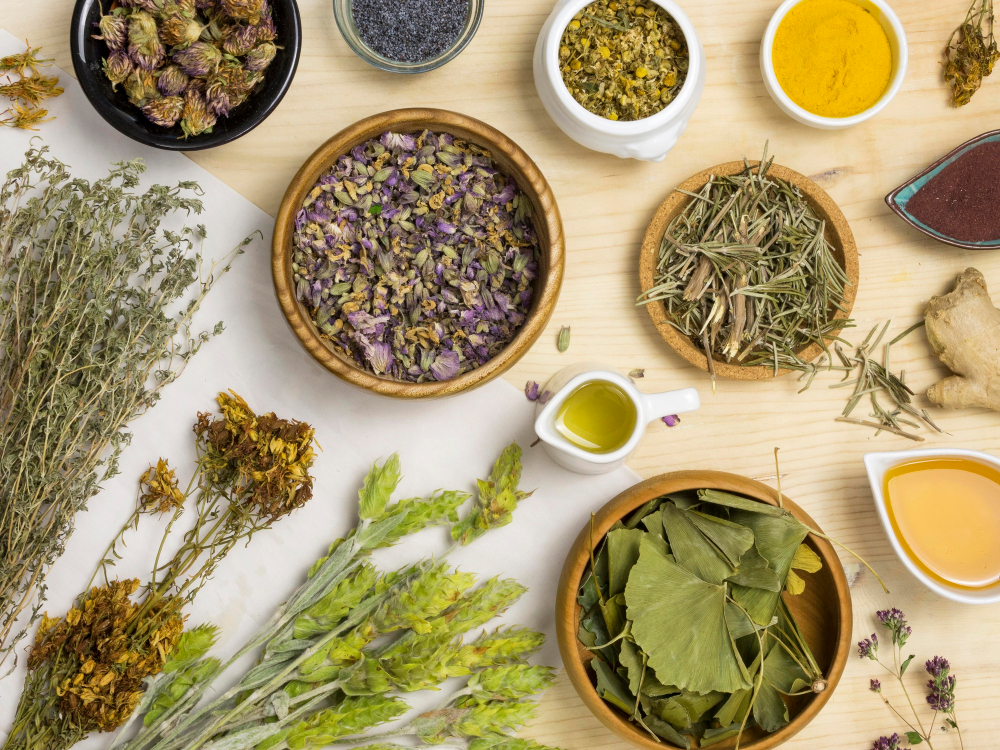
Moroccan healing rituals combine herbs with hammams, massages, and spiritual cleansing.
Popular rituals
- Hammam detox with eucalyptus leaves and black soap
- Herbal infusions for digestion and relaxation
- Argan oil therapies for skin rejuvenation
- “Ruqya” spiritual healing, based on recitation and purification
Visit the Argan Oil Cooperatives
Women’s cooperatives near Essaouira and Agadir offer demonstrations of argan extraction and the medicinal properties of argan kernels, leaves, and oils.
Taste Medicinal Herbal Teas
Herbal teas form a major part of Moroccan daily life. Some must-try options include:
- Louisa (verbena) – calming and fragrant
- Sheba (wormwood) – strong and excellent for digestion
- Zaatar (thyme) – aids breathing and immunity
3. Travel Tips and Cultural Insights
✔ Learn About Herb Safety
While Moroccan herbal remedies are safe when used traditionally, some plants may be potent. Always ask a knowledgeable herbalist before trying new mixtures.
✔ Respect Traditional Healers
Traditional healers play a respected role in rural communities. Approach them with humility, curiosity, and open-mindedness.
✔ Bring Cash for Souk Purchases
Herbal markets usually operate on cash-only systems, especially in rural towns.
✔ Don’t Rush the Experience
Exploring herbal stores takes time—herbalists often share stories, recipes, and spiritual advice along with their remedies. Let the conversation flow naturally.
✔ Protect Local Nature
Avoid purchasing endangered herbs or plants harvested unsustainably. Ethical herbal shops will inform you about safe and eco-friendly choices.
4. Real-World Experiences and Traveler Stories
A Journey with a Herbalist in Marrakech
Travelers often recall walking through the narrow lanes of Marrakech, guided by the warm scent of saffron, fennel, and eucalyptus. A friendly herbalist invites them into his small shop filled with glass jars and wooden shelves. He explains the use of each herb—how desert thyme treats coughs, how verbena calms the heart, and how black cumin seeds strengthen immunity. Visitors leave with tea blends, natural perfumes, and a deeper appreciation for Moroccan wellness culture.
Meeting a Traditional Healer in the Rif Mountains
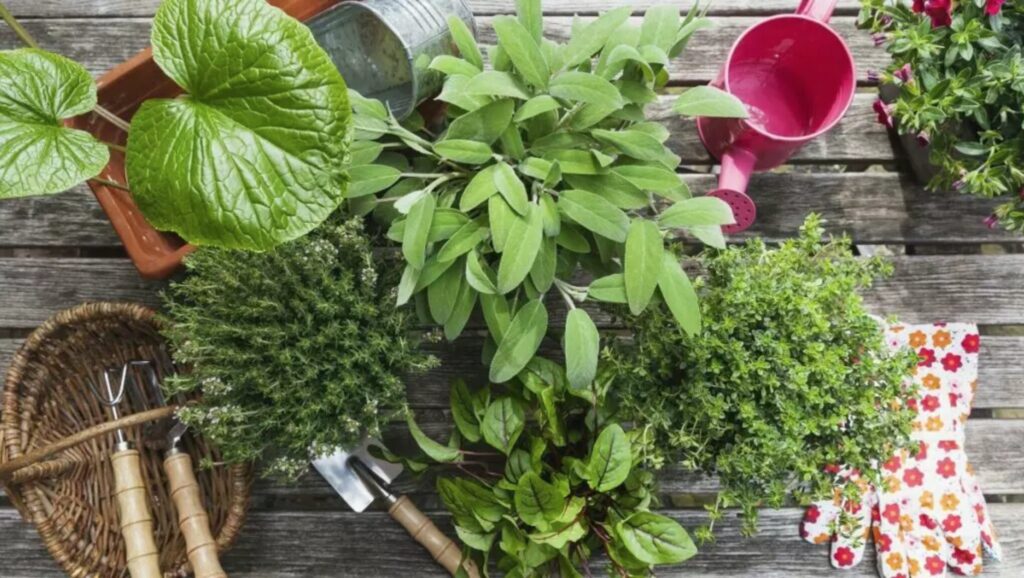
In a small village near Chefchaouen, tourists frequently meet “Lalla Zohra,” a respected healer known for her knowledge of mountain herbs. She leads visitors into her garden, where she grows rosemary, lavender, wild mint, and bay leaves. She explains how her mother taught her to prepare remedies based on the seasons: winter teas for warmth, summer herbs for cooling, and spring flowers for cleansing.
Hammam Experience in Fez
One traveler shared how visiting a traditional hammam transformed her understanding of Morocco’s healing traditions. Using eucalyptus branches, clay masks, and herbal steam, the ritual offered physical and spiritual renewal—an experience she said was “worth the entire trip.”
5. Future Travel Recommendations and Seasonal Insights
Best Seasons for Herbal Exploration
- Spring (March–May): Peak blossoming season for most medicinal plants.
- Autumn (September–November): Harvest season for herbs and roots.
- Winter: Ideal for hammam rituals and warm herbal infusions.
Festivals and Herbal Events
Travelers can plan trips around herbal and natural-product festivals such as:
- The Saffron Festival in Taliouine – celebrating Morocco’s “red gold.”
- The Rose Festival in Kalaat M’Gouna – showcasing rosewater and distillation traditions.
Eco-Tourism and Herbal Retreats
More wellness retreats have appeared across Morocco, offering herbal workshops, healing sessions, and nature-based meditation programs in the Atlas Mountains, Agafay Desert, and Souss-Massa.
FAQ – Moroccan Herbal Medicine and Traditional Healing Practices
Are Moroccan medicinal herbs safe to use?
Yes, most herbs are safe when used in traditional quantities. However, potent herbs should be used with guidance from an expert herbalist.
Where can travelers buy authentic Moroccan medicinal herbs?
Traditional souks in Marrakech, Fez, Taroudant, and rural herb farms are excellent places to buy authentic, freshly harvested herbs.
Can visitors take herbal workshops?
Absolutely. Many cooperatives and wellness retreats offer workshops on making herbal infusions, oils, and natural cosmetics.
Is Moroccan herbal medicine connected to spirituality?
Yes. Many healing practices combine herbs with spiritual rituals, recitations, or symbolic purification methods.
Can herbal products be taken home internationally?
Yes, dried herbs and oils are usually permissible. Check your country’s import regulations before traveling.
Conclusion
Moroccan Herbal Medicine and Traditional Healing Practices open a door to a world where nature and spirituality exist in harmony. From fragrant souks to mountain herb gardens and hammam rituals, Morocco offers travelers a deep and memorable journey into its healing culture.
If you’re seeking a travel experience filled with beauty, wisdom, and traditional wellness, Morocco’s herbal heritage awaits you.
–Start planning your journey today—discover more guides, hidden destinations, and cultural experiences on skiesofmorocco.