Moroccan Loubia – Hearty White Bean Stew Recipe
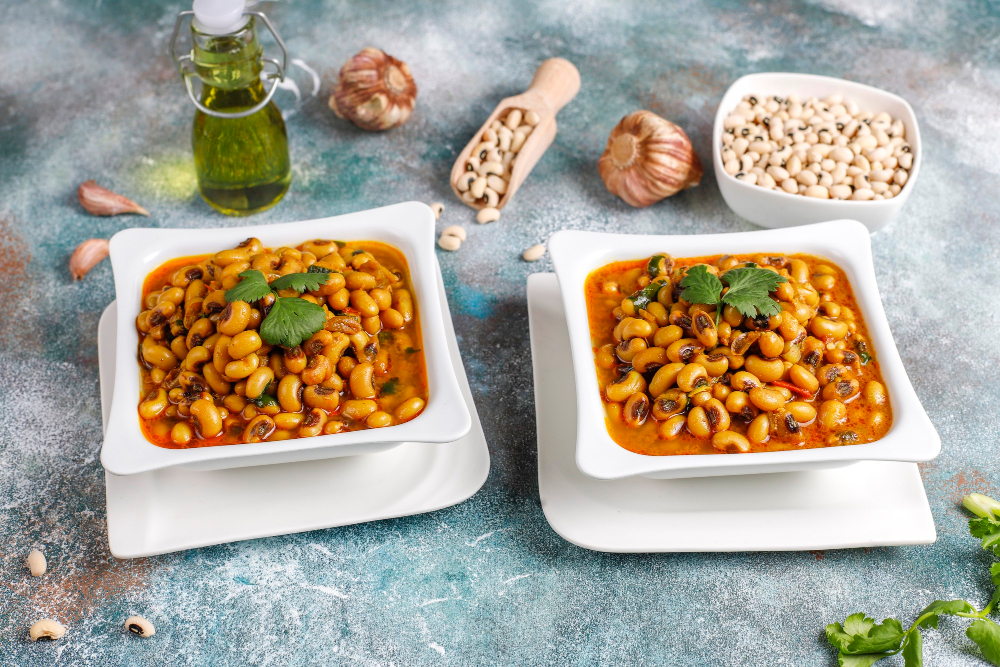
Few dishes speak of Moroccan comfort and tradition quite like Moroccan Loubia – Hearty White Bean Stew Recipe. It’s simple yet rich in flavor, a dish that warms the body and heart after a day of adventure. Whether you’ve been exploring the lively souks of Marrakech or admiring the timeless charm of Fes, this humble stew connects you to Moroccan homes, hospitality, and heritage.
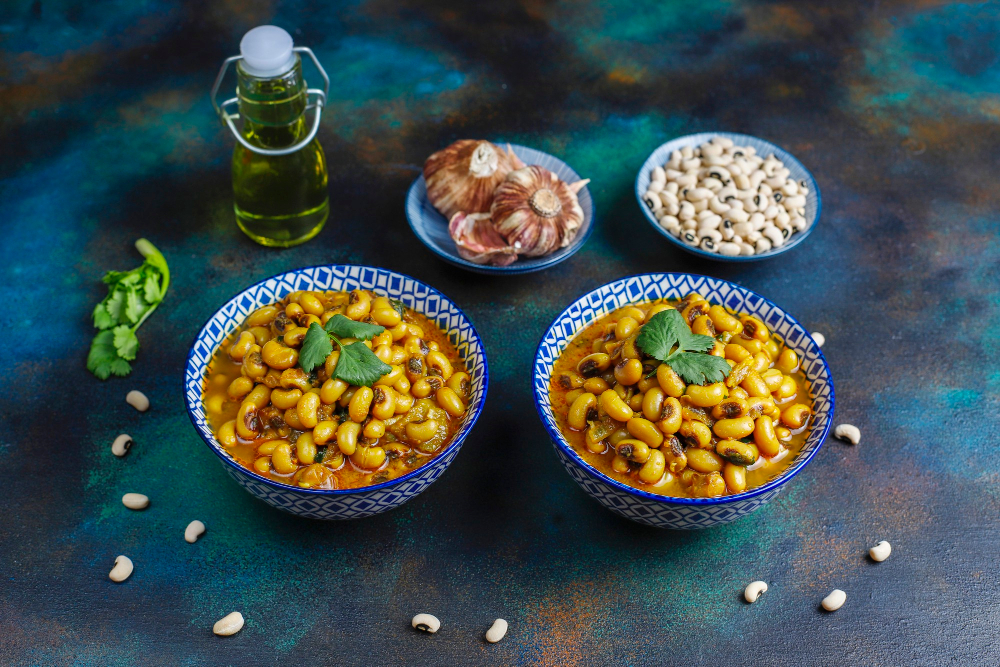
In this article, we’ll dive into what makes Moroccan Loubia so special, where you can enjoy it during your travels, and how it captures the essence of Moroccan life—one simmering pot at a time.
What Is Moroccan Loubia?
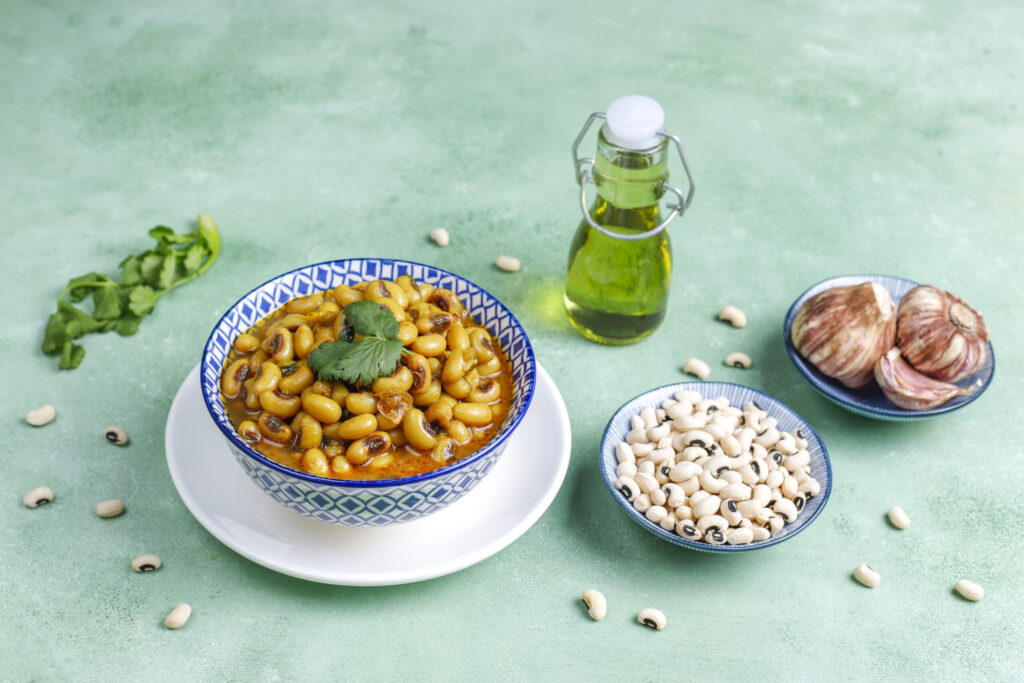
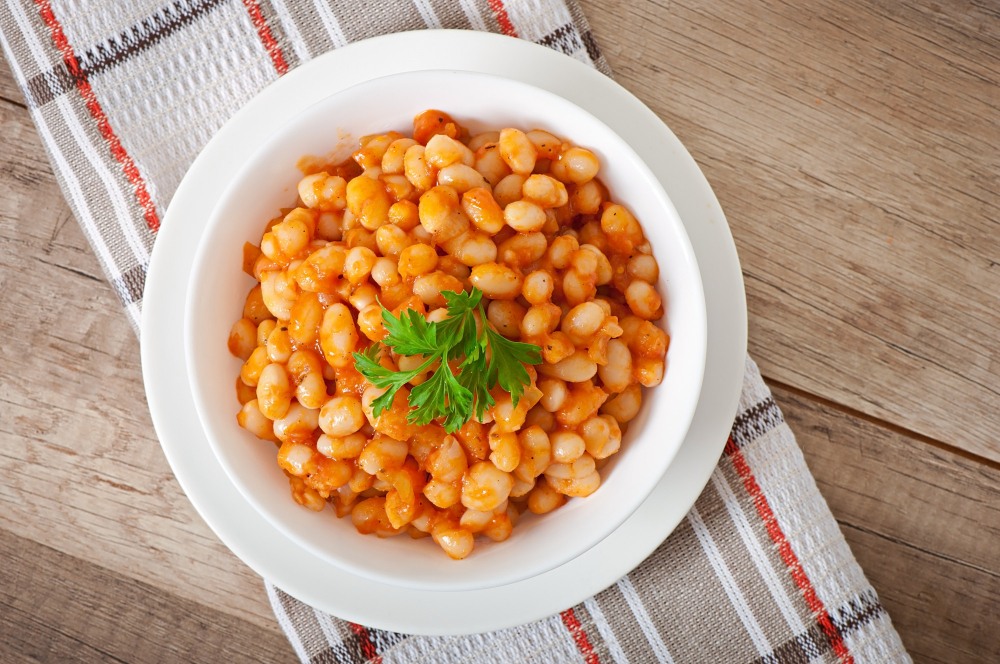
Moroccan Loubia is a traditional white bean stew cooked slowly with tomatoes, onions, garlic, and a medley of Moroccan spices such as cumin, paprika, and turmeric. The dish is often prepared in earthenware pots and served with freshly baked Moroccan bread (khobz).
Loubia isn’t just food—it’s an experience. It reflects the Moroccan philosophy of togetherness. Families and friends gather around a shared dish, scooping with bread instead of cutlery, savoring the warmth that comes from both the stew and the company.
It’s a staple comfort dish, especially enjoyed in winter, but its popularity stretches across all seasons. Each Moroccan region adds its unique twist: coastal cities may use olive oil and fresh herbs, while mountain villages add dried chilies or lamb for an extra hearty flavor.
Where to Savor Authentic Moroccan Loubia
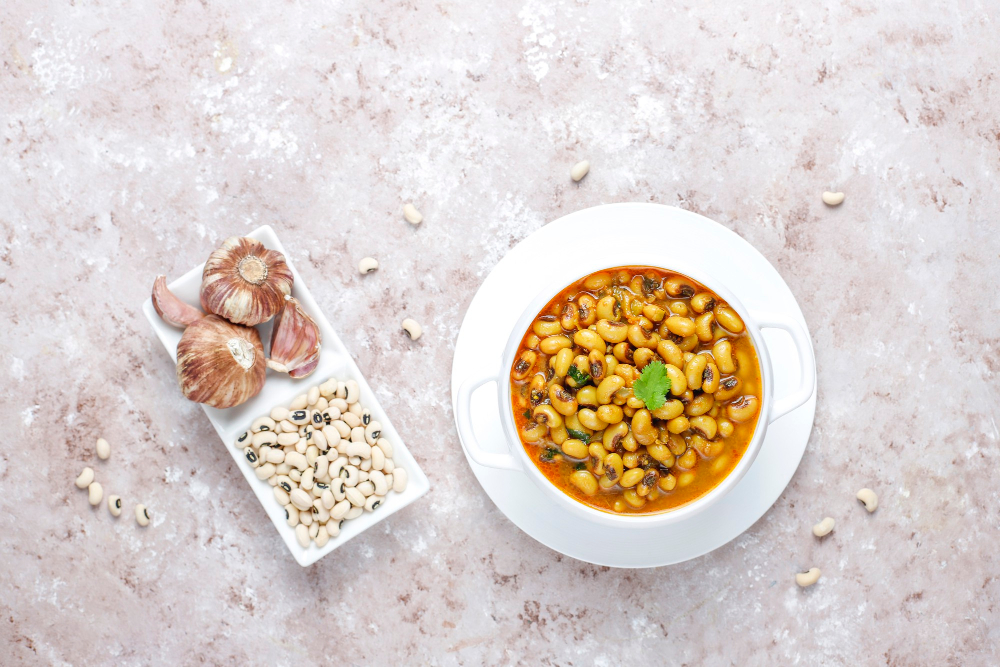
If you’re traveling through Morocco, tasting Loubia in different settings can feel like taking a delicious journey across the country. Here are some top experiences for food lovers:
1. Traditional Riads in Marrakech
Riads often serve homemade meals to their guests, allowing travelers to experience authentic Moroccan flavors. Request Moroccan Loubia – Hearty White Bean Stew Recipe, and you might get a family recipe passed down through generations. Many riad hosts love sharing the stories behind their dishes.
2. Street Food Stalls in Casablanca
In Casablanca, local eateries serve Loubia as an everyday meal, especially during lunchtime. The combination of soft beans, spicy tomato sauce, and fresh bread creates the perfect balance of flavor and comfort.
3. Cooking Workshops in Fes
Cooking classes in Fes’s medina often include traditional recipes like Loubia. You’ll shop for ingredients in local markets, learn spice blending techniques, and discover the art of slow Moroccan cooking—a skill that’s as meditative as it is delicious.
Travel Tips and Cultural Insights
Learn the Moroccan Way of Sharing Meals
In Morocco, food is more than nourishment—it’s a way to connect. Meals like Loubia are shared from a communal bowl, often enjoyed with laughter and conversation. Remember, the right hand is used for eating and breaking bread—part of Morocco’s beautiful dining etiquette.
Best Time to Enjoy Loubia
While Loubia is enjoyed year-round, it’s particularly comforting during the cooler months (November to February). Many Moroccans prepare it on rainy days, making it the perfect companion for cozy winter evenings.
Buy Spices Like a Local
If you’re inspired to recreate Moroccan Loubia at home, visit spice markets like Souk el Attarine in Fes or Souk Semmarine in Marrakech. Vendors will happily guide you through Morocco’s essential spices—cumin, paprika, turmeric, and saffron—all key to the stew’s rich aroma.
Traveler Stories: The Taste That Stays With You
Travelers who’ve tried Moroccan Loubia often recall it as a highlight of their culinary journey.
Sarah, a traveler from Canada, shared:
“I tasted Loubia at a small riad in Chefchaouen. The host served it with olives and mint tea. It was so simple yet so full of flavor—it felt like Morocco in a bowl.”
Meanwhile, Ali, a photographer from Spain, remembers enjoying Loubia in the Atlas Mountains after a long trek:
“That warm stew gave me the energy and comfort I needed. It wasn’t just food; it was a moment of Moroccan kindness.”
These stories prove that Loubia isn’t only a dish—it’s an experience that lingers in memory long after the journey ends.
Seasonal and Future Travel Insights
- Winter Warmth: Loubia is best enjoyed during Morocco’s winter, when temperatures drop and locals gather around steaming bowls.
- Pair It with Mint Tea: For an authentic experience, pair your Loubia with traditional Moroccan mint tea. The freshness of the mint beautifully complements the stew’s spices.
- Vegetarian Delight: Many Moroccan families prepare Loubia without meat. Vegetarians will love its rich, satisfying flavor.
- Learn to Cook It Yourself: Cooking workshops in Fes, Rabat, or Marrakech are great for travelers who want to bring a taste of Morocco home.
FAQ: Moroccan Loubia – Hearty White Bean Stew Recipe
What is Moroccan Loubia made of?
Moroccan Loubia is a white bean stew made with tomatoes, garlic, onions, and Moroccan spices. Some versions include lamb or beef for added richness.
Is Moroccan Loubia spicy?
It’s mildly spiced rather than hot. The flavor comes from paprika, cumin, and turmeric, making it aromatic but not overwhelmingly spicy.
Can I make Loubia vegetarian?
Absolutely! The vegetarian version, made with just beans and spices, is equally hearty and flavorful.
Where can I eat authentic Moroccan Loubia?
You can enjoy Loubia in traditional riads, local cafés, and at food stalls in cities like Marrakech, Fes, and Casablanca.
What should I serve with Loubia?
Loubia pairs beautifully with Moroccan bread, pickled olives, and sweet mint tea.
Conclusion
Moroccan Loubia – Hearty White Bean Stew Recipe is a warm invitation into Morocco’s culinary heart. It represents everything Moroccan cuisine stands for—hospitality, patience, and flavor built from the simplest ingredients.
So, the next time you wander through Morocco, follow the aroma of simmering spices, share a bowl of Loubia with locals, and discover that sometimes, the best travel memories are made around the dinner table.
Ready for your next Moroccan adventure? Explore more food stories and travel guides on Skies of Morocco.