High in the rugged peaks of the Atlas Mountains lies a world shaped by stone, tradition, and breathtaking landscapes. Moroccan Mountain Villages: Architecture, Culture, and Daily Life offer travelers a unique window into Morocco’s soul—far from the bustle of big cities and deep into communities where time slows down, hospitality runs deep, and nature commands respect.
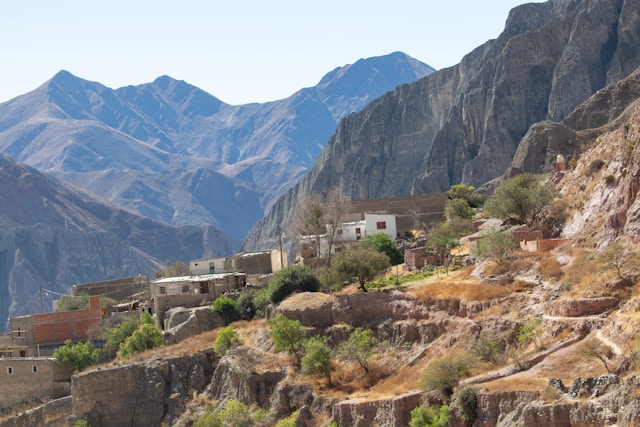
From ancient Amazigh (Berber) homes to winding footpaths and terraced farmlands, these remote villages reveal how architecture blends naturally with culture and everyday routines. In this guide, we explore the essence of these mountain communities—what makes them special, what to see, and how to experience them respectfully as a visitor.
Section 1 – Overview of Moroccan Mountain Villages
Where Tradition Meets Landscape
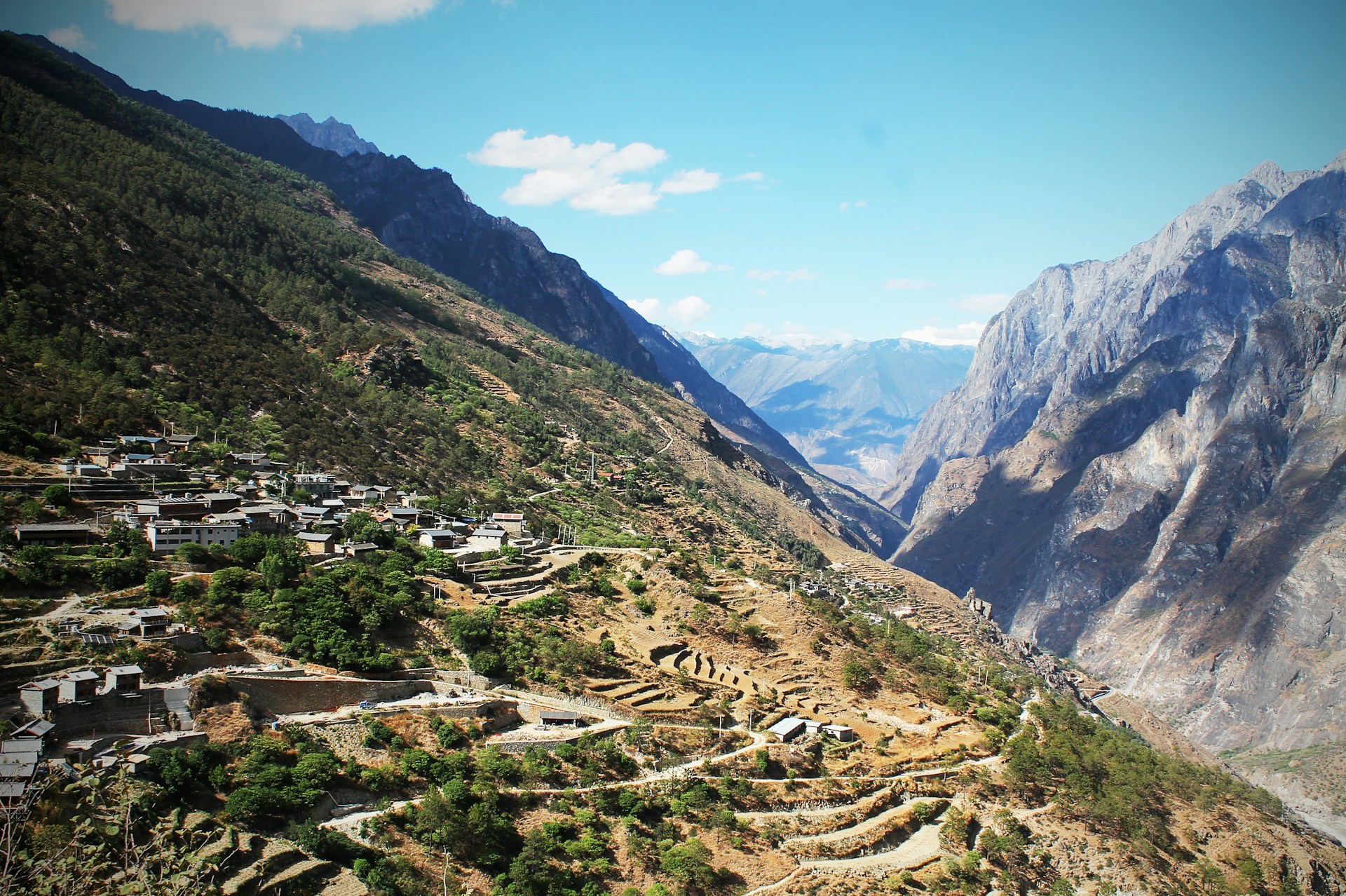
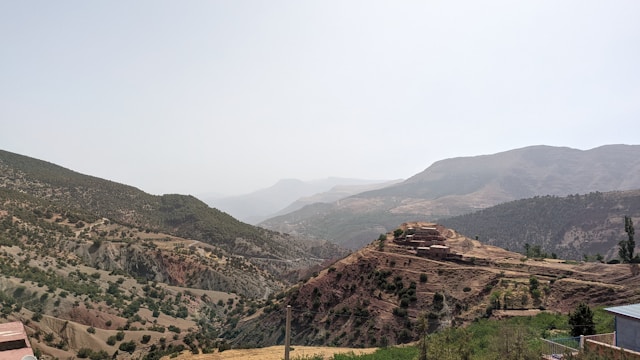
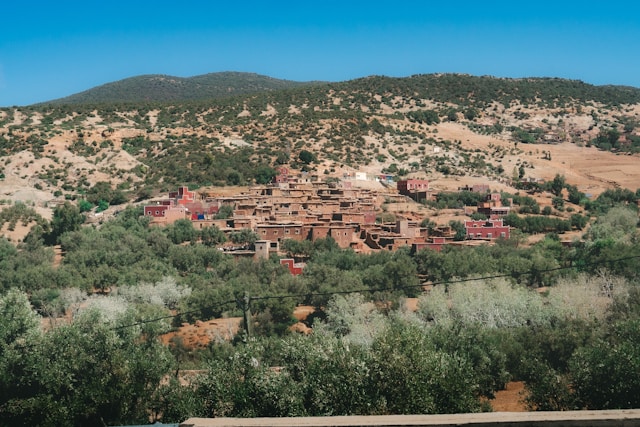
The Atlas Mountains stretch across the center of Morocco, reaching toward famous destinations such as Marrakesh and extending toward the Sahara. Throughout these peaks lie hundreds of small Amazigh villages, often perched on hillsides or hidden in valleys where rivers bring life to terraced fields.
Architecture Rooted in Nature
Mountain village architecture is distinctive:
- Houses built from stone, clay, and wood for natural insulation
- Flat roofs used for drying crops and storing essentials
- Narrow, winding alleys that protect from wind and preserve community closeness
- Homes stacked on slopes, blending perfectly with the rocky terrain
This harmony between building and nature has existed for centuries, influenced by climate, geography, and Amazigh craftsmanship.
Culture Shaped by History
The culture of Moroccan mountain communities is deeply influenced by Amazigh traditions. The language Tachelhit or Tamazight can be heard in daily conversations, while festivals, storytelling, and traditional dress reflect heritage that predates modern Morocco.
For those curious about Amazigh history, Morocco’s identity is a blend of Arab, Andalusian, and Amazigh cultures—reflected throughout the villages, and celebrated across the country (Morocco).
Section 2 – Must-See Attractions and Experiences
Visit Imlil and the Toubkal Region
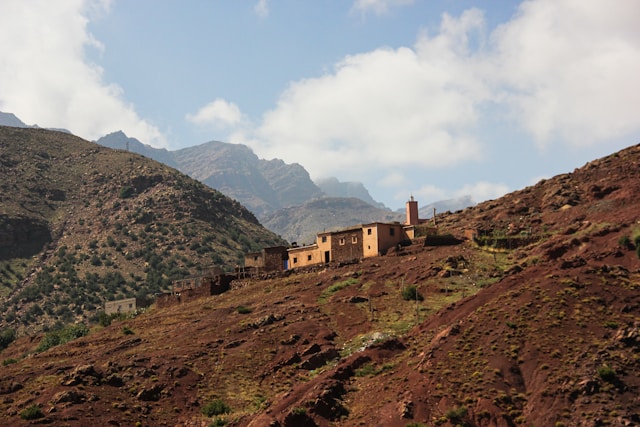
Just 90 minutes from Marrakesh, the village of Imlil is the gateway to Mount Toubkal, the highest peak in North Africa. Travelers love:
- Hiking trails with panoramic mountain views
- Traditional stone houses lining narrow paths
- Friendly guesthouses offering mint tea with a view
Ait Bouguemez – The Happy Valley
Known as “The Happy Valley,” Ait Bouguemez is one of the most picturesque regions in the High Atlas. Expect:
- Bright green terraced fields
- Mud-brick homes glowing under the sun
- Peaceful walking routes between villages
Ouirgane – A Blend of Nature and Culture
Ouirgane offers gentle trails, red-earth landscapes, and small mountain hamlets where daily life continues much as it has for generations. Visitors can:
- Explore salt mines
- Hike cedar forests
- Enjoy Amazigh music gatherings in local homes
Village Souks (Markets)
Weekly souks are essential to Moroccan Mountain Villages: Architecture, Culture, and Daily Life. Travelers can discover:
- Handwoven textiles and rugs
- Local honey, nuts, and herbs
- Traditional pottery and wooden crafts
These markets shed light on rural commerce and community rituals.
Section 3 – Travel Tips and Cultural Insights
1. Respect Local Traditions
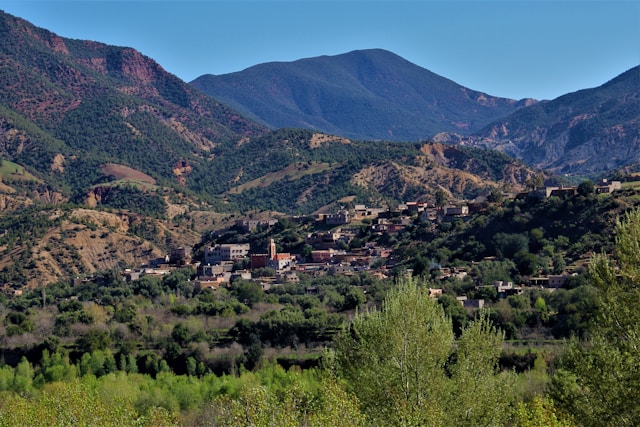
Amazigh communities value hospitality, family, and modesty. Dress respectfully, especially in smaller villages. Many families may invite you for tea—an honor not to be rushed.
2. Learn a Few Amazigh Words
Even simple greetings like “Azul” (hello) or “Tanmmirt” (thank you) deepen connections with locals.
3. Bring Comfortable Shoes
Most villages are built on steep hillsides with dirt paths. Comfortable walking shoes are essential for exploring.
4. Support Local Handicrafts
Buying directly from artisans helps sustain traditions such as weaving, woodcarving, and pottery.
5. Travel with a Local Guide
A guide provides:
- Cultural insights
- Translation
- Safer navigation through mountain trails
This also ensures your visit supports local economies.
Section 4 – Real-World Examples and Traveler Stories
A Morning in Imilchil
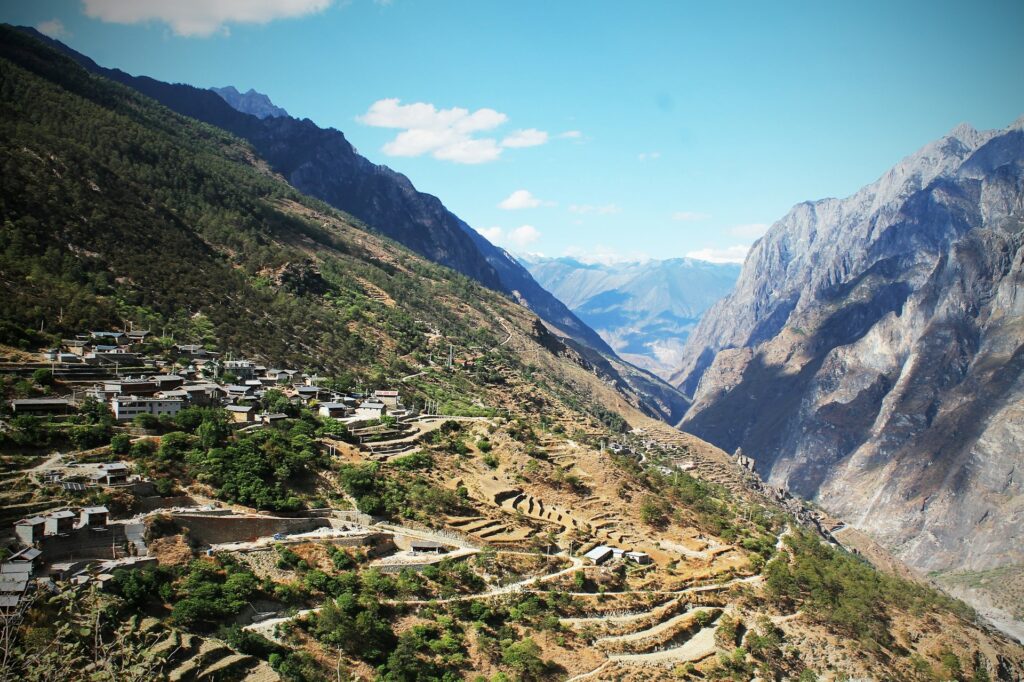
Imilchil, known for its annual traditional marriage festival, is a remote village high in the Middle Atlas. Travelers often describe waking up to:
- Crisp mountain air
- Bells of goats and sheep
- Women weaving rugs on rooftop terraces
The village’s unique architecture and seasonal festivals make it a favorite among cultural explorers.
Sharing a Home-Cooked Meal in Aroumd
Aroumd, above Imlil, is a stone-built village reachable only by foot. Travelers who’ve stayed with local families share experiences like:
- Learning how bread is made in clay ovens
- Watching women grind argan or walnut paste
- Enjoying tagines cooked slowly over charcoal
It’s a reminder of how tightly connected food, architecture, and community are in daily mountain life.
Discovering Tislit Lake
Near Imilchil lies Lake Tislit, surrounded by villages with homes built from red earth. Families often picnic by the water, while shepherds roam nearby fields—a peaceful scene illustrating everyday rural rhythm.
Section 5 – Future Travel Recommendations and Seasonal Insights
Best Times to Visit
- Spring (March–May): Lush green landscapes, full rivers, and blossoming almond trees
- Fall (September–November): Comfortable temperatures for hiking
- Winter: Snow-capped peaks—beautiful, but rural travel becomes harder
- Summer: Warm days, cool nights; perfect for festivals
Upcoming Travel Trends
Travelers are increasingly seeking authentic, community-based experiences. Mountain villages offer:
- Eco-friendly tourism
- Homestays
- Cultural workshops (weaving, cooking, music)
The future of travel here is sustainable, respectful, and culturally immersive.
FAQ – Moroccan Mountain Villages
What makes Moroccan mountain villages unique?
Their architecture blends naturally with the environment, and the culture is rooted in ancient Amazigh traditions. You experience nature, community, and heritage all at once.
Are Moroccan mountain villages safe to visit?
Yes, they’re generally very safe. Locals are hospitable, and guides ensure secure travel on mountain paths.
Do people in mountain villages speak Arabic or French?
Many speak Amazigh first. Arabic is common, and French is widely understood in more visited areas.
How do I get to the High Atlas villages?
Most villages can be reached from Marrakesh by shared taxi, private transport, or organized tours.
Can I stay overnight in a village?
Absolutely. Guesthouses, riads, and homestays offer authentic stays with mountain views and traditional meals.
Conclusion
Exploring Moroccan Mountain Villages: Architecture, Culture, and Daily Life is more than a travel experience—it’s an immersion into centuries-old traditions, breathtaking landscapes, and communities that embody Morocco’s cultural heart.
Whether you wander through terraced fields, share tea with a local family, or watch sunset over clay-roofed homes, these villages leave memories that stay with you forever.
Ready to discover more? Visit skiesofmorocco for travel guides, tips, and inspiration to plan your next unforgettable Moroccan adventure.