
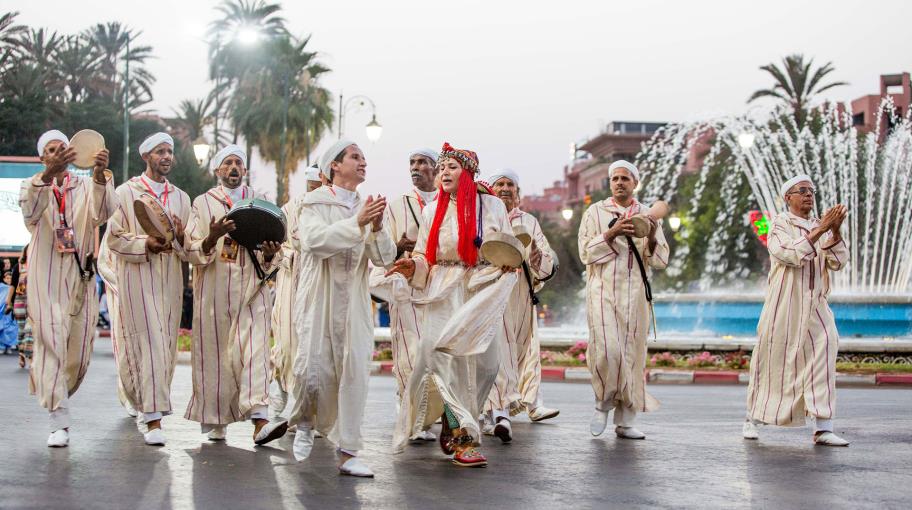
There are sounds in Morocco that feel like the heartbeat of its cities, villages, and celebrations. Among them, Moroccan Music Chaabi stands out as one of the most joyful, energetic, and culturally rooted musical styles in the country. Played at weddings, festivals, street gatherings, and intimate family events, Chaabi is more than just music—it is a celebration of Moroccan identity.
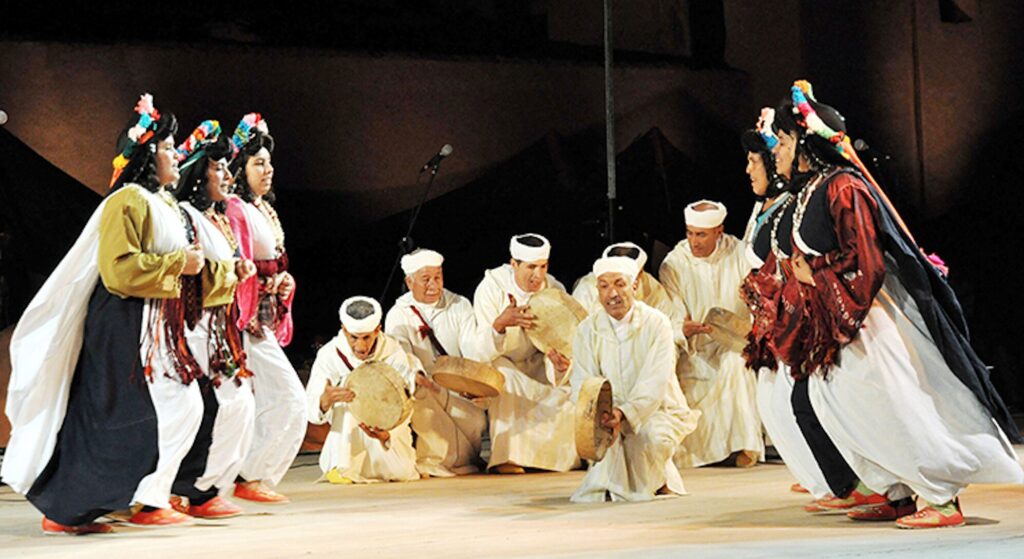
In this travel-focused article, we dive into the origins, cultural importance, and best places to experience Moroccan Music Chaabi as a visitor. Whether you’re wandering through Marrakech, strolling the old medinas, or joining a rural wedding celebration, Chaabi offers unforgettable moments for those eager to understand Morocco beyond the surface.
Section 1 – Overview of the Topic
What Is Moroccan Music Chaabi?
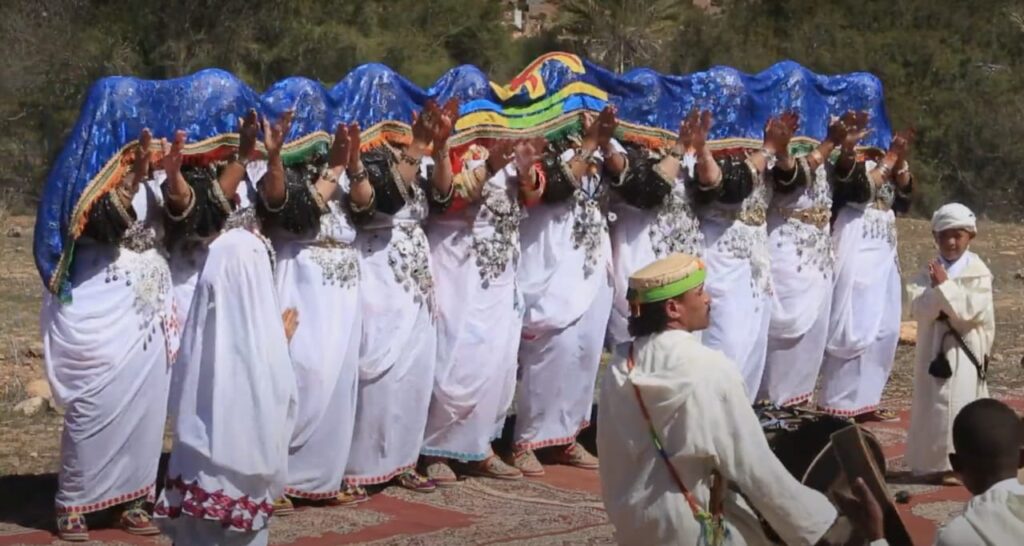
Literally meaning “popular music,” Moroccan Music Chaabi is a genre that blends rhythmic poetry, folk melodies, and communal spirit. Emerging from working-class communities, Chaabi has evolved into a national symbol of celebration.
Its characteristics include:
- Strong rhythmic beats (often using the bendir, taʿrija, and darbouka)
- Catchy lyrics rooted in love, struggle, daily life, and joy
- Call-and-response singing
- Danceable melodies
- A blend of Amazigh, Andalusian, Arab, and Saharan influences
Chaabi has deep historical roots connected to Morocco’s diverse cultural heritage. To understand this heritage more broadly, you can explore the article on Moroccan culture on Wikipedia.
External link: https://en.wikipedia.org/wiki/Culture_of_Morocco
Where Is Chaabi Most Popular?
While Chaabi is found across the entire country, it thrives especially in regions known for energetic social gatherings:
- Casablanca – birthplace of modern Chaabi stars
- Marrakech – street musicians and plaza performers
- Fès and Meknes – historic roots and spiritual influences
- The Rif region – fusion styles mixing Chaabi with Amazigh rhythms
Chaabi unites Moroccans of all backgrounds, making it one of the most inclusive musical forms in the country.
Section 2 – Must-See Attractions and Experiences
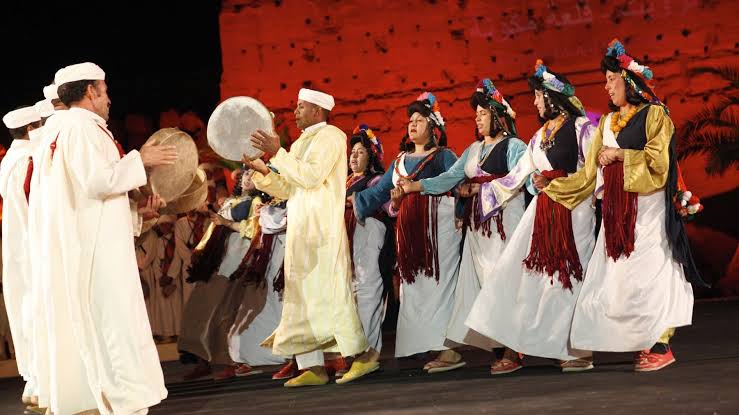
1. Experience Chaabi in Marrakech’s Jemaa el-Fnaa
In the iconic square of Jemaa el-Fnaa—a UNESCO World Heritage site—you can witness Chaabi being performed live every evening. Musicians gather with drums, violins, and lutes, drawing crowds that clap, dance, and join in the singing.
More on the city’s history can be found on Wikipedia’s page about Marrakech.
External link: https://en.wikipedia.org/wiki/Marrakesh
2. Attend a Moroccan Wedding
If you’re lucky enough to be invited to a Moroccan wedding, prepare for an explosion of Chaabi. It is:
- Loud
- Joyful
- Full of dancing
- Often continuing until sunrise
Chaabi wedding bands are known for their energy, charisma, and ability to transform any celebration into a life-long memory.
3. Explore Traditional Music Houses in Fès
Fès, famous for its spiritual and classical music, also hosts venues where Chaabi intersects with other genres. Music cafés and local houses often open their doors to musicians, offering intimate performances for visitors.
4. Visit Rural Festivals
In rural areas—such as the Middle Atlas, Zagora, or Chefchaouen—Chaabi is a cornerstone of:
- Village celebrations
- Moussem (religious festivals)
- Harvest gatherings
- Local markets
These events offer the most authentic way to experience Chaabi among families and neighbors.
5. Discover Chaabi Through Street Performers
In cities like Casablanca, Rabat, and Oujda, spontaneous Chaabi performances can be found:
- Near markets
- At seaside boulevards
- Inside historic medinas
These pop-up concerts feel spontaneous, communal, and exciting—perfect for travelers wanting a taste of Moroccan nightlife without entering clubs.
Section 3 – Travel Tips and Cultural Insights
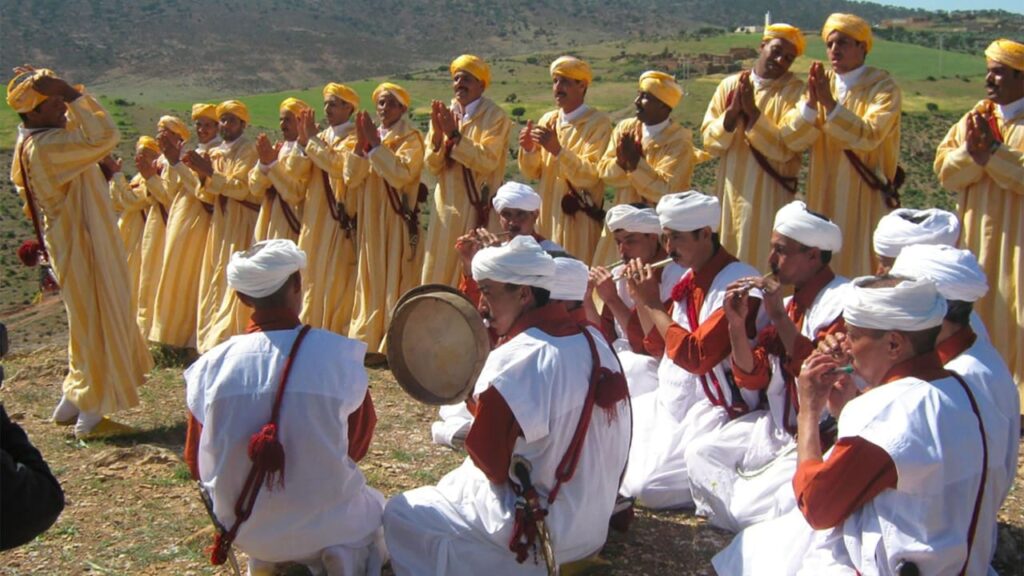
How to Enjoy Chaabi Like a Local
- Clap along: Participation is welcomed.
- Join the dance circle: No need to be perfect—energy matters more than skill.
- Respect family events: If you’re invited to a wedding or gathering, consider it an honor.
Best Times to Find Chaabi Performances
- Evenings in major squares
- Wedding seasons (especially summer)
- During Ramadan nights
- During festivals like Moussem Moulay Idriss
Etiquette Tips
- Ask before filming performers.
- Respect musicians’ work—tipping is appreciated.
- Women tourists are welcome to dance, but personal space should be respected.
What to Wear
At weddings or formal celebrations:
- Women: caftan, takchita, or modest dress
- Men: shirt and trousers or traditional djellaba
In public spaces like medinas and squares, casual modest clothing is recommended.
Section 4 – Real-World Examples and Traveler Stories
Amelia from the UK – A Night in Casablanca
Amelia attended a Chaabi concert in Casablanca’s old town. She described the music as “vibrating through the soul.” She followed locals in dancing, laughing, and singing—even without understanding every word. She left with a memory she calls “pure Moroccan happiness.”
Jonas from Germany – The Wedding Experience
During his trip to Agadir, Jonas was invited to a traditional wedding. The guests formed circles around the Chaabi band, and he was encouraged to join. The rhythm of the drums and joyful ululations left him overwhelmed with emotion. “It was like entering a different world,” he said.
Sofia from Brazil – Chaabi at Jemaa el-Fnaa
Sofia spent an evening wandering through Jemaa el-Fnaa. She found herself attracted to a group of Chaabi musicians whose beats echoed across the square. She danced with tourists and locals alike, later calling it the moment she truly connected with Moroccan culture.
Section 5 – Future Travel Recommendations and Seasonal Insights
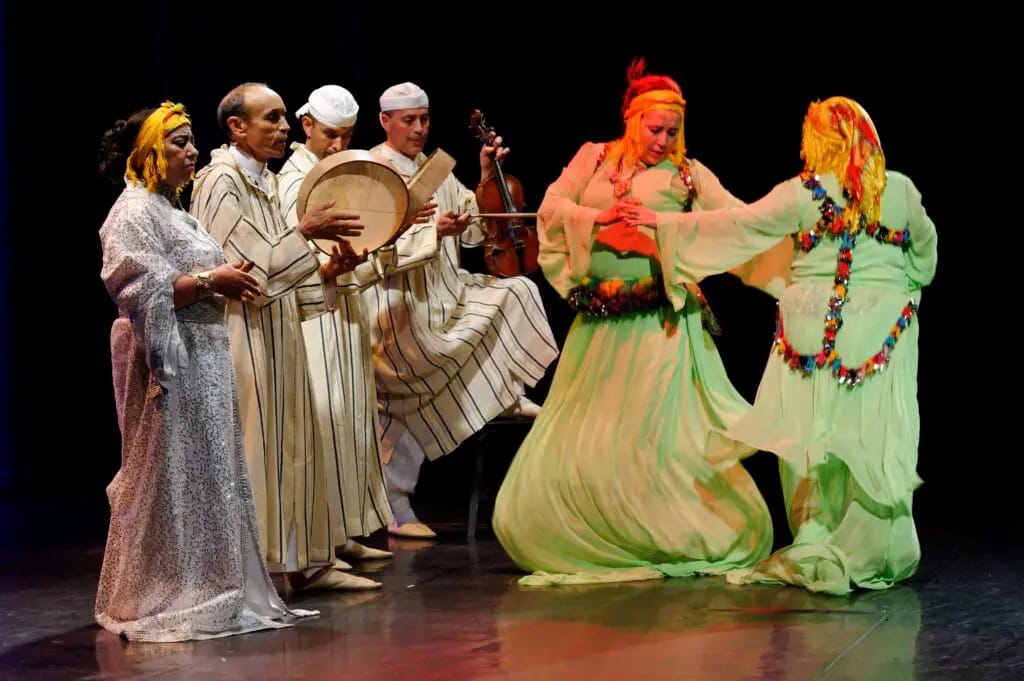
Best Seasons to Enjoy Chaabi
- Spring and Summer: Wedding season, outdoor concerts, cultural festivals
- Autumn: Moussem festivals often include Chaabi performances
- Winter: More intimate concerts in cafés and music houses
Upcoming Trends in Chaabi Tourism
- Growing popularity of Chaabi fusion with modern genres
- More musical tours in Marrakech and Casablanca
- Cultural tourism packages focusing on Moroccan music traditions
Where to Go Next?
If Chaabi sparks your interest, you might also explore:
- Gnawa music in Essaouira
- Andalusian classical music in Fès
- Amazigh folk music in the Atlas Mountains
Each genre unveils a different layer of Moroccan identity.
FAQ – Moroccan Music Chaabi
What makes Chaabi music unique?
Its lively rhythm, poetic lyrics, and communal spirit distinguish it from other Moroccan music styles.
Where can travelers listen to Chaabi in Morocco?
In Marrakech’s Jemaa el-Fnaa, Casablanca cafés, Fès medinas, weddings, street performances, and rural festivals.
Is Chaabi easy to dance to?
Yes! Chaabi is energetic but simple to follow. Locals will happily guide you into the dance circle.
Can women attend Chaabi events?
Absolutely—Chaabi gatherings are family-friendly and inclusive.
Do you need to understand Arabic to enjoy Chaabi?
Not at all. The music’s rhythm and energy speak to everyone.
Conclusion
Whether you hear it echoing through Marrakech or feel its rhythm at a rural wedding, Moroccan Music Chaabi is a living expression of joy. It invites locals and visitors alike to dance, celebrate, and connect.
If you’re looking to explore Morocco beyond its landscapes, start with its music—start with Chaabi.
Continue your journey on skiesofmorocco.com and discover more guides, travel tips, and cultural stories that bring Morocco to life.