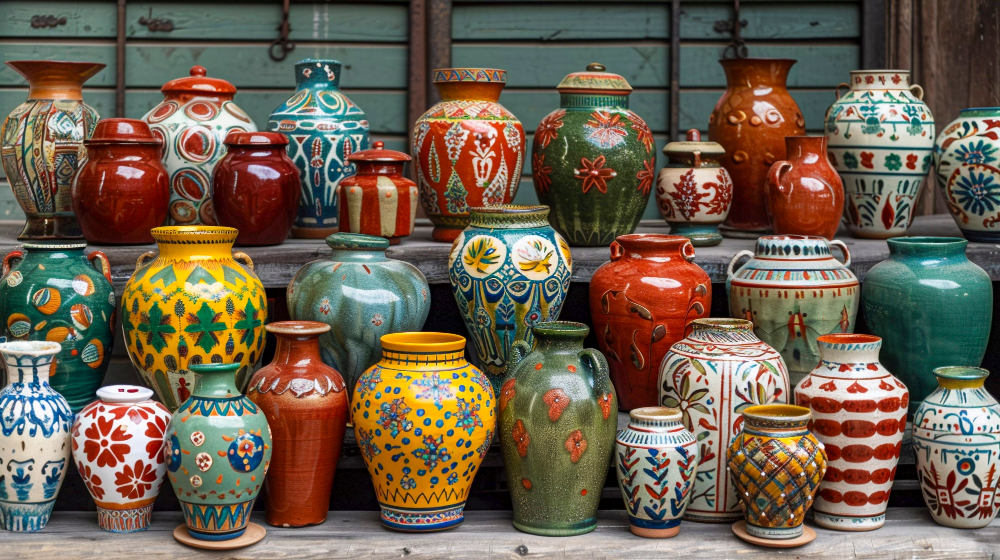
Few things embody the spirit of Morocco quite like its pottery. The rhythmic sound of clay being molded, the shimmer of vibrant glazes, and the sight of patterned bowls drying in the sun tell a story of art, tradition, and resilience. Moroccan Pottery: From Clay to Art captures centuries of craftsmanship that continues to fascinate travelers from around the world.
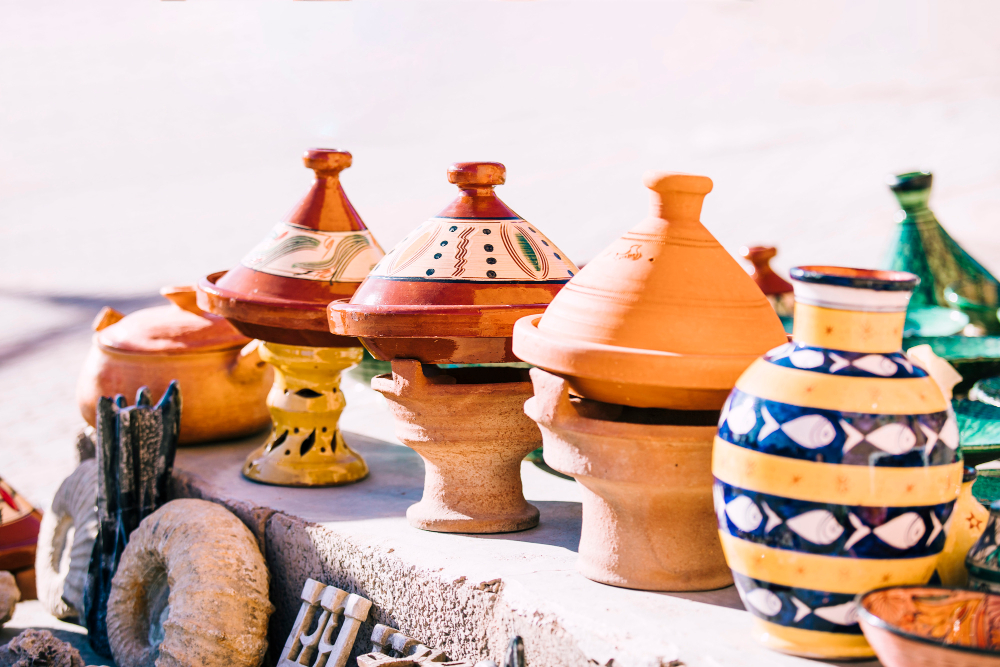
Whether you’re wandering through the blue alleys of Chefchaouen, the ancient medina of Fes, or the seaside workshops of Safi, pottery is everywhere—each piece whispering tales of the artisans who made it. In this guide, we’ll explore how raw clay transforms into one of Morocco’s most cherished art forms, and where travelers can experience this magic firsthand.
The Roots of Moroccan Pottery
Ancient Origins
Moroccan pottery traces its lineage to Berber, Andalusian, and Arab traditions that have blended for more than a thousand years. Archaeological findings near Volubilis—an ancient Roman city in Morocco—reveal that clay craftsmanship existed here long before Islam arrived. Over time, local artisans infused their work with Islamic geometric patterns, Berber symbolism, and Mediterranean influences, creating a unique and timeless aesthetic.
Regional Styles
Each Moroccan region has its signature pottery style:
- Fes is famous for its cobalt-blue ceramics, hand-painted with intricate arabesque and floral motifs.
- Safi, known as the pottery capital of Morocco, offers bright, colorful designs and polished finishes.
- Tamegroute, a small village near Zagora, produces deep green pottery baked in traditional earth ovens—each piece slightly irregular, yet uniquely beautiful.
These styles reveal Morocco’s diversity, where every pot, tagine, and tile tells the story of its birthplace.
From Clay to Creation: The Pottery-Making Process
1. The Clay
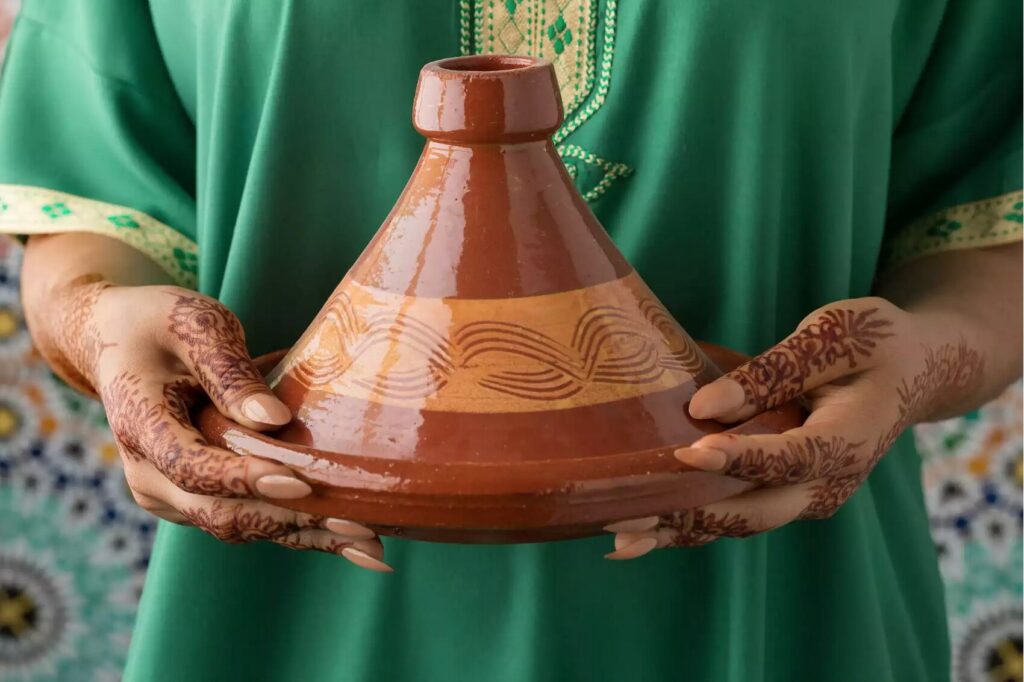
The journey of Moroccan pottery: from clay to art begins with the earth itself. Artisans collect clay from local riverbeds, clean it of impurities, and let it rest in the sun before kneading it to the perfect consistency.
2. Shaping the Form
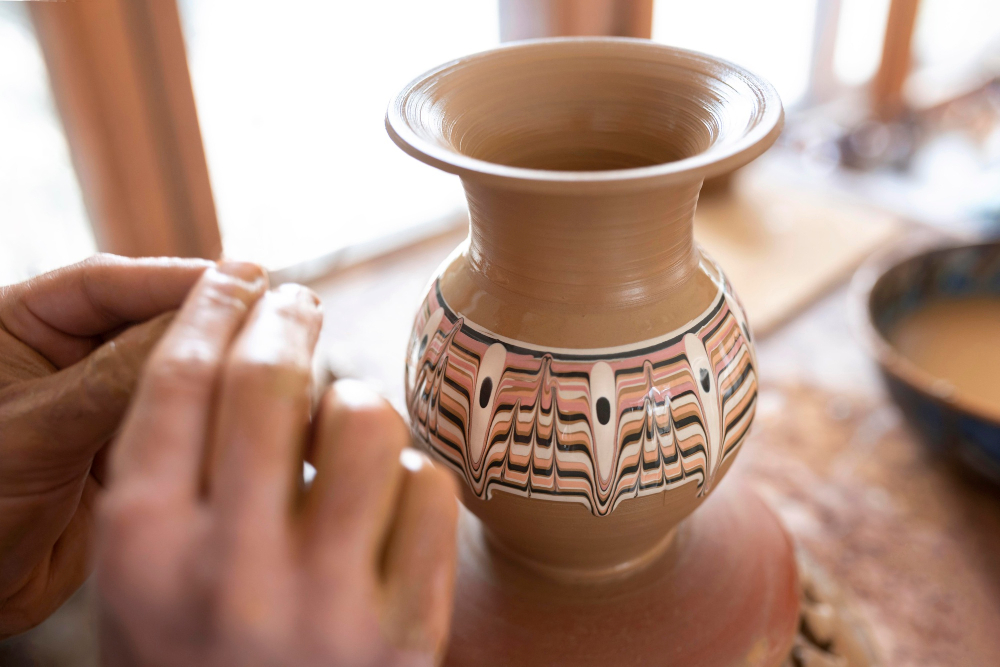
Next comes the potter’s wheel—a timeless tool passed down through generations. Watching an artisan mold the clay is mesmerizing; their hands move rhythmically, forming bowls, plates, or tajines with remarkable precision.
3. Drying and Firing
Once shaped, the pottery is left to dry naturally before being fired in large clay ovens called ferran. This first firing hardens the clay into its base form.
4. Painting and Glazing
Painters then add the magic. Using natural pigments and traditional brushes, they create complex motifs—symbols of protection, fertility, and harmony. A second firing seals the colors with a glossy glaze, turning simple clay into functional art.
Where to Experience Moroccan Pottery
Fes – The City of Blue Pottery
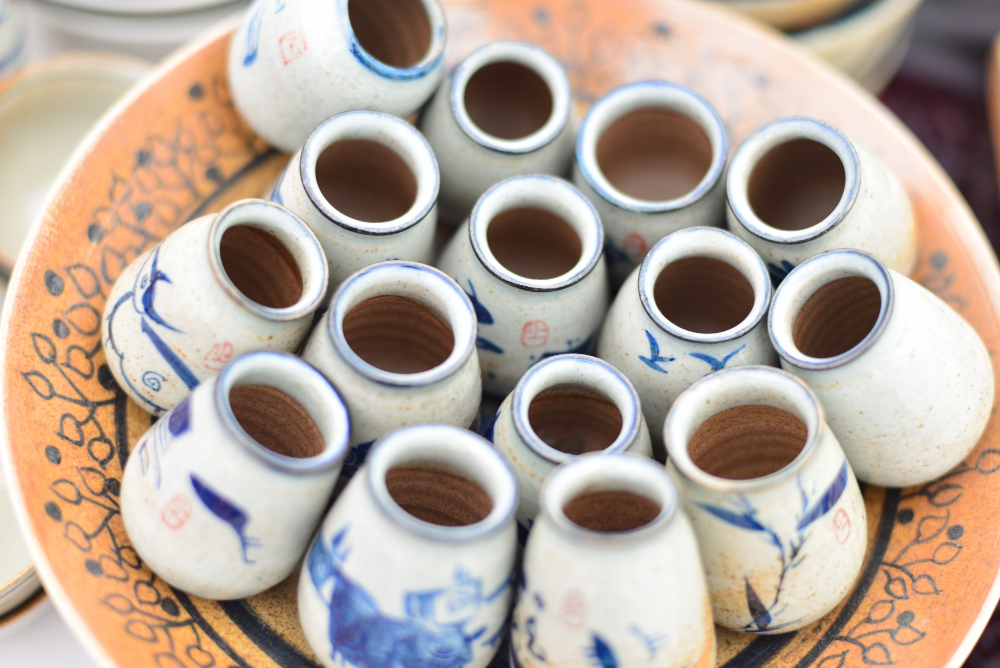
In Fes, head to the Pottery Cooperative near Ain Nokbi, where visitors can watch every stage of the process and even try shaping clay themselves. The dazzling blue ceramics, inspired by the city’s historic medina, make the perfect souvenir.
Safi – The Potter’s Paradise
Safi, a coastal city between Casablanca and Essaouira, is Morocco’s pottery hub. Wander through the Quartier des Potiers, where hundreds of workshops fill the air with the scent of earth and glaze. You can climb the Kéchla fortress to get a panoramic view of the city’s pottery district—a must-see for every creative soul.
Tamegroute – The Green Gem of the South
In Tamegroute, pottery takes on an almost mystical character. Its deep green glaze, made from manganese and copper, reflects centuries of secret craftsmanship. Visiting Tamegroute feels like stepping into an open-air museum of living heritage.
Cultural Insights and Travel Tips
Respect for Artisans
When visiting pottery workshops, it’s polite to greet artisans with a smile and a simple “Salam.” Many will proudly explain their process if you show genuine interest.
Support Local Craftsmanship
Buying directly from artisans helps preserve their traditions. Avoid tourist traps where imported ceramics are sold under the guise of “authentic Moroccan pottery.”
Learning Opportunities
Some cooperatives offer short pottery workshops for travelers. Imagine returning home with your own handmade Moroccan bowl—an unforgettable travel memory.
Traveler Stories: From Observation to Participation
When Maria, a traveler from Spain, visited Fes, she expected to buy souvenirs. Instead, she ended up learning how to spin clay under the guidance of a local artisan named Youssef.
“It felt like meditation,” she said. “My hands were covered in earth, but I understood the meaning of patience.”
Her experience reflects the beauty of Moroccan pottery: it’s not just about creating objects, but about connecting people—across cultures, through the timeless art of making.
The Future of Moroccan Pottery
Despite modernization, Moroccan pottery remains a vital part of the country’s cultural identity. Younger artisans are now blending traditional motifs with contemporary design, creating eco-friendly and export-ready collections.
Seasonal craft fairs in cities like Marrakech and Essaouira offer perfect opportunities to discover new talent. Visiting between October and April provides cooler weather and lively market scenes—ideal for pottery enthusiasts and photographers alike.
As Morocco embraces tourism and innovation, the future of its pottery looks as bright as its glazes.
FAQ: Moroccan Pottery and Travel
What makes Moroccan pottery unique?
Moroccan pottery combines Berber, Arab, and Andalusian influences, creating pieces that are both artistic and functional. Each region adds its own distinct touch, from Fes’s blue ceramics to Tamegroute’s green glaze.
Can travelers try pottery-making in Morocco?
Yes! Many cooperatives in Fes, Safi, and Marrakech offer workshops where visitors can learn to shape, paint, and glaze their own creations.
Where is the best place to buy authentic Moroccan pottery?
The best places are artisan cooperatives or local markets in Fes, Safi, or Marrakech. Always ask if the item is handmade and locally produced.
Is Moroccan pottery safe for cooking or serving food?
Traditional Moroccan tajines and serving dishes are made from lead-free clay and glazes, making them perfectly safe for food use.
How should I transport pottery home safely?
Wrap each item carefully with clothing or bubble wrap, and keep them in your carry-on if possible. Most shops also offer secure packaging for travelers.
Conclusion: Shaping Your Moroccan Adventure
From the earthy beginnings of clay to the artistic brilliance of finished ceramics, Moroccan Pottery: From Clay to Art tells a story of patience, creativity, and cultural pride. Every bowl, vase, or tile reflects not just beauty but identity—crafted by hands that have preserved Morocco’s artistic soul for generations.
Whether you’re exploring ancient medinas, attending a pottery workshop, or simply sipping mint tea from a handmade cup, remember: you’re holding a piece of Moroccan history.
So pack your curiosity and plan your trip today—because the art of Morocco is waiting to be shaped by your own experience.