A Bowl of Moroccan Warmth and Heritage
There’s something magical about Morocco — the aromas, the colors, the bustling souks, and the rhythm of daily life. Yet, beyond its vibrant energy, Morocco offers moments of serenity and comfort that come from its cuisine. One such treasure is the Moroccan Pureed Vegetable Soup, a dish that embodies warmth, simplicity, and nourishment.
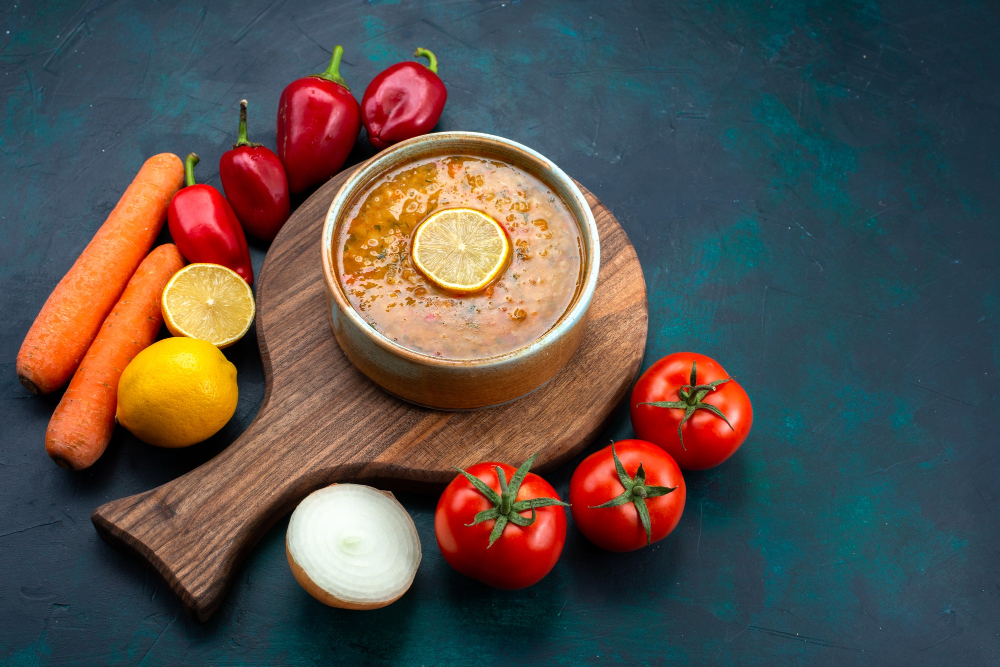
In this article, we’ll discover the comfort of Moroccan pureed vegetable soup, exploring how it connects to Morocco’s culinary heritage, where travelers can enjoy it, and how it reflects the heart of Moroccan hospitality. Whether you’re wandering through the medina of Marrakech or staying in a cozy riad in Fez, this humble soup will make you feel at home.
Section 1 – A Taste of Tradition: The Story Behind Moroccan Pureed Vegetable Soup
In Morocco, soup is more than just a starter — it’s a ritual of care. Known locally as chorba or soupe marocaine, the Moroccan pureed vegetable soup is a staple in many homes, especially during chilly evenings or Ramadan.
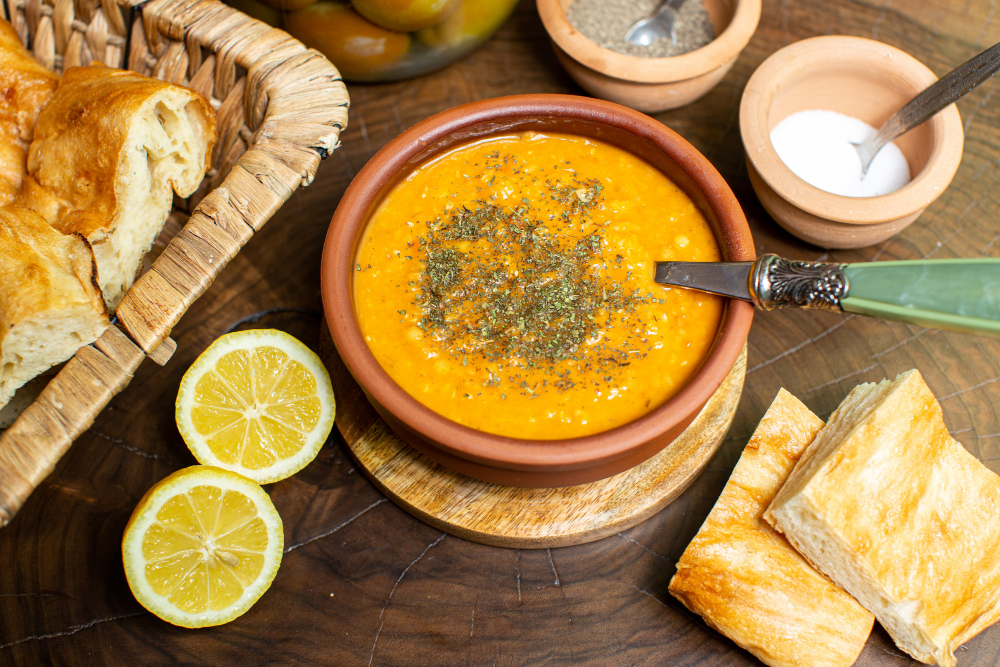
This velvety blend of fresh vegetables — usually carrots, potatoes, zucchini, tomatoes, and lentils — is simmered with olive oil, cumin, turmeric, and coriander. The result is a smooth, golden-orange soup that warms the soul.
Historically, Moroccan families have embraced this dish as a way to use seasonal produce creatively. Much like Moroccan cuisine itself, it reflects a balance between Berber roots, Arab influences, and Mediterranean simplicity. Each region may prepare it slightly differently — the version in the Rif Mountains might have a smokier depth, while Marrakesh kitchens add a sweeter hint of carrots and pumpkin.
No matter where you go, the comfort of Moroccan pureed vegetable soup represents nourishment, togetherness, and the spirit of sharing.
Section 2 – Where to Savor It: Culinary Corners Across Morocco
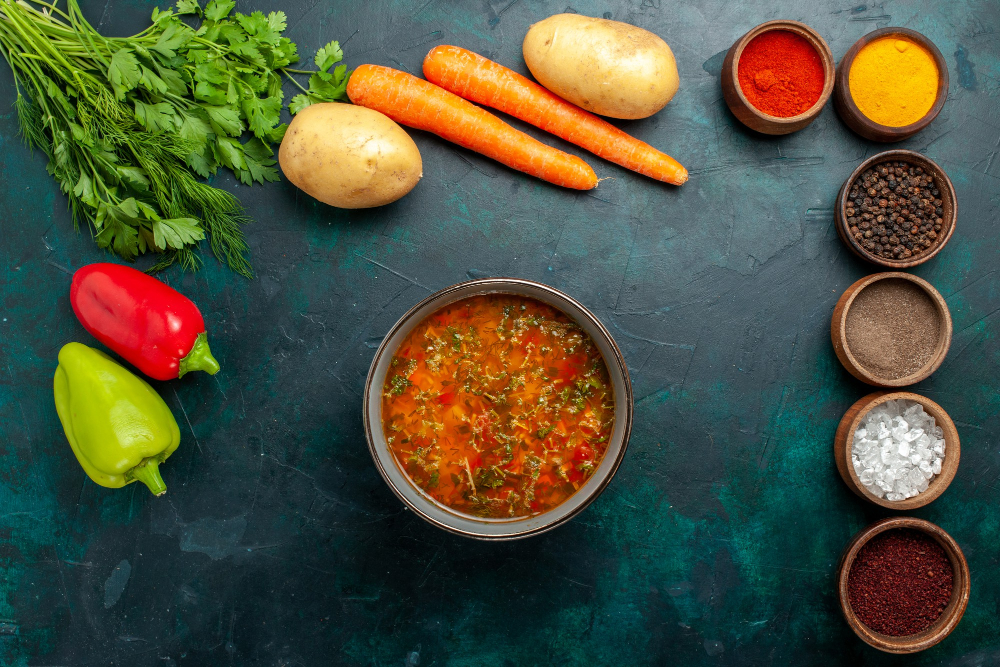
Travelers seeking to discover the comfort of Moroccan pureed vegetable soup will find it almost everywhere — from humble family kitchens to upscale restaurants.
Marrakech – The Red City’s Warm Welcome
In the heart of Marrakech, the aroma of simmering soup often drifts through the alleys of the Medina. Traditional eateries near Jemaa el-Fnaa serve bowls of pureed vegetable soup alongside freshly baked khobz (Moroccan bread). It’s often the perfect prelude to a meal of tagine or couscous.
Fez – A Taste of History
Fez, Morocco’s spiritual capital, adds a historical flavor to every dish. Many riads in the old Medina serve Moroccan pureed vegetable soup during dinner, prepared with garden-fresh vegetables and spices sourced from local souks.
Chefchaouen – Serenity in a Bowl
In the Blue City of Chefchaouen, travelers can enjoy a peaceful meal with a view. Local cafés and guesthouses serve this soup in ceramic bowls, often paired with mint tea — a truly Moroccan comfort experience.
The Sahara – Comfort Amid the Sands
Even in the vast silence of the desert, you can savor this heartwarming dish. Desert camps often serve pureed vegetable soup under the stars, reminding travelers that Moroccan hospitality follows you wherever you go.
Section 3 – Travel Tips and Cultural Insights
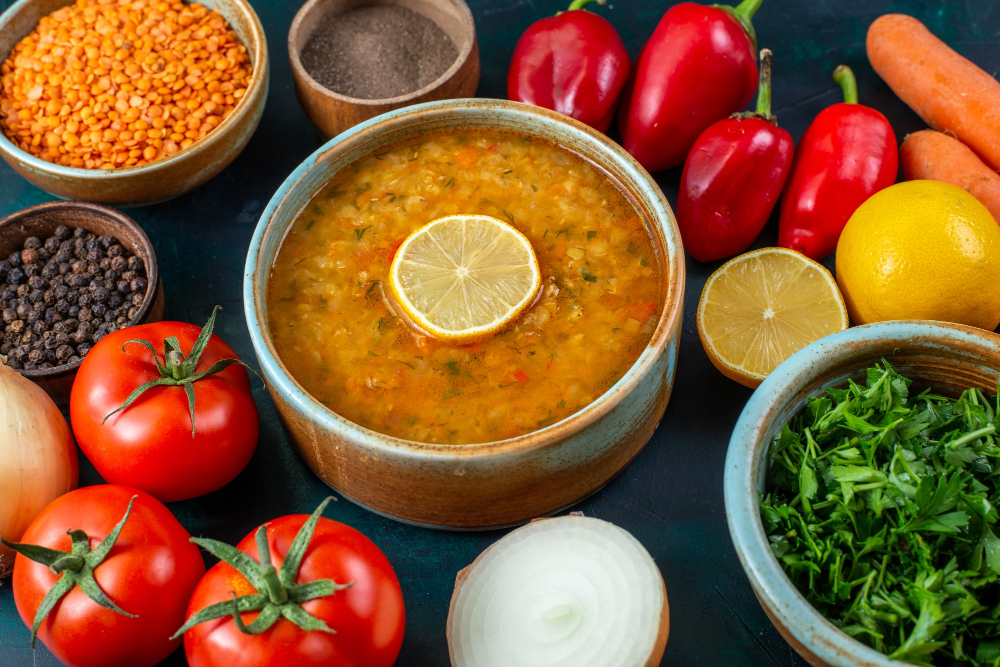
When you travel through Morocco, you’ll notice that food is always about connection and community. Here are some cultural insights and travel tips to help you appreciate the Moroccan pureed vegetable soup even more:
- 🍲 Always served fresh: Most Moroccan households prepare their soup daily, often before the evening meal.
- 🥄 Eaten with bread, not spoons: Traditionally, Moroccans scoop the soup using pieces of khobz instead of cutlery.
- 🧂 Simple ingredients, rich flavor: Moroccan cooking relies on a few well-balanced spices rather than heavy seasoning.
- 🌿 Olive oil is key: Moroccan extra virgin olive oil enhances both the taste and texture of the soup — a reflection of the country’s Mediterranean roots.
- 🕌 Ramadan tradition: During Ramadan, this soup often appears at iftar (the meal to break the fast), providing energy and comfort after a long day.
Learning these customs helps travelers connect with locals, showing appreciation for Moroccan culture and its emphasis on sharing.
Section 4 – Traveler Stories: Finding Home in Every Spoon
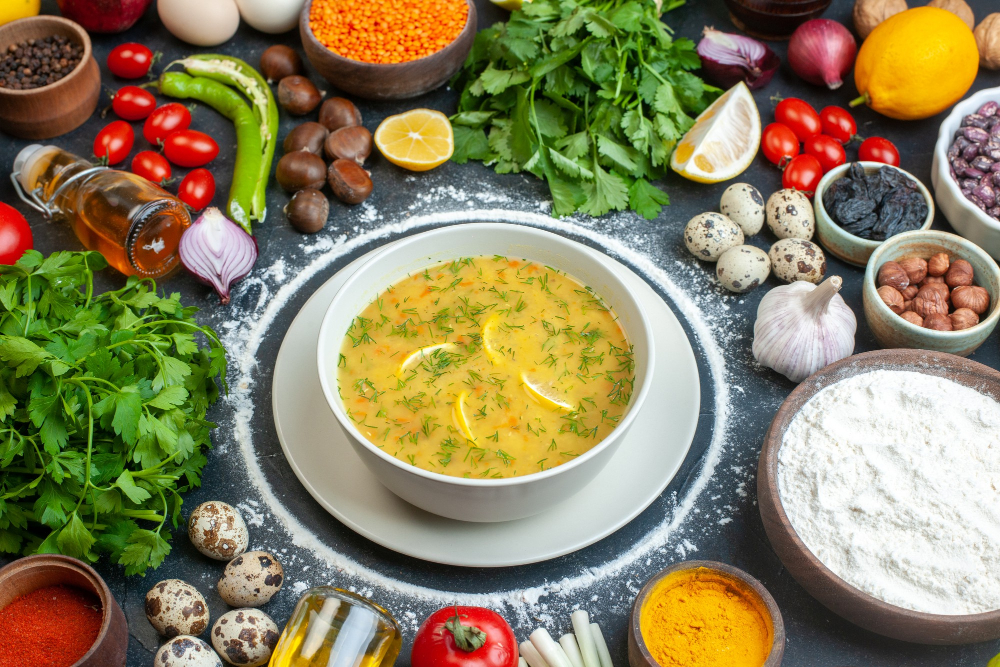
For many travelers, Morocco’s beauty lies not only in its landscapes but also in the warmth of its people and food.
Emma, a traveler from France, recalls her first night in Marrakech:
“After a long day exploring the souks, I returned to my riad, tired and hungry. The host brought me a bowl of Moroccan pureed vegetable soup. It was simple, yet it tasted like love — like home. I knew I’d found something special in Morocco.”
Another traveler, Karim from Canada, shared:
“During my desert trip, we had dinner under the stars. I was amazed to find they served soup before the main course. It was pureed vegetable soup — warm, spicy, and unforgettable. It reminded me how food can connect people, even in the middle of the Sahara.”
These stories echo a universal truth: to discover the comfort of Moroccan pureed vegetable soup is to discover the essence of Moroccan hospitality itself.
Section 5 – Future Travel Recommendations and Seasonal Insights
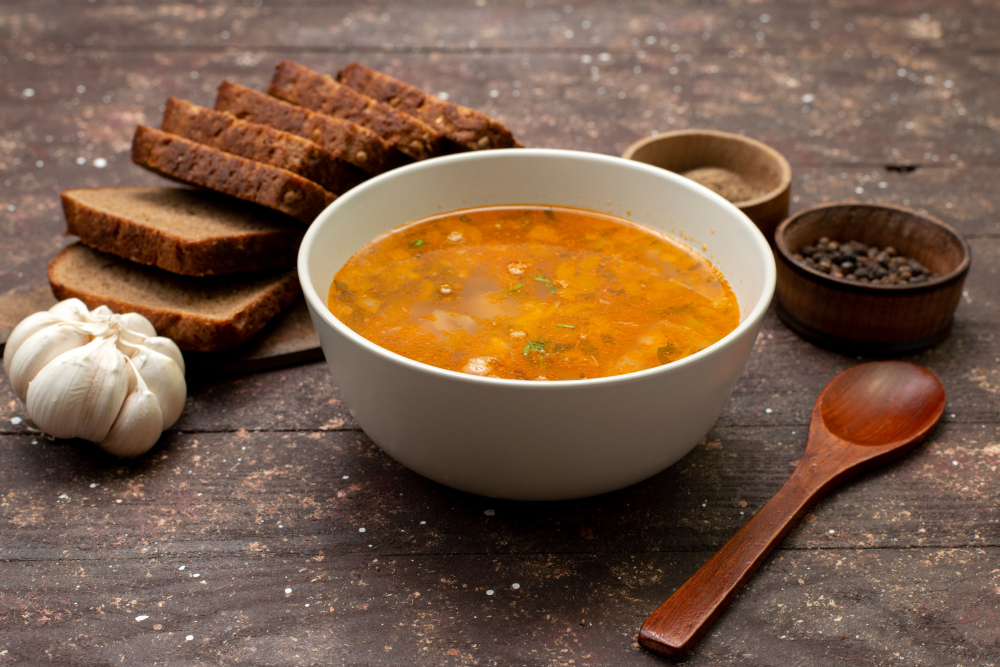
Morocco’s climate varies widely — and so does the experience of this soup depending on the season and place.
- Winter (November–February): The perfect time to savor Moroccan pureed vegetable soup in mountain towns like Ifrane or Azilal, where evenings are cool.
- Spring (March–May): Enjoy it with a lighter touch — more herbs and fresh peas — in cities like Essaouira.
- Summer (June–August): Some cafés offer chilled versions, ideal for warm afternoons.
- Autumn (September–October): A season of abundance — expect richer flavors with pumpkin, lentils, and spices.
Travelers who wish to explore Moroccan cuisine more deeply can even join local cooking classes offered in Marrakech, Fez, and Essaouira. Many workshops teach how to prepare this comforting soup from scratch, giving visitors a delicious souvenir to bring home.
FAQ: Discover the Comfort of Moroccan Pureed Vegetable Soup
1. What is Moroccan pureed vegetable soup made of?
It’s usually made from a blend of fresh vegetables like carrots, zucchini, potatoes, onions, and tomatoes, seasoned with cumin, turmeric, and coriander, then pureed for a smooth texture.
2. Is Moroccan pureed vegetable soup spicy?
No, it’s mildly seasoned — flavorful but not hot. You can adjust the spice level depending on your preference.
3. Where can I try authentic Moroccan pureed vegetable soup?
You’ll find it in traditional Moroccan restaurants, riads, and even desert camps throughout the country. Cities like Marrakech, Fez, and Chefchaouen are great starting points.
4. Can I learn to make it myself?
Absolutely! Many Moroccan cooking schools offer classes where travelers can prepare this soup alongside local chefs.
5. What makes this soup special?
Beyond its taste, it’s a symbol of Moroccan hospitality — warm, welcoming, and full of heart.
Conclusion: A Comfort That Travels Beyond the Bowl
To discover the comfort of Moroccan pureed vegetable soup is to discover a part of Morocco’s soul — where every ingredient tells a story, and every bowl carries warmth and tradition.
Whether you sip it in a Marrakech riad, a Fez courtyard, or beneath the desert stars, this humble soup is a reminder that Morocco’s charm isn’t just in its sights, but in its flavors — simple, pure, and full of heart.