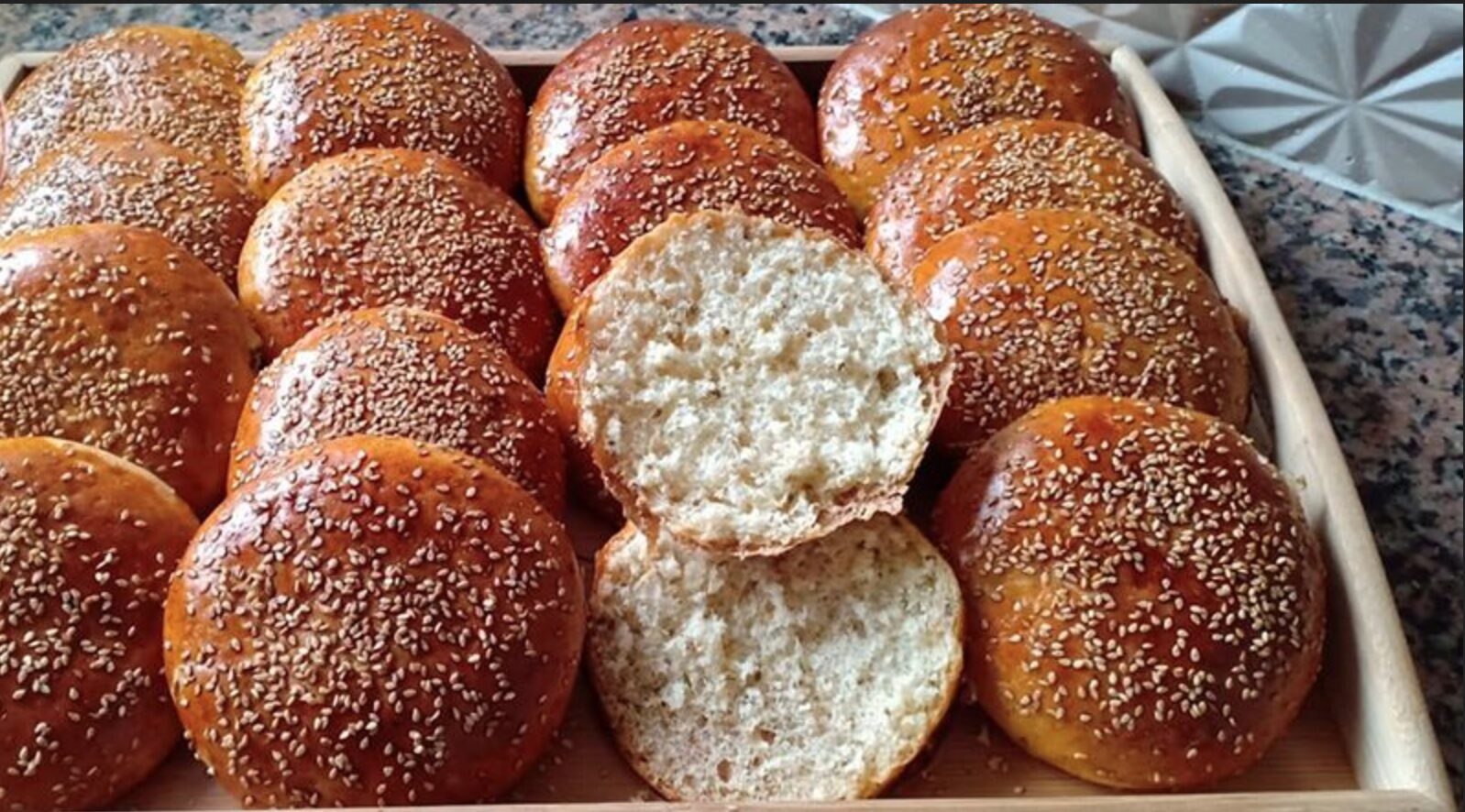
Fluffy, golden, and irresistibly aromatic, Moroccan Qrashel – Sweet Anise Brioche Buns are one of Morocco’s most beloved traditional pastries. Found in bakeries, street markets, and homes across the country, Qrashel tell a delicious story of hospitality, cultural heritage, and the warmth of everyday Moroccan life.
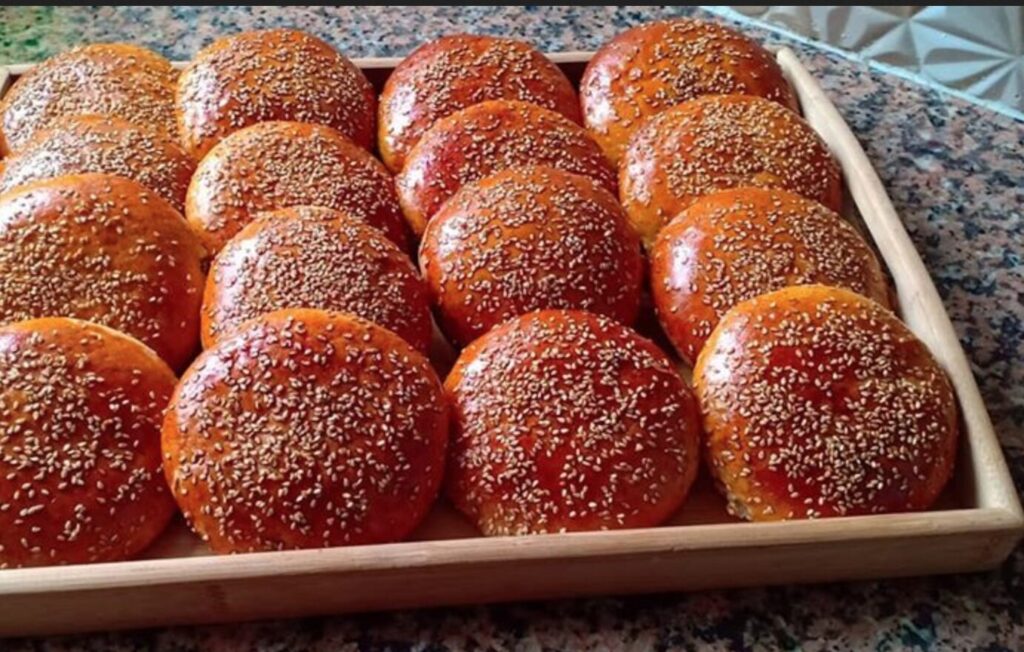
This travel-inspired article invites you to discover the history, flavor, and cultural significance of these iconic brioche buns. Whether you are exploring bustling medinas, staying in a cozy riad, or taking a culinary journey through Morocco’s diverse regions, tasting Qrashel is a must for any food-loving traveler.
Section 1 – Overview of Moroccan Qrashel
A Time-Honored Moroccan Treat
Qrashel—sometimes called “krachel” in various regions—are soft, sweet brioche buns infused with anise seeds, orange blossom water, and topped with sesame seeds. Their flavorful aroma and pillowy texture make them a favorite for breakfast, afternoon tea, and festive gatherings.
These buns have deep roots in Morocco’s culinary identity, shaped by centuries of Amazigh, Arab, and Andalusian influences. Cities like Marrakesh, Fez, and Rabat each have their own variations, reflecting the local flavors and traditions of each region.
Ingredients That Tell a Cultural Story
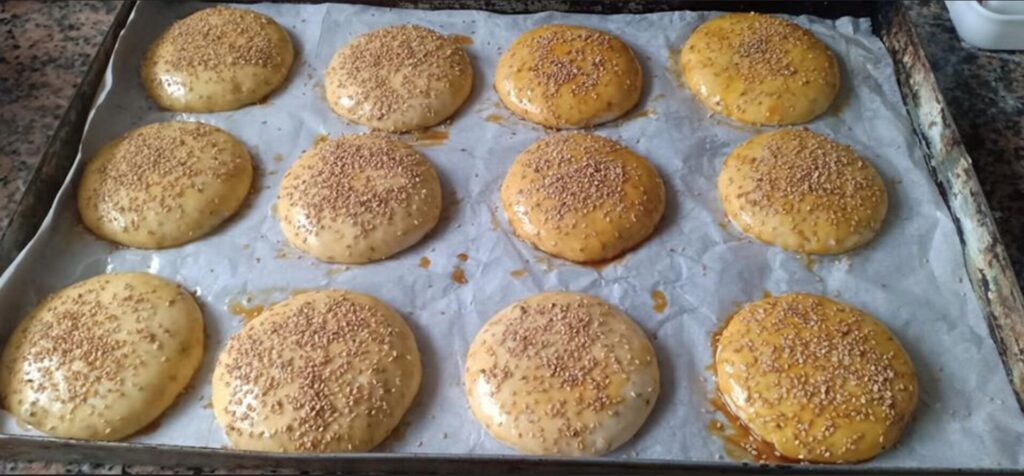
The uniqueness of Moroccan Qrashel – Sweet Anise Brioche Buns comes from their traditional ingredients:
- Anise seeds for warmth and aroma
- Orange blossom water for floral sweetness
- Sesame seeds for crunch and fragrance
- Butter and eggs for a rich, brioche-like softness
Each ingredient plays a role in Morocco’s culinary history. For example, orange blossom water is widely used across cities like Fez and is associated with hospitality and celebration.
Qrashel and Moroccan Daily Life
Qrashel are more than food—they’re part of the Moroccan rhythm of life. Families bake them in large batches for holidays, travelers buy them fresh from street vendors, and children enjoy them dipped in warm milk before school. Their comforting flavor makes them a symbol of Moroccan warmth and community.
Section 2 – Must-See Attractions & Experiences for Qrashel Lovers
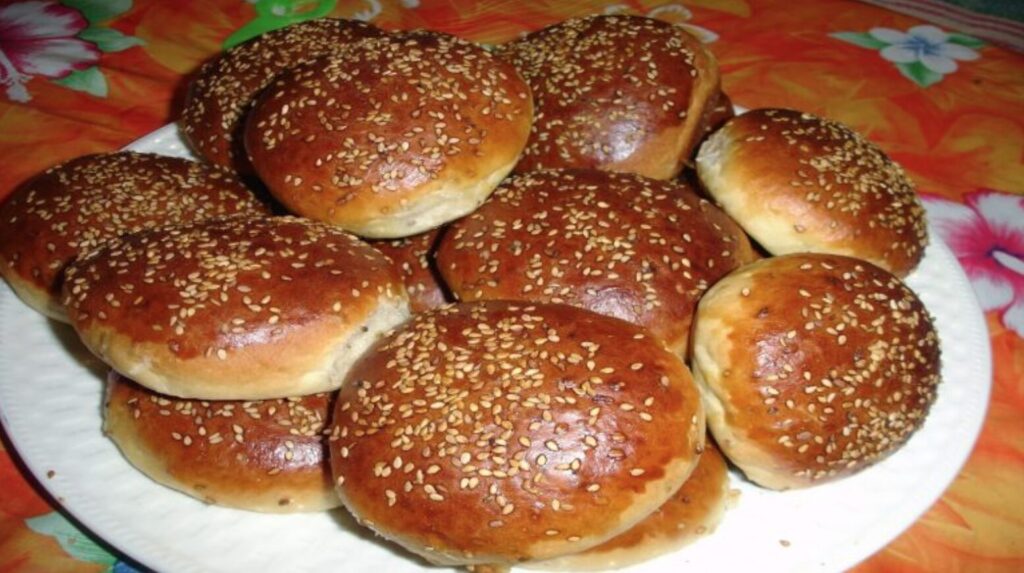
Where to Find the Best Qrashel in Morocco
Travelers exploring Morocco will find Qrashel almost everywhere, but certain places offer exceptional experiences:
1. Marrakesh – The Heart of Traditional Moroccan Baking
Marrakesh’s medina is a paradise for anyone exploring Moroccan pastries. Early mornings bring the scent of fresh Qrashel baking in traditional ovens, especially in areas near Jemaa el-Fnaa.
2. Fez – Preserving Ancient Culinary Techniques
In Fez, families and bakers still use time-honored baking methods, including large wooden ovens that give Qrashel a rustic depth of flavor.
3. Tangier & Tetouan – Coastal Tea Vibes
Northern cities serve Qrashel with mint tea on sunny terraces overlooking the sea. The combination of sea breeze and aromatic brioche is unforgettable.
4. Chefchaouen – Handmade Mountain Hospitality
Guesthouses often serve homemade Qrashel as part of breakfast, paired with local goat cheese and honey.
Cultural & Culinary Experiences Beyond the Bun
Traditional Moroccan Breakfasts
Trying Qrashel is essential to experiencing a full Moroccan breakfast. Expect:
- Mint tea or café au lait
- Olive oil or amlou (almond paste)
- Hard-boiled eggs
- Local honey or jam
Cooking Workshops
Many riads and cooking schools offer Qrashel-making classes where travelers learn:
- How to flavor the dough with anise
- Proper kneading techniques
- Baking the buns in traditional clay or stone ovens
Market Tastings
In weekly souks, vendors sell homemade Qrashel alongside fresh dates, figs, and nuts, creating a natural sweetness pairing loved by locals.
Section 3 – Travel Tips & Cultural Insights

1. Best Time of Day to Enjoy Qrashel
Qrashel are typically enjoyed:
- At breakfast with tea or milk
- As a snack during afternoon tea
- During Ramadan evenings with harira soup
2. How to Eat Like a Moroccan
To savor Moroccan Qrashel – Sweet Anise Brioche Buns like a local:
- Dip the bun in milk or mint tea
- Spread with honey or butter
- Pair with salty cheese for a sweet-salty contrast
3. Buying the Freshest Qrashel
When visiting bakeries or markets:
- Look for Qrashel that are warm or slightly soft to the touch
- Choose buns with golden tops and toasted sesame
- Ask for “Qrashel dyal dar” (home-style Qrashel) for maximum flavor
4. Respecting Culinary Traditions
Food is a symbol of hospitality in Morocco. If a host offers you Qrashel, accept it kindly—it’s a gesture of friendship and warmth.
5. Bring Some Home
Qrashel keep well for a few days and travel nicely if wrapped. They make a delicious gift for family or friends back home.
Section 4 – Real-World Traveler Stories
Sophia’s Story: A Sweet Surprise in Rabat
Sophia, a traveler from Canada, recalls wandering through Rabat’s medina one early morning. A bakery owner offered her a warm Qrashel fresh from the oven. “It melted in my mouth,” she said. “It was the moment I fell in love with Moroccan food.”
Jamal’s Cooking Class in Marrakesh
Jamal took a cooking workshop where he learned the importance of slow kneading and rising the dough. “When I baked my first Qrashel, it felt like I had experienced a piece of Moroccan tradition with my own hands,” he shared.
Alina’s Tea-Time Memory in Chefchaouen
Alina describes sitting on a rooftop terrace overlooking Chefchaouen’s blue houses while enjoying Qrashel with mint tea. The combination of flavor and scenery still remains one of her favorite memories from Morocco.
Section 5 – Seasonal Insights & Future Travel Recommendations
1. Best Seasons for Qrashel Lovers
- Winter: Warm buns and hot tea are especially comforting.
- Spring: Markets are lively with fresh ingredients.
- Ramadan: Qrashel are widely available and freshly baked daily.
2. Learn the Craft
Cooking classes focusing on traditional Moroccan breads—including Qrashel—are becoming more popular. This is ideal for travelers who want immersive cultural experiences.
3. Expect More Food Tourism
Morocco is expanding culinary tourism with guided food tours, tastings, and home-cooking experiences. Qrashel often feature prominently due to their popularity and cultural importance.
4. Explore Regional Variations
As Moroccan food evolves, you may find Qrashel flavored with:
- Vanilla
- Almonds
- Cinnamon
- Chocolate chips (in modern bakeries)
These contemporary twists add fun surprises for returning visitors.
FAQ – Moroccan Qrashel
What are Moroccan Qrashel?
They are sweet, soft brioche buns flavored with anise, orange blossom water, and topped with sesame seeds.
Are Qrashel the same as Krachel?
They are very similar, though the name varies by region. Both refer to sweet anise brioche buns enjoyed across Morocco.
Where can travelers taste authentic Qrashel?
Visit bakeries in Marrakesh, Fez, or Chefchaouen. Many guesthouses also serve homemade versions.
Are Qrashel commonly eaten for breakfast?
Yes—Qrashel are a popular choice for breakfast and afternoon tea, often paired with mint tea, milk, honey, or butter.
Can travelers learn to bake Qrashel?
Absolutely. Cooking classes across Morocco teach tourists how to prepare traditional Qrashel from scratch.
Conclusion
Soft, fragrant, and full of tradition, Moroccan Qrashel – Sweet Anise Brioche Buns are a delicious symbol of Morocco’s warm hospitality and rich culinary identity. Whether you enjoy them in a bustling medina bakery, a tranquil mountain guesthouse, or a cozy riad, Qrashel offer a taste of Morocco that stays with you long after your trip ends.
Ready to explore more of Morocco’s flavors and traditions? Visit skiesofmorocco for food guides, travel tips, and inspiration for your next unforgettable Moroccan adventure.