Few dishes represent the delicate artistry of Moroccan cuisine quite like Rziza, a spiraled nest of thin dough that glistens with butter and honey. Known for its unique texture and mesmerizing shape, this traditional pastry transforms simple ingredients into something extraordinary.
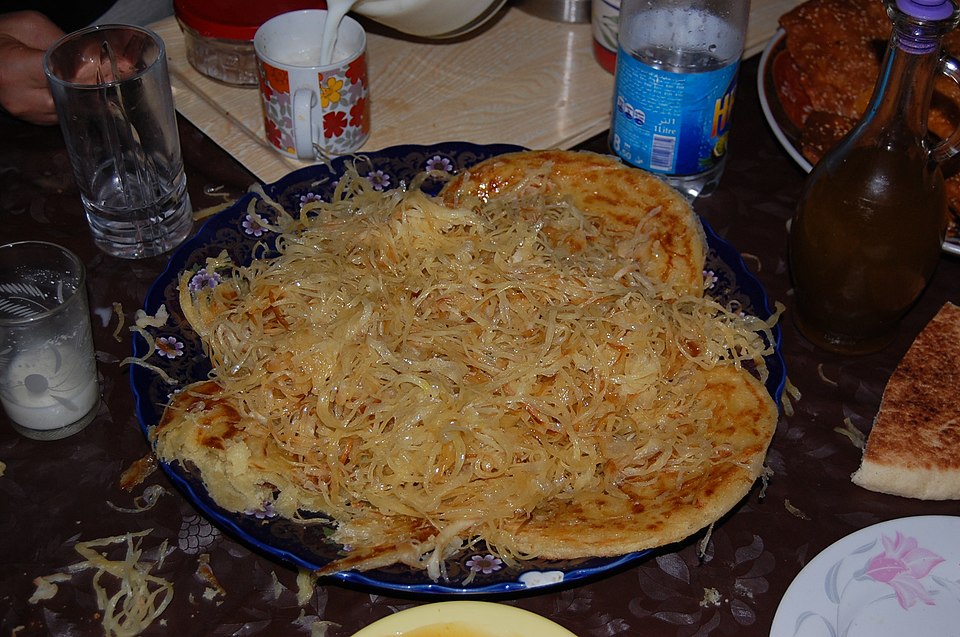
In this post, we’ll explore the full story behind the Moroccan Rziza Recipe – A Spiraled Treat of Butter, Honey, and Tradition, from its origins and preparation to where you can taste it across Morocco. Whether you’re a food lover, a traveler, or simply curious about Moroccan culinary culture, this treat promises to take you on a sensory journey through time, tradition, and sweetness.
1. The Origins of Moroccan Rziza
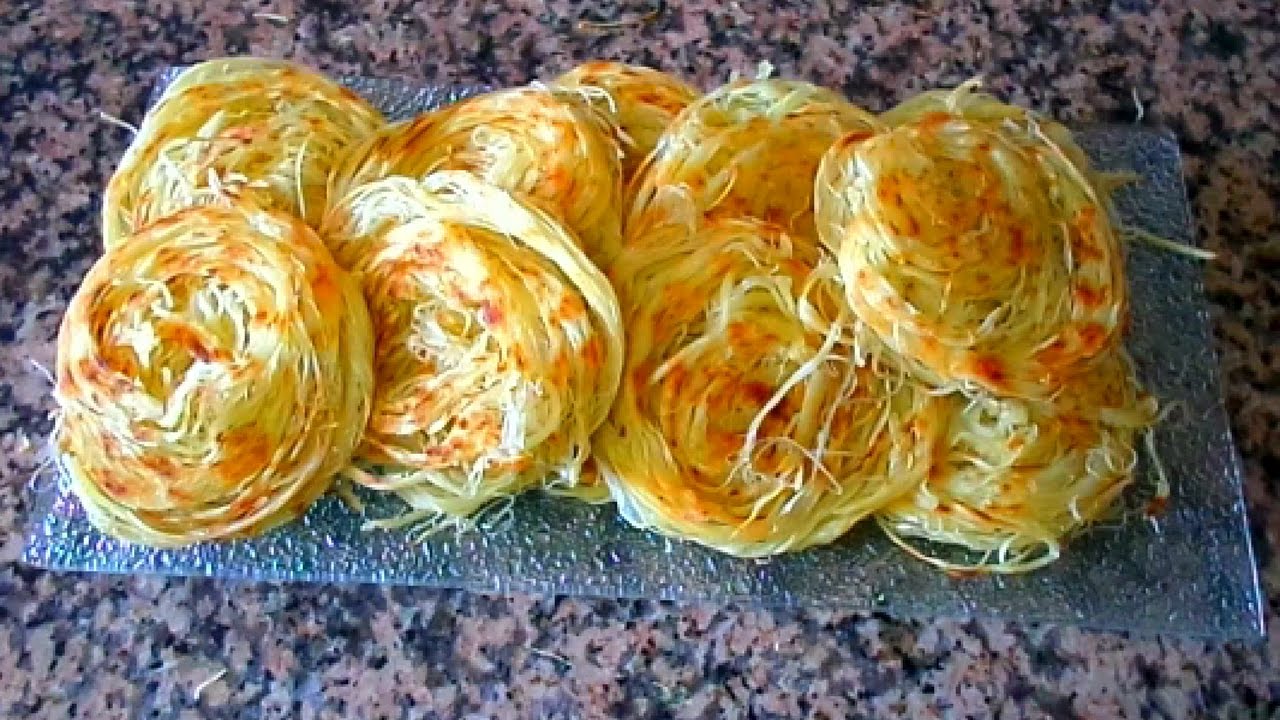
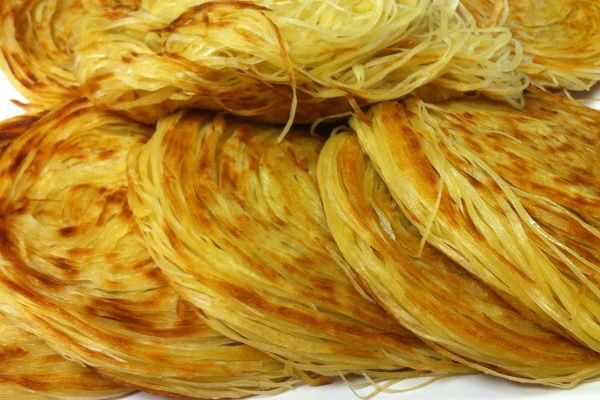
Rziza (also written Rezziza or R’ziza) has deep roots in Morocco’s rich culinary heritage. It’s part of the same family of msemen and meloui—flatbreads made from layers of dough that are stretched, folded, and fried. What makes Rziza unique is its spiraled design, created by rolling long threads of dough into a coiled nest that’s cooked until golden and crispy on the outside, yet tender within.
Traditionally, Rziza was prepared during special occasions or family breakfasts, often served warm and drizzled with melted butter and honey. In Moroccan culture, these dishes symbolize warmth, care, and togetherness—especially when shared with tea.
-You can learn more about Moroccan food traditions on Wikipedia’s page about Moroccan cuisine.
2. A Dish That Reflects Moroccan Craftsmanship
The Art of Hand-Rolling
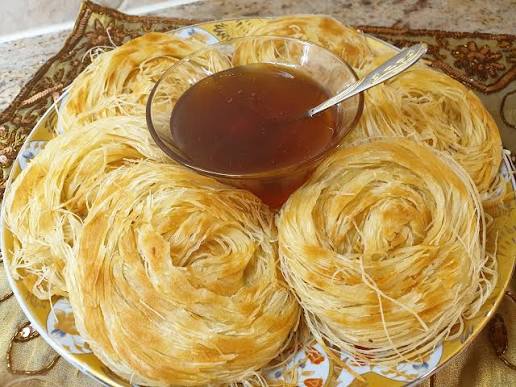
Making Rziza requires patience and skill. The dough is divided into small balls, then flattened and rolled into long, thin ribbons—so fine they resemble noodles. These are coiled into tight spirals, fried on a hot griddle, and brushed with golden butter before being bathed in sweet honey.
In Morocco, mastering Rziza is a proud achievement. It’s not just cooking—it’s a performance. Watching a skilled cook shape the spirals with speed and precision is mesmerizing, especially in the medinas of cities like Fez or Marrakech, where the scent of frying dough and honey fills the air.
Symbol of Moroccan Hospitality
Like many Moroccan pastries, Rziza is often served to guests during breakfast or afternoon tea. It pairs beautifully with atay b’nana (mint tea) or raib (fermented milk), offering both sweetness and comfort.
-Curious about Morocco’s cities and culture? Explore Marrakech, one of the country’s most vibrant culinary hubs.
3. Travel Tips and Cultural Insights
When to Try Rziza
While Rziza can be enjoyed year-round, it’s especially popular during Eid al-Fitr and family gatherings, when Moroccan tables overflow with sweet and savory delights. You’ll find it freshly made in bakeries, roadside cafés, and even luxury riads offering traditional breakfasts.
If you’re exploring Morocco’s cities:
- In Casablanca: Try local bakeries for a modern twist on Rziza with extra fillings like almond paste.
- In Fez: Head to the medina in the morning—vendors serve Rziza piping hot straight from the pan.
- In Marrakech: Enjoy it in riads where breakfast includes msemen, baghrir, and, of course, Rziza.
How It’s Served
The traditional way to enjoy Rziza is simple: warm, glossy, and dripping with butter and honey. Some families also serve it with amlo (a mixture of almonds, honey, and argan oil) for a richer taste.
If you’re lucky, you might encounter savory versions—lightly brushed with olive oil and served alongside tea or soup.
4. Real-World Stories: Travelers and the Moroccan Breakfast Table
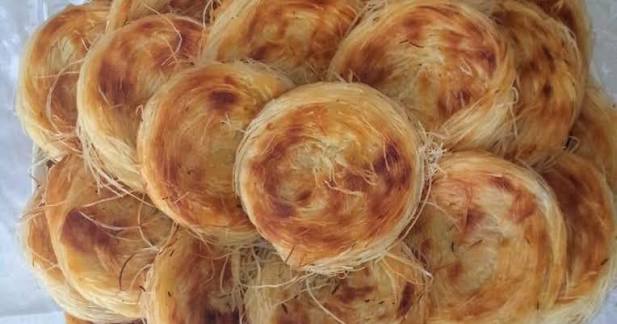
Travelers who’ve experienced Rziza often recall it as one of Morocco’s most memorable breakfast dishes.
Anna, a traveler from Italy, described her experience in Marrakech:
“The first morning in my riad, I was served this spiraled pastry I had never seen before. It was warm, buttery, and sweet—but not too sweet. I asked the cook what it was called, and she smiled and said ‘Rziza.’ It became my favorite breakfast in Morocco.”
For locals, Rziza is comfort food. Moroccan grandmothers often make it from scratch, teaching younger generations how to roll and coil the dough with care. It’s not just about food—it’s about connection. Preparing Rziza together becomes a family ritual, filled with laughter, storytelling, and the rich smell of browning butter.
5. Future Travel and Seasonal Insights
Culinary Experiences to Try
If you’re planning to visit Morocco and love food, include a cooking class in your itinerary. Many Moroccan cooking schools in Marrakech and Fez now teach how to prepare traditional breads and pastries like Rziza, msemen, and baghrir.
These classes are a fantastic way to understand Moroccan culture from the inside out—through the ingredients, methods, and traditions that shape its cuisine.
Seasonal Delights
Rziza shines all year, but it feels especially comforting during autumn and winter mornings, when the buttery aroma fills Moroccan homes and steam rises from hot teapots. In coastal cities like Essaouira or Rabat, you might find it paired with local honey infused with wild herbs.
If you visit during Ramadan, you’ll likely see Rziza served at iftar—the evening meal that breaks the fast—alongside harira soup, dates, and chebakia.
FAQ – Moroccan Rziza Recipe
1. What is Rziza made of?
Rziza is made from a simple dough of flour, semolina, salt, and water. After resting, the dough is rolled into thin strands, spiraled into a nest, and cooked with butter. It’s often finished with honey or olive oil.
2. Is Rziza sweet or savory?
Traditionally, Rziza is served sweet—soaked in butter and honey—but it can also be made savory with olive oil, herbs, or cheese, depending on the occasion.
3. Where can I eat authentic Rziza in Morocco?
You can find Rziza in Moroccan bakeries, cafés, and riads—especially in cities like Marrakech, Fez, and Meknes. Morning is the best time to enjoy it fresh.
4. Can I make Rziza at home?
Yes! You can recreate it with patience and practice. The key is to roll the dough into very thin strips, coil them into a spiral, and cook slowly until golden.
5. What’s the difference between Rziza and Msemen?
Both are Moroccan layered breads, but Rziza is made from thin rolled strands of dough formed into a spiral, while msemen is flattened and folded into square layers.
Conclusion
The Moroccan Rziza Recipe – A Spiraled Treat of Butter, Honey, and Tradition is more than a breakfast—it’s a celebration of Moroccan artistry and warmth. Each coil represents the patience and care that Moroccan cooks pour into their food, while the golden mix of butter and honey reflects the country’s rich flavors and love for sharing.
Whether you taste Rziza in a riad courtyard in Marrakech, a mountain village near the Atlas, or even at a small café in Casablanca, it’s bound to leave an impression. It’s a dish that captures Morocco’s essence—simple yet intricate, familiar yet exotic, humble yet utterly divine.
So, when you plan your next Moroccan adventure, make sure your itinerary includes not only majestic palaces and sweeping deserts—but also a plate of warm, spiraled Rziza. Because in Morocco, the sweetest memories are often found in the simplest bites.