In the vast and diverse culinary landscape of Morocco, few dishes surprise and captivate travelers quite like Moroccan Stuffed Spleen – A Traditional Delicacy from the Maghreb. Known locally as Tihal Mahchi, this dish is a fascinating blend of flavors, textures, and history. Far from being a common street snack, it is a labor of love — prepared slowly, filled generously, and served proudly during special occasions.
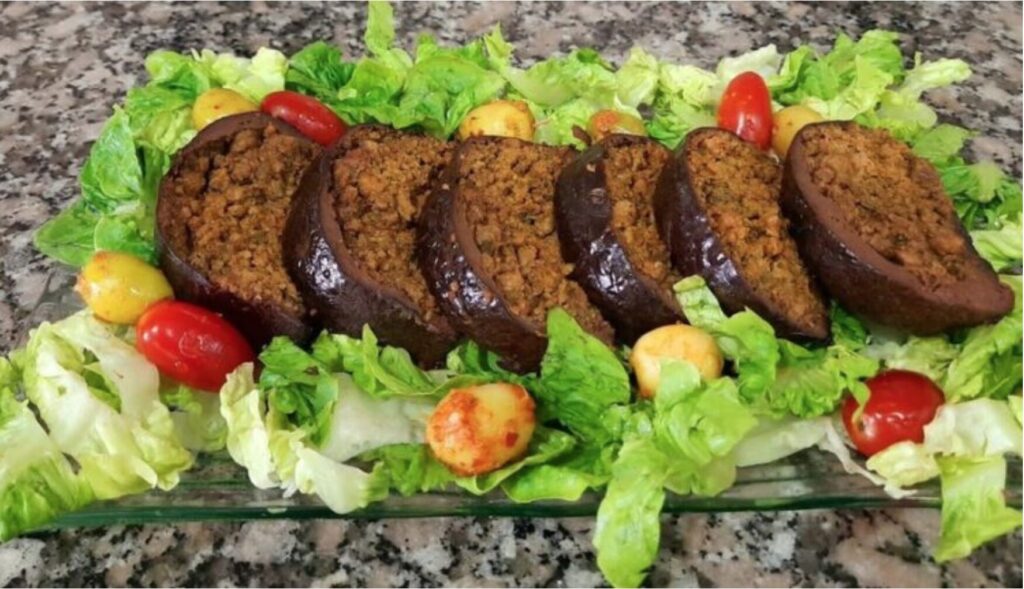
While the thought of eating spleen might raise an eyebrow or two for the uninitiated, in Morocco, it represents tradition, ingenuity, and respect for the animal from nose to tail. Travelers who dare to try it often describe the experience as one of Morocco’s most authentic culinary adventures — a dish that connects you directly to the roots of Maghrebi cooking.
What Is Moroccan Stuffed Spleen?
To understand the allure of Moroccan Stuffed Spleen – A Traditional Delicacy from the Maghreb, you must first appreciate Morocco’s approach to cuisine — nothing goes to waste, and everything is transformed into flavor.
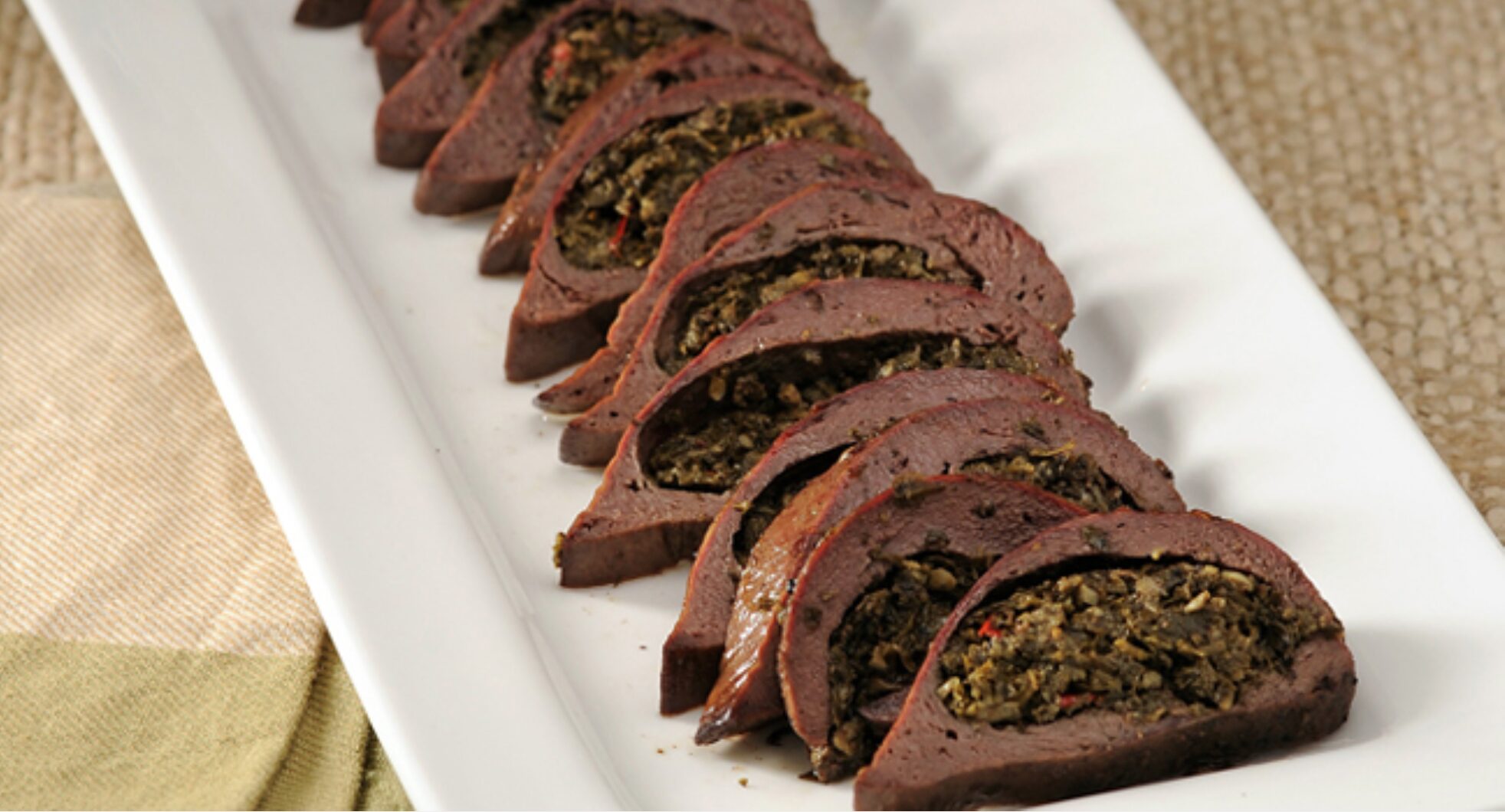
The dish begins with a large beef or lamb spleen, which is carefully cleaned and then stuffed with a delicious mixture of ground meat (often liver or minced beef), spices, onions, rice, and sometimes olives or eggs. Once sewn shut, it is either baked, steamed, or simmered in a fragrant broth until tender and richly flavored.
The result is a unique blend of smoky, spicy, and earthy tones — the perfect expression of Moroccan spice mastery. Locals often prepare it during festive times such as Eid al-Adha, when families come together to share meals that honor the sacrifice and celebrate abundance.
In Moroccan tradition, this dish is not merely food — it’s a symbol of celebration, generosity, and culinary creativity passed down through generations.
Where to Experience Moroccan Stuffed Spleen
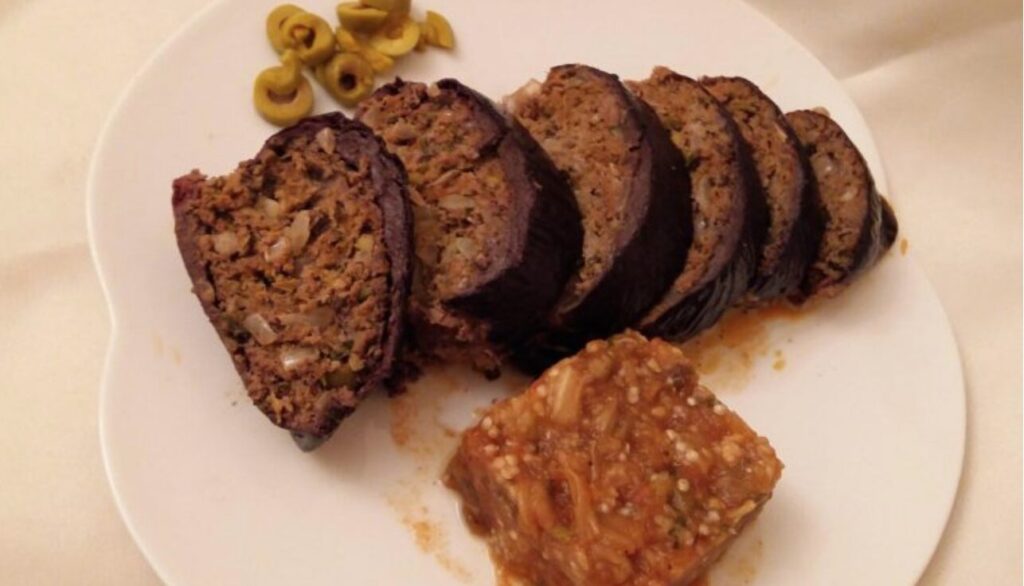
If you’re traveling through Morocco and want to discover Moroccan Stuffed Spleen – A Traditional Delicacy from the Maghreb, several cities offer rich culinary experiences tied to this authentic dish.
1. Fez – The Culinary Capital
The ancient city of Fez is often regarded as Morocco’s gastronomic heart. Here, local eateries and home kitchens uphold centuries-old recipes. During Eid or festive seasons, butchers and cooks prepare Tihal Mahchi with meticulous care. In some family-run restaurants in the Fez medina, you may even find this dish on the menu, served with warm bread and tea.
2. Marrakesh – A Feast for the Senses
In Marrakesh, the famous Jemaa el-Fnaa square teems with street food aromas — from sizzling skewers to bubbling tagines. Though spleen is less common here than in homes, ask a local or a culinary guide, and they might lead you to a hidden food stall where stuffed spleen is served sliced and spiced, revealing the mosaic of ingredients inside.
3. The Atlas Villages
In the High Atlas and Middle Atlas regions, rural families often prepare the stuffed spleen using fresh ingredients from the local souk. Cooked over traditional clay stoves, it carries a distinct smoky flavor, and eating it in a mountain village — surrounded by fresh air and Berber hospitality — is a memorable experience that brings the dish to life.
Cultural Insights: A Dish Rooted in Heritage

Every Moroccan meal tells a story, and Moroccan Stuffed Spleen – A Traditional Delicacy from the Maghreb is no exception. Its preparation reflects values deeply embedded in Moroccan culture — respect, sustainability, and togetherness.
During religious and family celebrations, no part of the animal is discarded. The spleen, liver, heart, and lungs are all transformed into dishes rich in flavor and meaning. This culinary philosophy mirrors Morocco’s resourcefulness and connection to the land.
Moreover, the dish embodies Morocco’s spice culture. Ground cumin, paprika, turmeric, and garlic combine with fresh coriander and parsley to create a flavor base that’s distinct yet comforting. The smell of the spleen roasting in an oven mingles with the spices, creating an aroma that draws neighbors to your doorstep.
It’s this deep sensory connection — sight, scent, and sound — that makes Moroccan cuisine so captivating for travelers.
Traveler Stories: First Encounters with Tihal Mahchi
For many food lovers visiting Morocco, trying stuffed spleen becomes an unforgettable milestone.
Maria, a traveler from Spain, recounts her experience in Casablanca:
“I wasn’t sure what to expect, but when the dish arrived, sliced open to reveal its colorful stuffing, I was amazed. It tasted rich and comforting — almost like a Moroccan meatloaf, but spicier and softer. The family I was dining with told me it was a dish of honor, served with pride.”
Another traveler, Ahmed from Egypt, shared that eating Tihal Mahchi during Eid with a Moroccan host family was one of his most memorable cultural exchanges:
“They treated me like family. The stuffed spleen wasn’t just food — it was a story, a tradition, a way to show love and hospitality.”
These personal experiences remind travelers that food in Morocco is not just about taste — it’s about connection.
When and Where to Try It: Seasonal Recommendations
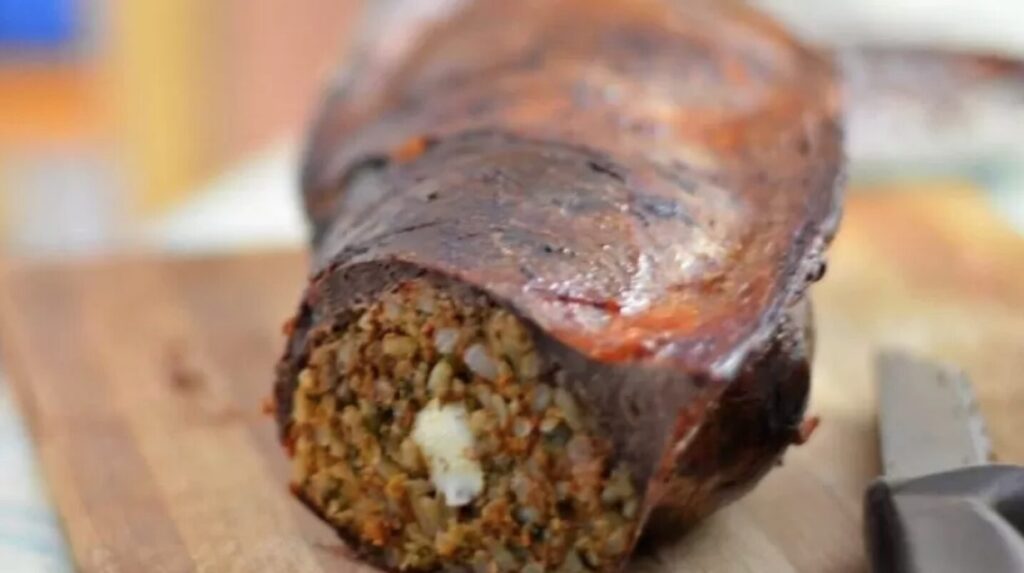
Timing plays a big role in finding Moroccan Stuffed Spleen – A Traditional Delicacy from the Maghreb freshly made.
1. Eid al-Adha (Festival of Sacrifice)
This is the best time to experience the dish in its most traditional form. Families across Morocco prepare stuffed spleen using freshly butchered meat, sharing it among relatives and neighbors. Travelers staying in guesthouses or with local families during this period are often invited to join the feast.
2. Winter Comfort Food
Stuffed spleen is also considered a warming dish, perfect for Morocco’s cool winter evenings. If you’re visiting between November and February, ask local restaurants or traditional cooks if they serve it — especially in Fez, Meknes, or Rabat.
3. Food Tours and Cooking Workshops
For culinary enthusiasts, several cooking schools in Marrakesh and Fez now offer “nose-to-tail” cooking experiences, where you can learn to prepare offal dishes including Tihal Mahchi. It’s a hands-on way to understand Moroccan traditions up close.
FAQ – Moroccan Stuffed Spleen Explained
What is Moroccan Stuffed Spleen made of?
It’s typically made from a cow or lamb spleen that’s filled with a flavorful mixture of minced meat, liver, rice, herbs, and Moroccan spices, then baked or simmered until tender.
Is Moroccan Stuffed Spleen spicy?
It’s aromatic rather than fiery. Common spices include cumin, paprika, garlic, and turmeric, giving it warmth and depth rather than heat.
Where can I eat stuffed spleen in Morocco?
It’s best enjoyed in family kitchens or during traditional celebrations, though some local restaurants and food tours in Marrakesh and Fez may offer it upon request.
What does Moroccan Stuffed Spleen taste like?
Its flavor is rich and savory, slightly smoky, and infused with spices. The filling is moist and aromatic, while the outer spleen layer becomes soft and flavorful.
Can visitors learn to cook it?
Yes! Many Moroccan cooking classes include lessons on traditional dishes like Tihal Mahchi, allowing you to experience the preparation and enjoy your own creation at the end.
Conclusion: A Bold Taste of the Maghreb
Moroccan Stuffed Spleen – A Traditional Delicacy from the Maghreb may not be the most famous Moroccan dish, but it’s certainly one of the most intriguing. It captures the country’s spirit of creativity, respect for ingredients, and culinary pride. For travelers seeking to go beyond tagines and couscous, this dish offers a deeper, more intimate look at Moroccan life — where food is memory, celebration, and art.
So next time you’re exploring Morocco, keep an open mind and a curious palate. Whether shared in a humble kitchen or a festive feast, this traditional delicacy will leave you with a story worth telling — and a flavor you’ll never forget.
–Ready to taste Morocco’s most authentic dishes?
Plan your next culinary journey with Skies of Morocco and experience the flavors that define the Maghreb’s soul.