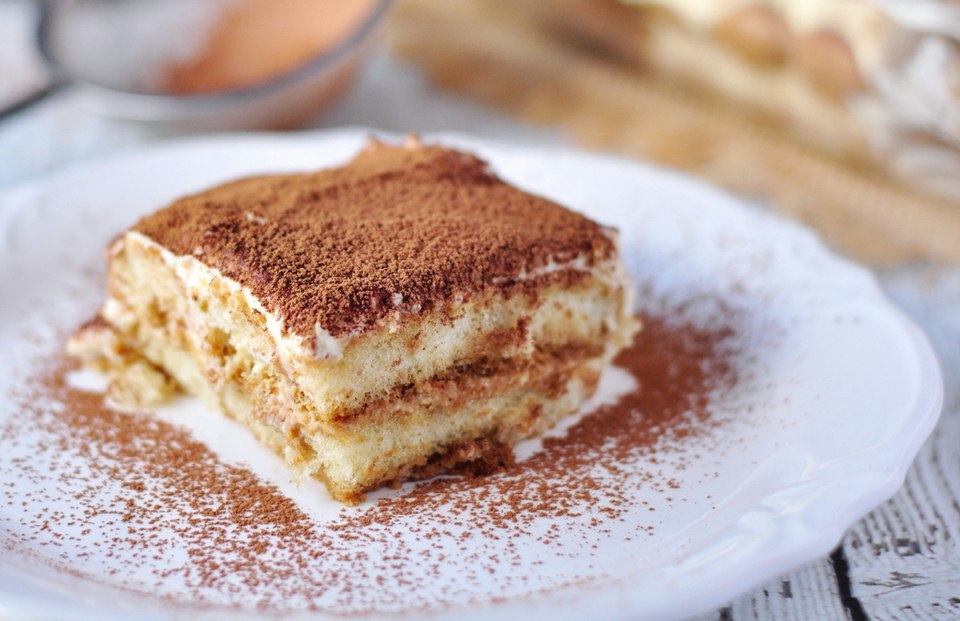
There are few desserts that travel across borders as gracefully as tiramisu — the beloved Italian classic known for its layers of creamy mascarpone and espresso-soaked biscuits. But in Morocco, this international favorite has found a new identity. The Moroccan Tiramisu with Homemade Mascarpone – A Sweet Blend of Cultures combines the richness of Italian indulgence with the warmth of Moroccan ingredients and hospitality, creating a fusion dessert that tells a story of connection, creativity, and global flavor.
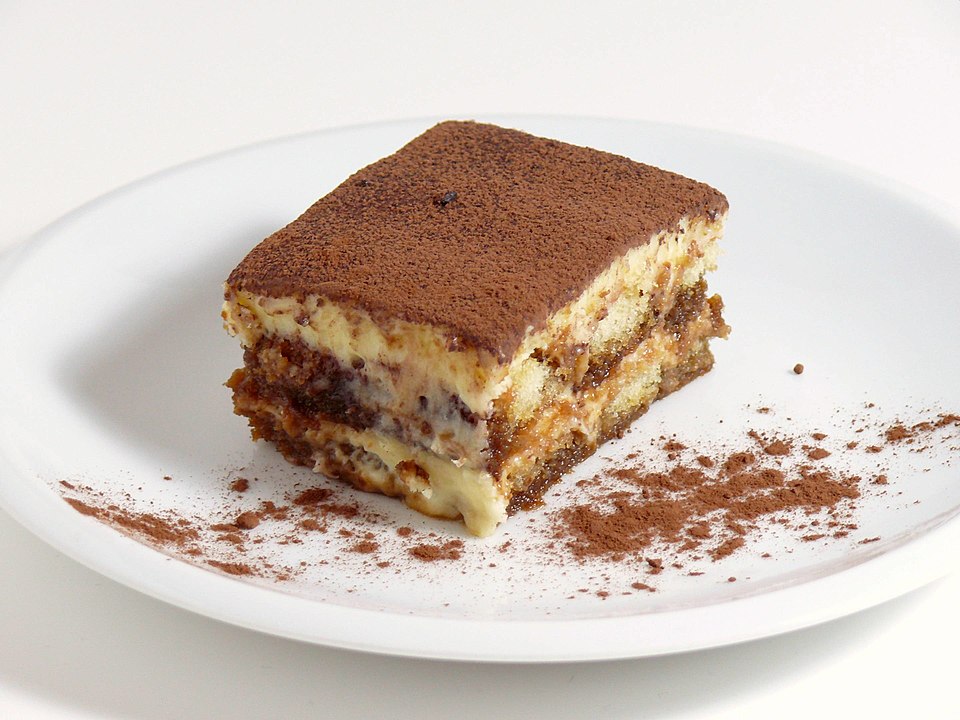
Whether you’re exploring the cafés of Marrakech, relaxing by the sea in Essaouira, or enjoying a traditional family meal in Casablanca, this Moroccan twist on tiramisu captures the country’s love for balance — between East and West, past and present, spice and sweetness.
A Dessert with Dual Heritage
Tiramisu, which means “pick me up” in Italian, has been enjoyed for decades as one of Italy’s most iconic desserts. Traditionally, it features layers of espresso-dipped ladyfingers, mascarpone cream, cocoa, and sometimes a touch of liqueur.
In Morocco, this classic has been reimagined with a local touch. The Moroccan Tiramisu with Homemade Mascarpone – A Sweet Blend of Cultures often includes subtle infusions of Moroccan flavors — such as orange blossom water, cinnamon, dates, or even a drizzle of honey from the Atlas Mountains.
What makes this fusion so special is the balance: the deep aroma of Italian coffee meets the sweetness of Moroccan ingredients, resulting in a dessert that feels both familiar and exotic. It’s a dessert that unites two culinary worlds on one plate — Italian sophistication and Moroccan warmth.
Where to Experience Moroccan Tiramisu
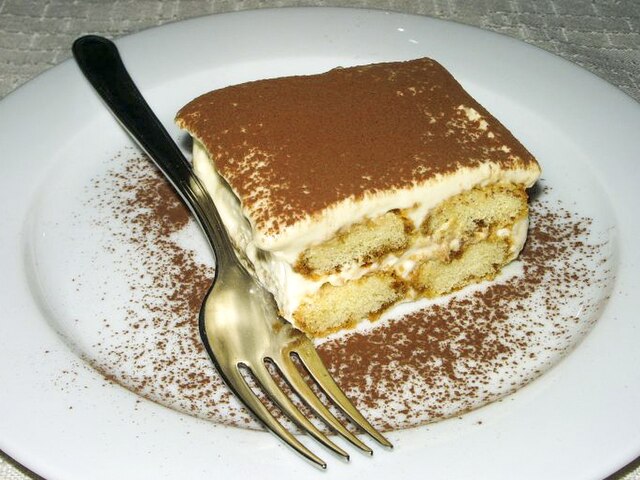
1. Marrakech – The Heart of Moroccan Fusion
In Marrakech, the cultural and culinary capital, you’ll find tiramisu on menus in both high-end restaurants and cozy riad cafés. Local chefs often prepare Moroccan Tiramisu with Homemade Mascarpone using local ingredients — saffron from Taliouine, cinnamon from the souk, and eggs from nearby farms.
Imagine enjoying a slice in the courtyard of a riad, surrounded by fountains and the scent of mint tea. Marrakech’s food scene reflects a growing passion for blending international techniques with Moroccan soul, and this dessert is the perfect symbol of that culinary creativity.
2. Casablanca – Where Modern Meets Traditional
Casablanca’s chic cafés and patisseries have embraced tiramisu with a modern flair. Some versions replace the traditional espresso with Moroccan coffee brewed with cardamom or add a layer of date cream. It’s a true reflection of Morocco’s urban identity — stylish, multicultural, and forward-thinking.
3. Essaouira – Seaside Serenity and Sweet Delights
In the peaceful coastal city of Essaouira, cafés often serve Moroccan Tiramisu with Homemade Mascarpone alongside pastries infused with almonds or argan oil. Here, the dessert takes on a lighter, breezy character — the perfect treat after a day spent walking along the beach or exploring the medina.
Travel Tips and Cultural Insights
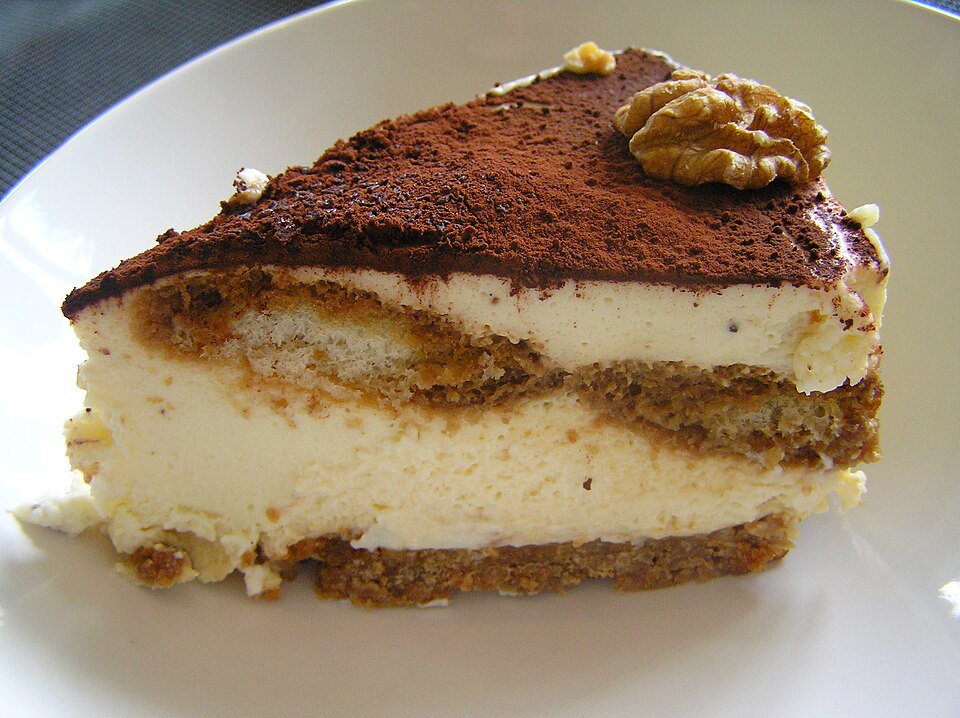
Exploring Moroccan desserts is a journey in itself, revealing how food connects people, traditions, and creativity. Here are some insights to help you experience this cultural blend to the fullest:
- Embrace Culinary Curiosity: Morocco’s cuisine is about hospitality and experimentation. Trying fusion desserts like Moroccan tiramisu gives you a deeper appreciation for how Moroccan chefs reinterpret global dishes.
- Pair It with Mint Tea or Espresso: While tiramisu is typically paired with coffee, Moroccan mint tea complements its sweetness beautifully, adding a refreshing balance.
- Support Local Cafés: In many Moroccan cities, family-owned cafés and pastry shops serve some of the best homemade versions. Choosing these spots helps sustain local craftsmanship and authenticity.
- Ask for the Ingredients: Don’t hesitate to ask how a café prepares its tiramisu — each recipe is unique. Some use homemade mascarpone from fresh local cream, while others might flavor it with orange zest or rosewater.
By understanding the culture behind the dessert, you’ll see that Moroccan cuisine isn’t just about tradition — it’s about evolution.
Traveler Stories: A Dessert That Connects Worlds
Sofia’s Story from Italy to Morocco
Sofia, an Italian traveler from Florence, recalls her experience in Marrakech:
“When I saw tiramisu on the menu, I was curious but skeptical. Then I tasted it — and I was amazed. It had hints of cinnamon and orange blossom, yet the mascarpone was creamy and true to my childhood memories. It felt like home, but with a Moroccan soul.”
Ahmed’s Story from Casablanca
Ahmed, a local pastry chef, shared:
“I studied pastry in France but returned home to Morocco because I wanted to mix cultures. Tiramisu is my favorite dessert to reinterpret. I make it with Moroccan coffee and honey — simple, elegant, and a little bit daring.”
These stories capture what the Moroccan Tiramisu with Homemade Mascarpone – A Sweet Blend of Cultures represents: a bridge between heritage and innovation, where every spoonful tells a global story.
When to Visit Morocco for Sweet Discoveries
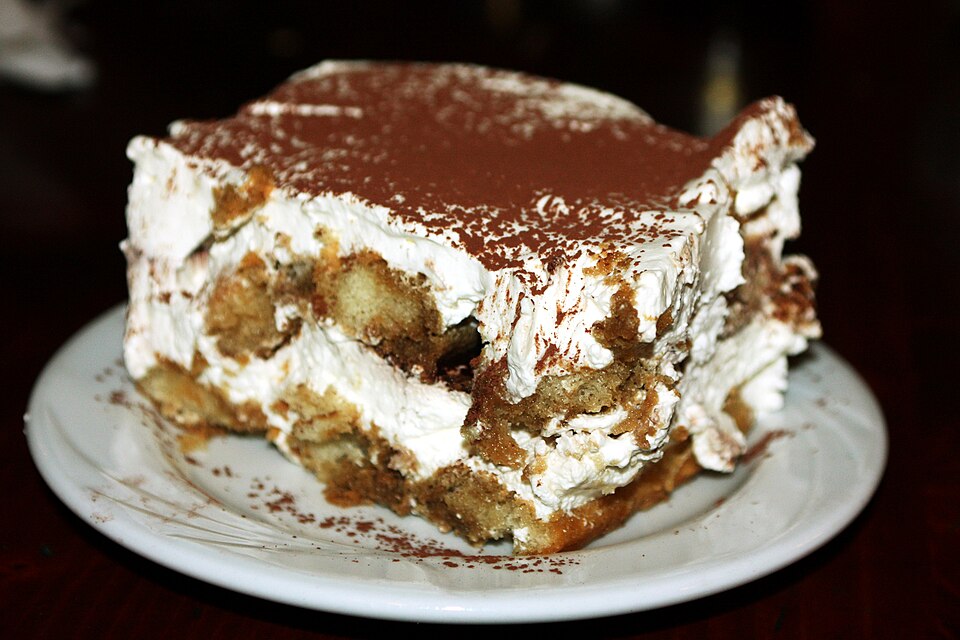
Desserts like Moroccan tiramisu are enjoyed year-round, but if you’re a culinary traveler, timing your visit right can enhance the experience.
- Spring (March–May): The ideal season for food festivals, garden cafés, and open-air dining. You can savor tiramisu while enjoying Morocco’s floral scents and mild weather.
- Autumn (September–November): Cooler evenings make it the perfect time to indulge in coffee-based desserts. The warmth of cinnamon and cocoa pairs beautifully with the season’s cozy vibe.
- Ramadan Season: During Ramadan, Moroccan sweets take center stage. While tiramisu isn’t traditional, many bakeries introduce special versions for Iftar — often layered with dates or spiced coffee.
Whenever you visit, Morocco offers countless opportunities to discover how international recipes adapt to local tastes — and tiramisu is one of the most charming examples.
FAQ – Moroccan Tiramisu with Homemade Mascarpone
What makes Moroccan tiramisu different from Italian tiramisu?
Moroccan tiramisu often features local ingredients like orange blossom, cinnamon, or honey. These flavors add a unique Moroccan character to the Italian classic.
Is mascarpone easy to make at home in Morocco?
Yes! You can make homemade mascarpone with fresh cream and lemon juice — both easily available in Morocco. It’s creamy, rich, and adds authenticity to the dessert.
Can I find tiramisu in traditional Moroccan restaurants?
While not common in very traditional eateries, many modern Moroccan cafés, riads, and restaurants include it on their dessert menus.
Is Moroccan tiramisu served with coffee or tea?
Both! Espresso enhances its Italian side, while Moroccan mint tea offers a refreshing cultural twist.
Can I make Moroccan tiramisu without alcohol?
Absolutely. Most versions in Morocco are non-alcoholic, using strong coffee or date syrup instead of liqueur.
Conclusion: A Cultural Dessert Worth the Journey
The Moroccan Tiramisu with Homemade Mascarpone – A Sweet Blend of Cultures is more than a dessert — it’s a celebration of how Morocco welcomes and transforms global influences. It captures the essence of Moroccan creativity: honoring tradition while embracing innovation.
From Marrakech’s artistic cafés to Casablanca’s modern patisseries, this tiramisu tells a story of harmony — between continents, flavors, and people. Each bite is a reminder that travel and cuisine share the same purpose: to connect us, to surprise us, and to leave us with something unforgettable.
So, on your next trip to Morocco, don’t just explore the markets and monuments — treat yourself to a spoonful of cultural fusion. Because sometimes, the sweetest memories come from unexpected blends.