
Across Morocco, the smell of freshly baked bread drifts through medinas, mountain villages, and desert towns. This aroma leads back to an extraordinary cultural treasure: Morocco Ancient Bread Ovens – Clay Chambers of Flavor. These traditional clay ovens, known locally as ferran or koum, have shaped Moroccan food culture for centuries. They are more than cooking tools—they are community gathering points, storytellers of daily life, and living reminders of Morocco’s culinary heritage.

In this travel-inspired exploration, we uncover the history, the craft, and the enduring charm of these ancient ovens—showing travelers why they remain one of Morocco’s most authentic cultural experiences.
Section 1 – Overview of Morocco’s Ancient Clay Bread Ovens
A Tradition Baked into the Earth
Moroccan bread is a symbol of hospitality, unity, and home. For generations, women have kneaded dough at dawn, children carried trays to the neighborhood oven, and bakers tended to clay chambers that radiate powerful heat.
Morocco Ancient Bread Ovens – Clay Chambers of Flavor are typically built from earth, straw, and water—a blend that forms thick, heat-retaining walls. These ovens are heated with wood, olive pits, or palm fronds, reaching temperatures perfect for creating Morocco’s beloved khobz, batbout, and msmen.
Where These Ovens Are Found
You will encounter traditional ferrans in:
- The narrow lanes of Marrakech (Wikipedia link: https://en.wikipedia.org/wiki/Marrakesh)
- The labyrinth medinas of Fez, where some ovens date back to medieval times (Wikipedia link: https://en.wikipedia.org/wiki/Fes)
- Rural Amazigh villages across the Atlas Mountains
- Desert communities near Merzouga and Zagora
Each region adds its own nuances—different wood types, oven shapes, or baking rituals—resulting in subtle variations in aroma and crust.
Why They Matter Today
In an age of modern appliances and fast food, these communal ovens preserve a sense of togetherness. They remain a vital social hub, especially in older neighborhoods where many families share the same ferran.
Section 2 – Must-See Experiences Related to Traditional Bread Ovens

Visit a Working Community Ferran

One of the most authentic travel moments in Morocco is stepping inside a neighborhood ferran. You’ll see:
- Trays of dough labelled with symbols to identify each family’s bread
- A master baker using long wooden paddles to slide loaves deep into the clay chamber
- Flames licking the oven walls, creating a smoky, earthy flavor
- Locals chatting while waiting for their bread
Some famous ferrans include:
- Ferran Bab Taghzout in Marrakech
- Old Medina bread ovens of Fez, tucked among centuries-old alleyways
- Village ovens in Aït Bouguemez, offering mountain-fresh flavors
Try Bread Fresh from the Oven
Nothing tastes quite like a loaf pulled from Morocco Ancient Bread Ovens – Clay Chambers of Flavor. Expect:
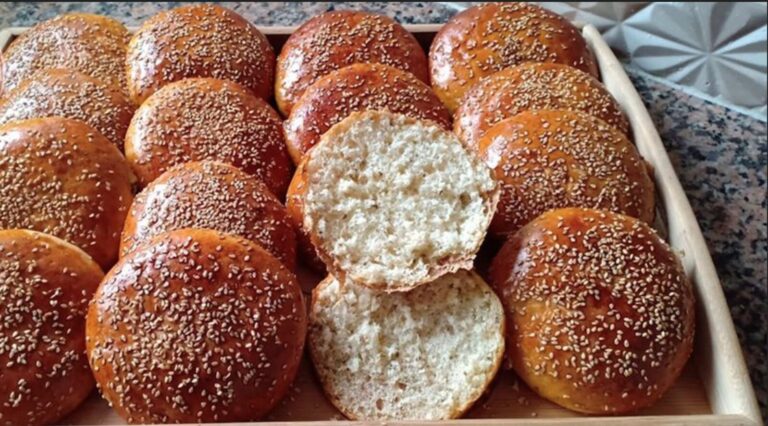
- A crisp exterior
- A warm, airy center
- Smoky notes from the firewood
- A slight tang from natural fermentation
Pair it with olive oil, amlou, or mint tea for a truly Moroccan moment.
Join a Bread-Making Workshop
Many riads, rural lodges, and cultural centers offer hands-on workshops. You’ll learn:
- How to knead dough using traditional techniques
- How to shape round Moroccan khobz
- How to prepare whole-grain or semolina variants
- How to safely bake using the ferran’s blazing heat
This is an incredible way to connect with Moroccan daily life.
Explore Historical Ovens and Bakeries
In cities like Fez and Marrakech, some ovens are centuries old. Many were built during the time of the Marinid dynasty, whose urban planning left a lasting imprint on Moroccan medinas.
You may also find ovens attached to old fondouks, caravanserais, and communal hammams—proof of how essential bread was to travelers, merchants, and residents alike.
Section 3 – Travel Tips and Cultural Insights

How to Respect Local Bakeries
These ovens are active workplaces. Keep in mind:
- Always ask before taking photos—especially inside the oven area.
- Support the baker by buying bread or tipping.
- Be mindful of locals dropping off their dough; don’t block the entrance.
When to Visit
Morning is the best time to see ferrans alive and bustling. Between 7–11 a.m., families bring dough for the day’s bread.
In rural villages, baking might happen later—each community has its own rhythm.
How to Recognize an Authentic Ancient Oven
Look for:
- A low clay dome or chamber with a blackened interior
- Wood stacked nearby
- A long-handled wooden paddle
- A warm, yeasty smell wafting through the air
You may also find ovens underground or semi-buried in desert regions, where sun-dried clay performs best.
Bread Etiquette in Morocco
Bread is sacred. Moroccans never waste it. If bread falls to the ground, it is kissed and placed on a high shelf. Traveling food lovers should treat bread with similar respect—it reflects a deep cultural value.
Section 4 – Traveler Stories and Real Experiences

The German Backpacker in Fez
Lena, a solo traveler from Germany, wandered the Fez medina early one morning. She followed the scent of warm bread to a centuries-old ferran. After watching the baker at work, she was handed a fresh loaf still steaming from the oven. She later wrote:
“It tasted like history—earth, fire, and tradition mixed into one bite.”
This moment became the highlight of her trip.
A Family Adventure in Marrakech
A Moroccan-Spanish family, on their first cultural trip, visited a ferran near Bab Doukkala in Marrakech. Their children were mesmerized watching the baker turn dough into golden rounds in minutes. The baker allowed them to slide small loaves inside using a paddle—a memory they still talk about today.
A Culinary Photographer’s Discovery
Jared, a photographer from Canada, traveled specifically to document Morocco Ancient Bread Ovens – Clay Chambers of Flavor. In the Atlas Mountains, he photographed women shaping bread while goats wandered nearby. He describes these scenes as:
“A living museum of Moroccan culinary identity.”
His series was later featured in a North American food magazine.
Section 5 – Future Travel Recommendations and Seasonal Insights
Seasonal Flavors and Ovens
Different seasons bring different bread aromas:
- Winter: Ovens burn hotter; bread comes out deeply golden.
- Spring: Rural ovens use fresh wood, adding a floral nuance.
- Summer: Desert ovens achieve crisp, smoky textures perfect for outdoor meals.
- Autumn: Wheat harvest season—flour is its freshest.
Emerging Culinary Tourism Routes
As interest in traditional Moroccan food grows, you can expect:
- More cultural tours featuring bread ovens
- Workshops in Atlas villages led by Amazigh bakers
- Culinary walking tours connecting ferrans with spice markets
- Slow-travel routes focusing on traditional cooking techniques
Pairing Experiences
For a well-rounded Moroccan journey, pair oven visits with:
- A traditional hammam
- A tajine cooking class
- A visit to historical medinas like Fez and Marrakech
- A rural stay in an Atlas village
These combinations deepen your understanding of Morocco’s culinary soul.
FAQ – Ancient Bread Ovens in Morocco
How old are Morocco’s ancient bread ovens?
Some ovens in Fez and Marrakech date back hundreds of years, preserved since medieval times.
Can travelers visit these ovens?
Yes—many community ferrans welcome visitors, especially in medinas and rural villages.
What type of bread is baked in these ovens?
Mostly round khobz, but also semolina bread, whole-grain bread, and occasionally flatbreads.
Are these ovens still commonly used?
Absolutely. Many residents rely on them daily, especially in traditional neighborhoods.
Is it safe to try bread from a ferran?
Yes! Bread is baked at very high heat, making it perfectly safe and incredibly delicious.
Conclusion
Morocco Ancient Bread Ovens – Clay Chambers of Flavor offer travelers a rare opportunity to step into Morocco’s culinary past. Watching bakers work, tasting bread still warm from clay chambers, and witnessing the communal spirit behind each loaf is a cultural privilege.
To explore more Moroccan traditions, plan your trip, dive into our cultural guides, and discover hidden experiences across the country on skiesofmorocco.