When you think of Morocco, images of vibrant souks, desert dunes, and ancient medinas often come to mind. But one of the most underrated cultural experiences is enjoying Morocco breakfast food. Known for its rich flavors, fresh ingredients, and unique combinations, breakfast in Morocco isn’t just a meal—it’s a ritual of hospitality and tradition. In this guide, we’ll explore what makes Moroccan breakfasts special, highlight must-try dishes, share cultural insights, and inspire you to savor the first meal of the day like a true local.
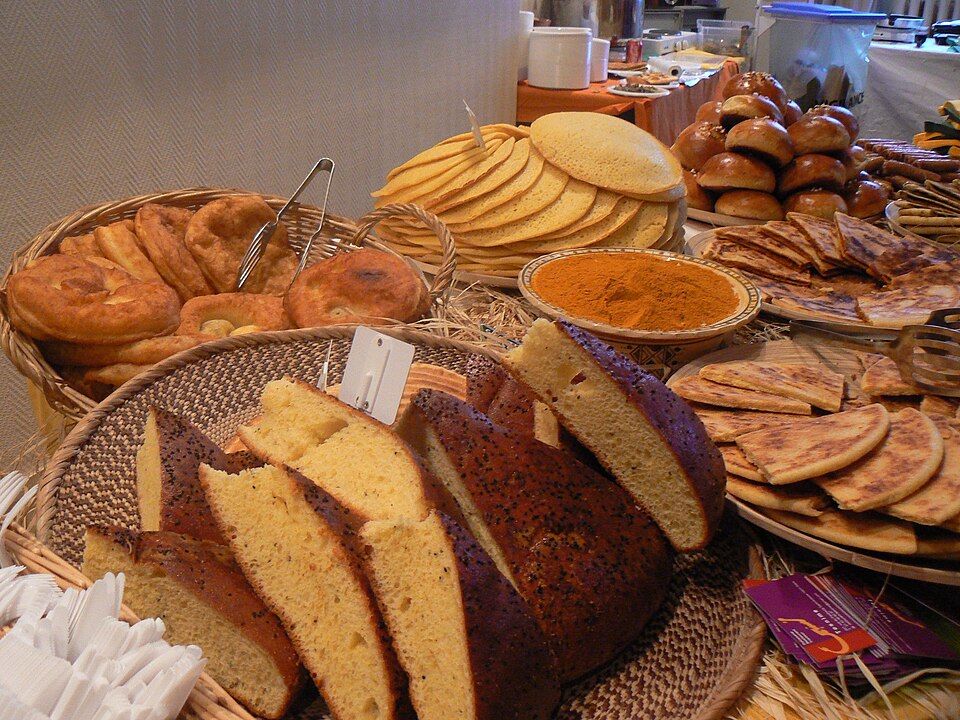
Overview of Morocco Breakfast Food
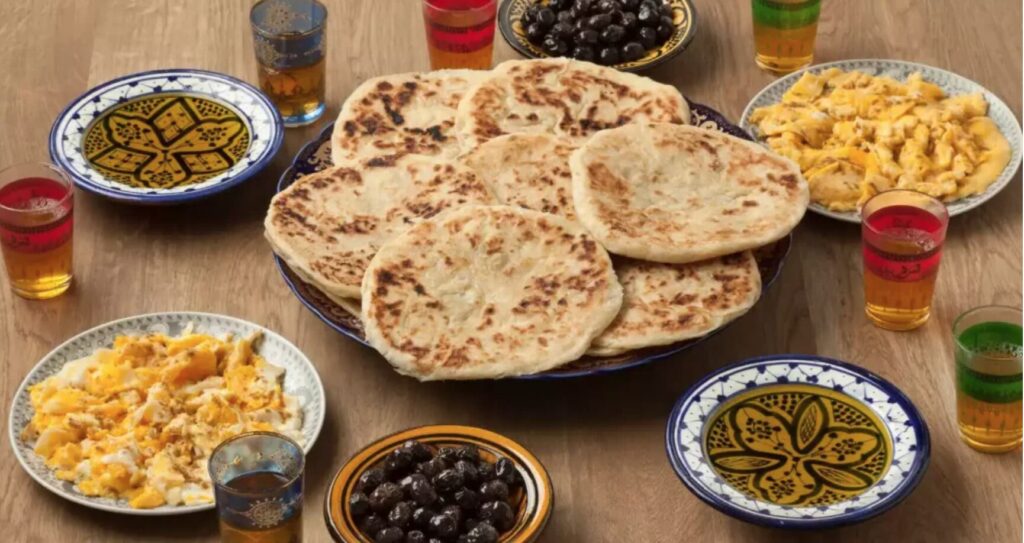
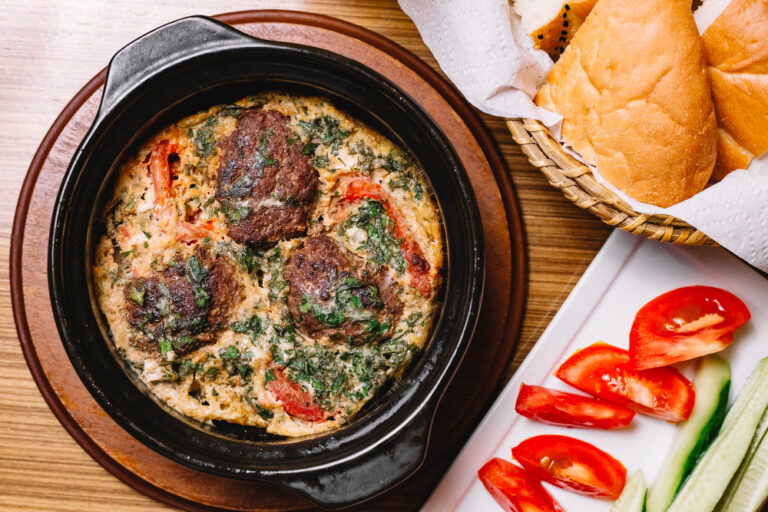
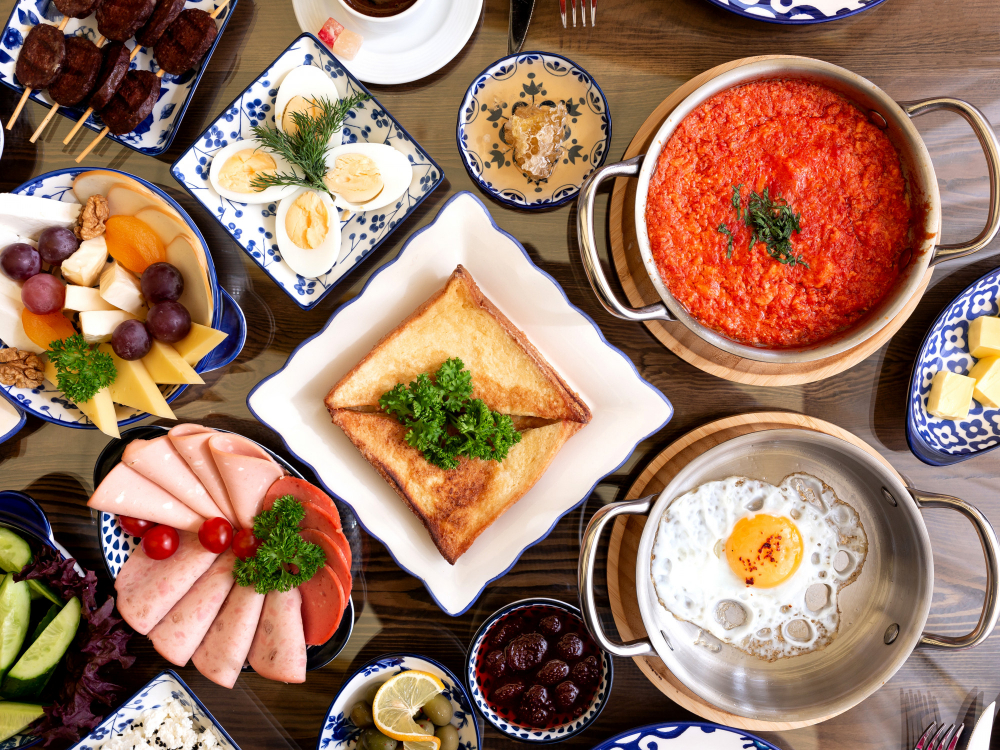
Breakfast in Morocco is a delicious mix of sweet and savory flavors. Unlike quick grab-and-go breakfasts common in many parts of the world, Moroccans take their time in the morning, enjoying freshly baked breads, spreads, olives, cheese, and mint tea. The heart of Morocco breakfast food is variety—different textures, flavors, and aromas create an unforgettable start to the day.
Staples include:
- Msemen (square flatbreads, layered and pan-fried)
- Baghrir (spongy semolina pancakes with honey and butter)
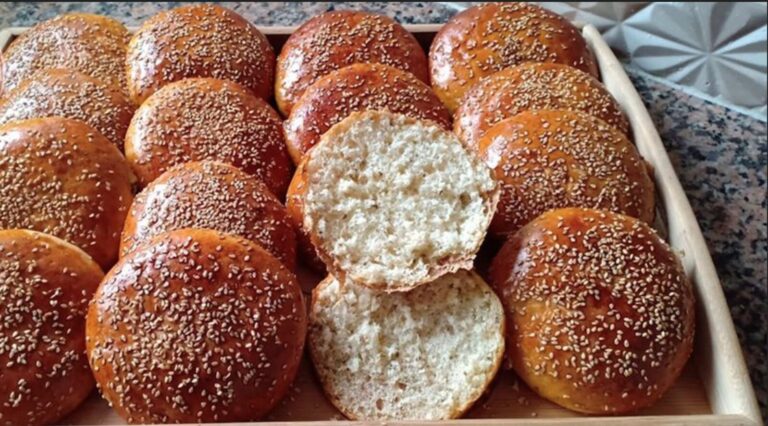
- Khobz (traditional round bread baked in communal ovens)
- Fresh olives, soft cheeses, honey, and jam
- And of course, the iconic Moroccan mint tea.
This variety reflects the country’s cultural blend of Arab, Berber, and Mediterranean influences.
Must-Try Breakfast Experiences in Morocco
1. Msemen and Honey
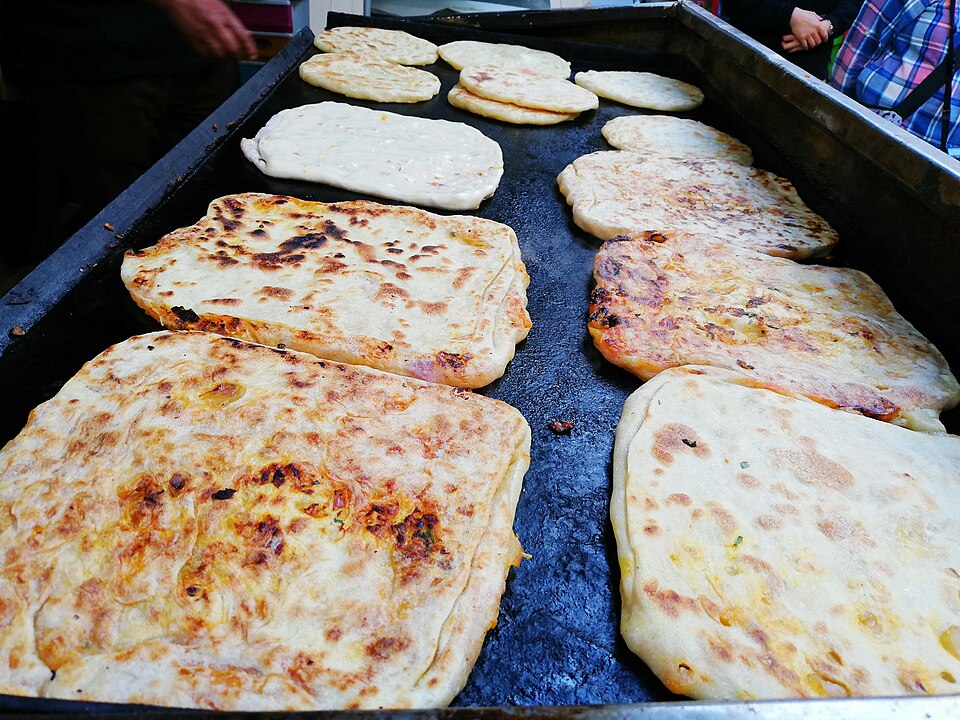
A crispy yet soft flatbread, msemen is one of the most famous Moroccan breakfast foods. Served with honey or cheese, it’s a true morning comfort.
2. Baghrir – The “Thousand-Hole Pancake”
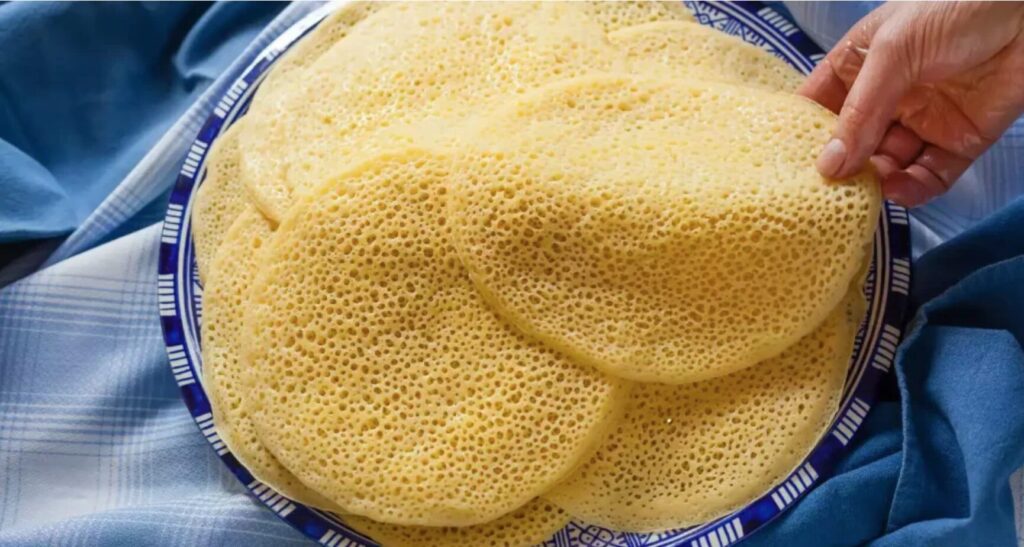
Baghrir is a semolina pancake with a porous texture that absorbs honey-butter sauce beautifully. It’s light yet filling, perfect for pairing with Moroccan mint tea.
3. Khobz with Amlou
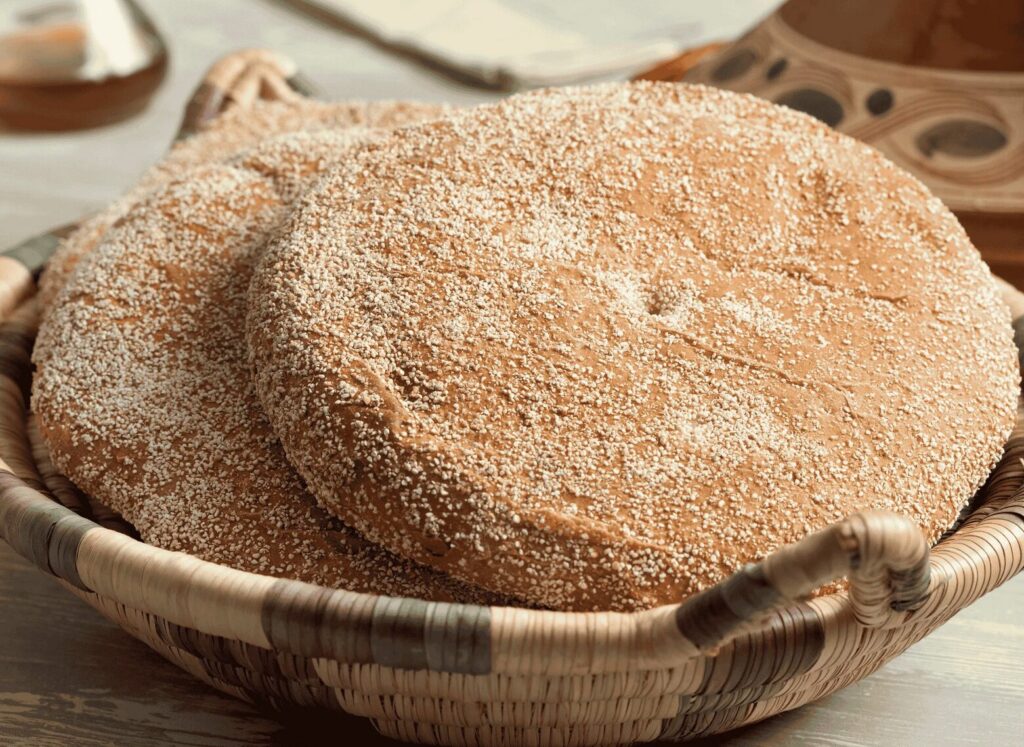
Khobz is the essential Moroccan bread, often paired with amlou, a spread made from argan oil, almonds, and honey. This combination is both traditional and healthy.
4. Harira Soup (Seasonal Breakfast)
Though often eaten during Ramadan evenings, harira (a tomato, lentil, and chickpea soup) is sometimes enjoyed in the morning during colder months, offering warmth and energy.
5. Mint Tea – The Soul of Moroccan Breakfast
No breakfast is complete without atay b’nana, Moroccan mint tea. Sweet, aromatic, and refreshing, it symbolizes Moroccan hospitality.
Travel Tips and Cultural Insights
- Communal Dining – Moroccan breakfasts are often shared with family or guests. Don’t be surprised if several dishes are placed in the middle for everyone to enjoy together.
- Timing – Breakfast is usually enjoyed later in the morning compared to Western habits, sometimes closer to brunch.
- Street Food Stalls – For a local experience, head to the medina where vendors sell msemen and baghrir fresh off the pan.
- Modern vs. Traditional – Hotels may serve croissants or continental options, but always look for authentic Moroccan dishes to truly experience the culture.
Real-World Traveler Stories
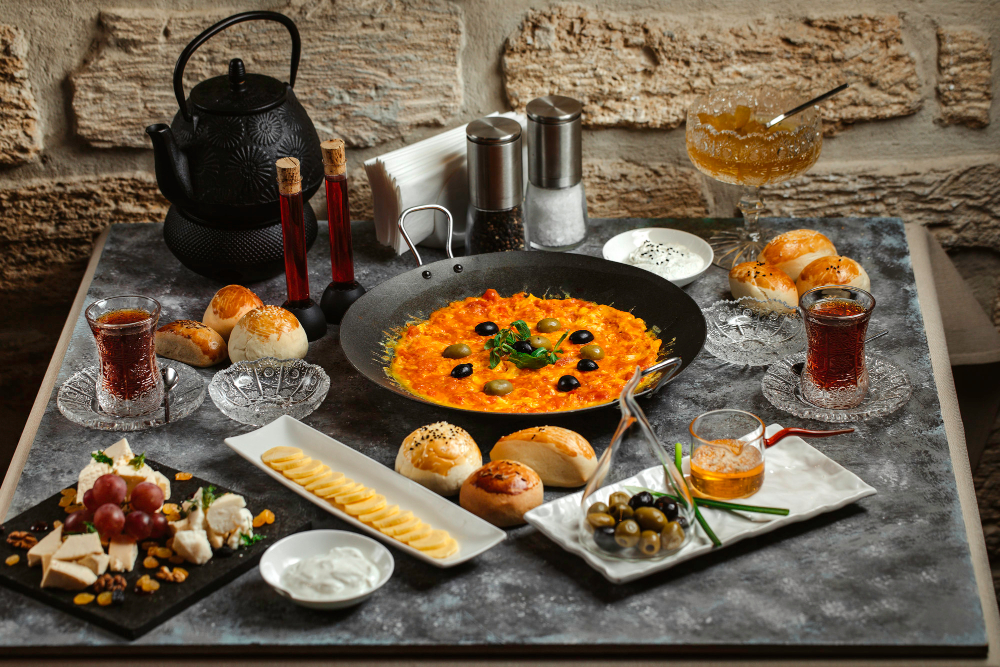
Travelers often recall Moroccan breakfasts as one of their most memorable experiences. Imagine waking up in Marrakech, the call to prayer still echoing, and stepping onto a riad terrace where a spread of msemen, olives, fresh orange juice, and mint tea awaits. Or picture sitting in Fes near the medina gates, enjoying warm baghrir with locals who insist you try their favorite jam.
One traveler once said: “I came for the desert, but I stayed for the breakfasts. Moroccan mornings felt like a feast prepared just for me.”
Future Travel Recommendations & Seasonal Insights
If you’re planning to explore Moroccan cuisine:
- Winter: Try harira soup and warm breads with honey and olive oil.
- Spring & Summer: Fresh fruits and juices enhance the lighter side of Moroccan breakfast food.
- Ramadan: Special breads and pastries appear during this holy month—don’t miss chebakia or sellou.
When booking riads or guesthouses, look for those highlighting traditional Moroccan breakfasts in their reviews—you’ll wake up to an authentic experience every day.
FAQ about Morocco Breakfast Food
What do Moroccans typically eat for breakfast?
Moroccans enjoy a variety of breads (msemen, baghrir, khobz), spreads like honey, cheese, and amlou, along with olives and mint tea.
Is Moroccan breakfast sweet or savory?
It’s often a mix of both. Sweet honey, jam, and pastries are paired with savory olives, cheeses, and breads.
Can I find Moroccan breakfast food outside Morocco?
Yes, in Moroccan restaurants abroad, though the experience is more authentic in Morocco where breads are freshly made daily.
What drinks are common in Moroccan breakfasts?
Mint tea is the most popular, often served with sugar. Fresh orange juice and sometimes coffee are also enjoyed.
Do Moroccans eat breakfast early?
Not always. Many enjoy it mid-morning or closer to brunch, especially on weekends or holidays.
Conclusion
Experiencing Morocco breakfast food is about more than just eating—it’s about sharing culture, tradition, and hospitality. From msemen to mint tea, every dish tells a story of Morocco’s rich heritage and love for flavors.
So next time you visit, don’t rush your mornings. Sit down, sip your tea, and let Moroccan breakfasts show you how the day should truly begin.
– Ready to explore more Moroccan flavors and traditions? Plan your trip with us at Skies of Morocco and discover a world where every morning begins with warmth, taste, and hospitality.