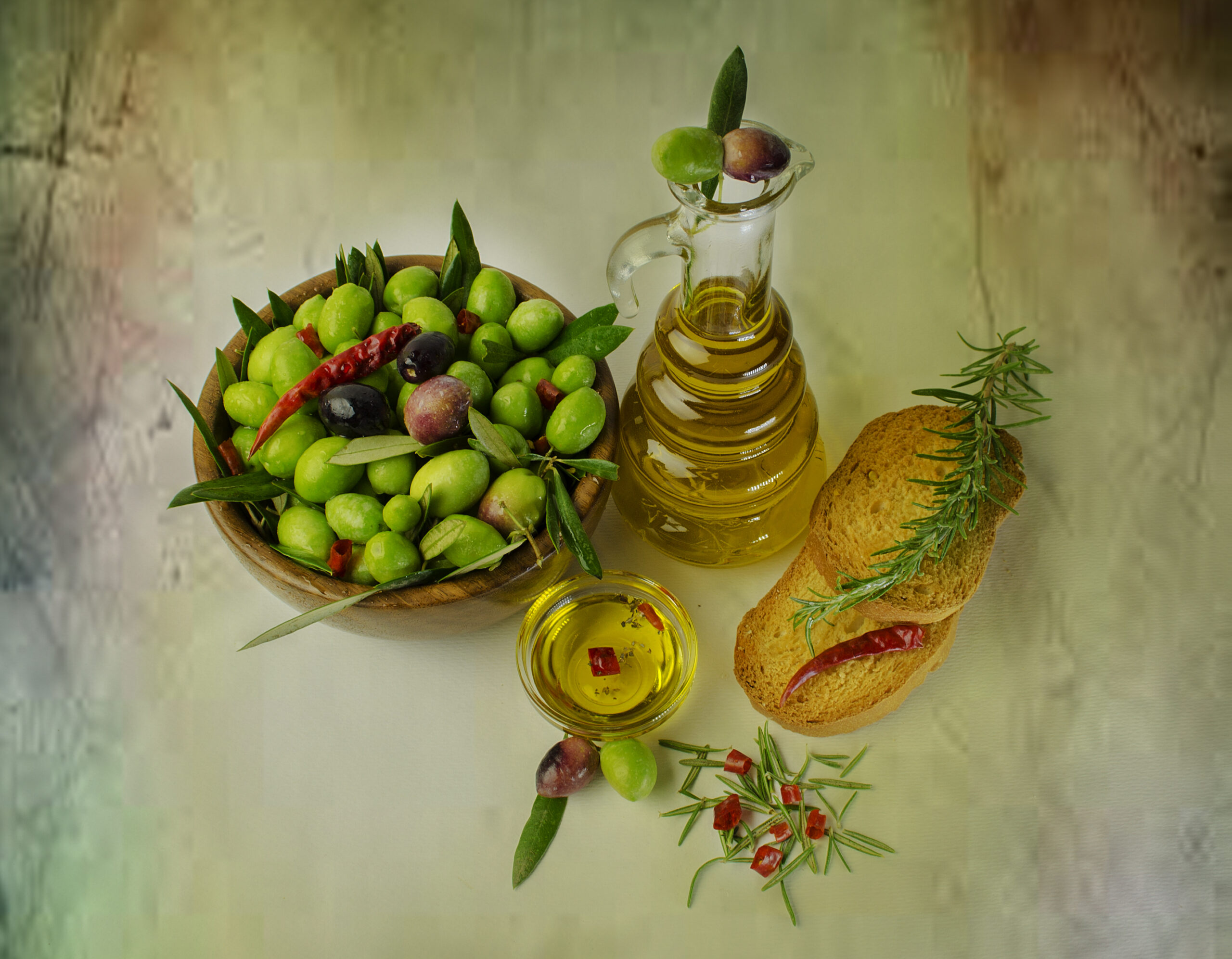
When you think of Morocco, spices, tagines, and bustling souks might come to mind. But one of the country’s most treasured—and often overlooked—products is olive oil. Deeply rooted in Moroccan culture, agriculture, and cuisine, olive oil in Morocco is more than just a kitchen staple—it’s a way of life.
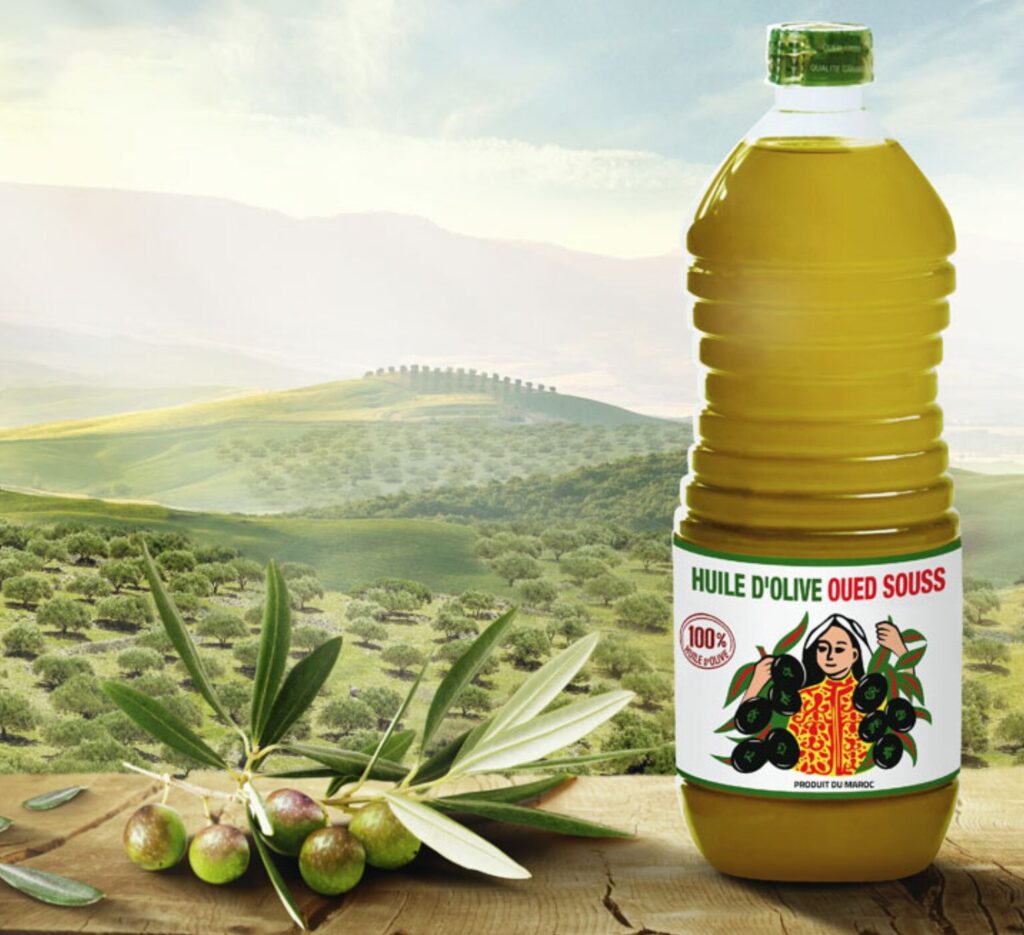
In this guide, we’ll take you on a flavorful journey across Morocco’s olive-growing regions, discover the best experiences for olive oil lovers, and share how this golden elixir shapes both daily life and local identity.
The Roots of Olive Oil in Morocco
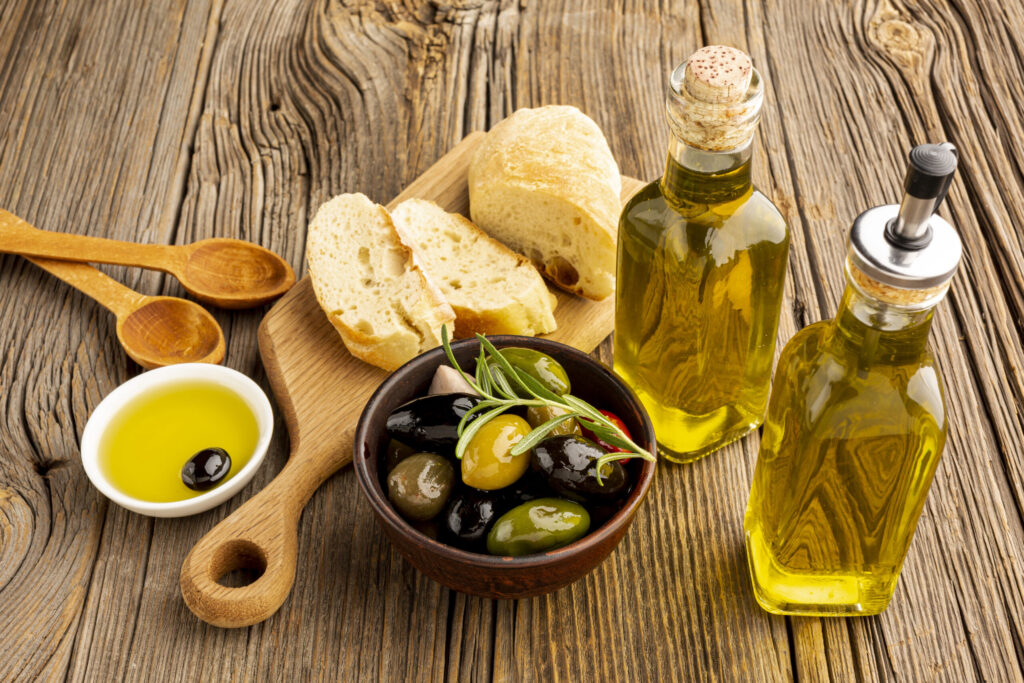
Morocco is one of the world’s top producers of olive oil, ranking alongside Mediterranean giants like Spain, Italy, and Greece. Olive trees thrive across the country’s varied terrain—from the Atlas Mountains to the Rif region—and have been cultivated here for centuries, dating back to Phoenician and Roman times.
Today, Morocco boasts over 1 million hectares of olive groves, with the main production hubs being Fès-Meknès, Taza, and Tadla-Azilal. Moroccan olive oil is known for its rich flavor, low acidity, and health benefits, thanks to traditional cold-pressing methods and organic farming practices.
-Learn more about the history of olive oil and its Mediterranean origins.
Where to Experience Morocco’s Olive Oil Culture
Whether you’re a foodie, culture-seeker, or simply curious, there are countless ways to explore the olive oil scene across Morocco.
1. Fès-Meknès: The Heart of Moroccan Olive Oil
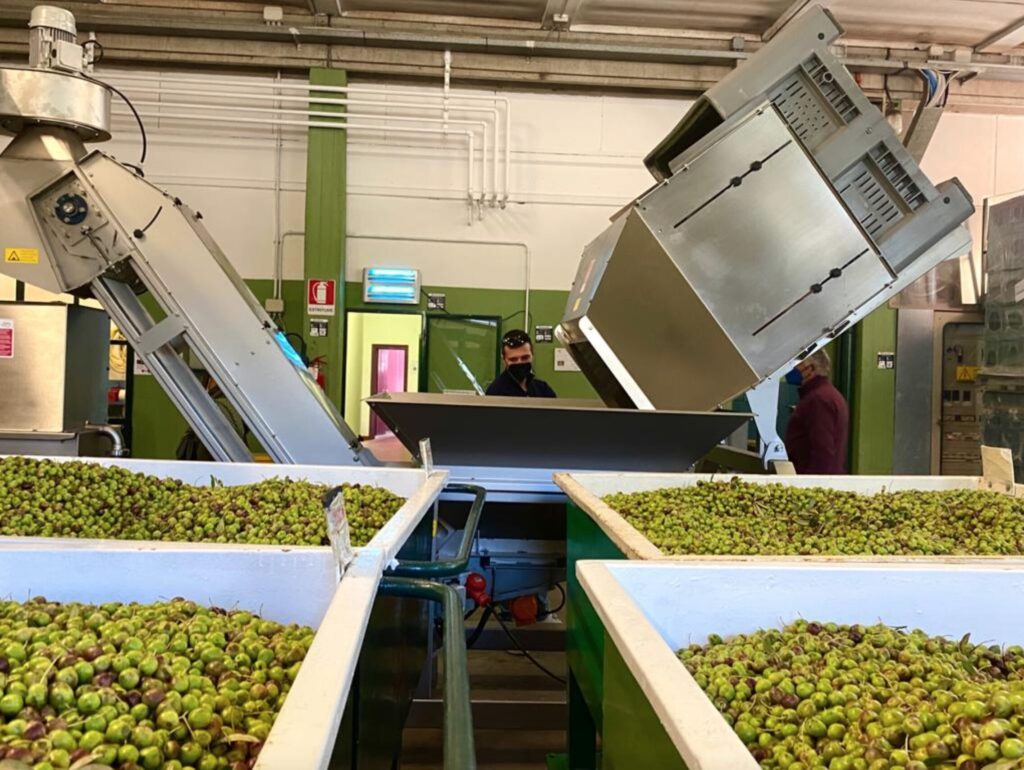
The Fès-Meknès region is often called the olive capital of Morocco. Visit in November or December to witness the olive harvest, when families gather in the groves, baskets in hand, to pick olives by hand—just as their ancestors did.
Don’t miss the medina of Fès, a UNESCO World Heritage Site, where olive oil vendors line the narrow alleys, offering tastings of oils, tapenades, and marinated olives.
Many local cooperatives offer guided tours, where you can:
- Watch olives being pressed using ancient stone mills.
- Sample different oil varieties.
- Learn about traditional preservation methods.
2. Olive Oil Tours in the Rif Mountains
The Rif region, particularly near Chefchaouen, is renowned for organic olive farming. Here, the landscape is dotted with ancient trees, and small-scale farmers often use eco-friendly techniques.
Several eco-lodges and agritourism experiences offer:
- Farm stays during harvest season.
- Olive-picking workshops.
- Cooking classes using freshly pressed oil.
3. Markets and Souks Across the Country
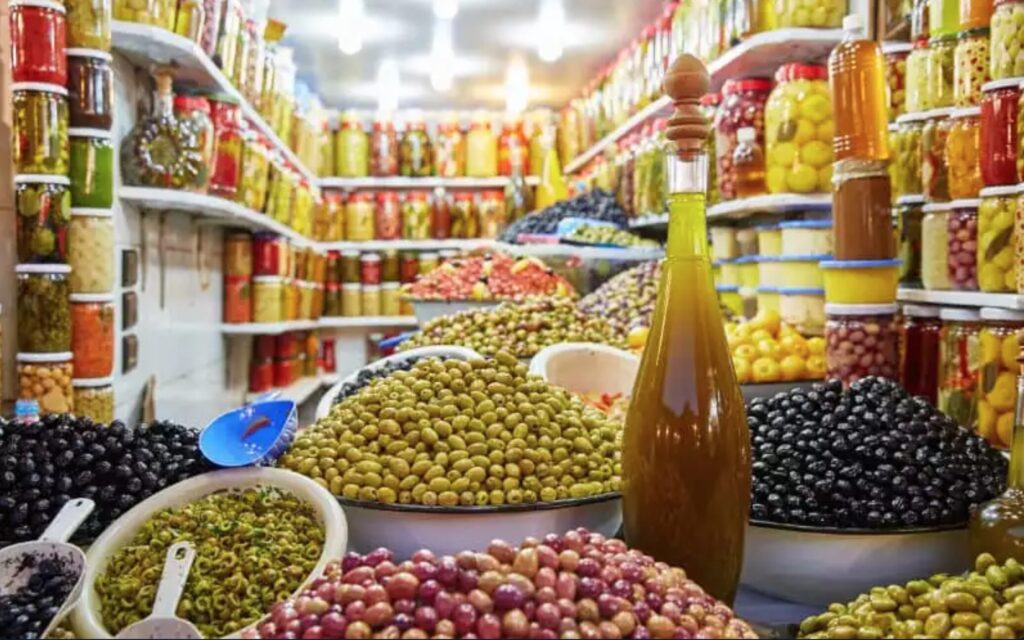
Even if you’re not visiting a farm, you’ll find Moroccan olive oil in every local market. Look for:
- Green or black olives cured with spices or citrus.
- Extra virgin oils in clay or glass bottles.
- Amlou, a rich dip made with almonds, honey, and olive oil.
Travel Tips & Cultural Insights
Understanding the cultural significance of olive oil in Morocco can enhance your visit and deepen your appreciation of this golden treasure.
Olive Oil in Moroccan Cuisine
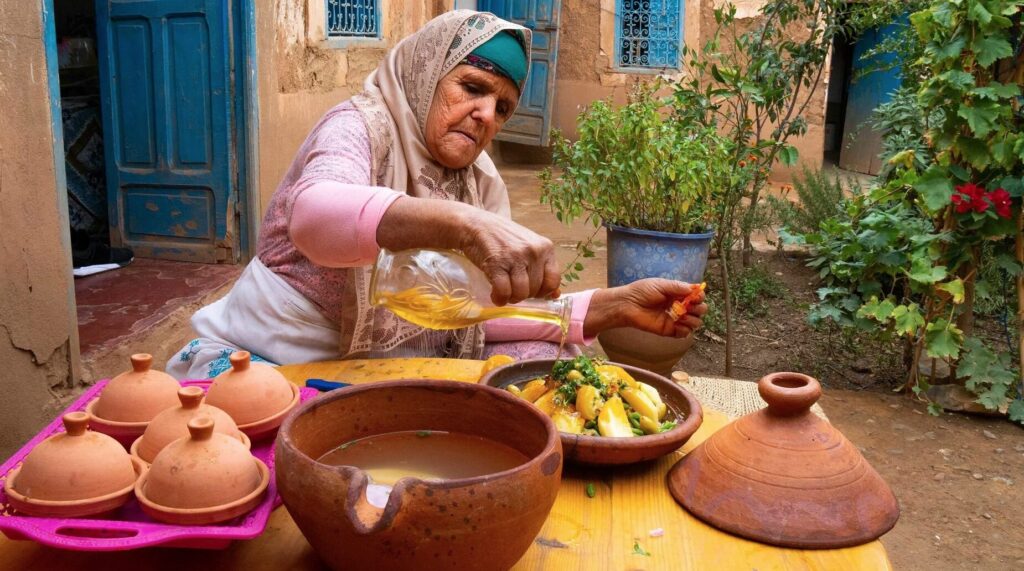
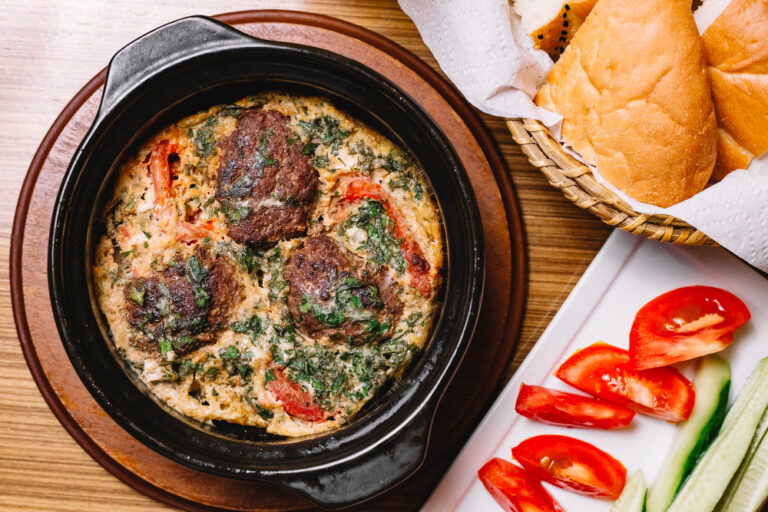
Olive oil is central to Moroccan food. It’s used:
- As a base for tagines and stews.
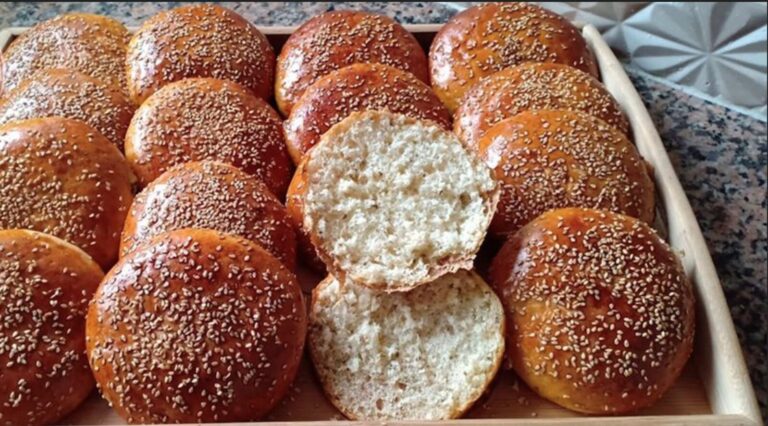
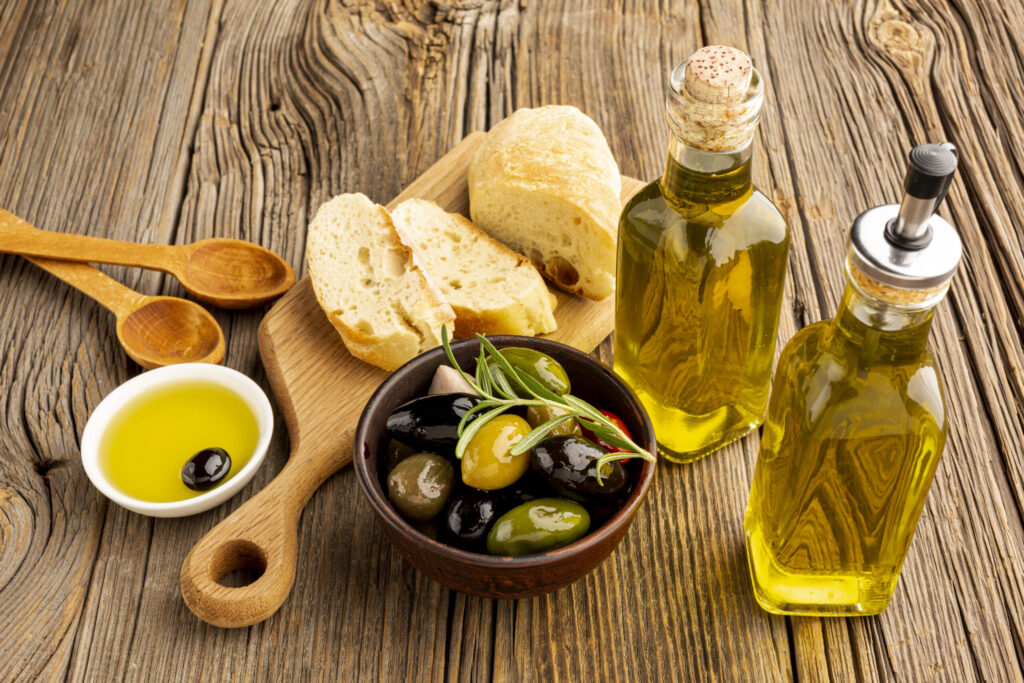
- As a dip for khobz (traditional bread).
- In salads, grilled vegetables, and even desserts.
When dining with locals, you’ll often find a small dish of olive oil on the table, served with bread as a welcoming gesture.
Shopping for Olive Oil
If you’re planning to bring olive oil home, consider:
- Buying from local cooperatives that support women and rural farmers.
- Choosing cold-pressed, extra virgin oil for quality and flavor.
- Packing it carefully (bubble wrap helps!) as part of your culinary souvenirs.
Olive Oil and Moroccan Wellness
Olive oil isn’t just for eating—it’s part of traditional Moroccan hammam rituals. It’s used in:
- Skin scrubs mixed with black soap.
- Hair masks.
- Natural moisturizers.
Some spas even offer treatments featuring olive oil-based products for a full sensory experience.
Stories from the Groves: Real Traveler Experiences
Isabella, a food blogger from Italy, described her olive farm stay in Meknès as “one of the most authentic and delicious experiences” of her Moroccan trip. “The owner showed us how to press the olives by hand. We tasted the oil with freshly baked bread and mint tea—it was perfect.”
Amine, a Moroccan-American visiting family in Taza, shared: “We helped my uncle with the olive harvest. It was tiring but beautiful. I never realized how much work goes into every bottle of olive oil in Morocco.”
Experiences like these are a powerful reminder that travel is not just about seeing places—it’s about tasting and participating in culture.
Planning Ahead: When and Where to Go for Olive Oil Lovers
Best Time to Visit for Olive Oil Experiences
The olive harvest season typically runs from mid-October to late December. This is the perfect time to:
- Join harvest festivals.
- Visit pressing mills in action.
- Taste fresh “new season” olive oil.
Spring (March–May) is also lovely, with green landscapes and good weather, though the oil-making season will have passed.
Where to Stay
- Eco-lodges in the Rif or Atlas foothills.
- Rural riads near Meknès and Fès.
- Farm stays that offer olive oil tastings and workshops.
Many accommodations now include olive oil as part of the culinary experience, whether through meals, cooking classes, or wellness treatments.
FAQ: Olive Oil in Morocco
Is Moroccan olive oil good quality?
Yes! Moroccan olive oil is highly regarded for its flavor, low acidity, and natural cultivation. Many regions follow organic practices, and the oils often win international awards.
Can I buy Moroccan olive oil in local markets?
Absolutely. Souks and shops across Morocco sell a variety of oils—from rustic, unfiltered types to high-end, bottled extra virgin oils.
Is olive oil used in Moroccan skincare?
Yes. Olive oil is a key ingredient in traditional Moroccan beauty routines, especially in hammams (public baths), where it’s used in skin and hair treatments.
What’s the best region to visit for olive oil experiences?
Fès-Meknès and the Rif Mountains are top destinations for olive oil production. These areas offer farm tours, tastings, and rich agricultural traditions.
Can tourists join the olive harvest in Morocco?
In some rural areas, yes! During the harvest season (Oct–Dec), certain cooperatives and eco-lodges welcome volunteers or offer olive-picking experiences.
Conclusion: Let Olive Oil Lead Your Moroccan Adventure
From the groves of Meknès to the souks of Fès, olive oil in Morocco offers a flavorful window into the country’s soul. It’s not just something you taste—it’s something you feel in the warmth of hospitality, the richness of cuisine, and the rhythm of rural life.
So, whether you’re a passionate foodie, a wellness seeker, or just curious about Moroccan traditions, let olive oil guide your journey. You’ll leave with more than just a bottle—you’ll take home stories, flavors, and memories.
– Ready to plan your Moroccan olive oil journey? Explore our other regional guides, book a farm tour, or dive deeper into Moroccan food culture with Skies of Morocco.