Morocco is a land where every dish tells a story, and every piece of pottery holds a memory. Among its many treasures, the soupiere maroc (Moroccan soup tureen) stands as a symbol of warmth, generosity, and artistry. Whether in the bustling medinas of Fez or the serene villages of the Atlas Mountains, this beautifully crafted vessel represents both culinary tradition and artistic expression.
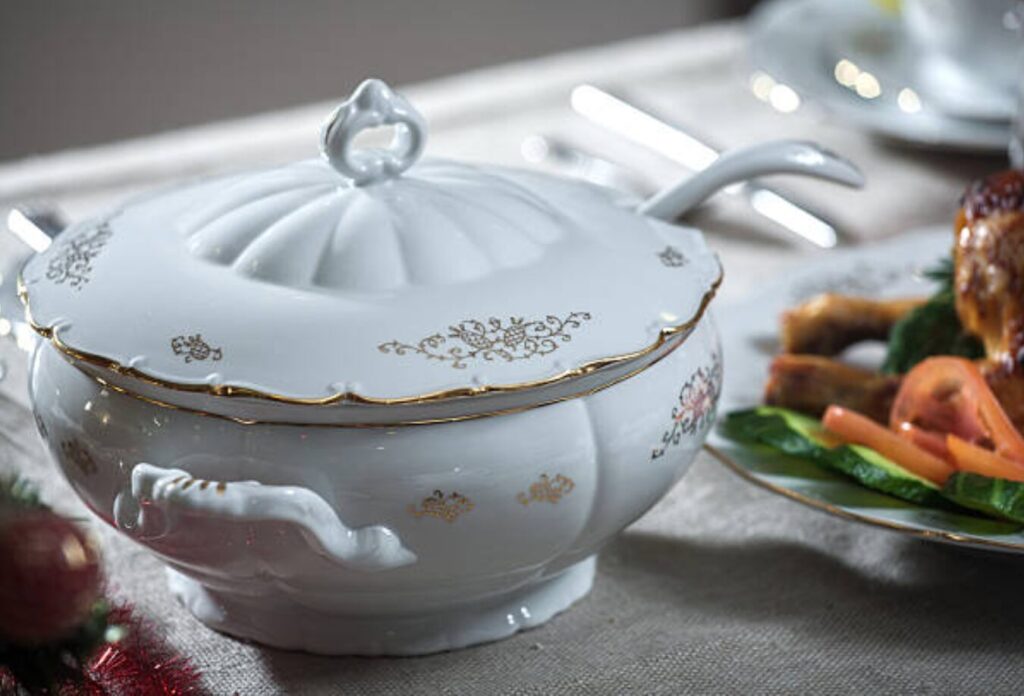
In this article, we’ll explore the origins, cultural significance, and modern charm of the soupiere maroc, guiding you through the rich flavors, colors, and experiences that make Moroccan dining unforgettable.
The Soupiere Maroc: More Than a Serving Dish
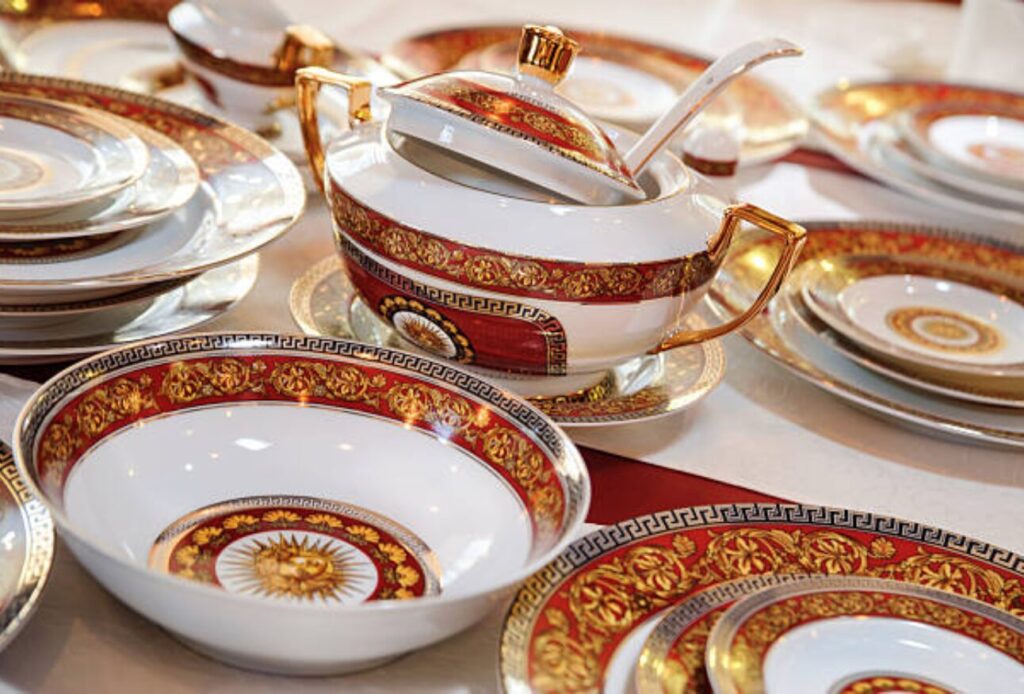
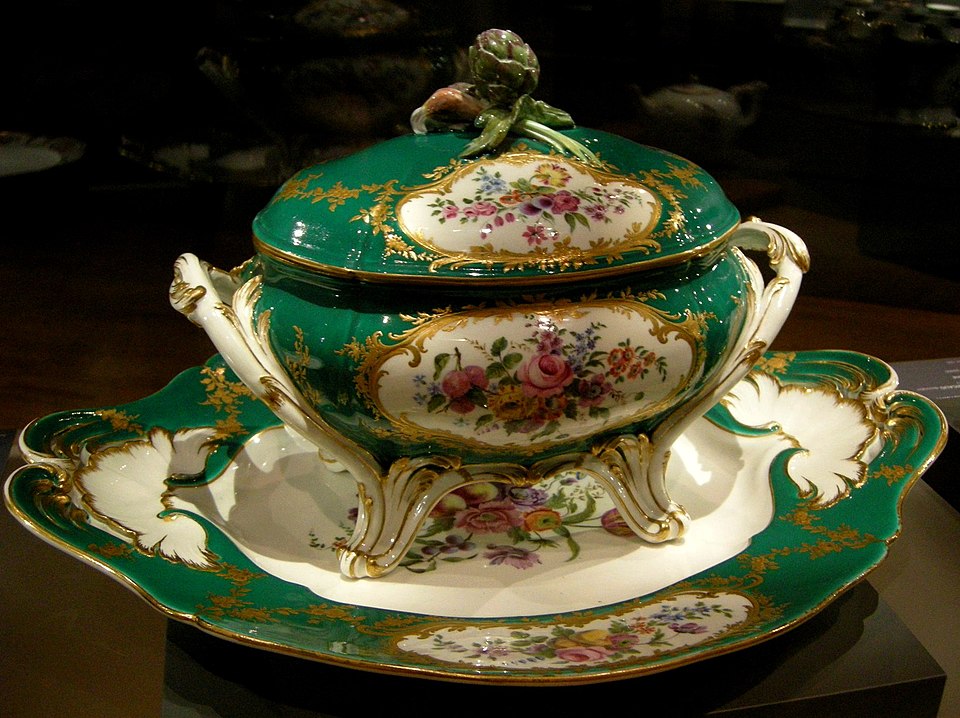
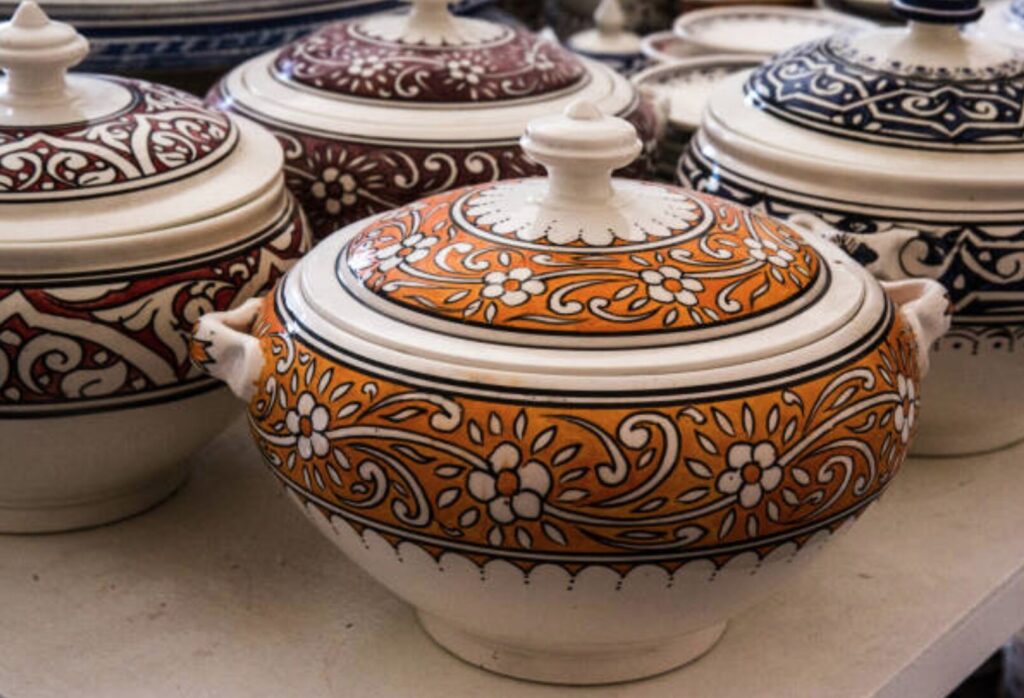
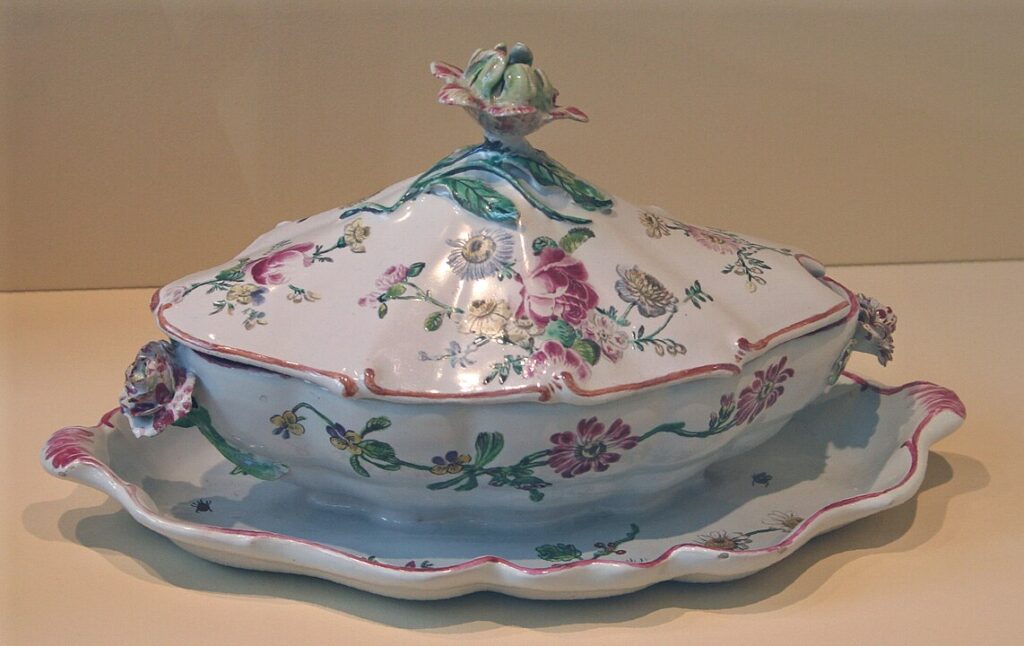
To understand Morocco’s essence, you must first understand its cuisine — and at the heart of that cuisine lies presentation. The soupiere maroc isn’t just a container for soup; it’s an extension of Moroccan hospitality. Traditionally made of ceramic or clay and often adorned with hand-painted geometric or floral motifs, it mirrors the country’s artistic diversity.
From the blue-and-white designs of Chefchaouen to the vibrant reds and greens of Marrakesh, each region adds its unique identity to the tureen’s design. Often paired with matching plates and serving spoons, the soupiere maroc transforms a simple meal into an experience filled with elegance and authenticity.
A Legacy of Craftsmanship
Morocco’s artisans have perfected the art of pottery over centuries. In workshops from Fez to Safi, local craftsmen use ancestral techniques to mold and glaze these culinary treasures. The result is not merely functional—it’s a work of art that bridges past and present.
Every brushstroke on a soupiere maroc reflects cultural heritage, faith, and nature. The motifs often symbolize blessings, harmony, and prosperity—values deeply rooted in Moroccan life.
Where to Find the Best Soupiere Maroc
Fez: The Capital of Traditional Pottery
Known as Morocco’s spiritual and artistic heart, Fez remains a hub for authentic ceramics. The Fassi craftsmen continue to produce soupières with their signature cobalt-blue patterns, fired in traditional kilns that have been used for generations. A visit to the pottery cooperatives near Bab Ftouh is a must for anyone interested in witnessing this art form come alive.
Safi: Morocco’s Ceramics City
Overlooking the Atlantic Ocean, Safi is another center of Moroccan pottery. Here, the soupiere maroc takes on a slightly different style—earthier tones, intricate arabesques, and subtle glazes. The coastal influence adds a rustic charm, making each piece unique and perfect for travelers seeking something authentic yet practical.
Marrakesh: Souks of Color and Creativity
In the vibrant souks of Marrakesh, artisans blend tradition with modern design. You’ll find soupières featuring bold contemporary motifs, metallic finishes, or even hand-carved lids. It’s the perfect place to find a piece that merges heritage with today’s artistic trends.
Cultural Insights: What the Soupiere Maroc Symbolizes
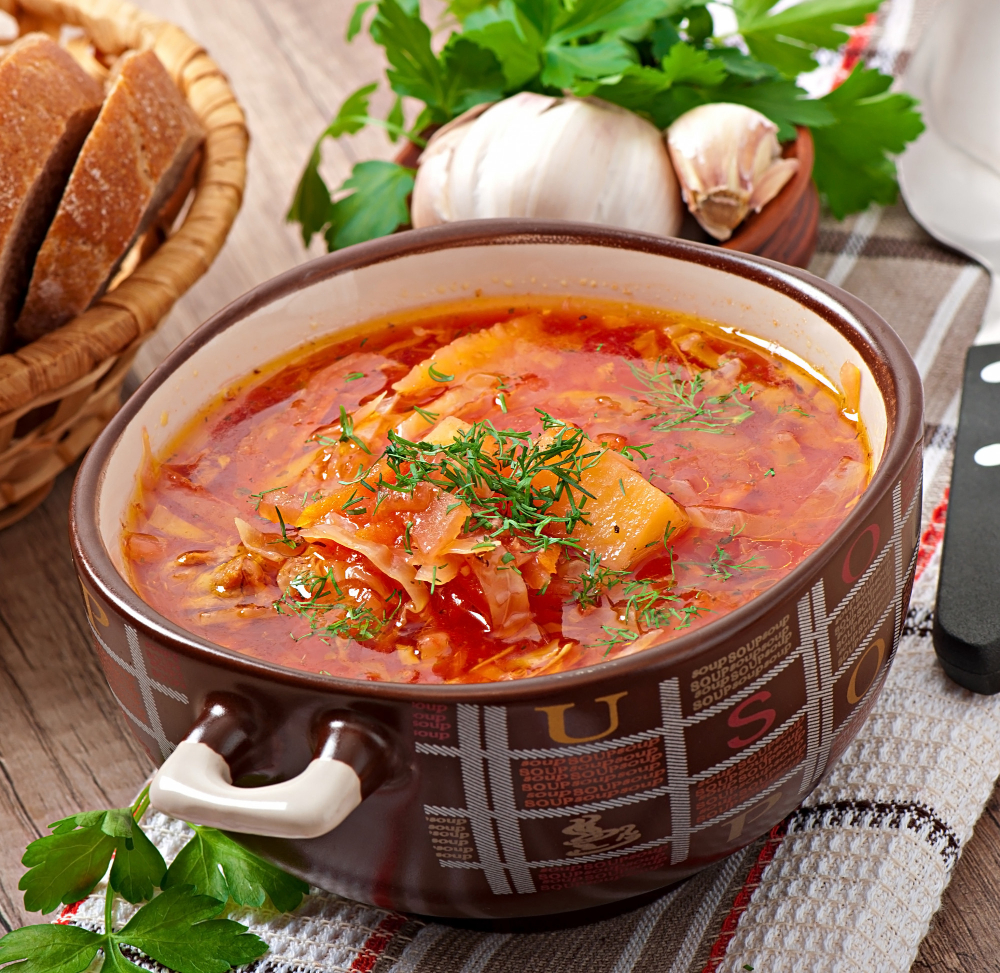
In Moroccan households, food is an expression of love, and serving it in a beautiful vessel honors the guest. The soupiere maroc often appears during family gatherings, Ramadan iftars, and festive occasions like weddings. It symbolizes abundance, hospitality, and togetherness—values that define Moroccan culture.
Moroccans believe that the meal begins with the eyes. The beauty of the serving ware enhances not only the flavor but the entire dining experience. The soupiere maroc, therefore, becomes both a practical item and a cultural emblem passed down through generations.
Traveler Story: A Souvenir from Fez
One traveler, Emily from France, recalls her journey to Fez:
“I wandered into a tiny pottery workshop near the old medina. The craftsman, covered in clay dust, showed me how he shaped and painted the soupiere maroc. I bought one with a turquoise glaze—it wasn’t perfect, but it carried the heart of Morocco. Every time I serve soup at home, I’m reminded of that warm afternoon, the scent of mint tea, and the laughter echoing through the narrow streets.”
Such encounters remind us that travel is about connection—not only with people but with the soul of a place and its traditions.
When to Buy and How to Care for a Soupiere Maroc
Best Seasons to Visit Morocco’s Pottery Markets
The best time to explore Moroccan markets and pottery villages is during spring (March–May) or autumn (September–November). The weather is mild, artisans are active, and souks are filled with colorful crafts.
Tips for Buying Authentic Pieces
- Check the glaze: Authentic Moroccan ceramics have a slightly uneven glaze—a sign of handwork, not factory production.
- Ask about the origin: Each region has a unique signature style; knowing it ensures you’re buying genuine craftsmanship.
- Support local artisans: Buying directly from workshops ensures fair payment and helps preserve traditional crafts.
Caring for Your Soupiere Maroc
- Wash it gently by hand with mild soap.
- Avoid extreme temperature changes (e.g., from fridge to oven).
- Display it proudly—it’s more than a kitchen tool; it’s art.
Soupiere Maroc in Modern Homes
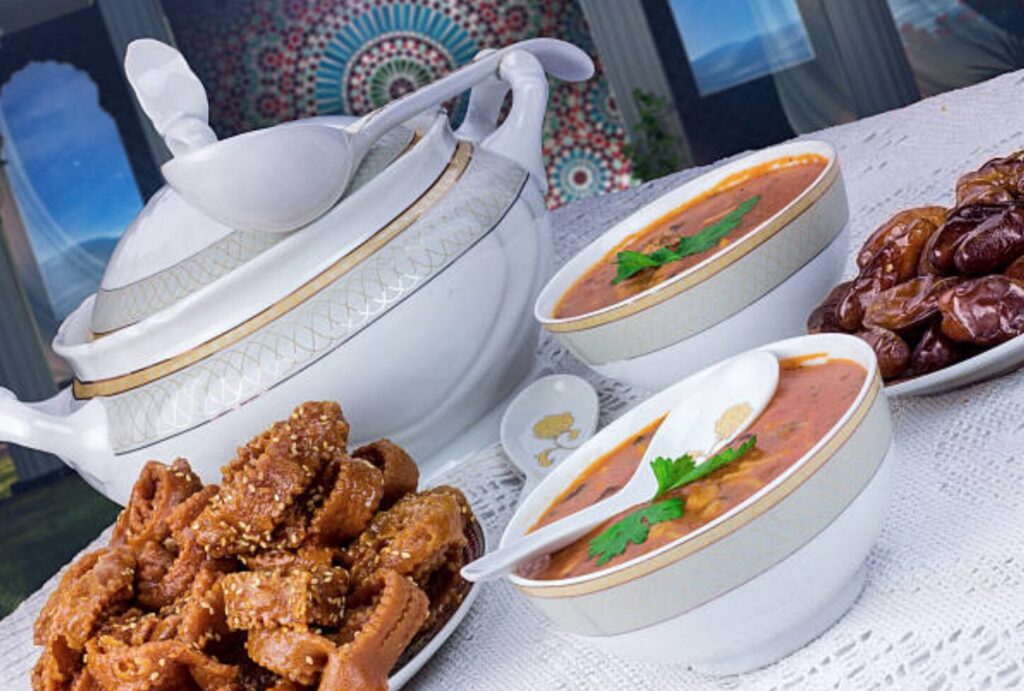
While the soupiere maroc has ancient roots, it fits beautifully into modern kitchens and dining spaces. Many travelers now use it as a decorative centerpiece—a reminder of Morocco’s artistry. Some use it to serve couscous, harira, or even Western-style soups, blending cultures at the dinner table.
Designers and collectors alike are rediscovering its timeless beauty, combining Moroccan ceramics with minimalist interiors. The result? A warm, exotic touch that brings Moroccan soul into contemporary living.
FAQs About the Soupiere Maroc
1. What is a soupiere maroc used for?
It’s a Moroccan soup tureen, traditionally used to serve dishes like harira (a tomato and lentil soup) during family meals and festive occasions.
2. Where can I buy an authentic soupiere maroc?
You can find them in Morocco’s pottery cities such as Fez, Safi, and Marrakesh. Many local cooperatives and artisans also sell them at medinas or online through fair-trade stores.
3. How much does a soupiere maroc cost?
Prices range from $25 to $150, depending on the size, material, and level of craftsmanship. Hand-painted or antique pieces may cost more.
4. Is it safe to use for cooking?
Yes, most are glazed with food-safe materials. However, they are primarily designed for serving, not direct stovetop use.
5. Can I ship a soupiere maroc home safely?
Absolutely! Most pottery shops offer secure packaging and international shipping. If you’re traveling, ask the artisan to wrap it in straw and cloth for extra protection.
Conclusion: Take a Piece of Morocco Home
The soupiere maroc is more than just a culinary vessel—it’s a story molded in clay, painted with passion, and served with love. To own one is to hold a piece of Morocco’s timeless artistry and generosity.
So, next time you wander through a Moroccan souk, pause by the pottery stalls. Touch the smooth glaze, admire the intricate designs, and let your heart choose the one that speaks to you. Because when you bring a soupiere maroc home, you’re not just bringing back a souvenir—you’re bringing back a memory of Morocco’s soul.
Plan your next journey with Skies of Morocco and explore the art, culture, and flavors that make this country a traveler’s dream.