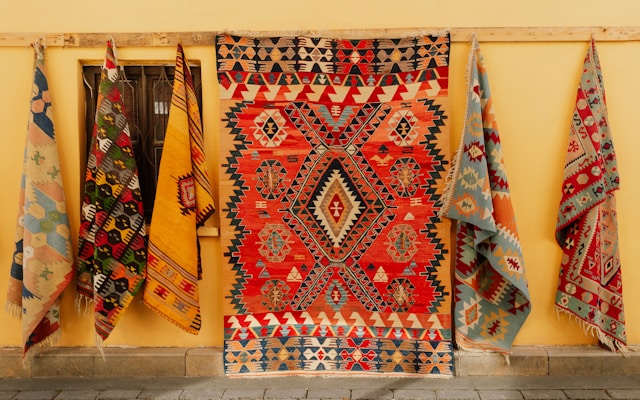
Few symbols capture Morocco’s cultural essence like the tapis marocain, or Moroccan carpet. More than just a home accessory, it’s a living piece of art—woven by skilled hands that carry centuries of tradition. Each pattern, knot, and color tells a story passed down through generations. For travelers exploring Morocco’s medinas, mountain villages, or desert souks, discovering these carpets is an experience that connects art, culture, and human history.

The Origins and Meaning of the Tapis Marocain

The tapis marocain has deep roots in Berber culture. For centuries, Amazigh women from the Atlas Mountains have woven carpets as part of their daily life. Originally made for warmth and comfort, these rugs soon became a form of expression—each symbol carrying hidden meanings about love, fertility, nature, and spirituality.
Morocco’s carpets differ from region to region:
- Beni Ourain carpets from the Middle Atlas are known for their soft wool and minimalist black-and-white patterns.
- Azilal rugs feature bold, colorful geometric designs.
- Taznakht carpets from the High Atlas use vegetable dyes and golden tones, making them a favorite among collectors.
You can learn more about Amazigh culture on Wikipedia.
The process of weaving a single tapis marocain can take weeks—or even months. Every rug is unique, a true reflection of its maker’s creativity and the local landscape.
Where to Find the Best Moroccan Carpets

In the Medinas
The most popular places to buy a tapis marocain are the souks (markets) of major cities like Marrakech, Fes, and Chefchaouen. Walking through these labyrinths of color and scent, you’ll find workshops filled with looms and weavers. The famous Souk des Tapis in Marrakech’s medina is a must-visit for travelers.
Learn more about Marrakech’s medina on Wikipedia.
In the Mountains
For an authentic experience, visit the Atlas Mountains, where the carpets are made. Villages like Aït Bouguemez or Taznakht offer a chance to meet the artisans directly. Watching a Berber woman weave her family’s story into wool is an unforgettable sight.
In the Desert
In southern Morocco, near Zagora and Erfoud, carpets often feature desert motifs and earthy colors inspired by dunes and sunsets.
The Experience: Buying a Tapis Marocain

Negotiation Is an Art
In Morocco, bargaining is part of the culture. Don’t be afraid to negotiate—but always with respect and a smile. Shopkeepers expect it, and it’s a fun way to connect with locals.
Look for Authentic Craftsmanship
A true tapis marocain is handmade from natural materials like wool or cotton. You can recognize authenticity by:
- Irregularities – Slight imperfections are a good sign of handwork.
- Backside texture – The reverse of the rug should show the same pattern.
- Smell – Natural wool has a distinct earthy scent.
Pro Tip
If you’re buying a rug to take home, ask the seller for a certificate of authenticity and help with international shipping.
Stories Woven in Wool: Traveler Tales
Many travelers describe buying their first Moroccan carpet as one of their favorite memories.
“In Fes, I spent an afternoon in a tiny shop, sipping mint tea while the merchant unrolled rug after rug. Each one had a story—‘This one was made by a woman in Taznakht for her wedding,’ he said. I left with a small blue carpet and a big smile.”
Every tapis marocain holds a memory, a human connection that lasts long after the trip ends.
When and Where to Go: Seasonal Tips

- Best time to visit: Spring (March–May) and Fall (September–November) offer pleasant weather for exploring markets.
- Winter: Great for visiting the Atlas Mountains—carpets are at their coziest!
- Summer: Head north to Chefchaouen or Tetouan for cooler air and artisan markets.
If you’re attending cultural events, look out for artisan fairs like the Salon National de l’Artisanat in Marrakech, where weavers showcase their finest tapis marocains.
FAQ: The Art and Soul of the Tapis Marocain
What makes Moroccan carpets unique?
Each tapis marocain is handmade, symbolizing the weaver’s identity and regional style. They combine beauty, history, and storytelling in every thread.
How can I use a Moroccan carpet at home?
They fit any interior—from bohemian to modern. Use one as a centerpiece, wall decoration, or cozy floor accent.
How do I clean and care for it?
Vacuum gently and avoid direct sunlight. For deep cleaning, use professionals who specialize in handwoven rugs.
How much does a tapis marocain cost?
Prices range from $50 for small rugs to several thousand for antique or large pieces, depending on materials and craftsmanship.
Can I bring a Moroccan carpet home easily?
Yes! Most shops offer worldwide shipping or vacuum-sealed packaging for easy transport.
Conclusion: A Living Tradition
Owning a tapis marocain is like carrying a piece of Morocco home. It’s not just décor—it’s heritage, patience, and emotion woven into wool. Whether you find yours in a bustling medina or a quiet mountain village, it will remind you of Morocco’s timeless rhythm, warmth, and artistry.
Ready to explore more?
Plan your trip, discover the artisans behind these masterpieces, and bring home a story you can walk on.