There are few sounds as unmistakably Moroccan as the rhythmic pulse of the Bendir. Whether echoing through the narrow alleys of Fez during a Sufi ceremony or beating in harmony with Gnawa chants in Marrakech, the Bendir is more than an instrument—it is the beating heart of Moroccan music.
In this article, we journey into the world of the Bendir: its history, cultural importance, and the magical way it unites people through rhythm. You’ll discover why this humble frame drum remains a symbol of Moroccan identity, connecting generations, regions, and spiritual traditions.
1. What Is the Bendir? A Symbol of Moroccan Rhythm
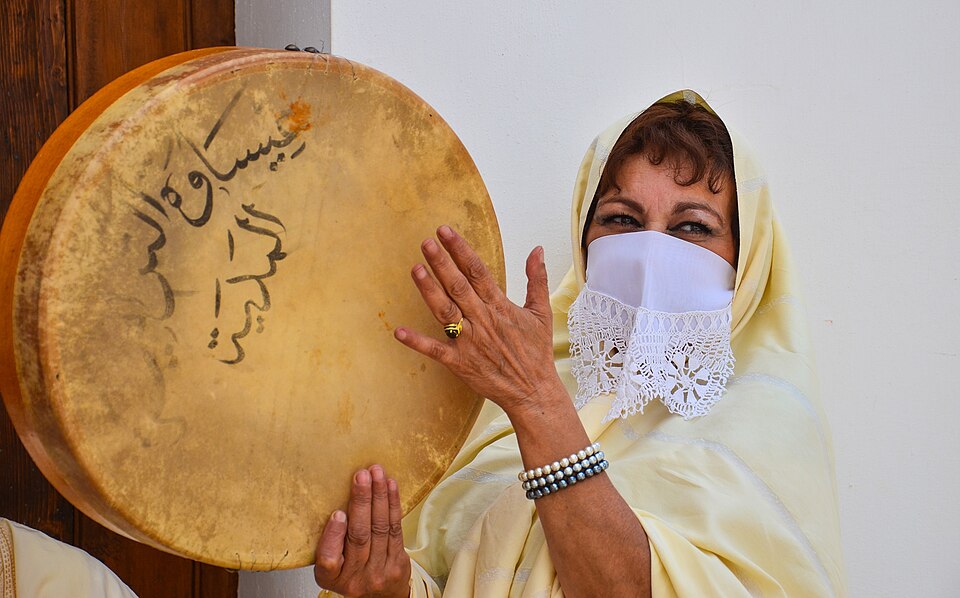
At first glance, the Bendir looks simple—a wooden frame, often circular, covered with goatskin and fitted with snare strings on the inside. Yet, in its simplicity lies centuries of musical heritage.
Used throughout North Africa, the Bendir has deep roots in Berber, Arab, and Andalusian traditions. It produces a warm, earthy tone that mirrors the heartbeat—a perfect metaphor for its role in Moroccan life.
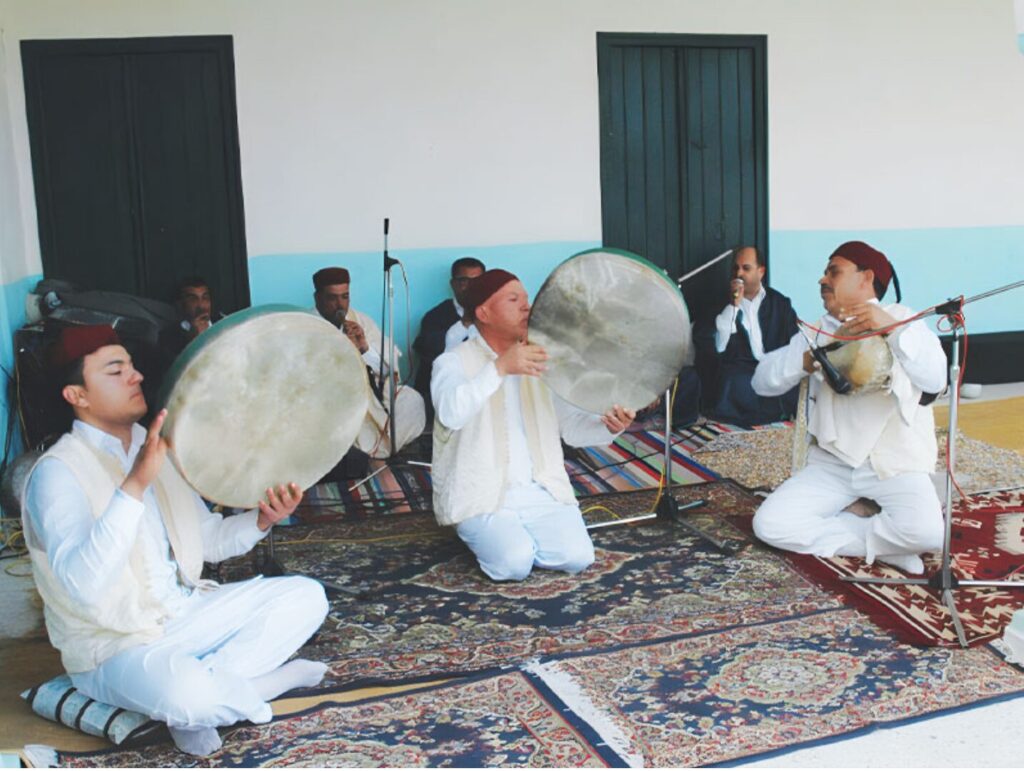
You’ll find the Bendir in religious ceremonies, weddings, and folk performances. It accompanies chants, prayers, and dances, giving rhythm to stories passed down through generations. In Sufi gatherings, for instance, the repetitive drumming of the Bendir is said to elevate the soul closer to spiritual ecstasy.
To learn more about Moroccan music and traditions, you can explore Moroccan culture on Wikipedia or the historical city of Fez, one of the spiritual centers where the Bendir still thrives.
2. The Origins and Evolution of the Bendir
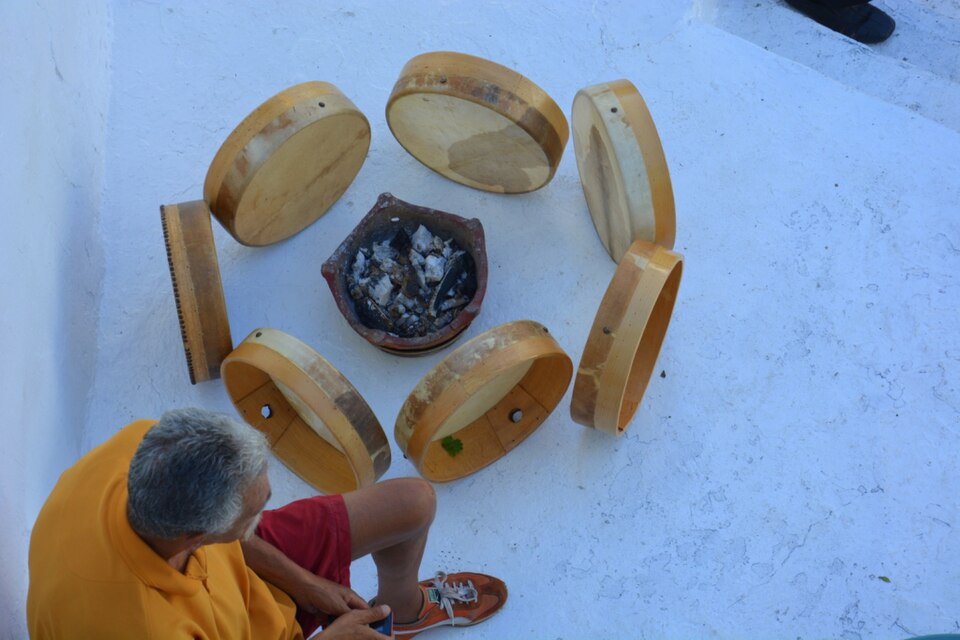
The story of the Bendir stretches back thousands of years. Archaeologists have found depictions of frame drums in ancient Berber art and carvings, linking the instrument to early African rituals. Later, as Islamic culture spread, the Bendir became a staple in Sufi brotherhoods, used to accompany dhikr—the rhythmic chanting of God’s names.
Over time, Moroccan artisans perfected the Bendir’s design. Traditionally, it’s made from cedar wood or olive wood, shaped into a thin circular frame. The skin is stretched tightly across the top, and strings are placed on the underside to create its signature buzzing sound.
Each region gives the Bendir a slightly different character:
- In the Atlas Mountains, it’s often larger and deeper, played during Amazigh (Berber) dances.
- In Marrakech or Essaouira, it might accompany Gnawa musicians, merging African and Arabic rhythms.
- In Fez, it’s played softly in religious settings, blending seamlessly with chanting voices.
3. Experiencing the Bendir: Where Music Meets Spirit

To truly experience the Bendir, you must feel it—not just hear it.
Visit Chefchaouen on a quiet evening, and you might hear a local ensemble performing traditional aita music. The Bendir’s steady beat forms the foundation, while other instruments like the oud and qraqeb weave around it.
In Marrakech, you can witness Bendir performances during cultural festivals or even in Jemaa el-Fnaa, where street musicians fill the air with hypnotic rhythms. Many Gnawa groups use the Bendir to maintain tempo as they play iron castanets and sing spiritual songs rooted in African mysticism.
During Sufi nights in Fez or Tamegroute, the Bendir takes on a transcendent role. Its repetitive, meditative sound helps participants enter states of deep spiritual reflection. These moments reveal the instrument’s true power—it doesn’t just create music; it connects the physical and the divine.
4. The Bendir in Modern Moroccan Life
While it’s ancient in origin, the Bendir continues to thrive in modern Morocco. Contemporary musicians blend its rhythms with jazz, electronic, and fusion genres, introducing it to global audiences.
Artists like Gnawa Diffusion and Aïcha Redouane have incorporated the Bendir into innovative sounds that still honor its cultural roots. In Moroccan weddings, the instrument remains a must-have, played joyfully as families dance and celebrate union.
If you visit a Moroccan souq, don’t be surprised to find Bendirs displayed among handmade ceramics and carpets. Each one is a work of art—handcrafted, painted, and tuned to perfection. Buying one supports local artisans who preserve this centuries-old craft.
5. Cultural Insights: Learning to Play the Bendir
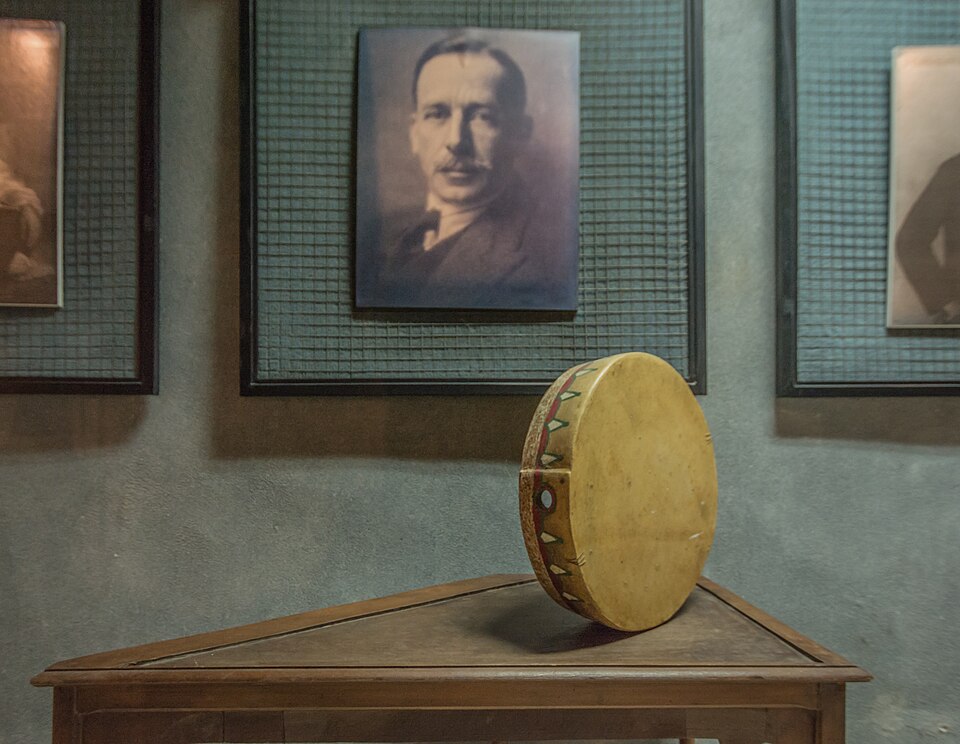
For travelers fascinated by music, learning to play the Bendir offers a unique way to connect with Moroccan culture. Workshops in Marrakech, Fez, and Essaouira teach visitors how to hold the drum, control the tone, and create rhythms used in folk and religious music.
The technique is simple yet profound. The player strikes the drum with fingers and palms, alternating between deep and sharp tones. The inner snares add vibration, creating that familiar “buzzing” resonance unique to the Bendir.
Many Moroccans say learning the Bendir isn’t just about rhythm—it’s about patience, harmony, and listening. It mirrors life in Morocco: balanced between calm and energy, tradition and modernity.
6. The Future of the Bendir: Tradition in Motion
As Morocco evolves, the Bendir remains an enduring cultural bridge. From music festivals like the Fez Festival of World Sacred Music to YouTube performances, this ancient drum continues to inspire new generations.
Its adaptability ensures it will never fade away. Whether in a traditional courtyard or a global concert hall, the Bendir’s beat still echoes the Moroccan soul—a living rhythm of unity, history, and heart.
FAQ – Everything You Need to Know About the Bendir
What is a Bendir made of?
The Bendir is usually made from a wooden frame (often cedar or olive wood) covered with animal skin, most commonly goatskin. Some versions include strings or snares underneath to create a buzzing sound.
Where can I buy a Bendir in Morocco?
You can find beautifully crafted Bendirs in local souqs, especially in cities like Marrakech, Fez, and Essaouira. Many artisans handcraft each piece, and prices vary depending on size and decoration.
What is the difference between a Bendir and a Tar drum?
While both are frame drums, the Bendir often includes snares, giving it a vibrating sound, whereas the Tar has a cleaner tone. The Bendir is more common in North Africa, especially in Morocco.
Is the Bendir used only in religious music?
No. Although it plays a key role in Sufi rituals, it’s also used in folk dances, weddings, and modern musical fusions. Its versatility makes it central to Moroccan cultural expression.
Can tourists learn to play the Bendir?
Absolutely! Many Moroccan cultural centers and music schools offer short workshops for beginners, allowing you to learn basic rhythms and techniques while experiencing the joy of Moroccan music firsthand.
Conclusion: Follow the Rhythm of Morocco
The Bendir is far more than a musical instrument—it’s a symbol of Moroccan spirit and resilience. Every beat tells a story of connection: between people, between generations, and between earth and sky.
Whether you hear it in a bustling souq or during a quiet night in Fez, the Bendir invites you to pause, listen, and feel the pulse of Morocco itself.
So next time you find yourself wandering through this captivating country, let your heart follow the rhythm—the Bendir, the beating heart of Moroccan music.