In every Moroccan kitchen, there’s one pot that holds the spirit of the home—the couscoussier. More than just a cooking utensil, it’s a symbol of togetherness, patience, and hospitality. From grand Friday family lunches to festive celebrations, the couscoussier brings people together around Morocco’s most iconic dish: couscous.
For travelers exploring Morocco’s bustling souks or intimate village kitchens, learning about the couscoussier offers a window into centuries-old culinary traditions. It’s a journey through flavor, craftsmanship, and the art of slow cooking.
What Is a Couscoussier?
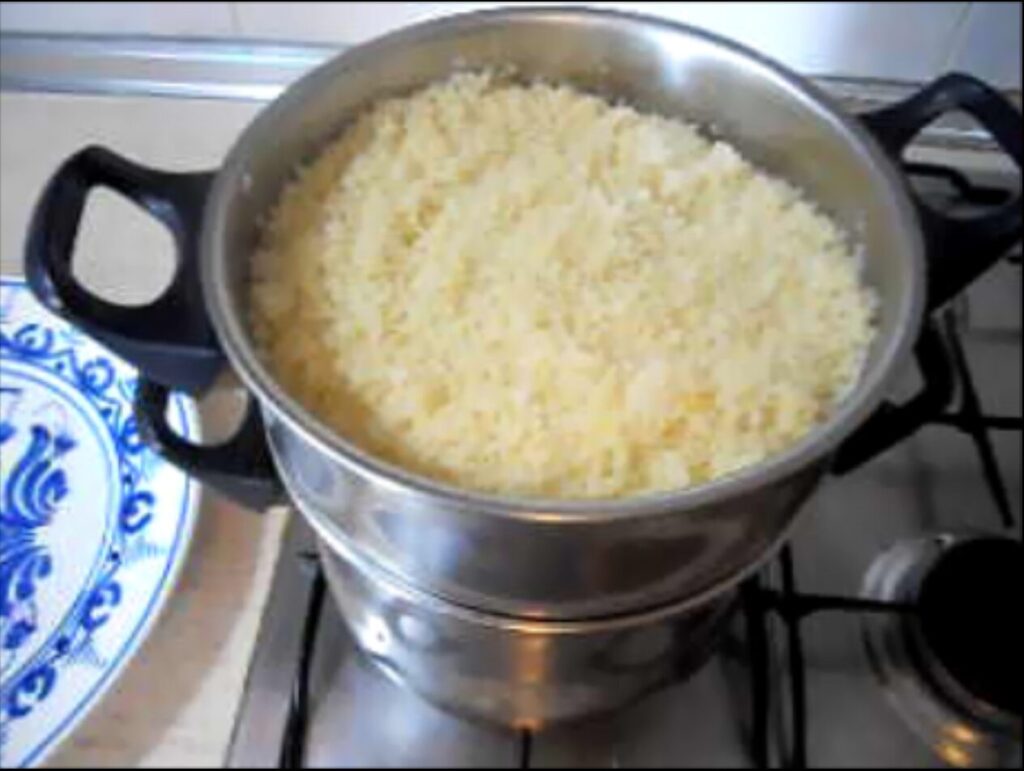
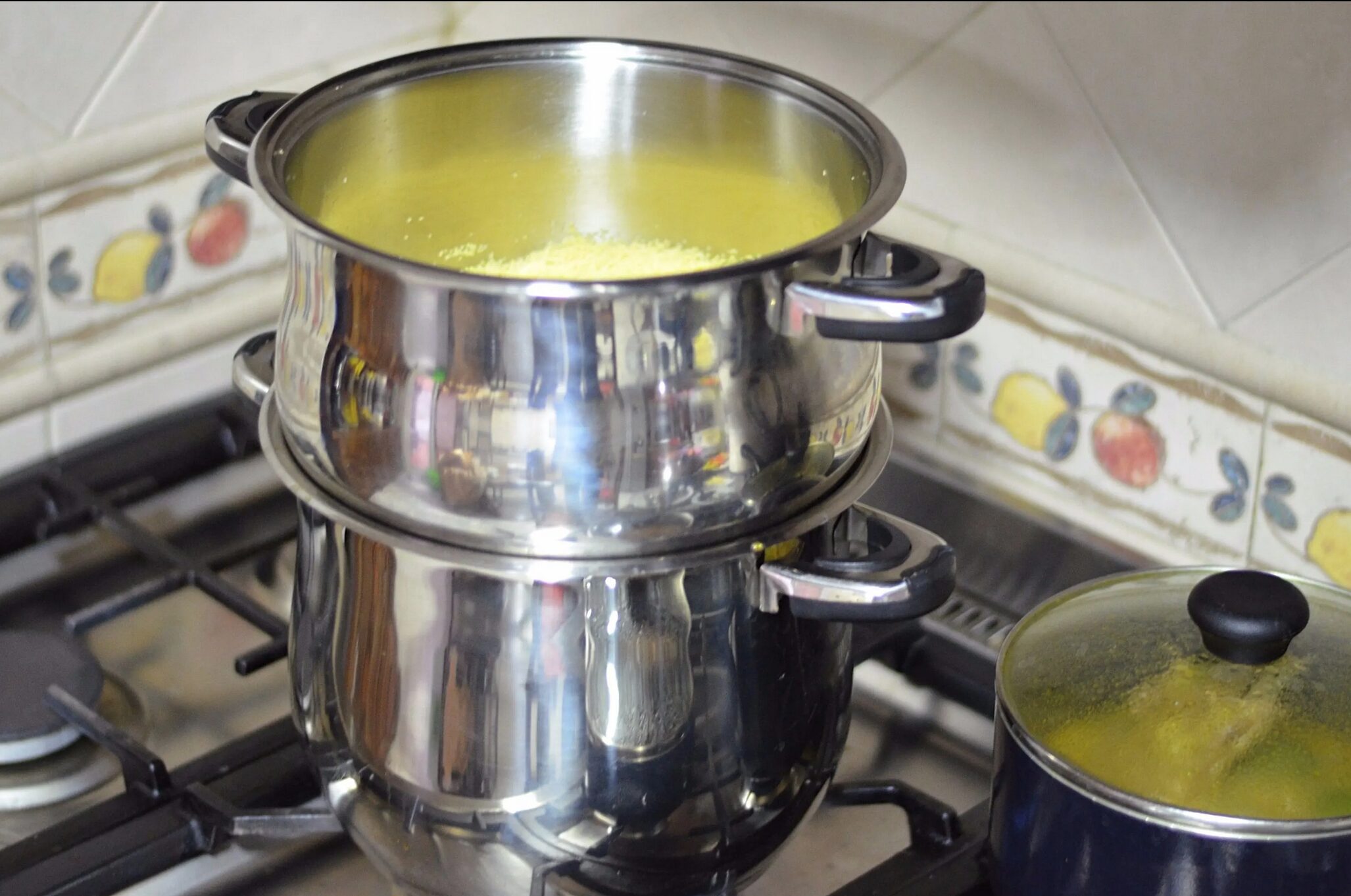
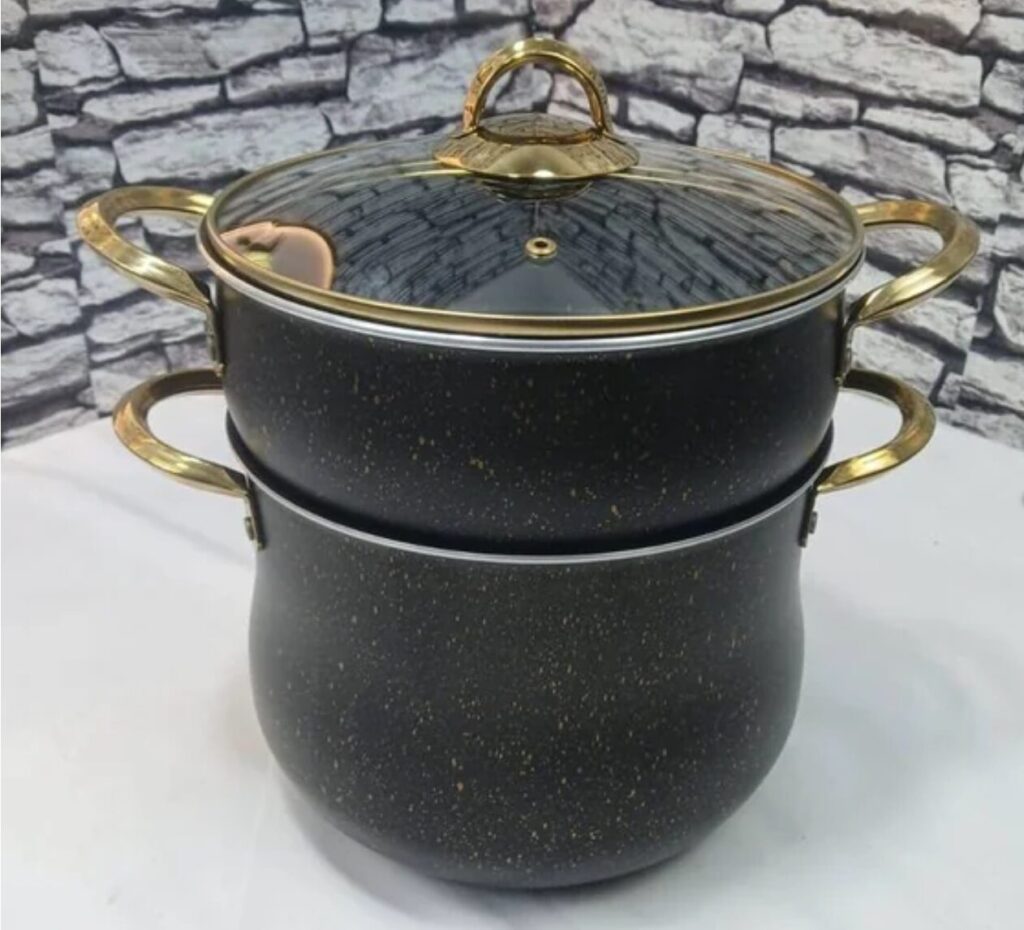
The couscoussier is a two-tiered cooking pot traditionally made from aluminum, copper, or clay. The bottom pot holds a fragrant stew—usually made with lamb, chicken, or vegetables—while the upper pot, perforated with tiny holes, holds the couscous grains.
As the stew simmers, steam rises through the holes, gently cooking the couscous above. This slow steaming process gives Moroccan couscous its signature light and fluffy texture—something impossible to achieve with boiling water alone.
This ingenious tool represents centuries of innovation rooted in Morocco’s diverse heritage, influenced by Berber, Arab, and Andalusian cultures.
Learn more about Moroccan cuisine on Wikipedia.
The Couscoussier in Moroccan Homes
Every Moroccan household owns a couscoussier—sometimes passed down through generations. It’s more than cookware; it’s part of family history. Grandmothers teach daughters and granddaughters how to use it, timing each step perfectly: steaming, fluffing, and seasoning until the couscous becomes cloud-soft and aromatic.
In traditional Moroccan homes, Friday is Couscous Day—a sacred family ritual. As the adhan (call to prayer) fades from the mosque, families gather around a large communal dish, and the couscoussier sits proudly in the kitchen, still warm from the morning’s work.
Where to Experience the Couscoussier Tradition
Marrakech: The City of Culinary Soul
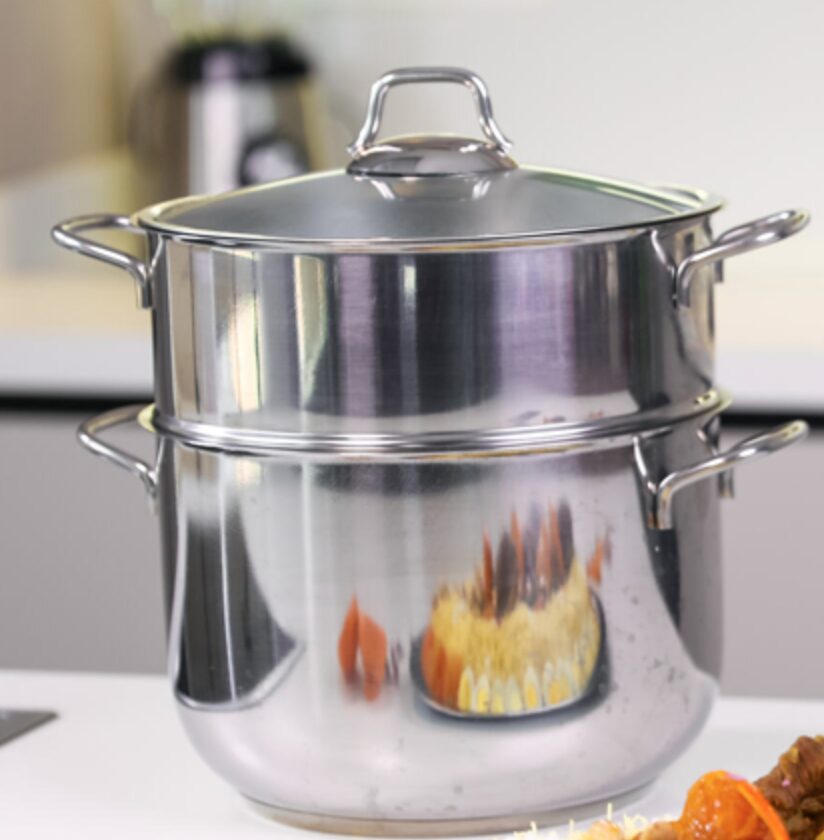
In Marrakech, the couscoussier plays a starring role in both street food stalls and luxurious riad kitchens. Visit the Jemaa el-Fna square, where aromas of spiced steam rise into the night sky. You’ll find artisans selling handmade couscoussiers made of polished copper—each one a piece of art.
Learn more about Marrakech, Morocco’s red city and culinary capital.
Atlas Mountains: Authentic Berber Flavors
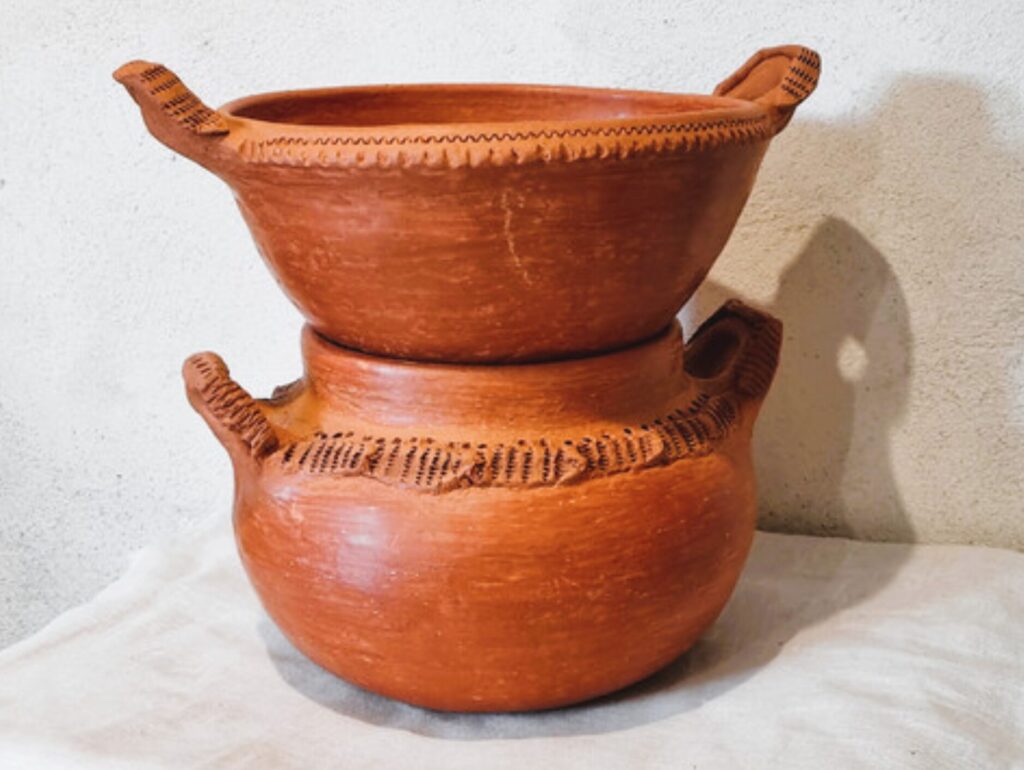
In the Atlas Mountains, you can visit local Amazigh families who still cook couscous the traditional way, over clay stoves and wood fire. Travelers are often invited to help prepare the meal—rolling the semolina grains by hand and steaming them in a vintage clay couscoussier. Essaouira & Fez: Craftsmanship and Culture
In Essaouira, you can find beautifully crafted couscoussiers made by local metalworkers, blending artistry with practicality. Meanwhile, in Fez, Morocco’s oldest imperial city, traditional ceramic couscoussiers are displayed in artisan markets, painted with intricate blue and white motifs.
The Experience: Cooking with a Couscoussier
The Ritual of Steaming
Cooking couscous in a couscoussier takes time and care. The process involves three rounds of steaming, each one followed by gentle fluffing and sprinkling with water. Between each stage, the grains become softer, lighter, and more flavorful—absorbing the aroma of saffron, cumin, and the stew below.
The Symphony of Ingredients
The magic of the couscoussier lies in how it connects the two dishes—the stew and the couscous—through steam. Lamb with prunes, chicken with caramelized onions, or vegetable couscous all rely on this same slow fusion of flavors.
The Finishing Touch
Before serving, Moroccan cooks pour the rich broth over the steamed couscous and decorate it with meat, vegetables, or caramelized toppings like raisins and onions. It’s both a meal and a work of art.
Traveler Tales: Discovering the Couscoussier
“During my stay in Chefchaouen, I joined a local cooking class. The teacher lifted the lid of the couscoussier, and the steam carried the scent of cumin, saffron, and lemon. It was a moment of pure joy—like opening a window into Moroccan hospitality.”
Another traveler in Fez recalled:
“I bought a copper couscoussier from the old medina. Every time I use it back home, it brings back the sound of the souk, the laughter, and the warmth of Morocco.”
These experiences show how the couscoussier transcends cooking—it connects cultures through shared meals.
Cultural Insights and Travel Tips
Buying a Couscoussier
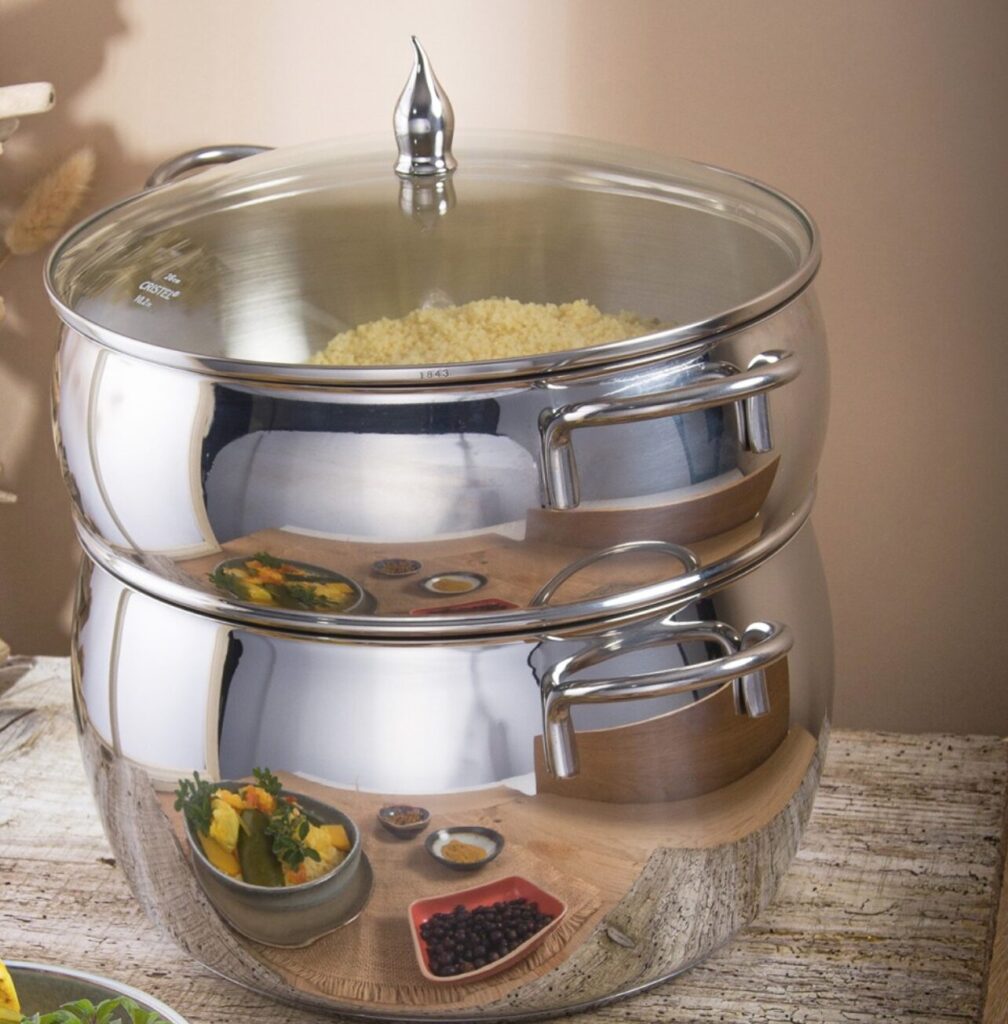
If you want to bring a couscoussier home, here are some tips:
- Material: Copper is traditional and beautiful, but stainless steel is easier to maintain.
- Size: Choose based on family size—small for 2–3 people, large for up to 10.
- Authenticity: Look for handmade versions from local artisans in Marrakech, Fez, or Meknes.
Cooking Classes
Many Moroccan cities offer cooking workshops where you can learn how to prepare couscous the authentic way. Try La Maison Arabe in Marrakech or Clock Kitchen in Fez—both offer experiences guided by local chefs.
A Souvenir with Meaning
Unlike typical souvenirs, a couscoussier is both practical and symbolic. It represents Morocco’s values of sharing, hospitality, and connection through food.
When to Experience the Best Couscous in Morocco
- Fridays: Traditional couscous day across the country. Many restaurants serve it fresh after midday prayer.
- Festivals: During celebrations like Eid al-Fitr or weddings, couscous is central to the feast.
- Winter: Perfect season for hearty couscous with lamb, chickpeas, and root vegetables.
- Spring: Light couscous with fresh vegetables and herbs is common in rural areas.
Wherever you go—from desert kasbahs to coastal riads—you’ll find a couscoussier bubbling quietly in the kitchen, preparing a meal that’s more than food—it’s a story.
FAQ: All About the Couscoussier
What is a couscoussier used for?
A couscoussier is a double-layered pot used to steam couscous and cook stew simultaneously. It ensures the grains remain fluffy and absorb rich aromas.
Can I use a couscoussier for other dishes?
Yes! It’s great for steaming vegetables, dumplings, or even seafood. Many Moroccan families use it as a multipurpose pot.
How do I clean a couscoussier?
Let it cool, rinse with warm water, and avoid harsh chemicals. For copper models, use lemon and salt to maintain shine.
Can I buy a couscoussier as a souvenir?
Absolutely. They’re available in most Moroccan markets and make wonderful gifts. Many shops offer shipping options for tourists.
How long does it take to cook couscous in a couscoussier?
Typically, around 45–60 minutes for three rounds of steaming, depending on the recipe.
Conclusion: Steam, Stories, and Shared Tables
The couscoussier is more than a kitchen tool—it’s a vessel of Moroccan identity. Every swirl of steam carries stories of family, love, and culture. To taste couscous from a couscoussier is to taste Morocco itself—a land where time slows down and meals bring hearts together.
Plan your Moroccan journey—join a local cooking class, wander through the metalworkers’ souks, or share a couscous meal with a family in the Atlas Mountains.
Because once you experience the couscoussier, you’ll never see cooking the same way again.