
Deep in the valleys and villages of Morocco’s Atlas Mountains lies a tradition at risk of disappearing: The Forgotten Craft of Wool Dyeing in the Atlas – Natural Colors, Old Techniques. Long before synthetic dyes existed, Amazigh (Berber) artisans used plants, minerals, and meticulous processes passed down through generations to bring wool to life with vibrant, earthy shades. This article invites curious travelers into a world where color is born from nature, where dyes echo the seasons, and where each thread tells a story of heritage.
Whether you’re a cultural explorer, a lover of traditional crafts, or an adventurer seeking authentic Morocco, this journey through the Atlas Mountains will reveal a piece of the country often overlooked—but deeply worth rediscovering.
Section 1 – An Ancient Craft Hidden in the Atlas Mountains

A Heritage Rooted in Nature
The practice of dyeing wool naturally dates back centuries. Villages across the High Atlas play a central role in preserving this craft. These mountain communities rely on local plants—pomegranate peel, henna leaves, saffron threads, madder root, and indigo—to create a palette that reflects the Moroccan landscape itself.
The Atlas Mountains are home to diverse Amazigh tribes whose traditions remain tightly woven into daily life. Their rug-making techniques are internationally admired, especially the colorful Beni Ourain and Azilal carpets. Wool dyeing is the invisible first step in these masterpieces.
Travelers staying in nearby cities like Marrakech, with its bustling souks and ancient landmarks such as the Jemaa el-Fnaa (Wikipedia: https://en.wikipedia.org/wiki/Jamaa_el-Fna), can make day-trips or multi-day excursions to witness the dyeing process firsthand.
Why This Craft Is “Forgotten”
Today, machine-produced fabrics and synthetic dyes dominate markets. Younger generations, drawn to modern careers, often leave mountain villages, and the knowledge once carefully guarded by elder artisans risks fading away. Yet the craft survives in small pockets—women’s cooperatives, family workshops, and a handful of dedicated artisans.
The Forgotten Craft of Wool Dyeing in the Atlas – Natural Colors, Old Techniques is not only a story of colors; it is a story of resilience and cultural preservation.
Section 2 – Must-See Experiences for Travelers
Visit a Traditional Dyeing Workshop
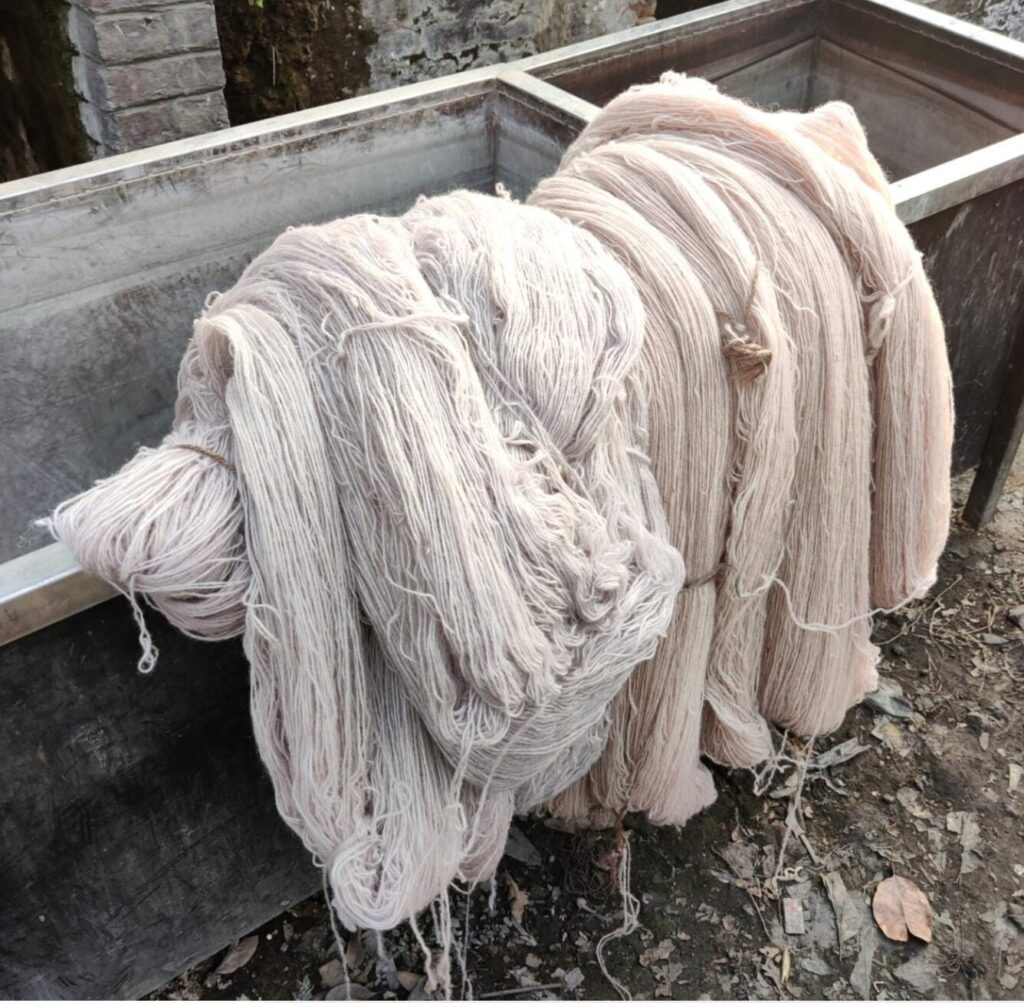
Nothing compares to seeing the process live. In villages around:
- Ouirgane
- Imlil
- Aït Bouguemez Valley (Happy Valley)
- Tahanaout
…you’ll often find small workshops where artisans practice ancestral dyeing methods.
How Natural Colors Are Made
Each dye tells a story:
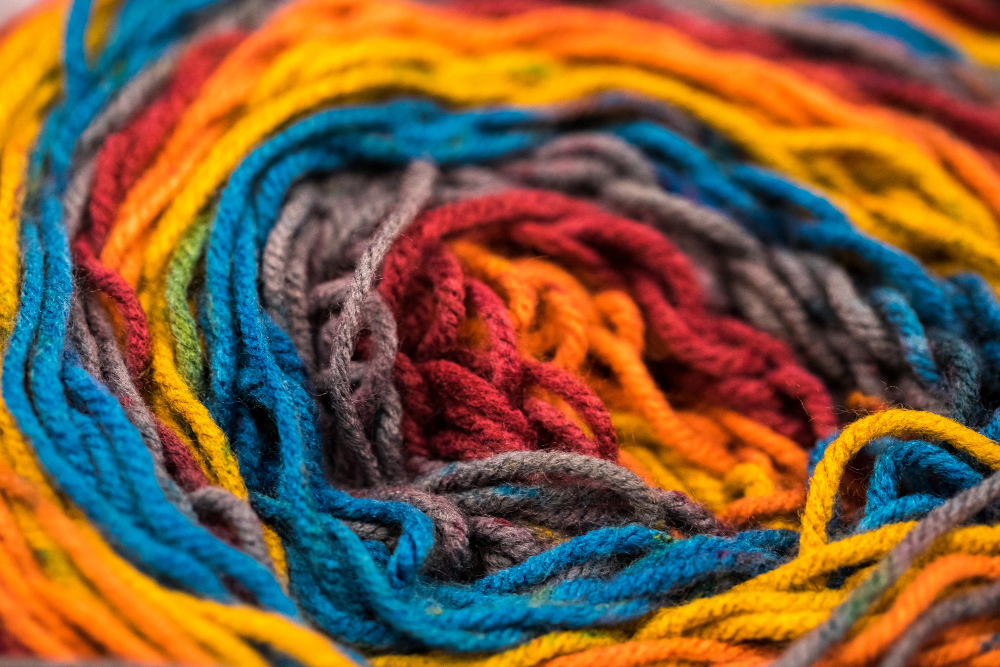
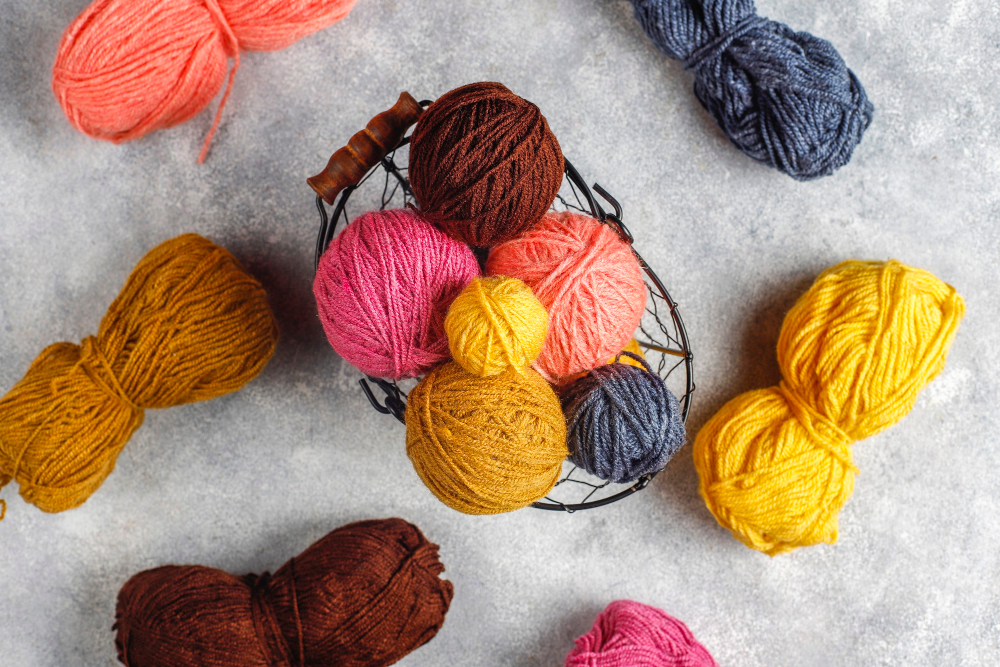
- Red: Madder root, boiled for hours until it releases warm, earthy tones.
- Yellow: Pomegranate peels or saffron—rare and precious.
- Blue: Indigo, one of the most sacred pigments in Amazigh culture.
- Brown: Walnut husk, producing rich deep tones.
- Green: A careful blending of plant-based yellows and indigo blues.
Artisans soak the wool for long periods, sometimes days, depending on the desired intensity. The mountain climate—sunlight, pure spring water, and altitude—helps fix the colors naturally.
The Atlas Rug Villages
Travelers can also explore villages famous for Moroccan rugs. These areas often combine the dyeing, spinning, and weaving process:
- Azilal – Contemporary and colorful patterns
- Beni Ourain region – Iconic minimalist cream-and-black rugs
- Taznakht – Known for bold geometric designs
Each region uses colors that tell something about local identity, environment, and symbolism.
Explore Local Souks
Souks in the Atlas foothills, as well as major cities such as Fez (Wikipedia: https://en.wikipedia.org/wiki/Fes), showcase naturally dyed wool, handcrafted carpets, and artisan-made textiles. Look for labels indicating natural dyes or cooperatives that emphasize sustainable, traditional methods.
Section 3 – Travel Tips and Cultural Insights

How to Respect Local Communities
Many workshops are family-run. When entering small villages:
- Ask permission before taking photos.
- Support artisans by purchasing directly; small investments help keep traditions alive.
- If offered tea, accept—it’s a gesture of hospitality deeply rooted in Moroccan culture.
How to Identify Authentic Natural Dyes
Travelers often struggle to distinguish naturally dyed wool from synthetically dyed pieces. Here’s what to look for:
- Subtle variations in shade (natural dyes are rarely perfectly uniform).
- Earthy tones rather than neon or overly bright colors.
- A matte finish, as opposed to the sheen of chemical dyes.
- Artisan labels or cooperative stamps, especially in rural areas.
Best Times to Visit
Natural dyeing often aligns with the agricultural calendar. Certain plants are only harvested in:
- Spring: Wildflowers, fresh pomegranate peel
- Summer: Walnut husks, mountain herbs
- Autumn: Roots like madder and saffron
- Winter: Indigo fermentation processes
To see the full spectrum of colors, visiting between March and October is ideal.
Section 4 – Traveler Stories and Real-World Examples
Clara’s Dyeing Workshop Memory
Clara, a traveler from Spain, described her day in Aït Bouguemez as “one of the most peaceful experiences of my life.” She spent the afternoon watching women boil roots and leaves, stir pots over fire, and wash wool in the icy mountain stream.
“I realized that every color has a soul,” she wrote on her travel blog. “And the hands that create these colors preserve something irreplaceable.”
A Photographer’s Journey
Liam, an American photographer, sought out artisans in Ouirgane after hearing about The Forgotten Craft of Wool Dyeing in the Atlas – Natural Colors, Old Techniques. He documented the shades of saffron yellow and deep indigo blue drying under the high-altitude sun.
His photos later became part of a gallery exhibition about endangered crafts, inspiring more visitors to head to the Atlas Mountains.
A Carpet Collector’s Discovery
Nadia, a carpet enthusiast, traveled to Taznakht specifically to meet dyers who specialize in natural pigments. She was fascinated by the symbolic meaning of each color: red for protection, blue for freedom, yellow for joy. She left with two rugs and a promise to return.
Section 5 – Future Travel Recommendations and Seasonal Insights
Support Artisan Cooperatives
Over the next few years, cooperatives across the High Atlas are expected to increase tourism programs, offering:
- Dyeing demonstrations
- Workshops where visitors can dye their own wool
- Cultural storytelling sessions
- Rug-weaving activities
Travelers visiting Morocco in the future may even find dedicated eco-routes built around craft preservation.
Combine Craft Tourism with Outdoor Adventures
The Atlas Mountains offer perfect pairings with cultural experiences:
- Hiking the Toubkal region
- Exploring the serene Ouirgane Valley
- Staying in eco-lodges that support rural families
- Joining photography trips focused on artisan life
Seasonal Highlights
- Spring: Ideal for plant-based dye extraction; landscapes bloom with natural pigments.
- Summer: Most workshops operate outdoors—photos are incredible.
- Autumn: Rug-weaving season picks up; great for buying unique pieces.
- Winter: Quiet, peaceful, and perfect for deeper cultural immersion.
FAQ – Wool Dyeing in the Atlas Mountains
What materials are used in traditional dyeing?
Artisans use natural elements like pomegranate peel, walnut husk, indigo, madder root, and mountain herbs.
Is the craft still practiced widely?
Not as much as before—many artisans are aging, and the tradition is fading, though cooperatives help preserve it.
Can travelers participate in dyeing workshops?
Yes! Several Atlas villages offer hands-on sessions where you can dye wool using traditional methods.
How long does natural dyeing take?
It varies—some colors require several hours while others may need days of soaking and sunlight.
Where can I buy naturally dyed wool or rugs?
Souks in Marrakech, Fez, Taznakht, and cooperatives in the Atlas Mountains offer authentic products.
Conclusion
The Forgotten Craft of Wool Dyeing in the Atlas – Natural Colors, Old Techniques is more than a cultural practice—it is a living archive of Morocco’s identity, carried by artisans who continue to nurture nature into color. For travelers seeking authenticity, inspiration, and deeper connection, few experiences compare to witnessing this tradition in the heart of the Atlas Mountains.
Plan your visit, explore rural villages, support local artisans, and continue discovering Morocco’s hidden stories on skiesofmorocco.